Last updated: January 21, 2026
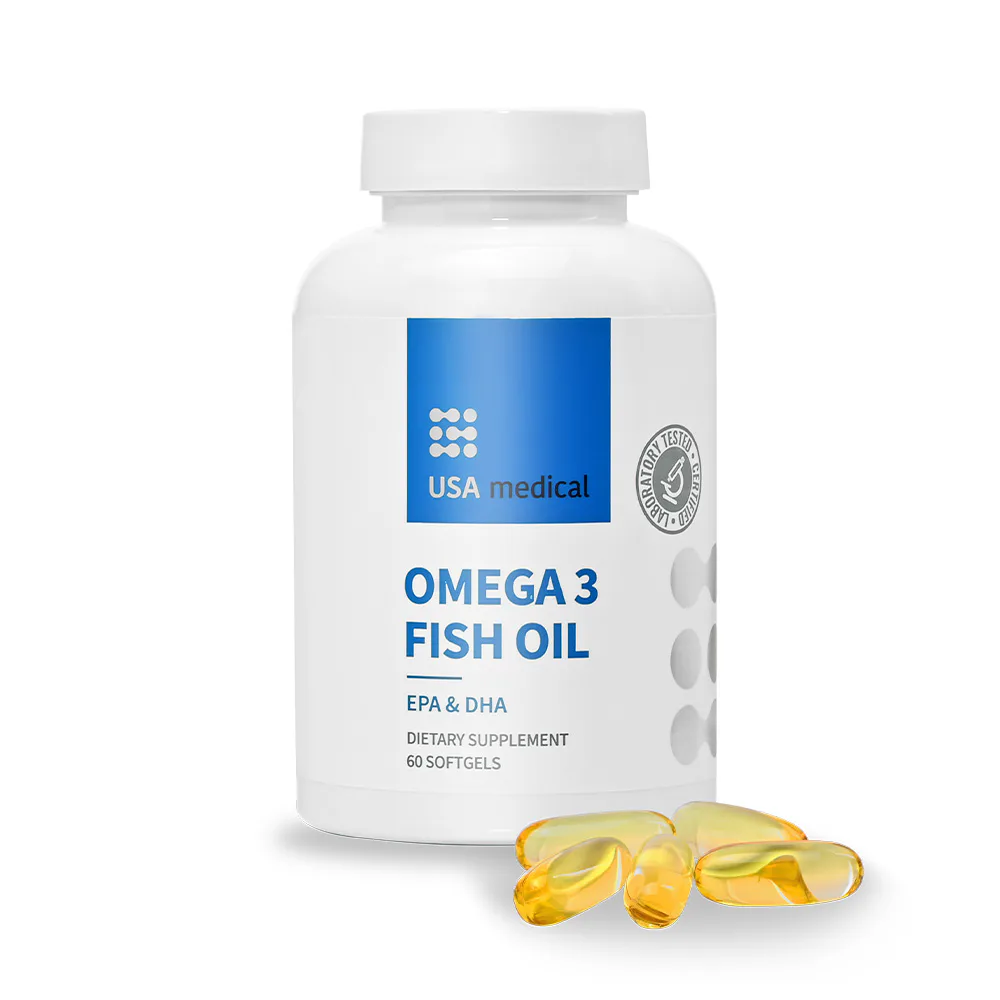
Creatives (and anyone living in “always-on” mode) often notice something: when the brain runs hot, late nights, tight deadlines, high stress, recovery gets harder. One reason may be that your nervous system is built from fats, and omega-3s, especially the marine ones, are part of that wiring.
Table of Contents
In this guide, you’ll find the main ideas organized here:
- Why “creative brains” may be more sensitive to low omega-3 status
- What omega-3s do to your cells (beyond “heart health”)
- How omega-3s help the body finish the inflammatory process
- Energy, focus, and emotional steadiness
- Sleep architecture and nighttime recovery
- Heart rhythm, performance markers, and safety considerations
- FAQ
Use the sections below to jump around.
Why high-output brains may feel omega-3 gaps sooner
If you’re a producer, artist, writer, founder, or night-shift thinker, you’re asking a lot of your brain: attention, sensory processing, emotion regulation, and stress response. DHA (a key omega-3) is continuously turned over in brain phospholipids, and research tools can measure that turnover in animal models, showing it’s not a static “set it and forget it” nutrient.
Omega-3s as “neural building materials”
Here’s the simple mental model: the brain is fatty tissue, and DHA is a major structural fat in neural membranes. That’s why, for many people, the most noticeable omega-3 benefits show up where neural performance and recovery matter, focus, steadier mood, and sleep quality, not just on a cholesterol panel.
The cell-membrane effect most people miss
A big reason omega-3s feel “whole-body” is cell membrane fluidity. When membrane fats change, receptors, ion channels, and signaling proteins behave differently. That can influence how cells respond to hormones and neurotransmitters and how immune cells communicate.
Section takeaway: If your days demand high cognitive output and your nights demand fast recovery, omega-3 sufficiency may matter more than you’d expect, because it’s literally built into neural membranes.
What EPA and DHA do differently (and why labels don’t always explain it)
Most of the research on marine omega-3s centers on EPA and DHA, which are found in fish/seafood and also in many supplements (while ALA is the plant omega-3 that converts only minimally to EPA/DHA).
Structural vs signaling roles
A practical way to think about it:
- DHA is more “structural,” supporting brain/retina architecture and membrane properties.
- EPA is more “signaling,” frequently studied in relation to inflammatory pathways and some mental health outcomes.
This is one reason two fish-oil products can feel different: their EPA:DHA ratios vary, and not every brand explains why.
Back to membranes (because it’s that important)
When DHA is incorporated into cell membranes, it can shift cell membrane fluidity and related “microdomains” (like lipid rafts), which can change downstream signaling.
Section takeaway: If you’re choosing a product or food strategy, it helps to understand that EPA and DHA aren’t interchangeable, and the ratio can influence the experience and the research outcomes.
How omega-3s help your body finish inflammation, not just mute it
People often say omega-3s “calm” inflammation. The more interesting part is that they can support inflammation resolution, the active, coordinated shutdown of inflammation after the job is done.
The “stop signal” pathway
Omega-3s can be converted into specialized pro-resolving mediators (often discussed alongside resolvins, protectins, and maresins). These molecules act like biochemical off-switches: they help limit excessive inflammatory signaling and support cleanup and tissue recovery.
That’s a different concept than how NSAIDs work, which generally block parts of inflammatory production pathways rather than promoting a coordinated end-stage program. (Both can have a place; they’re just not the same mechanism.)
Omega-3s also interact with gene-expression pathways, including PPAR-related signaling reported in clinical-trial literature on gene expression changes. This matters for fat metabolism, insulin sensitivity, and inflammatory signaling balance.
And yes, membranes again: immune-cell communication is partly a membrane-signaling story, so cell membrane fluidity can be part of the upstream context for how cells “hear” and “respond” to signals.
Takeaway for this section: If your goal is to reduce inflammation in a way that supports recovery (not just suppression), it helps to understand inflammation resolution and the role of specialized pro-resolving mediators.
Energy, focus, and emotional steadiness (the “creative output” section)
Let’s talk about why people describe omega-3s as “brain fuel,” even though they aren’t a stimulant.
Energy that feels like better efficiency
When people search for omega-3 for energy, what they’re often noticing is steadier mental stamina: less friction switching tasks, less “wired-tired” feeling, and better recovery between intense work blocks. Mechanistically, omega-3 research touches metabolic signaling (including insulin resistance pathways in broader literature) and mitochondrial-related outcomes in some reviews, though individual results vary.
A realistic framing: omega-3 for energy is less “instant pep” and more “better operating conditions” for cells that do high-demand work, especially neurons and muscles.
Mood isn’t “just vibes”: neurotransmission matters
There’s also the mental-health angle. Literature reviews discuss interactions between omega-3 status and neurotransmitter systems, including dopamine and serotonin signaling, covering release, uptake, and receptor function.
This is one reason omega-3 for mood shows up in research conversations around depressive symptoms and anxiety (with varying effect sizes and study designs).
And once again, membranes show up: omega-3s can influence membrane order, which may affect how efficiently receptors and transporters work, linking back to dopamine and serotonin dynamics.
Section takeaway: If you’re exploring omega-3 for mood or omega-3 for energy, the most grounded expectation is support for brain signaling and metabolic steadiness, not a guaranteed “cure” for depression, ADHD, or burnout. If you have worsening depression, panic, or any thoughts of self-harm, seek urgent help (988 in the U.S.).
Sleep architecture and recovery: why DHA keeps showing up
Sleep is where creatives “pay the bill” for daytime output, especially when nights are short or inconsistent.
What the evidence says about omega-3s and sleep
A recent systematic review found that omega-3 long-chain fatty acids may improve sleep quality metrics in some studies, though researchers note that more high-quality trials are needed.
Researchers have also explored links between DHA and melatonin-related pathways and sleep efficiency, including discussions of how membrane composition in melatonin-producing tissues may matter.
That’s why omega-3 for sleep is usually framed as improving sleep quality and sleep continuity rather than acting like a sedative.
Practical sleep-support strategies (food-first)
If you want to support sleep without turning it into a supplement maze, a few basics help:
- Prioritize food sources (fatty fish, seafood) consistently.
- Protect your light environment at night (dim lights, limit bright screens late).
- If you suspect sleep apnea (loud snoring, gasping, morning headaches, high daytime sleepiness), get evaluated, supplements won’t fix that.
Section takeaway: For many people, omega-3 for sleep is about sleep architecture support, better quality, fewer awakenings, not an immediate knock-out effect.
Omega-3s are still deeply relevant to cardiovascular physiology, but the story is nuanced.
Resting heart rate and electrical stability
In randomized trials and meta-analyses, fish oil has been associated with modest reductions in resting heart rate, with some analyses suggesting DHA may contribute more to that chronotropic effect than EPA.
Mechanistic work also discusses how omega-3s may influence cardiac myocyte excitability through ion-channel effects, one plausible pathway for changes in resting heart rate and rhythm stability.
A cautionary note on arrhythmias and “more is better”
Contemporary reviews note mixed findings across trials for arrhythmia outcomes, and there’s ongoing discussion about atrial fibrillation risk in some contexts, especially at higher intakes or specific formulations.
For most people, major heart organizations emphasize getting omega-3s from eating fish (commonly framed as two servings per week) rather than assuming supplements prevent heart disease in otherwise healthy adults.
Section takeaway: If you’re using omega-3s for athletic tracking or you’re aiming to lower resting heart rate, it’s smart to do it with a clinician’s context, especially if you have a history of atrial fibrillation, bleeding disorders, or you take anticoagulants.
FAQ
1) What are the biggest “headline” omega-3 benefits?
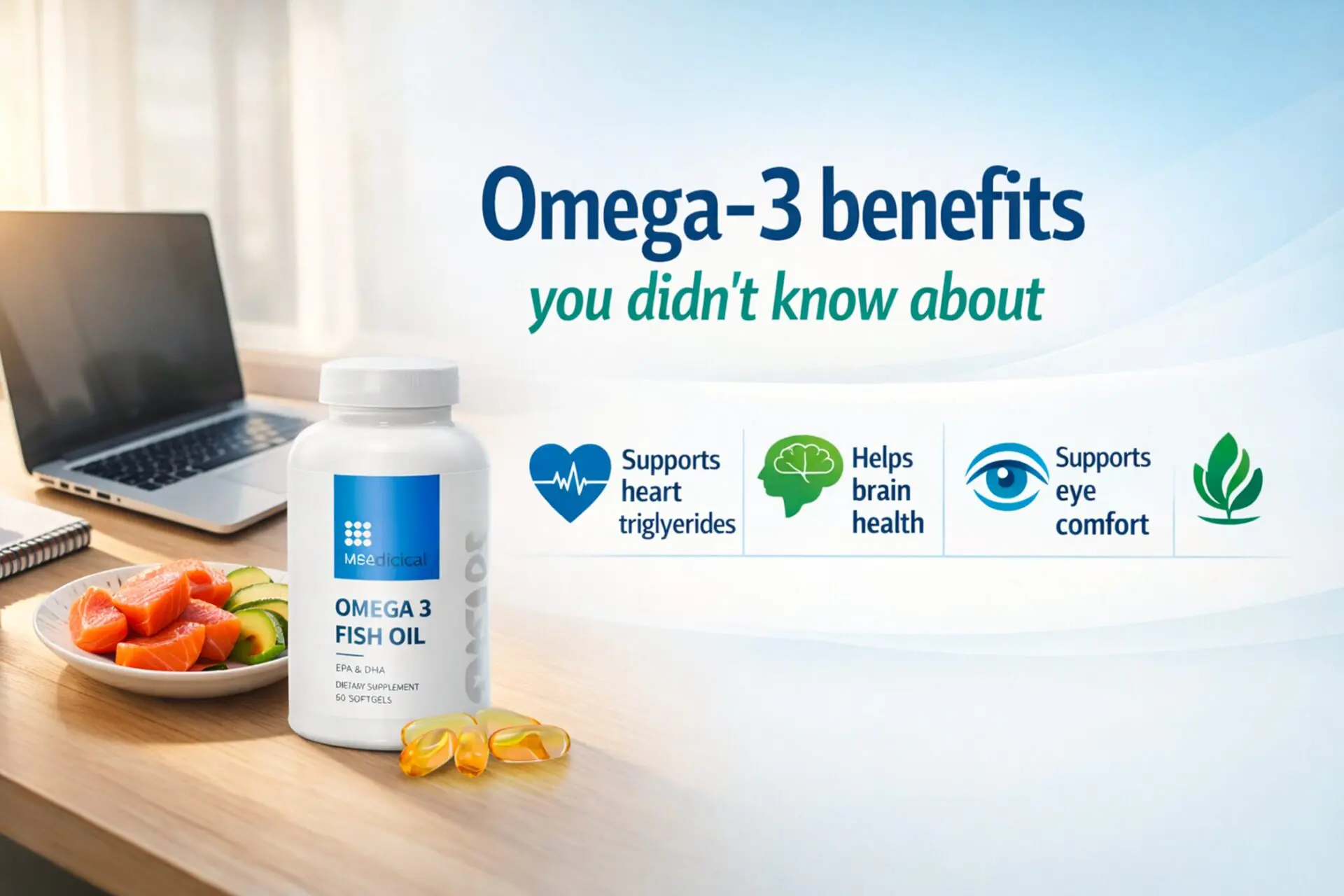
The most commonly discussed omega-3 benefits include support for cardiovascular function, brain and eye health, and immune signaling pathways—especially when dietary intake is low.
2) What’s the difference between EPA and DHA?
In simple terms, EPA and DHA are both marine omega-3s, but DHA is often emphasized for structural roles in brain/retina, while EPA is often emphasized for signaling roles in inflammatory pathways.
3) How do omega-3s help reduce inflammation without acting like an NSAID?
One key idea is inflammation resolution: omega-3s can be converted into specialized pro-resolving mediators that help orchestrate the “shut down and clean up” phase after inflammation starts.
4) Is omega-3 for mood real, or just wellness marketing?
Omega-3 for mood has research behind it, but results vary. Reviews discuss interactions with neurotransmission, including dopamine and serotonin, and with inflammatory pathways that can affect brain function. If symptoms are severe or persistent, treat omega-3s as a support—not a replacement for professional care.
5) What does “cell membranes” have to do with how I feel?
A lot. Cell membrane fluidity can influence receptor function, ion channels, and signaling proteins—so shifts in membrane fats can ripple into how brain and immune cells communicate.
6) What should I expect if I’m trying omega-3 for energy?
Omega-3 for energy is usually about steadier endurance (mental or physical), not a stimulant-like surge. Think “supporting baseline function” rather than “instant motivation,” and focus on consistent intake over time.
7) Does omega-3 for sleep help with REM or melatonin?
Omega-3 for sleep is being studied for sleep quality and efficiency, with some research exploring links between DHA status and melatonin-related pathways. Evidence is promising but not definitive yet.
8) Who should talk to a clinician before using fish oil supplements?
If you take blood thinners, have a bleeding disorder, are preparing for surgery, or have a history of atrial fibrillation, ask first. Omega-3 supplements can affect bleeding time and may not be appropriate at higher doses for everyone.
Works Cited
- National Institutes of Health, Office of Dietary Supplements. Omega-3 Fatty Acids Fact Sheet (Consumer & Health Professional versions).
- Basil MC, Levy BD. Review on immunoresolvent lipid mediators derived from essential fatty acids. Nature Reviews Immunology (2016).
- Shimizu K, et al. Systematic review of omega-3 long-chain fatty acids and sleep outcomes (2024).
- Hidayat K, et al. Meta-analysis reporting heart rate effects of omega-3 long-chain fatty acid supplementation (2018).
- Marcus MD, et al. Review of omega-3 fatty acids and arrhythmias. Circulation (2024).
- American Heart Association. Guidance article on dietary omega-3 intake and fish servings (2023), plus advisory coverage on supplements (AHA news).
- Ahmadi AR, et al. Review/meta-analysis on omega-3 supplementation and PPAR gene expression. Frontiers in Nutrition (2023).
- Grosso G, et al. Review discussing omega-3 intake and neurotransmission pathways relevant to depressive status (2014).
- Fuentes NR, et al. Review describing DHA effects on membrane properties and signaling contexts (2018).
- National Center for Complementary and Integrative Health. Safety notes on omega-3 supplements and clotting-related drug interactions.