Last updated: January 30, 2026
If you’re stacking a daily multivitamin with a few popular add-ons, the biggest question is usually: what belongs in the morning, and what fits better at night? This guide breaks down the “why” behind timing, what benefits are realistic, and what to watch for, especially if you’re using products marketed for immune support.
Table of Contents
- What “day vs night” timing actually changes
- One section overview: your multivitamin list, simplified
- Add-on essentials: magnesium glycinate, collagen, omega-3, inositol, turmeric
- Calming stack: ashwagandha plus CBD and CBG
- Putting it together: a simple AM/PM routine
- FAQ
- Works Cited
- Target Keywords Used
What “day vs night” timing actually changes
Supplement timing usually affects three things:
- Absorption: Fat-soluble nutrients and certain minerals are often better tolerated with meals.
- How you feel: Some people notice alertness with B vitamins; others notice relaxation or GI comfort with evening minerals.
- Safety/interaction risk: A few categories, especially cannabinoids, can affect alertness or interact with medications.
The “perfect schedule” matters less than consistency, tolerability, and not mixing risky combos.
One section overview: your multivitamin list, simplified
Your formula includes a broad set of vitamins (A, C, D, E and B-complex) plus minerals/trace elements (like magnesium, zinc, selenium, copper, chromium, and more). Instead of treating each one like a separate project, it helps to group them by what they generally support and when they’re most practical to take.
What it can do (realistically)
A comprehensive multivitamin blend most often helps by covering nutritional gaps, especially for people with inconsistent diets, limited sun exposure, or restricted eating patterns. Think of it as “baseline coverage,” not a replacement for sleep, protein, fruits/vegetables, or medical care.
Common “support buckets” for a formula like yours include:
- Energy metabolism & nervous system: B vitamins help your body convert food into energy and support neurologic function.
- Bone & muscle function: Vitamin D and minerals contribute to bone/mineral metabolism.
- Antioxidant & cellular support: Vitamins C and E and several trace nutrients participate in antioxidant systems.
- Immune function: Multiple micronutrients play roles in normal immune processes (this is “support,” not “immunity on demand”).
Day vs night timing
For most people, the simplest plan for a multivitamin blend is morning or midday with food, ideally a meal that includes some fat (to support fat-soluble nutrient absorption and reduce nausea from minerals like zinc).
Nighttime can work too, but if you’re sensitive to “energizing” feelings from B vitamins or you get reflux, shifting earlier is often easier.
Takeaway: Take your multivitamin blend with a consistent meal; timing is mostly about comfort and habit.
Add-on essentials: magnesium glycinate, collagen, omega-3, inositol, turmeric
These are the add-ons people most often pair with a multi for targeted goals like sleep quality, skin/joint support, mood, and general wellness.
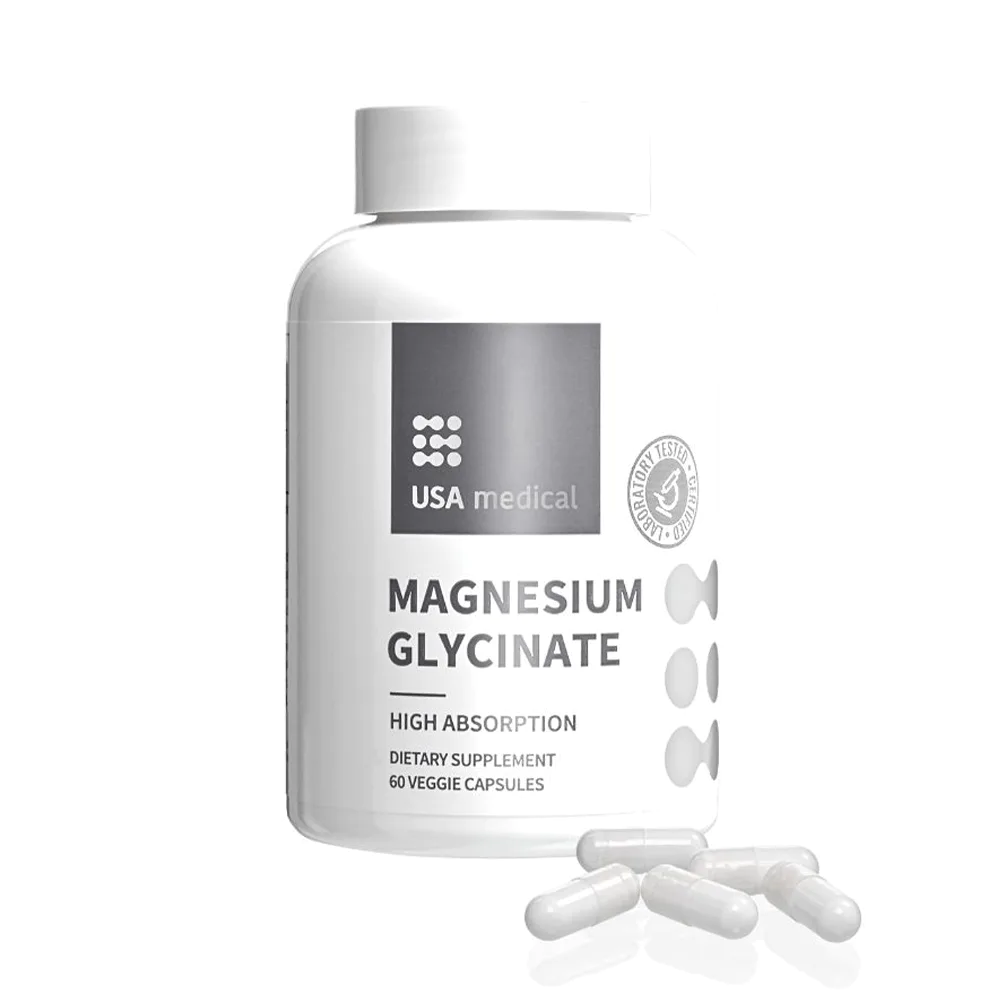
Magnesium Glycinate
Magnesium supports hundreds of enzyme reactions and is involved in muscle and nerve function.
magnesium glycinate is a chelated form that many people find gentler than magnesium oxide, though individual responses vary (and not all “gentle” claims have head-to-head clinical proof).
Day vs night: Many people prefer magnesium glycinate in the evening because it can feel calming and may be easier on the stomach after dinner. If it makes you too relaxed during the day, or if you’re trying to build a wind-down ritual, night tends to fit.
Takeaway: Magnesium supplements can interact with certain medications (including some antibiotics and osteoporosis drugs) and may cause diarrhea at higher intakes.
Collagen Complex
A collagen complex is usually used for skin hydration/elasticity support or joint comfort. Evidence from randomized trials and meta-analyses suggests collagen peptides may improve some skin measures, though study quality and funding bias vary across research.
Day vs night: Collagen timing is flexible. Many people take a collagen complex in the morning (easy to mix into coffee/smoothies) or at night (as part of a bedtime routine). Practically, it’s the daily consistency that matters more than the hour.
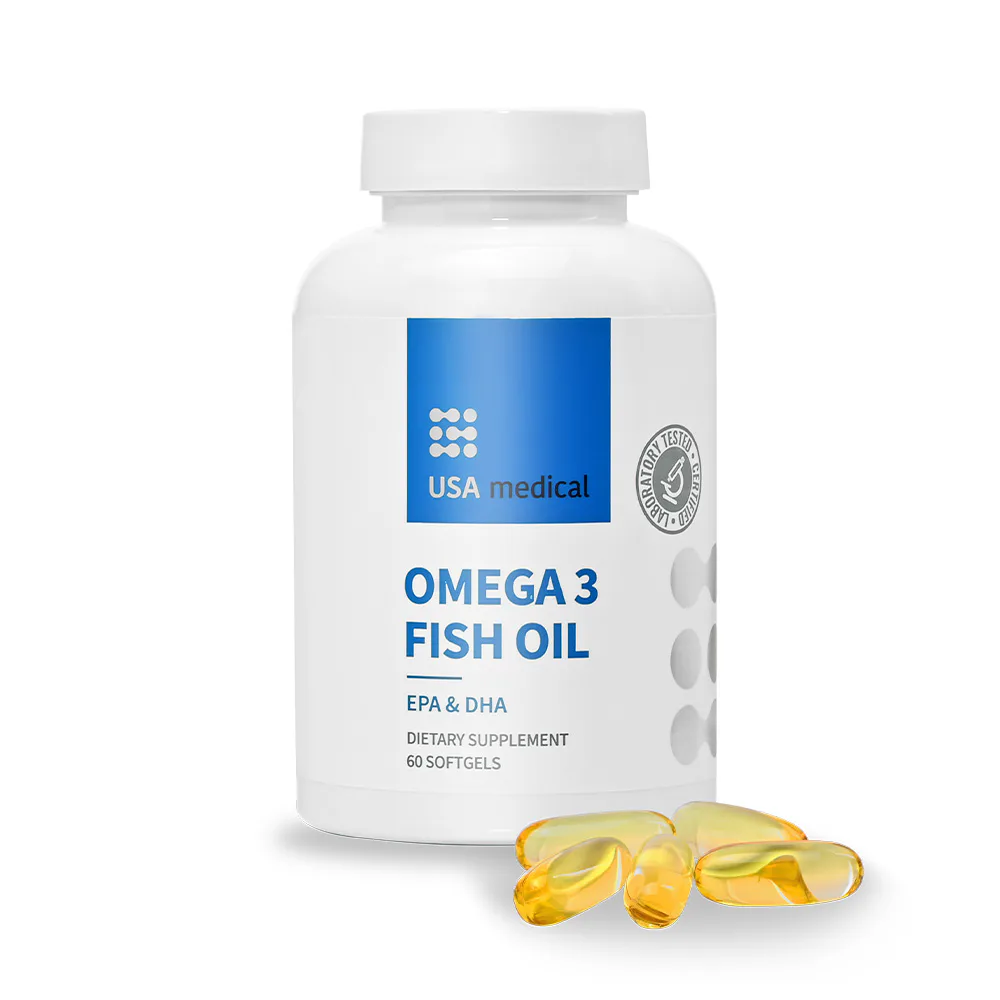
Omega 3
Omega 3 fats (EPA/DHA and ALA) are associated with cardiovascular and triglyceride effects in certain contexts, and they’re commonly used for general wellness.
Day vs night: Take omega 3 with a meal to reduce “fishy burps” and improve tolerability. If dinner is your largest meal, dinner is often the smoothest time.
Takeaway: Omega-3s can affect bleeding risk in some situations and can interact with anticoagulant/antiplatelet therapy, so it’s worth asking your clinician if you’re on those meds or have surgery planned.
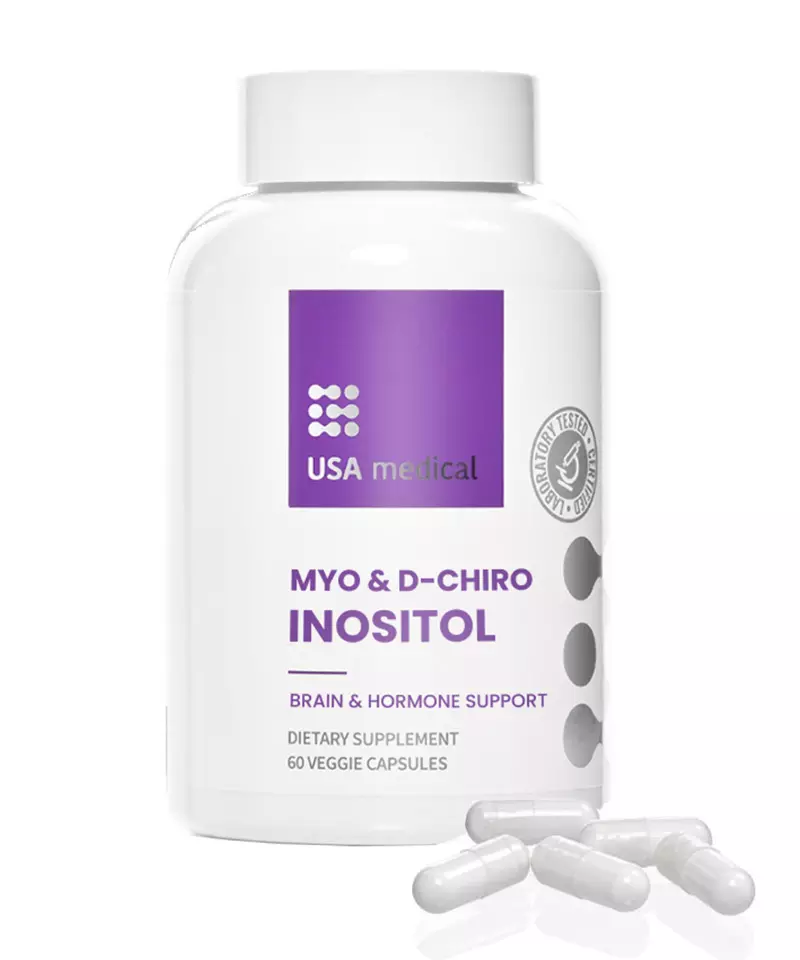
Inositol
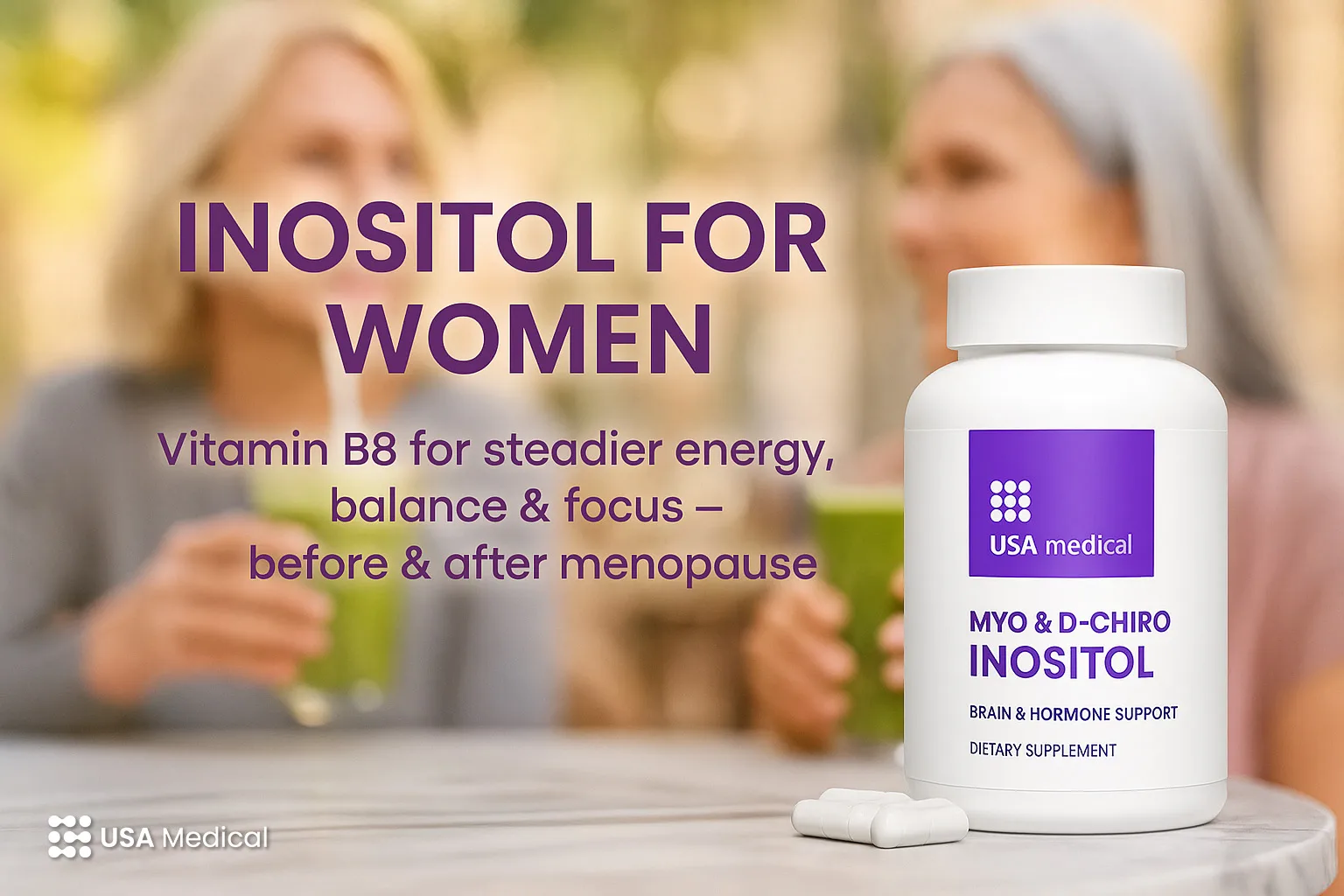
Inositol (often myo-inositol, sometimes combined with D-chiro-inositol) is popularly discussed for metabolic and reproductive hormone-related goals (especially PCOS), and it’s also explored for mood-related outcomes. Evidence is mixed depending on the condition and the quality of trials, some reviews show benefit, while others emphasize uncertainty and limitations.
Day vs night: Many people split it AM/PM for steadier tolerance, but if you’re choosing one time, pick the time that best fits your routine. If you notice GI effects, taking inositol with food can help.
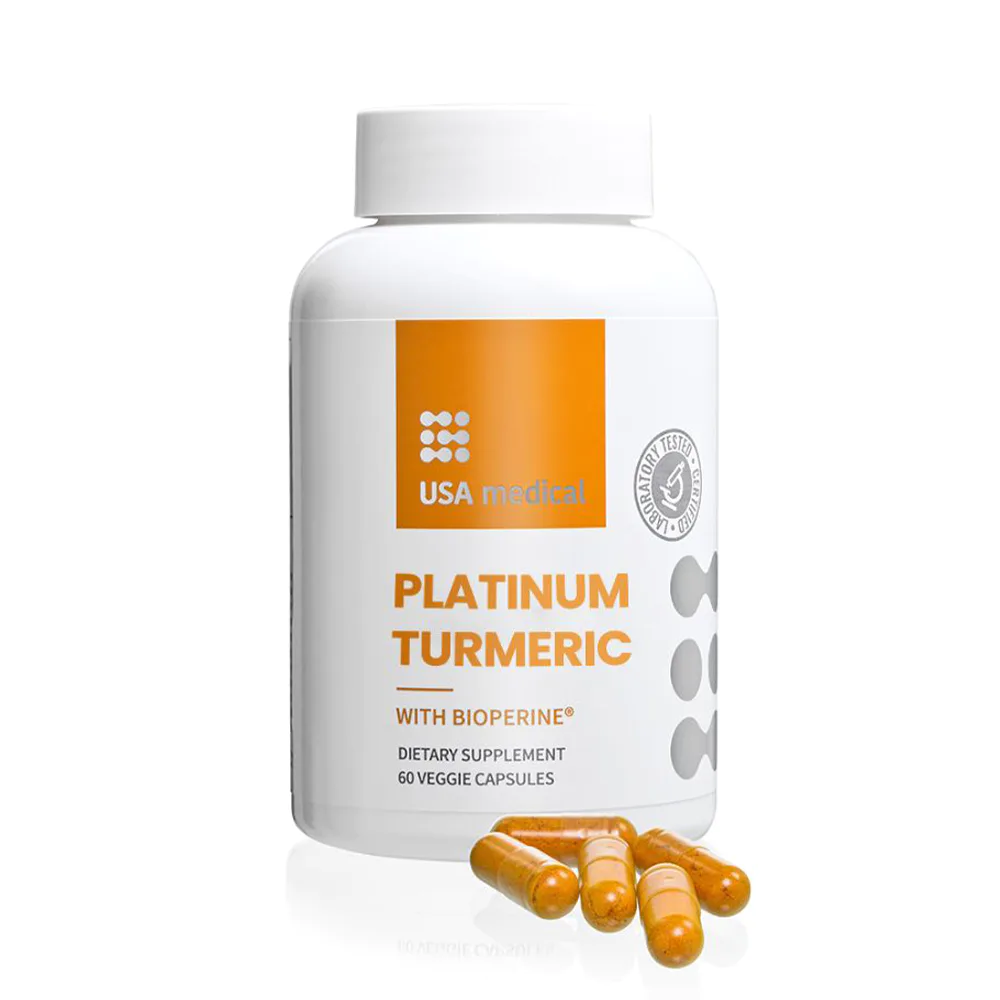
Turmeric
Turmeric (curcumin-containing products) is often used for inflammation-related wellness goals. Research is complicated by major differences in formulations and bioavailability. NCCIH notes that conventionally formulated oral turmeric/curcumin is likely safe for short-term use in recommended amounts, but GI side effects can occur.
Day vs night: Many people choose daytime for turmeric because it pairs well with meals and avoids reflux near bedtime. If it upsets your stomach, try taking it earlier and always with food.
Calming stack: ashwagandha plus CBD and CBG
This group is usually taken with “evening calm” goals in mind. It’s also the group with the most important interaction cautions.
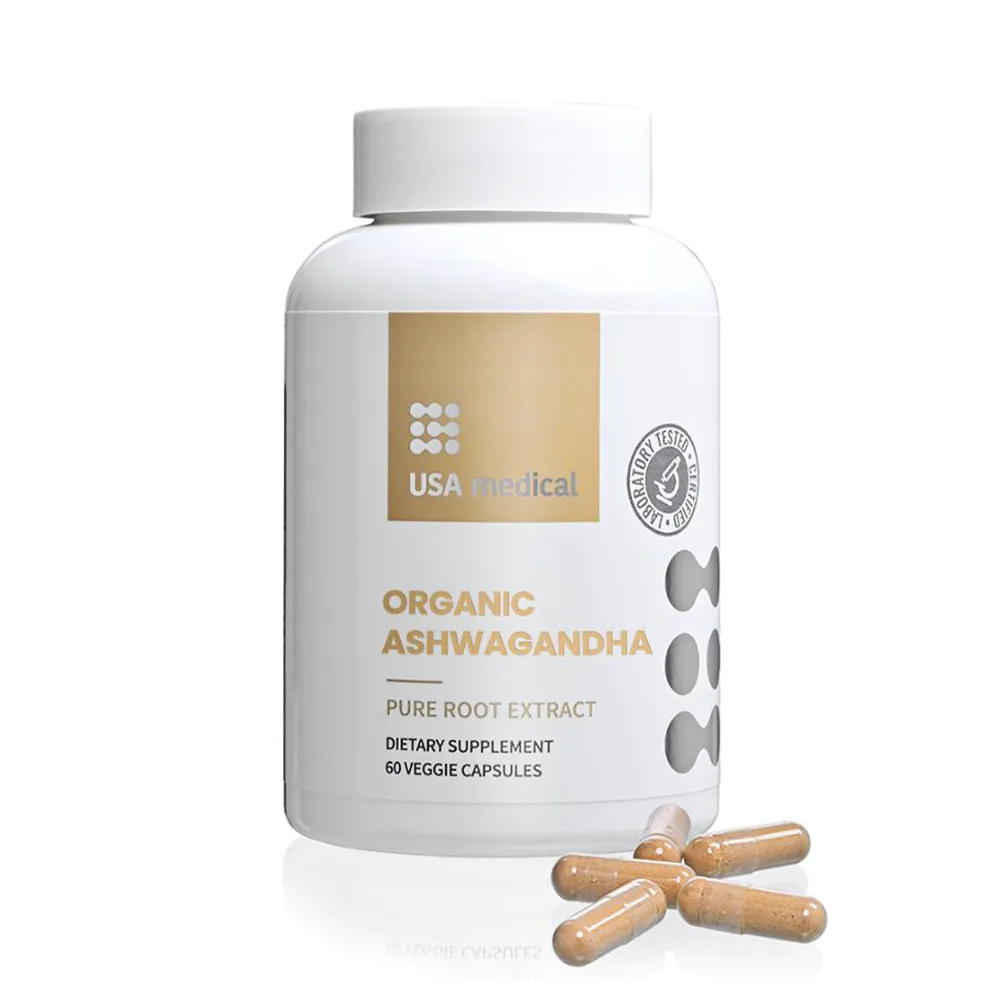
Ashwagandha
Ashwagandha is commonly used for stress, anxiety, and sleep support. NIH sources describe growing research interest, but also emphasize variability in products, dosing, and study quality, and note safety considerations and potential interactions.
Day vs night: If you’re using ashwagandha for stress resilience, daytime can make sense. If you’re using it for sleep-adjacent calming, evening can fit better. Some people feel sleepy; others feel nothing noticeable.
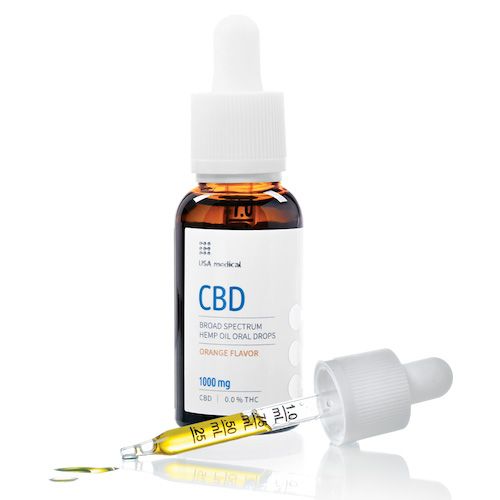
CBD oil
CBD oil is widely marketed for relaxation, discomfort, and sleep, yet regulation and product quality vary. FDA has stated CBD cannot be marketed as a dietary supplement under current frameworks and continues to highlight safety concerns.
NCCIH also notes potential side effects (like drowsiness and GI symptoms) and drug interactions, and flags concerns including liver injury at higher exposures in some settings.
Day vs night: Many people reserve CBD oil for evening because of potential sedation and because you should avoid driving or safety-sensitive activities if you feel impaired. If you try it in the daytime, be conservative about scheduling and responsibilities.
CBG oil
CBG oil (cannabigerol) has much less human evidence than CBD. There are emerging reviews and early human research (including a clinical trial examining acute effects on mood/anxiety), but the science is still developing and long-term safety isn’t well-established.
Day vs night: Some people use CBG oil during the day because it’s often described as less sedating than CBD (this varies and isn’t guaranteed). Until you know your response, treat it like any cannabinoid: plan for possible drowsiness or impairment and avoid risky activities.
Putting it together: a simple AM/PM routine
Here are two practical patterns that keep things realistic.
Option A: Simple and consistent
- Morning or midday: multivitamin blend with a meal.
- Dinner: omega 3 with your most substantial meal.
- Evening wind-down: magnesium glycinate if you prefer a calmer feel at night.
Option B: Skin/joint + calm emphasis
- Morning: collagen complex (easy with coffee/smoothie) and inositol if you tolerate it well.
- Midday meal: multivitamin blend.
- Dinner: turmeric with food (if it doesn’t cause reflux) and omega 3.
- Night (only if appropriate for you): ashwagandha, and choose CBD oil or CBG oil based on your goals and how your body responds.
If you’re building a stack mainly for immune support, remember: sleep quality, adequate protein, fiber-rich plants, and stress management are still the foundation, supplements are just support tools.
FAQ
1) What’s the best “starter” schedule?
Start with the multivitamin blend at a consistent meal and add only one new product at a time for a week. That makes it easier to spot what helps—or what irritates your stomach.
2) Is magnesium glycinate better at night?
Many people find magnesium glycinate fits best in the evening due to perceived calming effects and better GI comfort after food, but it’s individual.
3) Does collagen help skin and joints?
A collagen complex has supportive evidence in some trials for skin hydration/elasticity and may help joint-related outcomes depending on the type used, but study quality varies.
4) Should omega 3 be taken with food?
Yes—omega 3 is commonly better tolerated with meals, which can reduce unpleasant aftertaste and improve consistency.
5) What is inositol most often used for?
inositol is often discussed for PCOS-related goals and metabolic measures, but reviews range from supportive to cautious due to limitations and uncertainty in the evidence base.
6) Can turmeric cause stomach issues?
Yes. turmeric and curcumin supplements can cause GI side effects in some people; taking it with food and earlier in the day can help if reflux is an issue.
7) Is ashwagandha safe for everyone?
Not always. ashwagandha can interact with certain conditions and medications; it’s best to check with a clinician if you have thyroid disease, are pregnant, or take immunosuppressive therapies.
8) Can I take CBD oil and CBG oil together?
It’s possible, but combining cannabinoids can increase the chance of side effects or interactions. If you use CBD oil or CBG oil, use extra caution with driving, alcohol, sedatives, and prescription medications.
Works Cited
- NIH Office of Dietary Supplements. Magnesium Fact Sheet for Health Professionals.
- NIH Office of Dietary Supplements. Omega-3 Fatty Acids Fact Sheet for Health Professionals / Consumer overview.
- NIH Office of Dietary Supplements. Ashwagandha Fact Sheet for Health Professionals.
- NIH NCCIH. Cannabis (Marijuana) and Cannabinoids: What You Need To Know.
- NIH NCCIH. Turmeric: Usefulness and Safety.
- U.S. FDA. Regulation of Cannabis and Cannabis-Derived Products (Including CBD).
- U.S. FDA. Consumer Update: What to Know About Products Containing Cannabis and CBD.
- PubMed/PMC sources on collagen and inositol evidence.
- Nature (Scientific Reports). Human trial examining acute CBG effects.