Last updated: January 26, 2026
If you’ve heard people call CBG “the focused one,” you’re not alone. Interest is rising because this compound has a believable biology story, starting in the plant as CBGA and interacting with more than just classic cannabinoid receptors in the body. Still, the biggest gap is consistency: mechanisms and early research signals don’t always translate into reliable, proven outcomes for every person.
This content is educational and not medical advice. Supplements are not approved by the FDA to diagnose, treat, cure, or prevent disease.
Table of Contents
- CBGA and the “stem cell” analogy in hemp
- Why CBG is rare (and why that matters)
- How it may work differently than CBD
- What the science suggests for discomfort and inflammation
- Brain, mood, and day-to-day performance
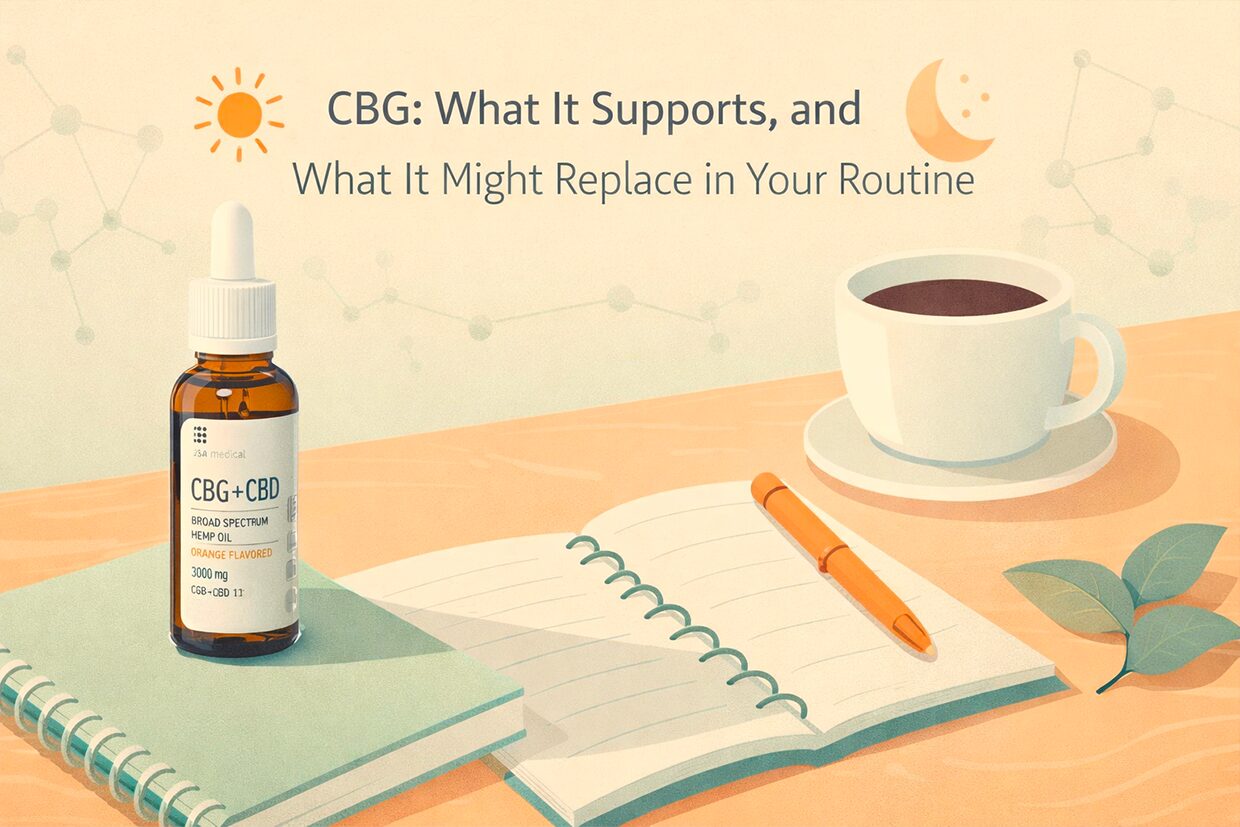
- What it might replace in your life (realistic swaps)
- How to choose and use it more safely
CBGA and the “stem cell” analogy in hemp
People sometimes call CBGA the “stem cell” of hemp, not because it’s a stem cell in the human sense, but because it’s a starting point in the plant’s chemistry. In cannabinoid biosynthesis, CBGA is a key precursor compound that can be converted into other cannabinoid acids as the plant matures, via specialized enzymes.
That’s why you’ll hear the phrase mother cannabinoid in CBG conversations. It’s shorthand for the idea that multiple cannabinoid families begin their “life cycle” from this earlier plant compound before changing form over time.
Bottom line for wellness shoppers: this origin story doesn’t prove human benefits, but it explains why CBG gets so much attention compared with many “minor cannabinoids.”
Takeaway: The “stem cell” label is a metaphor for plant biochemistry, useful for understanding where cannabinoids come from, not a promise of what they do in people.
Why CBG is rare (and why that matters)
In most hemp genetics, the plant doesn’t “hold onto” much CBG for long. As the plant develops, enzymes tend to convert precursor acids into other cannabinoid families. So if growers want more CBG, they often need specialized cultivars and carefully timed harvesting and extraction strategies.
This scarcity is also why labels can be misleading: when something is harder to produce, the temptation to overhype it (or under-test it) increases. That’s one reason quality controls matter so much.
Takeaway: “Rare” isn’t automatically “better,” but it does raise the bar for transparency and testing, especially for products marketed around the mother cannabinoid storyline.
How it may work differently than CBD
Cannabinoids interact with the endocannabinoid system, a body-wide network involved in balancing processes like discomfort signaling, immune activity, stress response, and more.
Here’s where CBG stands out: in addition to cannabinoid receptors, research suggests it can act across multiple targets, including receptor systems linked to mood, attention, and pain perception (notably α2-adrenoceptors and serotonin-related receptors).
That “multi-target” behavior is part of why some people describe cannabigerol as feeling more steady or clear compared with CBD. A small human crossover study also reported reductions in anxiety and stress after a single dose and found no evidence of impairment, interesting, but still early and not the same as long-term clinical proof.
Takeaway: The biology behind cannabigerol is real and multi-receptor, but human outcomes are still being mapped.
What the science suggests for discomfort and inflammation
A lot of consumer interest centers on day-to-day discomfort and longer-term aches. CBG is generally discussed as a non-intoxicating cannabinoid, meaning it doesn’t produce THC-like “high” effects in the way most people think of intoxication. Animal and pharmacology work supports that it does not appear to produce THC-like intoxication patterns.
Pain signaling and pain pathways
In multiple preclinical models, CBG shows antinociceptive (pain-response–reducing) effects, and researchers are studying how it interacts with pain pathways and related receptor systems. A 2025 preclinical paper, for example, reported antinociceptive effects across several pain models.
Inflammation and inflammation support
Inflammation is where CBG gets especially interesting. Research suggests it may influence inflammatory mediators in certain models. A 2025 preclinical study reported reductions in COX-2 and iNOS expression in an inflammation model, supporting the concept of inflammation support, primarily in non-human data.
Gut inflammation and IBD research pathways
One of the most-cited CBG studies examined a mouse model of colitis and found improvements in multiple inflammatory markers and oxidative stress measures. This does not prove treatment in people, but it explains why scientists keep discussing CBG in the context of gut inflammation research.
Takeaway: The strongest scientific “signals” for CBG today remain preclinical, especially for pain pathways and inflammation support, so it’s better framed as wellness exploration than proven therapy.
People often describe CBG as more “alert” than CBD. Mechanistically, that’s plausible because of its activity involving adrenergic and serotonin-related receptors.
If you’re chasing focus and clarity, here’s what we can say responsibly: early human data suggests potential short-term improvements in stress/anxiety ratings and even verbal memory in a controlled setting, without subjective drug effects or impairment.
That’s not the same as treating ADHD, depression, or anxiety disorders, but it helps explain the “calm concentration” anecdotes.
Brain fog and neuroinflammation
“Brain fog” can come from sleep debt, stress overload, medications, mood disorders, thyroid issues, long COVID, and more. Preclinical work is exploring cannabinoids for oxidative stress and neuroinflammation pathways, but the leap from lab pathways to reliable daily outcomes is still a leap.
If you have worsening memory issues, confusion, personality changes, fainting, chest pain, or new neurologic symptoms, don’t self-experiment, get medical evaluation.
Takeaway: The appeal around focus and clarity is biologically plausible, with early human signals, but not a substitute for diagnosing and treating root causes of cognitive symptoms.
What it might replace in your life (realistic swaps)
Let’s talk about “replacement” carefully. CBG products are not a reason to stop prescribed medications or skip evaluation for persistent symptoms. But some people do try CBG as a way to rely less on certain everyday coping tools.
Before the list, one framing sentence matters: the goal isn’t to “swap in a miracle,” it’s to choose a lower-risk support option when your current habits aren’t serving you.
Here are realistic categories people explore:
- Replacing a second (or third) coffee: If your biggest issue is jittery productivity, some users try CBG oil earlier in the day to support steadier energy and focus and clarity, without feeling “wired.” (If caffeine withdrawal headaches hit, taper slowly.)
- Replacing an “end-of-day drink” habit: Because it’s often described as a non-intoxicating cannabinoid, some people use it as a ritual substitute for alcohol when their goal is decompression, not sedation.
- Replacing frequent “tough it out” days: For those who feel stuck in cycles of soreness, people sometimes explore CBG routines alongside mobility work, hydration, and sleep hygiene, especially when they’re thinking about pain pathways and recovery. (If pain is persistent, severe, or progressive, get evaluated.)
- Replacing random, untested hemp products: If you’re already using hemp-derived supplements, upgrading to products with a third-party COA can replace guesswork with transparency, especially relevant when products claim inflammation support.
And a final reality check sentence to close the list: the best “replacement” is often not one item, it’s a routine that reduces triggers (poor sleep, chronic stress, inactivity) while adding supports you can stick with.
Takeaway: The most responsible “swap” story for CBG is replacing higher-risk coping habits or low-transparency products, not replacing medical care.
How to choose and use it more safely
Quality and safety matter most here because supplement potency and labeling can vary.
What to look for
To introduce the checklist: when you’re evaluating hemp-derived products, you’re looking for proof, not promises.
- A current third-party COA verifying cannabinoid content and screening for contaminants (pesticides, heavy metals, residual solvents, and microbes where applicable).
- Clear ingredient list and carrier oil disclosure.
- Conservative labeling and no disease-treatment claims (FDA has issued many warning letters to companies making illegal health claims).
To close the list: that “show your work” approach is what separates a serious product from a marketing story.
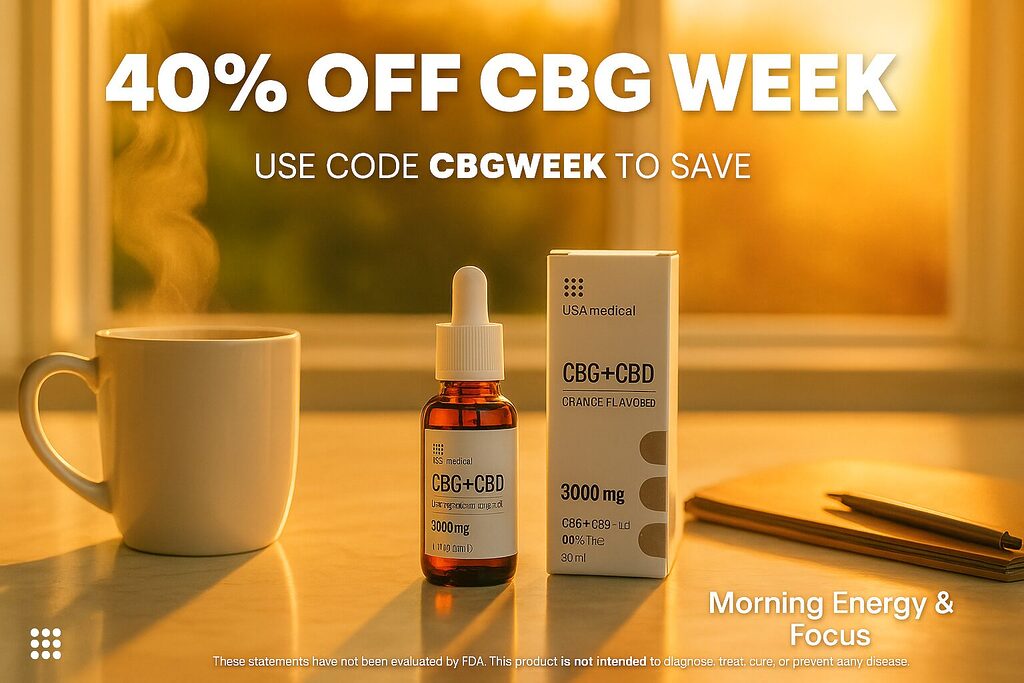
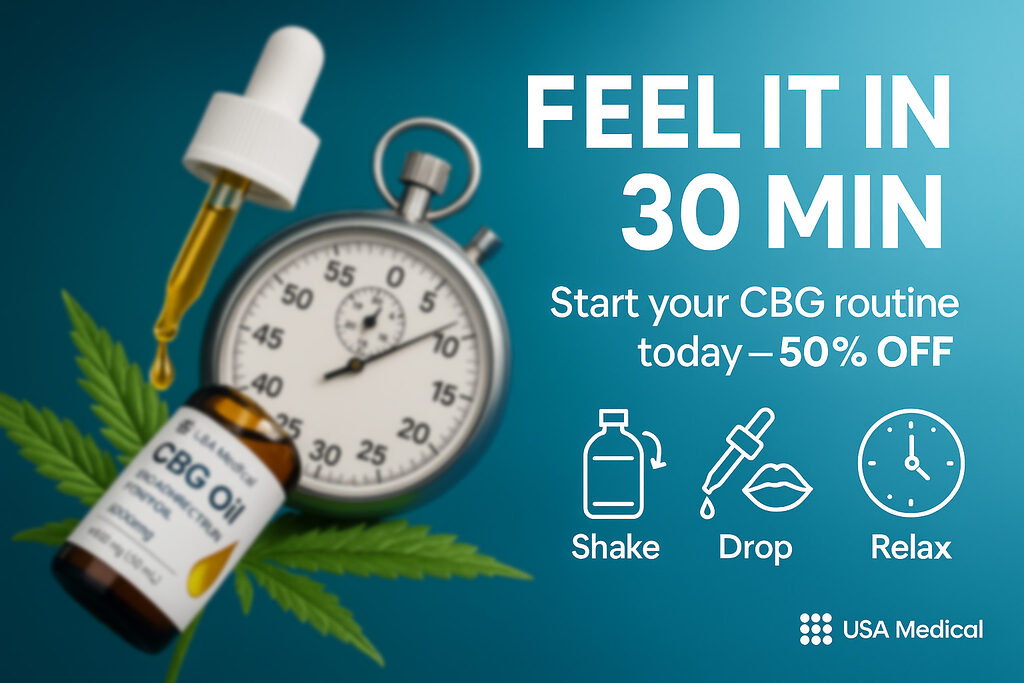
Why some people choose USA Medical CBG Oil
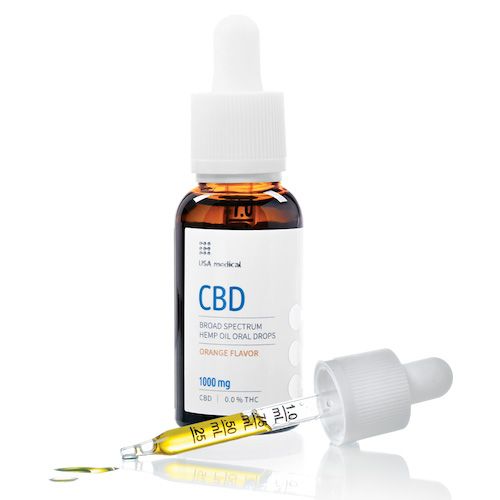
Based on the product positioning you provided, USA Medical CBG Oil emphasizes traceability, testing transparency, and a contaminant panel, exactly the kind of framework that aligns with the third-party COA standard shoppers should prioritize. The orange flavor and MCT carrier oil may also improve palatability for people who dislike natural hemp taste.
Sensible safety practices (without personal dosing advice)
Many tinctures suggest “start low and adjust gradually,” but the safest general practices are:
- Follow the label exactly.
- Avoid combining with alcohol or sedating medications unless a clinician says it’s safe.
- Ask a clinician/pharmacist about interaction risk, especially if you take blood thinners, anti-seizure medications, or drugs with narrow dosing windows.
Takeaway: Choosing a well-tested product and using it conservatively is the safest path, especially if you’re using it to support the endocannabinoid system rather than chase dramatic claims.
FAQ
1) Is CBG intoxicating?
Current evidence suggests it’s typically described as a non-intoxicating cannabinoid, and pharmacology work indicates it does not produce THC-like intoxication patterns. Human experiences can still vary by product composition and dose.
2) Why do people call CBGA the “stem cell” of hemp?
Because CBGA is a precursor in cannabinoid biosynthesis that can be converted into other cannabinoid acids as the plant matures—hence the “starting material” analogy.
3) Why is it called the mother cannabinoid?
The phrase mother cannabinoid refers to the idea that several cannabinoid families originate from that earlier precursor chemistry before converting into other forms.
4) Does it interact with the endocannabinoid system?
Yes. CBG has activity related to the endocannabinoid system and also appears to involve additional receptor targets beyond classic cannabinoid receptors.
5) What does research say about pain pathways?
Preclinical research suggests CBG may influence pain pathways and show antinociceptive effects in animal models, but that’s not the same as proven long-term pain outcomes in humans.
6) Is it good for focus and clarity?
If your goal is focus and clarity, a small human crossover study found short-term reductions in anxiety/stress and improved verbal memory compared with placebo—promising, but still early.
7) What might CBG oil replace in a routine?
Some people try CBG oil as a substitute for extra caffeine, end-of-day alcohol rituals, or low-transparency hemp products—especially when they’re seeking steadier daily support rather than a sedating effect.
8) What should I check before trying a product?
Look for a current third-party COA that matches your batch and shows potency plus contaminant testing. If you’re on prescription meds or managing chronic symptoms, review plans with a clinician.
Works Cited
- Tahir MN, et al. (2021). Review on cannabinoid biosynthesis and biochemistry.
- Battista N, et al. (2012). Overview of the ECS and its roles in physiology.
- Mendiguren A, et al. (2023). Receptor-related findings involving α2-adrenoceptors and 5-HT1A mechanisms.
- Cuttler C, et al. (2024). Double-blind crossover study on acute mood/stress outcomes and cognition.
- Borrelli F, et al. (2013). Murine colitis model findings relevant to gut inflammation pathways.
- Kim JH, et al. (2025). Preclinical inflammation model findings including COX-2 and iNOS changes.
- Rezende B, et al. (2025). Preclinical pain models showing antinociceptive effects.
- Zagzoog A, et al. (2025). Pharmacokinetics/pharmacodynamics work including intoxication comparisons to THC.
- U.S. FDA (2024–2025). Public guidance and enforcement actions on cannabis-derived product claims.
- MacCallum CA, et al. (2023). Clinical framework emphasizing COAs and contaminant testing.