Last updated: January 31, 2026
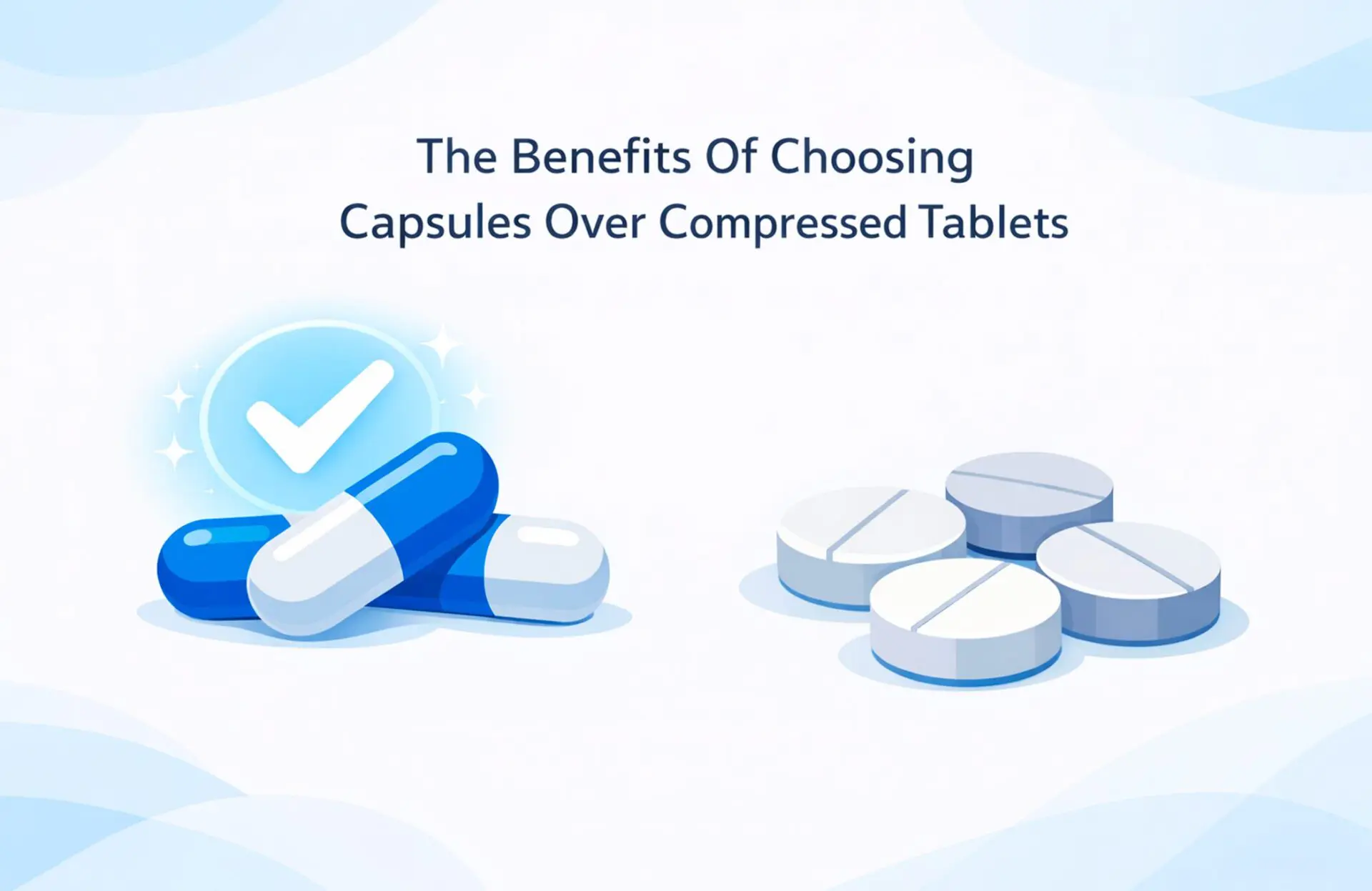
If you’ve ever stood in the supplement aisle debating between a capsule and a “compact” (compressed tablet), you’re not alone. The format you choose can affect comfort, ingredient options, and how consistently a product performs from batch to batch. While both forms can be effective, many people prefer capsule supplements for practical reasons, especially when they’re prioritizing a simpler ingredient profile and an easier daily routine.
This article explains the most common advantages of capsules, when tablets may still make sense, and why capsule format can be one (small but meaningful) reason some shoppers lean toward USA Medical products when comparing options.
Table of Contents
- What “compact” supplements usually means
- Why capsules can be easier to take consistently
- Ingredient and formulation advantages of capsules
- What to know about disintegration, consistency, and supplement absorption
- When tablets may be the better choice
- FAQ
- Works Cited
What “compact” supplements usually means
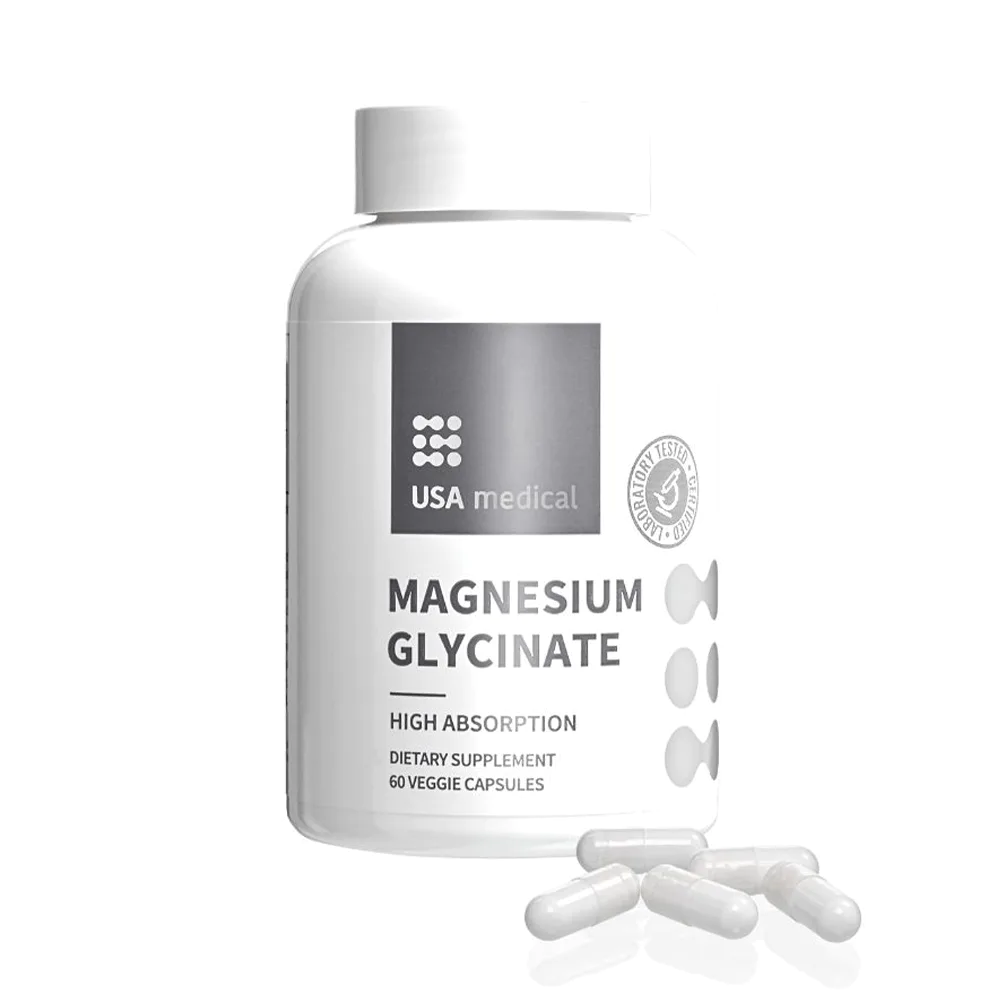
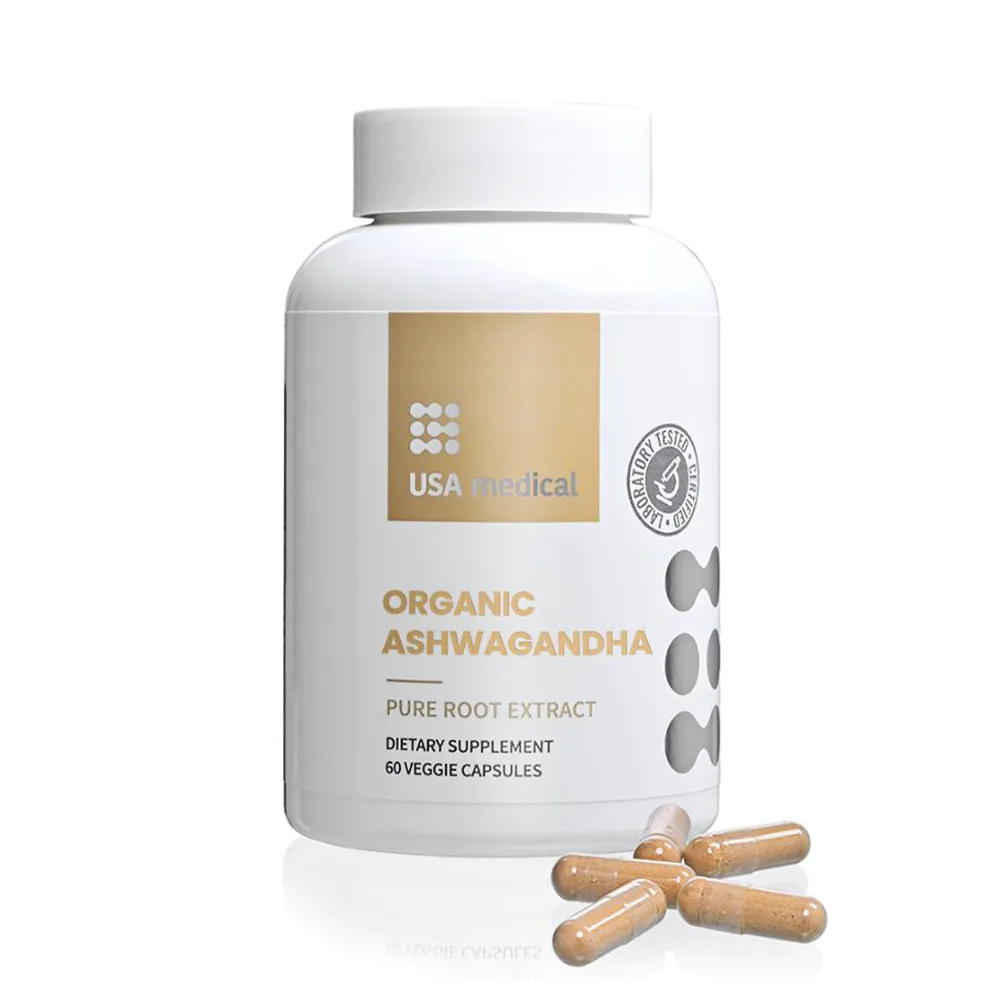
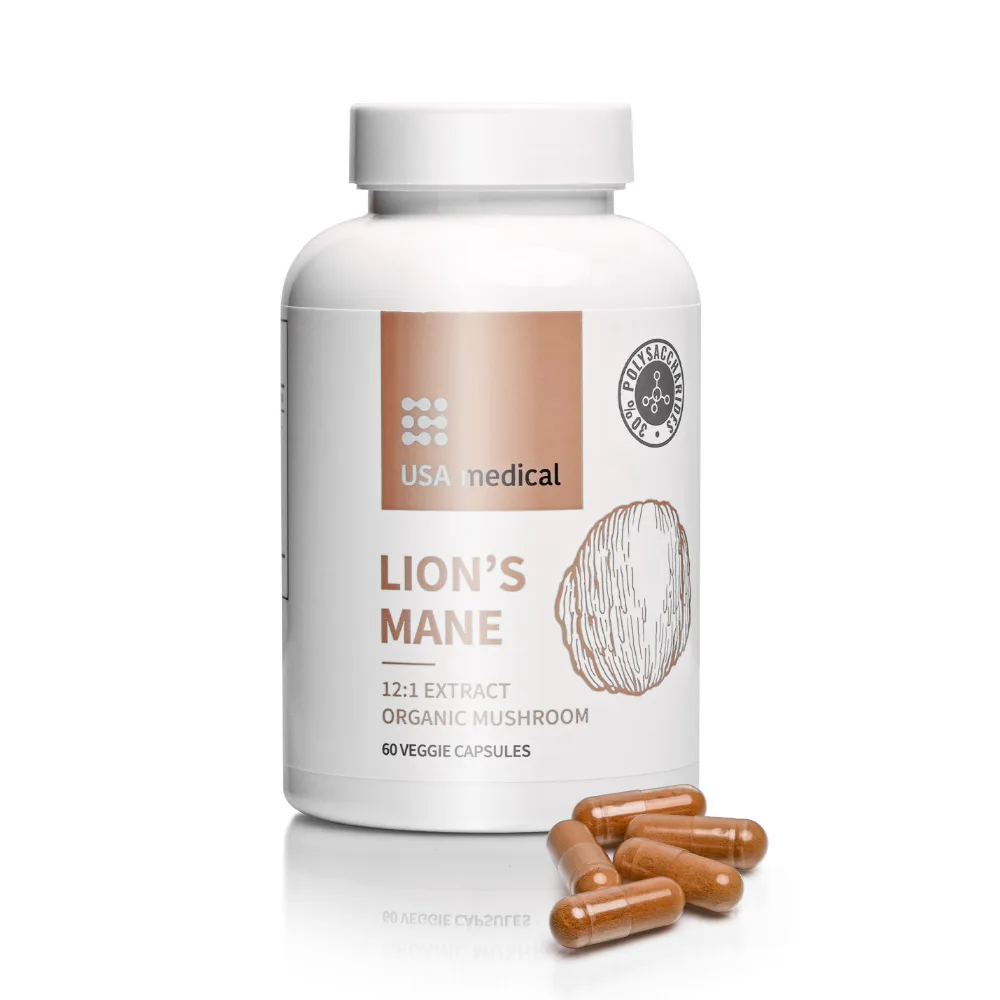
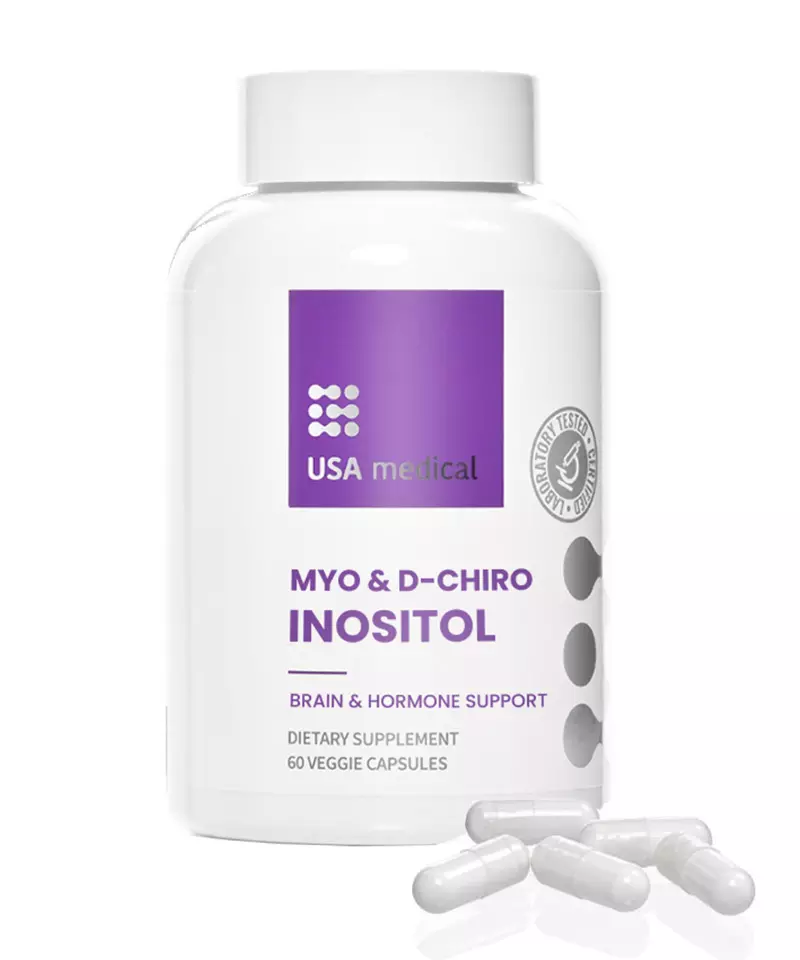
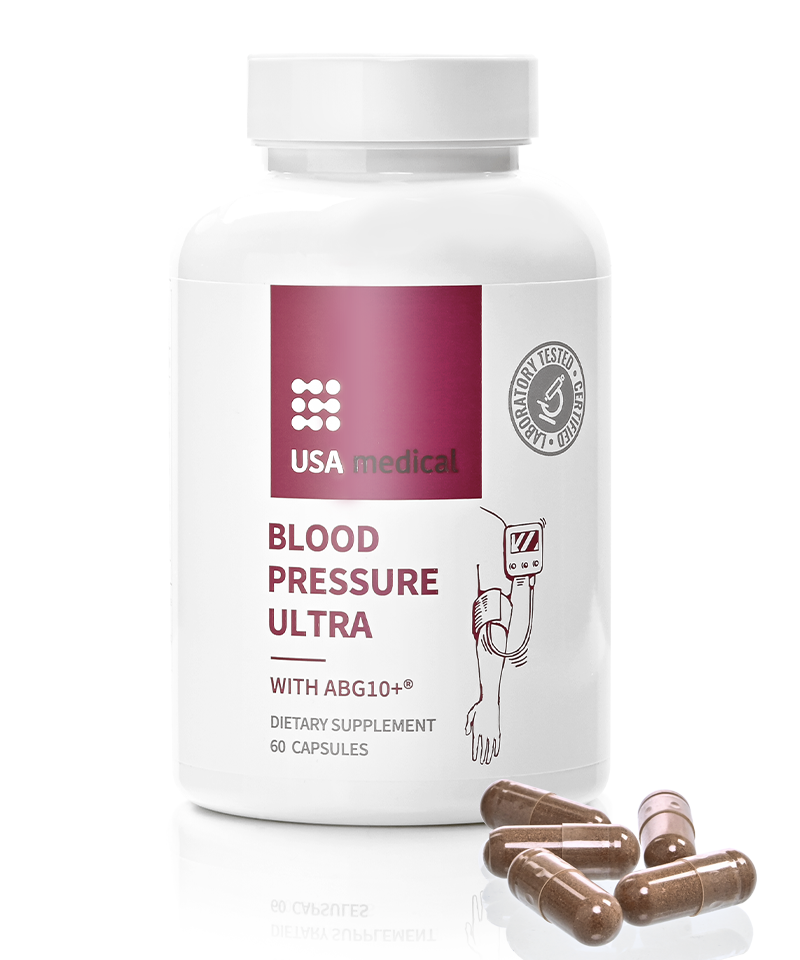
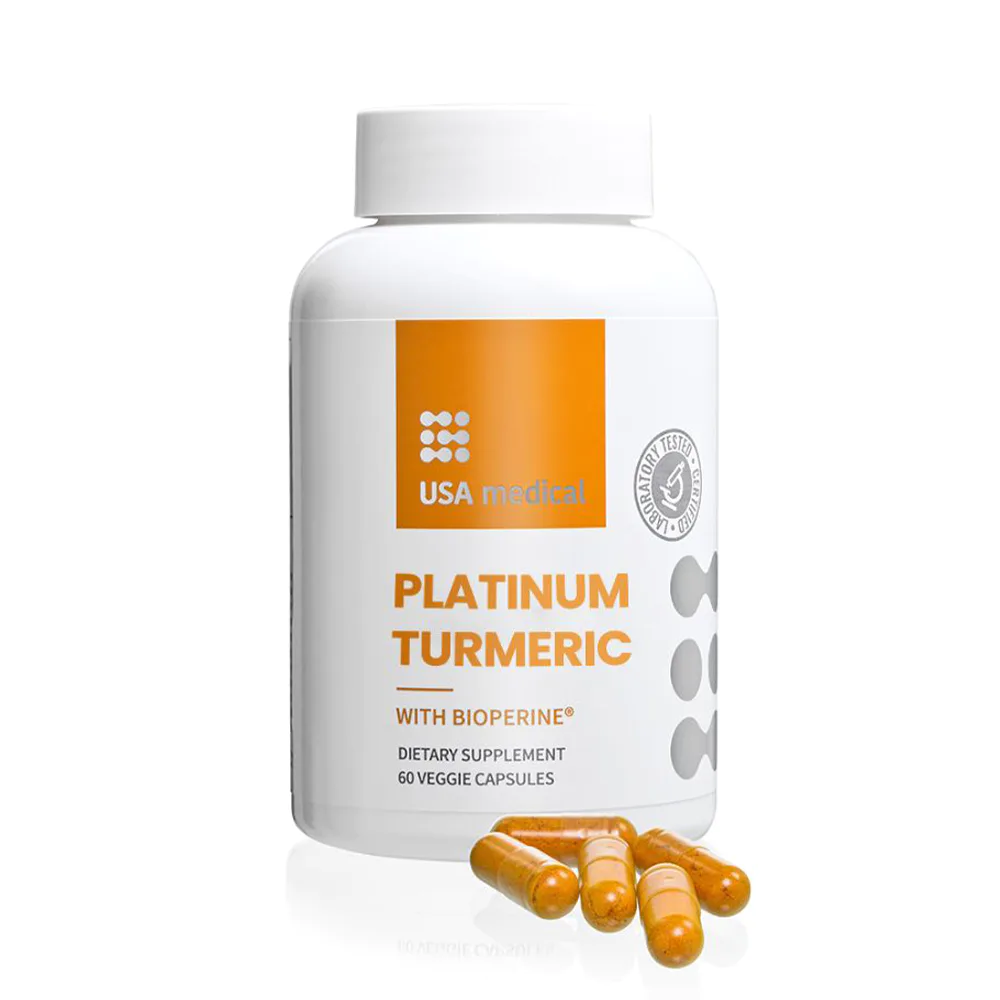
In everyday supplement talk, “compact” typically refers to compressed tablets, powdered ingredients pressed into a hard shape. In contrast, capsule supplements place powders (or sometimes liquids/oils) inside a shell. When people compare capsule vs tablet, they’re often comparing daily experience: swallowing comfort, taste, and “what else is in there” beyond the active ingredients.
Both forms can be high quality. The key is understanding the trade-offs so you can pick what you’re most likely to take correctly and consistently.
Takeaway: “Compact” usually means tablet, and the capsule vs tablet decision is often about comfort and formulation, not “good vs bad.”
Why capsules can be easier to take consistently
1) Comfort can drive consistency
A supplement only helps if you actually take it. Many people find easy-to-swallow capsules more comfortable than large tablets, particularly when taking multiple items daily. Swallowing difficulties are common enough that clinicians and researchers routinely discuss how pill size and shape affect adherence and everyday usability.
2) Less taste and smell “backlash”
Some nutrients and botanicals have strong tastes or odors. Capsules can help mask that because the ingredient doesn’t sit exposed on the tongue the way some tablet supplements can. This is especially helpful for fish-oil-like aromas, certain minerals, and herbal blends, where “taste fatigue” is real.
3) A simpler routine for “multi-supplement” users
If you’re someone who stacks several products, easy-to-swallow capsules can make the habit feel less like a chore. That’s a practical reason many consumers prefer capsule supplements for daily wellness routines.
Takeaway: For many people, the “best” form is the one they’ll reliably take, and easy-to-swallow capsules often win on day-to-day comfort.
1) Capsules can support a “cleaner” label approach
Many tablets require binders and other processing aids to hold their shape. That doesn’t automatically make tablets “bad,” but it can make it harder to keep formulas minimal. Capsules often make it easier to aim for fewer fillers, especially in simpler single-ingredient products, because the shell is doing the containment work rather than compression. (Not always, but often.)
If you’re scanning labels and trying to reduce extras, fewer fillers is a common reason people choose capsule supplements over tablet supplements.
2) More flexibility for delicate or specialized ingredients
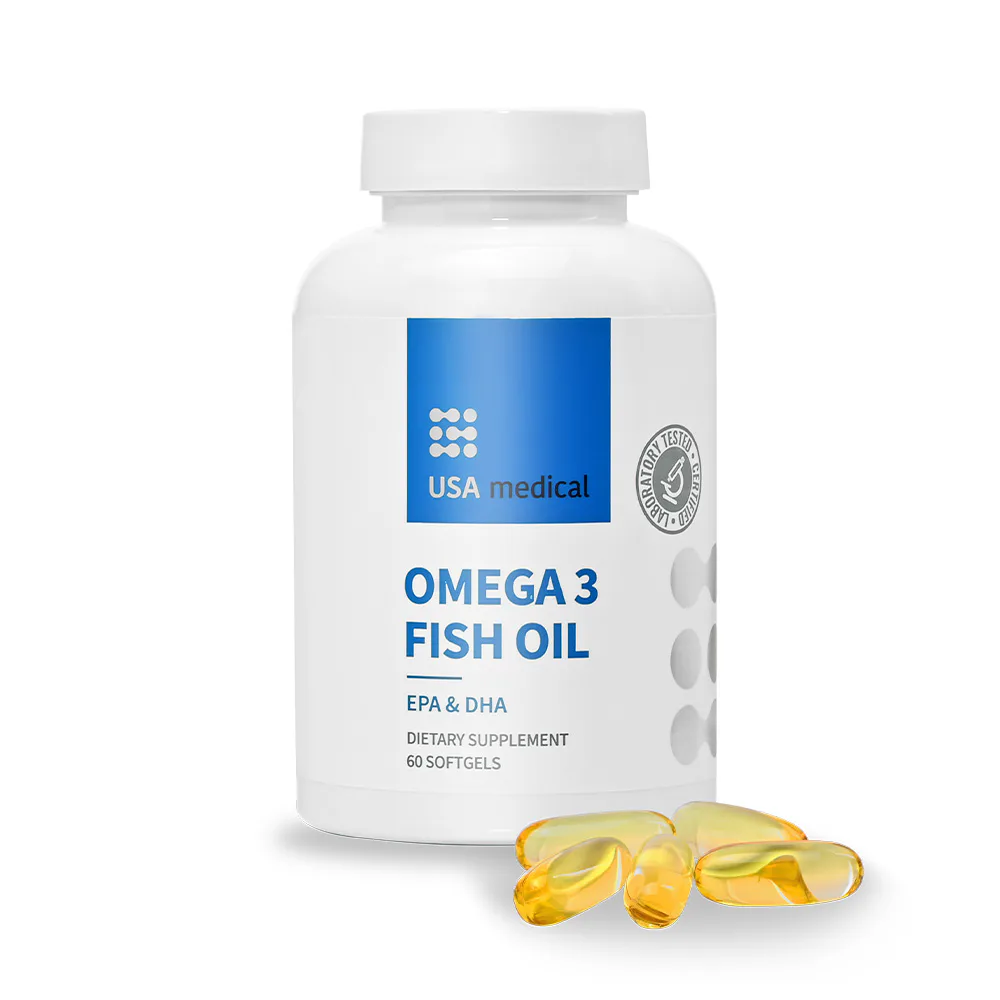
Some ingredients are easier to formulate in capsule form than in a tablet press. Capsules can accommodate a wider range of capsule ingredients, including powders that don’t compress well and, in the case of softgels, oils or lipid-based compounds. That flexibility can matter when brands are prioritizing stability or a specific user experience.
3) Less “chalky” experience
Tablets can leave a chalky texture if they begin breaking down before swallowing (or if they stick slightly). Capsules usually avoid that sensation, which again ties back to consistency and preference in the ongoing capsule vs tablet debate.
Takeaway: Capsules can be friendlier for minimal formulas and flexible capsule ingredients, which is why many shoppers associate capsules with fewer fillers.
What to know about disintegration, consistency, and supplement absorption
1) Disintegration is real, and it’s measurable
Disintegration is the step where a tablet or capsule breaks apart in liquid so the contents can be released. Pharmacopeial standards describe standardized disintegration testing methods for tablets and capsules.
For dietary supplements specifically, pharmacopeial guidance also discusses disintegration and dissolution considerations for tablets and capsules.
2) Capsules may disintegrate differently than tablets
Because tablets are compressed, they may rely more heavily on how they’re formulated (binders, compression force, coatings) to break apart consistently. Capsules rely on the shell opening and releasing the contents. Many consumers interpret this as capsules “working faster,” but the honest answer is: it depends on the ingredient, the formulation, and the person.
That said, capsule dissolution is often part of why people perceive capsules as “gentler” or “more straightforward” to take. When brands prioritize testing and consistency, that supports more predictable performance.
Even if a product disintegrates perfectly, supplement absorption depends on:
- the nutrient form (for example, different mineral salts),
- whether it’s fat-soluble,
- the presence of food,
- and individual GI factors.
So, while capsule dissolution can be a practical advantage, it isn’t a guarantee of superior supplement absorption in every scenario. A well-made tablet can perform very well, especially when backed by quality supplement manufacturing and appropriate testing.
Takeaway: Capsules can offer reassuring simplicity with capsule dissolution, but supplement absorption still depends on the ingredient and formulation quality.
When tablets may be the better choice
To keep the capsule vs tablet comparison fair: tablets have advantages.
- Cost and durability: Tablets can be cheaper to produce and are often very stable on the shelf.
- Split dosing: Some tablets can be split (only if designed for it), which may matter for certain users.
- Chewables or orally disintegrating options: Some people prefer chewables, though that’s a separate category from standard tablet supplements.
If a specific product only exists as a tablet, or if you want a chewable format, tablets can be a smart pick, again, assuming strong quality supplement manufacturing and transparent labeling.
Takeaway: Tablets can be practical and economical; quality matters more than format alone.
People choose brands for lots of reasons: transparency, testing, sourcing, and how the product fits into daily life. Capsule-based options can be a deciding factor because shoppers associate capsule supplements with fewer fillers and a smoother routine, especially for those who prioritize easy-to-swallow capsules and straightforward capsule ingredients.
That’s one reason some consumers may choose USA Medical products over others when comparing similar formulas: capsule format can feel simpler, easier to keep up with, and more aligned with a “clean label” preference (alongside broader expectations around quality supplement manufacturing).
Takeaway: Format won’t replace good testing and good sourcing, but it can be the tie-breaker that nudges someone toward USA Medical products.
FAQ
1) Are capsule supplements always better than tablet supplements?
Not always. The best choice depends on the ingredient, how the product is made, and what you’ll actually take consistently. The capsule vs tablet decision is often about comfort and formulation.
2) Do capsules improve supplement absorption?
Sometimes, but it’s not guaranteed. Supplement absorption depends on nutrient form, food, and individual factors. Capsule dissolution can help with release, but absorption is bigger than the delivery form.
3) Why do people say capsules have fewer fillers?
Tablets often need binders and other processing aids to maintain shape. Capsules may allow fewer fillers, but it varies by brand and formula—always check the Supplement Facts panel and “Other Ingredients.”
4) What makes capsules easier for some people to take?
Many users report easy-to-swallow capsules feel smoother than hard tablets, and research on swallowability discusses how size/shape can affect real-world use.
5) What should I look for besides capsule vs tablet?
Look for transparent labeling, appropriate testing, and signs of quality supplement manufacturing. For dietary supplements, remember that labels and claims are regulated differently than drugs.
6) Are supplements FDA-approved?
Dietary supplements are not approved like prescription drugs. The FDA regulates supplements under a different framework, and products cannot legally be marketed to treat, prevent, or cure diseases.
7) What is the DSHEA disclaimer I see on labels?
It’s the required disclaimer for certain structure/function claims, stating the claim hasn’t been evaluated by the FDA and the product is not intended to diagnose, treat, cure, or prevent disease.
8) Is capsule dissolution something brands can test?
Yes. Disintegration methods exist for tablets and capsules, and guidance also addresses dietary supplement dosage forms.
Works Cited
- U.S. Food & Drug Administration (FDA). “Questions and Answers on Dietary Supplements.”
- FDA. “Letter to the Dietary Supplement Industry on the DSHEA Disclaimer.”
- FDA. “Structure/Function Claims.”
- United States Pharmacopeia (USP). General Chapter 〈701〉 Disintegration.
- USP. General Chapter 〈2040〉 Disintegration and Dissolution of Dietary Supplements (revision document).
- Asano M, et al. “Factor Analysis of Patients Who Find Tablets or Capsules Difficult to Swallow…” (PubMed).
- Kasashi K, et al. Study on swallowability and physical attributes of capsules/tablets (ScienceDirect).
- Hospital Pediatrics. “Hard to Swallow: A Review of Interventions to Improve…”