Last updated: February 2, 2026
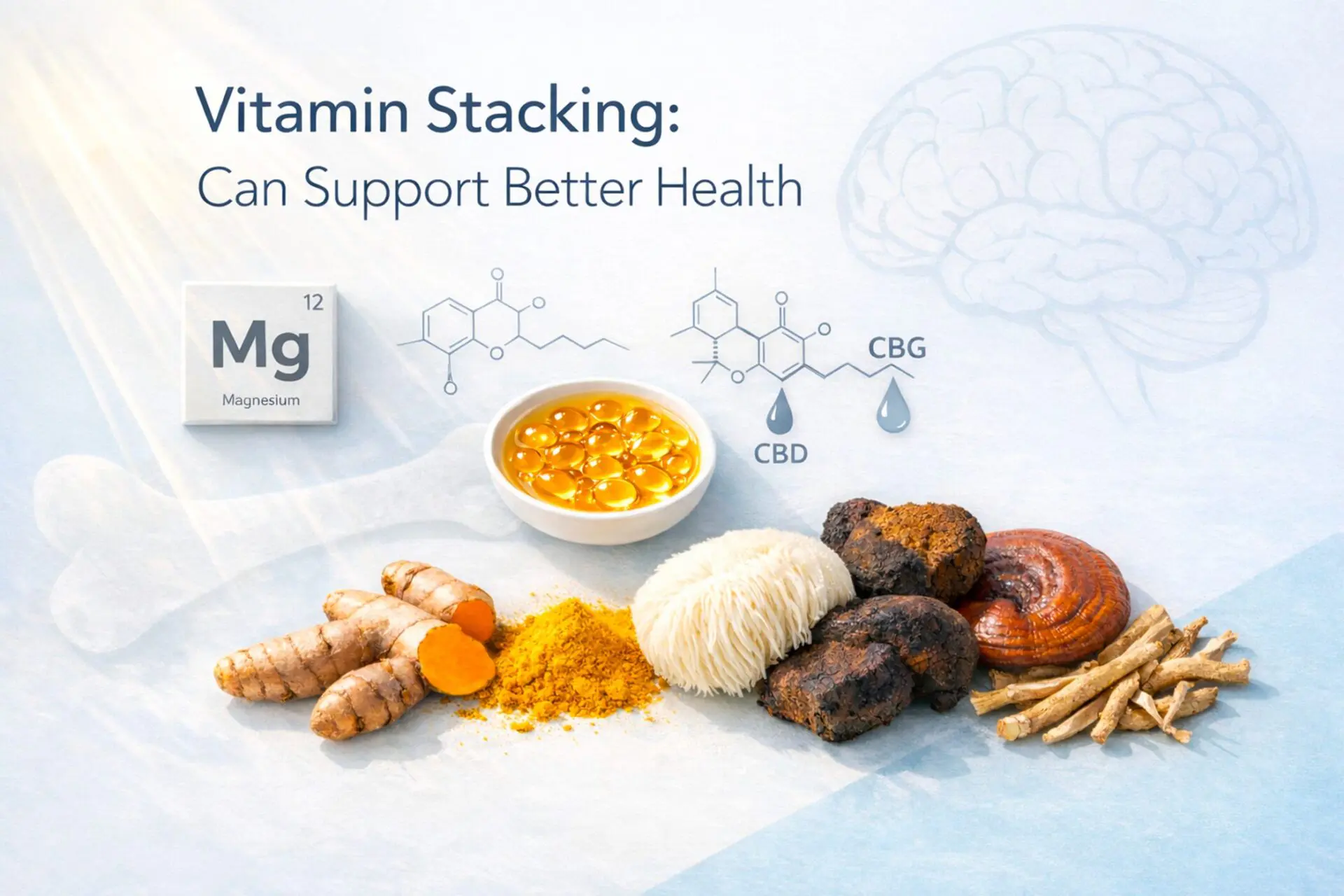
Pairing supplements on purpose, rather than taking a random handful, can make your routine feel simpler and more effective. That’s the core idea behind vitamin stacking: combining ingredients that may complement each other’s absorption, timing, or “job” in the body.
Table of Contents
- What stacking can (and can’t) do
- The 6 stacks: focus, calm, recovery, and “steady energy”
- Safety and interaction checkpoints
- How to build a stack you’ll actually stick with
- FAQ
- Works Cited
What stacking can (and can’t) do
Good stacking is about synergy and simplicity, not mega-lists. The goal of supplement stacking is to select a small set of ingredients that match your intent, like focus, calm, or recovery, while keeping safety front and center.
A few realities that are easy to forget:
- Botanicals and mushrooms can vary widely by species, extraction, and quality.
- Some “absorption boosters” can also boost medication levels.
- More ingredients = more chances for side effects or interactions.
In other words: the best routines are usually the ones you can explain in one sentence, and stop quickly if something feels off.
The 6 stacks: what they may do and why they’re paired
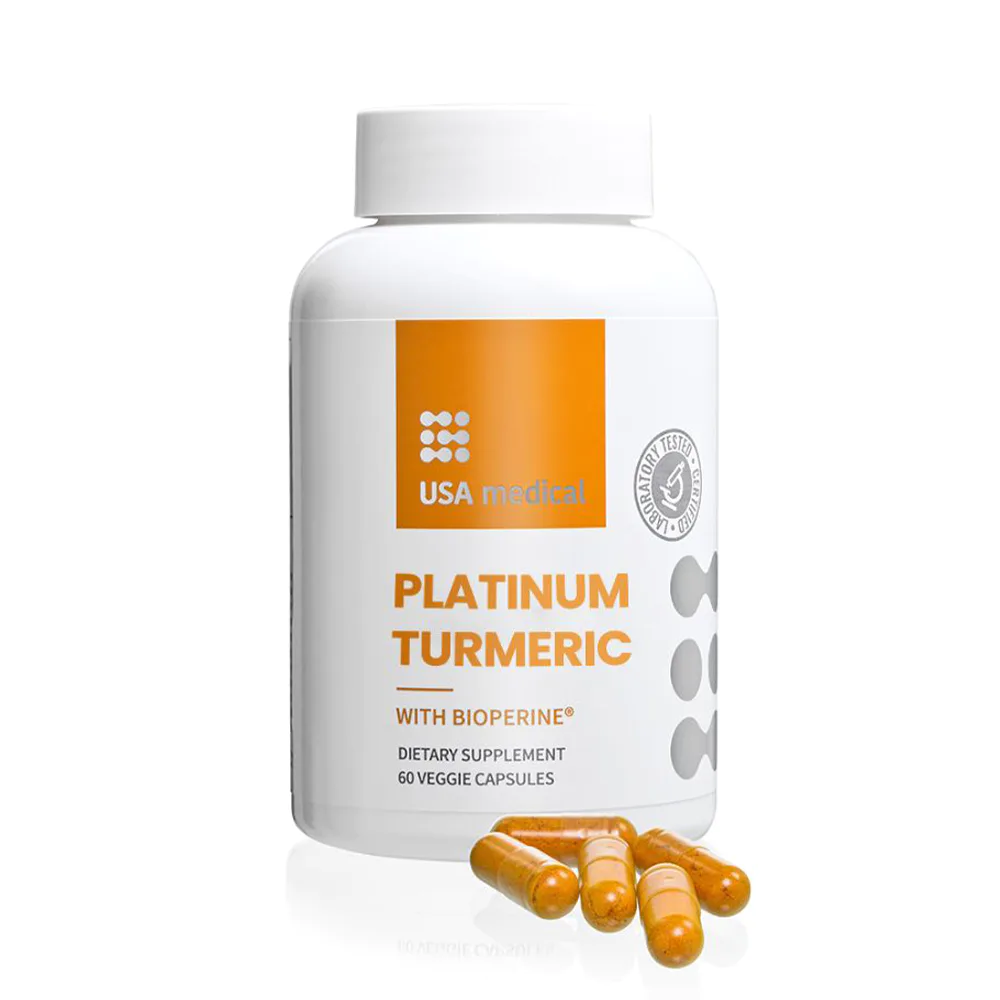
1) Turmeric + Black Pepper (or BioPerine) for recovery support
May support: recovery / joint comfort
The pairing of turmeric and black pepper is one of the clearest examples of “stacking logic.” Curcumin (a key compound in turmeric) has naturally low bioavailability, and piperine (from black pepper) has been shown to enhance curcumin absorption in human research.
If you want a standardized version of black pepper extract, BioPerine is commonly used for this purpose, still piperine, just measured and consistent.
Takeaway: This is a “recovery stack” that’s popular because the pairing is about absorption, not hype. Turmeric and black pepper can be a sensible combo, but it’s also a combo where interactions matter most.
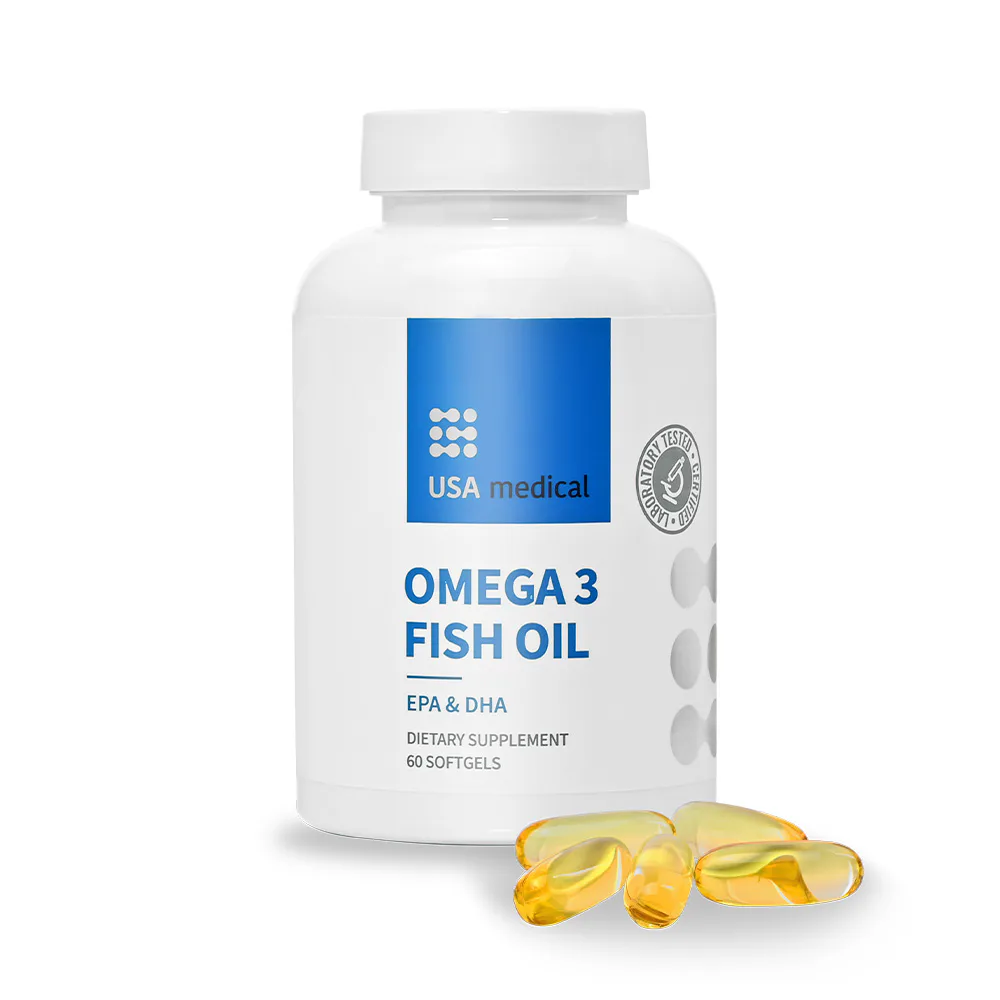
2) Omega-3 + Turmeric for recovery + heart-friendly routines
May support: recovery / heart support
This stack is popular for people who want a “two-lane” approach: a nutrient often used in heart-focused routines plus a botanical used in recovery-focused routines. The NIH’s Office of Dietary Supplements summarizes evidence that omega-3s have established use for specific outcomes (like triglycerides), with mixed results for others depending on the population and outcome studied.
Turmeric may be reasonable for short-term use for many adults, but it can cause GI side effects and has interaction considerations.
Takeaway: Keep this stack “boring and consistent,” not aggressive or experimental. The strength here is that omega-3 is well-described in reputable summaries, while turmeric is best treated as optional support.
3) Lion’s Mane + Omega-3 for focus and brain-friendly habits
May support: focus / mental clarity
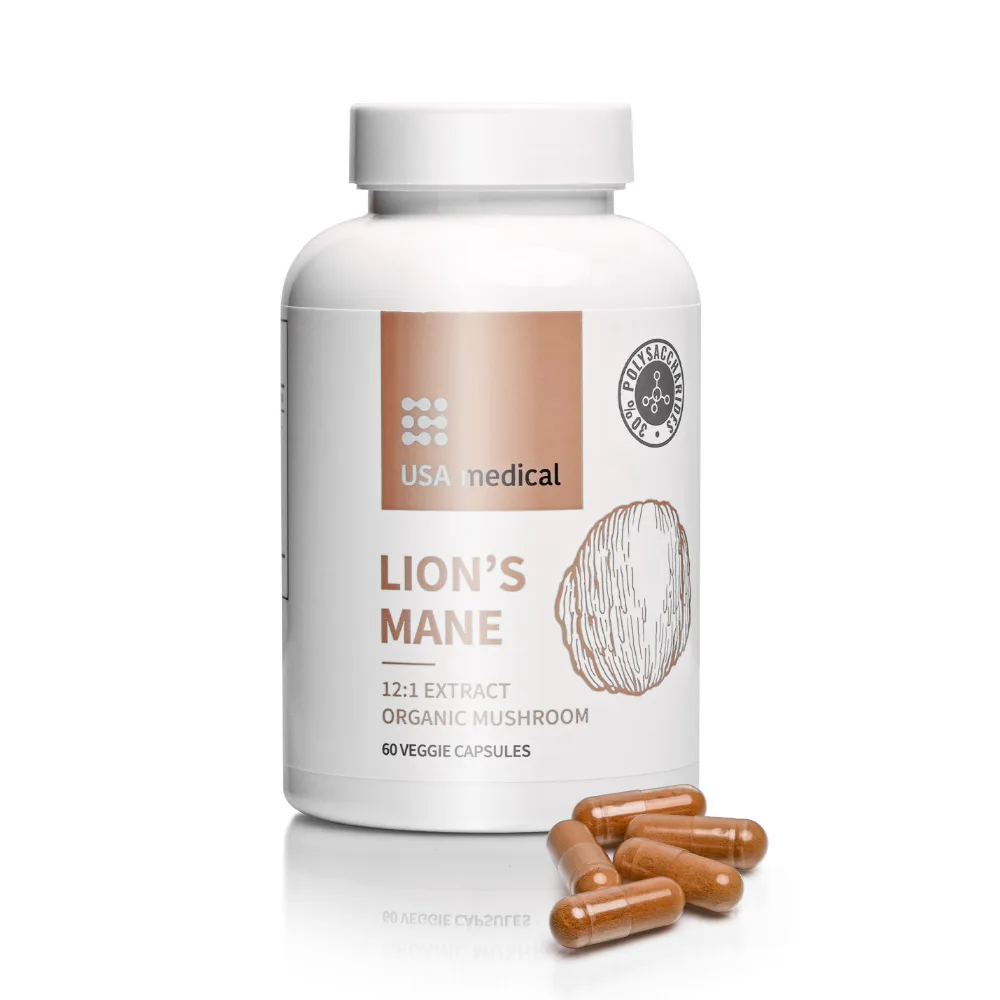
If you’re building a focus routine, lion’s mane is one of the most discussed functional mushrooms. Human research is still developing: a 2023 randomized trial suggested possible benefits in certain cognitive tasks and stress measures, while emphasizing limits like sample size and the need for more research.
Pairing it with omega-3 is a common “brain-and-heart-friendly habits” approach (again, with evidence depending on the outcome).
Takeaway: Think of this as a “support the routine” stack, good sleep, movement, and nutrition still do most of the heavy lifting. Lion’s mane is promising but not proven; combining it with omega-3 is a conservative way to keep your stack grounded.
4) Reishi + Ashwagandha for calm and winding down
May support: calm / stress support
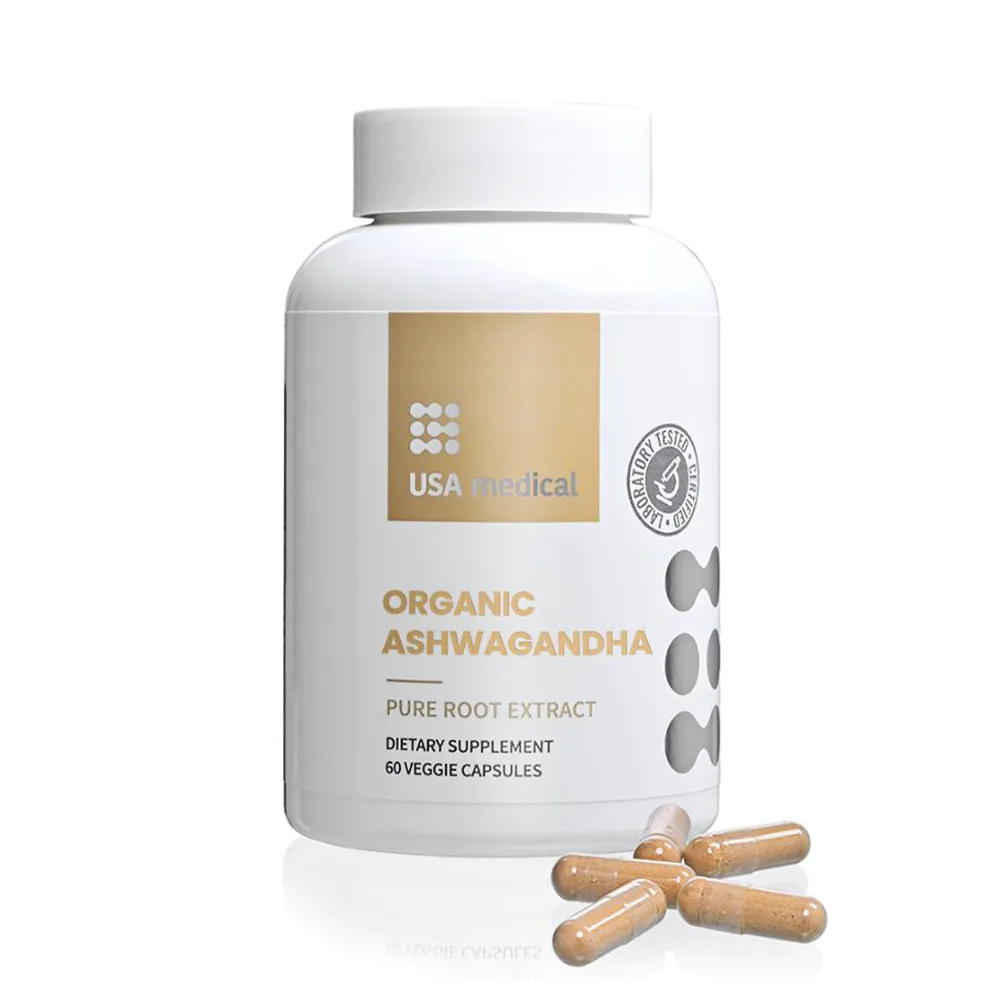
This is one of the most common “evening” pairings: reishi (often used in calm/bedtime routines) plus ashwagandha (an adaptogen with human data suggesting potential stress-related benefits in some people).
Safety matters here. The National Center for Complementary and Integrative Health notes ashwagandha may be safe short-term for many people, but long-term safety is unclear and there have been rare reports linking it to liver injury.
For reishi, LiverTox reports clinically apparent liver injury appears extremely rare given widespread use, but case reports exist, especially with certain preparations.
Takeaway: This is not a “more is better” stack. It’s a “start low, keep it simple, watch for side effects” stack. Reishi can fit a calm routine, but it should be treated with the same respect as any bioactive supplement.
5) Chaga + Lions Manw for “steady energy” and resilience-style routines
May support: balanced energy (not stimulant) / general wellness
People often describe this pairing as “steady” rather than energizing like caffeine.
Takeaway: If you choose chaga, treat it as an occasional tool, not an “all day, every day” default. Pairing chaga with lions mane is common, but it’s best approached conservatively.
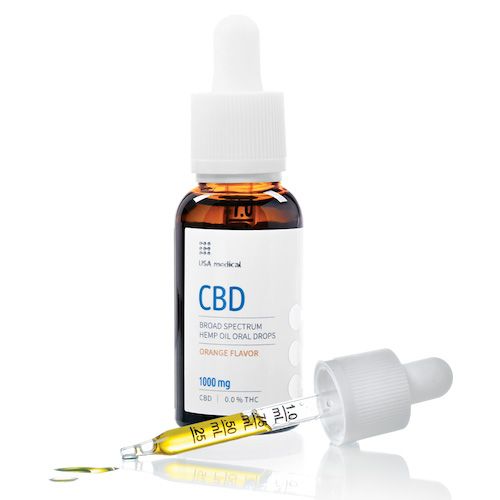
6) CBD and CBG + Magnesium for wind-down support
May support: calm / relaxation / bedtime routine
This is the stack that deserves the most caution. The U.S. Food and Drug Administration warns that CBD can cause liver injury, can affect how other drugs work, and can increase sedation when combined with alcohol or other sedating substances. The NCCIH also notes CBD-related side effects, potential liver injury, and drug interactions.
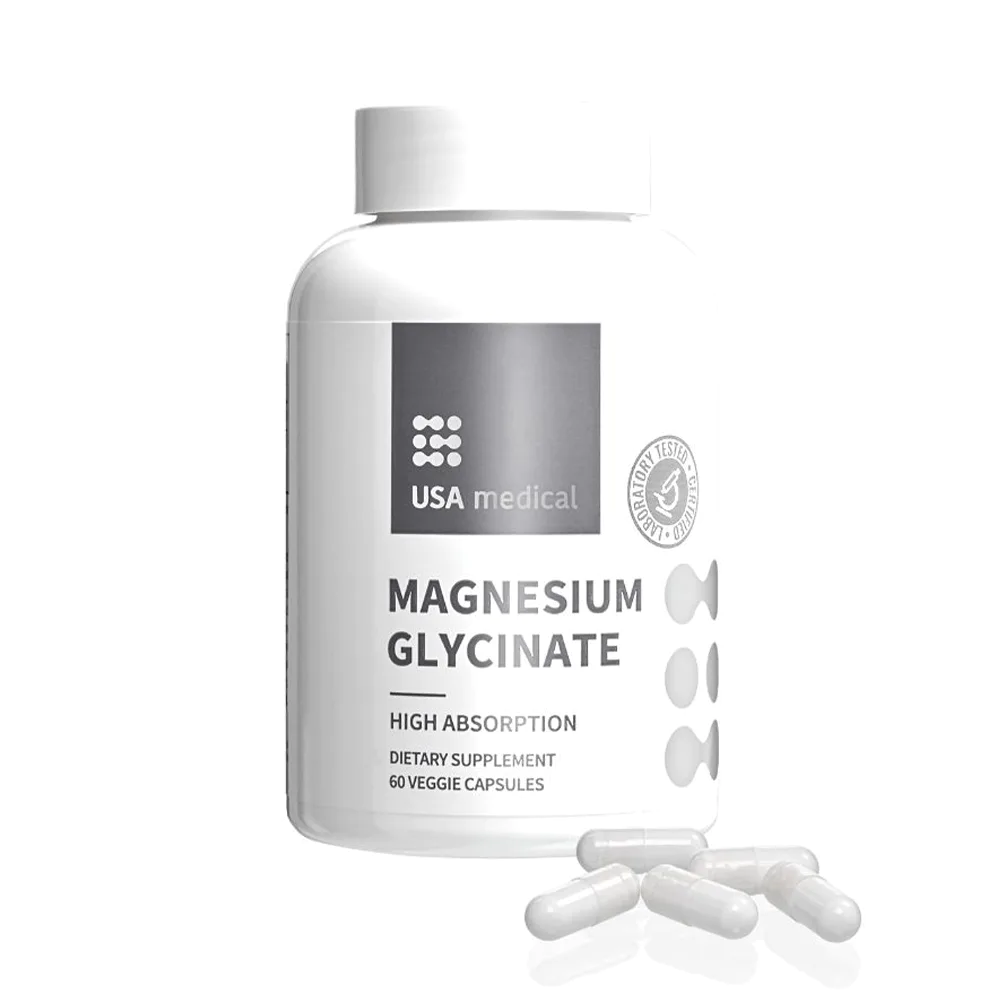
Adding magnesium is common in relaxation routines because it’s involved in muscle and nerve function, and the NIH ODS consumer fact sheet covers its roles and supplement considerations.
Takeaway: Keep this stack “slow and cautious,” especially if you take prescriptions or have liver risk factors. CBD and CBG may be appealing for wind-down routines, but safety and medication interactions come first.
Safety and interaction checkpoints
This is where supplement stacking either becomes responsible, or becomes risky.
The “interaction magnets” in your list
- Absorption boosters: BioPerine (piperine) can alter drug metabolism; warfarin interaction research exists and is still being studied.
- Cannabinoids: CBD and CBG products can have variable quality and meaningful drug interaction potential; CBD is specifically flagged by FDA and NCCIH for liver injury risk and drug interactions.
- Organ-risk signals: chaga has kidney injury reports with excessive intake; reishi and ashwagandha have rare liver injury reports.
Red-flag symptoms (stop and get medical help)
Seek urgent care if you develop:
- Yellowing skin/eyes, dark urine, severe fatigue (possible liver issue)
- Severe flank pain, markedly reduced urination (kidney concerns)
- Severe allergic reaction symptoms (swelling, hives, trouble breathing)
How to build a vitamin stacking routine you’ll actually keep
A useful vitamin stacking plan is simple enough to repeat and safe enough to stop without drama.
Step 1: Choose one primary goal
Pick one:
- Focus
- Calm
- Recovery
- “Steady energy”
Step 2: Start with one stack for 2–4 weeks
For many people, that means starting with either:
- the turmeric and black pepper pairing for recovery, or
- a basic relaxation routine anchored by magnesium
Step 3: Add only one variable at a time
If you change two things at once, you’ll never know what helped, or what caused side effects.
Step 4: Keep a “meds and conditions” list
Bring it to a pharmacist if you’re considering BioPerine or CBD and CBG, since interactions are a bigger deal with those categories.
Takeaway: The best vitamin stacking is structured, minimal, and easy to pause.
FAQ
1) Is vitamin stacking the same as supplement stacking?
They’re often used interchangeably. vitamin stacking usually emphasizes nutrients, while supplement stacking may include botanicals, mushrooms, and cannabinoids too. The safety principles are the same.
2) Why is turmeric paired with black pepper so often?
Because turmeric and black pepper is primarily an absorption strategy: piperine can increase curcumin bioavailability in human studies.
3) Is BioPerine different from black pepper?
BioPerine is a standardized black pepper extract (piperine) designed for consistency. It may be convenient—but it’s also more likely to raise interaction concerns than culinary black pepper.
4) What’s the most evidence-backed item on this list?
omega-3 has the most robust federal summaries for specific outcomes like triglycerides, with mixed findings for other endpoints depending on context.
5) Does lion’s mane actually help focus?
lion’s mane has early human research suggesting possible benefits in certain cognitive tasks and stress measures, but results are not definitive and larger studies are needed.
6) Why do people stack reishi at night?
Many people use reishi in nighttime routines for its traditional “calm” association. Liver injury appears very rare overall, but case reports exist, so monitor your response and avoid combining with other liver stressors.
7) Is chaga safe to use daily?
With chaga, the concern is high/excessive intake: kidney injury from oxalate nephropathy has been reported in the medical literature. If you have kidney disease or a stone history, talk to a clinician first.
8) What should I know before trying CBD and CBG with other supplements?
CBD and CBG products vary widely, and CBD is flagged by FDA and NCCIH for potential liver injury and drug interactions, especially with sedatives and alcohol. If you take prescriptions, get pharmacist input before stacking.
Works Cited
- Office of Dietary Supplements. Omega-3 Fatty Acids — Consumer Fact Sheet.
- Office of Dietary Supplements. Magnesium — Consumer Fact Sheet.
- National Center for Complementary and Integrative Health. Turmeric: Usefulness and Safety.
- National Center for Complementary and Integrative Health. Ashwagandha: Usefulness and Safety.
- U.S. Food and Drug Administration. Consumer update on products containing cannabis and CBD.
- National Center for Complementary and Integrative Health. Cannabis and Cannabinoids: What You Need to Know.
- LiverTox (NIH). Lingzhi/Reishi (Ganoderma) and liver injury overview.
- Prasad et al. Review discussing piperine-enhanced curcumin bioavailability.
- Kwon et al. Chaga mushroom–induced oxalate nephropathy case report.
- Docherty et al. Human trial on Hericium erinaceus (lion’s mane) and cognitive/stress measures.