
Using CBD Topically: Balm for Irritated Skin
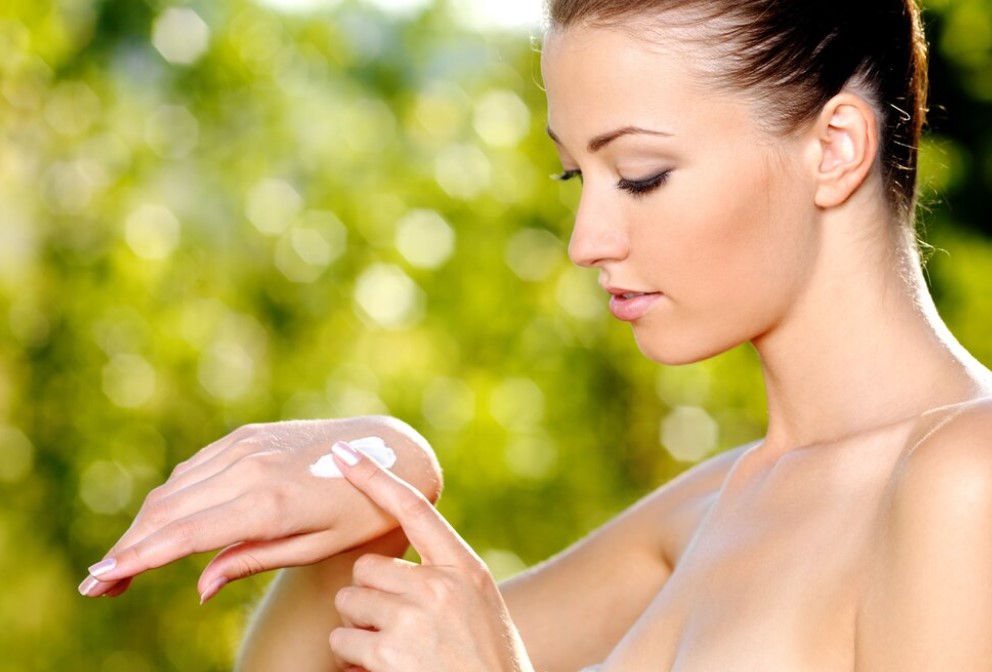
Here’s a quick overview of CBD balm, how it’s used, and what to look for on the label.
- Learn how CBD is used on the skin.
- We review some research findings on CBD and skin.
- You’ll learn how to choose and apply CBD products made for topical use.
You may have heard about topical CBD, but how is it used in skin care? In this article, we look at what current research says and how people commonly use CBD products designed for external use.
The effects of CBD oil
CBD (cannabidiol) is one of many cannabinoids found in the cannabis plant. THC, another well-known cannabinoid, is the one most often associated with intoxicating effects. CBD is non-intoxicating, meaning it does not cause mind-altering effects. Different cannabis varieties contain different levels of cannabinoids. Hemp usually contains more CBD and very little THC, which is why many CBD oils come from industrial hemp. The body also has a network of receptors and neurotransmitters called the endocannabinoid system (ECS), which researchers continue to study.
Tip: Want to learn more about cannabidiol research? In our article, What Is CBD? What Is CBD Oil Good For?, we cover the basics, from how CBD is made to how it’s used.
Using CBD on skin
You may hear people talk about CBD creams, balms, and ointments for skin care. So what does the research actually say? Studies on topical CBD are still limited, and it’s too early to make firm conclusions.
What Is CBD Cream? A Quick Overview
Many studies have looked at topical CBD and how it may interact with the skin. We’ll go into those findings in more detail below.
CBD and skin care
Skin research has explored how CBD may interact with oil-producing skin cells. A 2014 study looked at CBD and sebum production, and another examined a CBD-enriched ointment in a clinical setting.
Explore CBD Oil Products
Browse here: CBD OIL ONLINE SHOP
CBD and dry skin
A study published in 2019 explored CBD in a topical formulation.
CBD and skin concerns
Another 2019 study examined a THC-free, CBD-enriched ointment in a topical setting.
CBD oil for external use
Can you apply CBD oil to the skin? You can, but it may not be the best choice for topical use. CBD oil is usually made for oral use, so its other ingredients may not be ideal for skin. A product designed specifically for external use is often the better option.
Topical products, designed to be applied directly to the skin, contain plant extracts and nourishing ingredients. If you choose a reliable product, look for a tested product that states the declared amount of active ingredient on the packaging. If THC-free matters to you, check the label before you buy.
Types of CBD balms
Let’s look at the different types of CBD balms. Topical CBD comes in several formats, so it’s easy to compare options and choose the one that fits your routine.
CBD cream, CBD ointment, and CBD gel
CBD creams and ointments can be practical options for larger areas and can be part of a daily skin-care routine.
- CBD cream: Light texture, fast absorption
- CBD ointment: Thicker consistency, intensive hydration
- CBD gel: A lighter texture that spreads easily on the skin
Each type of CBD balm has its own advantages, so choose the one that matches your skin type and personal preferences.
CBD buying guide: what to know first
- Still have questions about CBD Oil? Learn how it works.
Learn more about how CBD Oil works.
Looking for the right product but not sure where to start? We’ll help you compare our range and choose the CBD Oil that fits your needs.
And when you’re ready to shop, browse our full CBD Oil collection of carefully curated, lab-tested products.
How to use CBD balm
CBD balms are meant for topical use, and proper application matters.
CBD Balm Side Effects: What to Know
In this section, we review possible side effects and give general guidance on how topical CBD balm is commonly used.
CBD balm side effects: What to watch for
Some people may experience skin irritation or sensitivity.
- Skin irritation
- Possible skin irritation or sensitivity
- Dry skin
Before using a CBD balm for the first time, try a small patch on a limited area of skin and watch for any reaction for a few hours. If you don’t notice irritation, you can continue using it as directed.
How much CBD balm to use
How much CBD balm you use depends on the product’s CBD concentration and the size of the area you plan to cover. Here’s a general guideline:
|
CBD concentration |
For small areas |
For larger areas |
|
High concentration: above 400 mg |
Use a pea-sized amount. |
A small amount, about the size of a hazelnut |
Always follow the directions on the product packaging, and contact a healthcare professional if you have questions.
How to apply CBD balm
Applying CBD balm is simple. Here’s a quick overview:
- Wash and dry the area first.
- Take a small amount of balm from the package.
- Gently massage the balm into the skin using circular motions.
- Let the active ingredients absorb.
- Repeat as needed, 2-3 times daily.
Now that we’ve covered the basics, here’s how to choose a CBD balm.
What is CBD?
All essential information in one place!
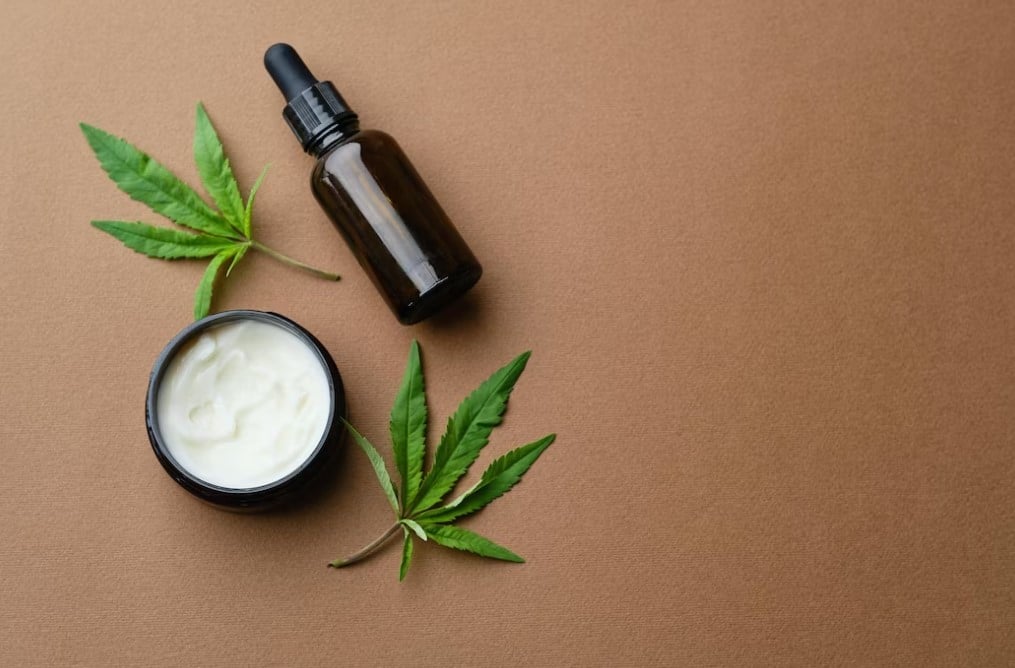
Buying CBD balm – Important considerations
CBD balm price: Compare value and ingredients
Price matters when you’re choosing a CBD balm, but value matters too. Don’t choose based on price alone. A higher price doesn’t always mean better quality. Compare brand pricing, CBD content, and the ingredient list to find the option that best fits your needs.
Benefits of third-party tested products
Many reputable CBD balm brands use independent lab testing to verify what’s in the product. When comparing options, look for third-party lab results.
Checking ingredients
Take a close look at the ingredient list. If you want a simpler formula, avoid balms with artificial fragrances, dyes, or preservatives. Common ingredient options can include coconut oil, beeswax, and essential oils.
What to look for
When selecting a quality CBD balm, consider the following factors:
- Source of CBD (organically grown hemp)
- Extraction method (CO2 extraction preferred)
- CBD concentration
- Broad-spectrum CBD
|
Key point |
Potential benefits |
|
Organically grown |
Simpler formula |
|
CO2 extraction |
Efficient, solvent-free method |
|
Higher CBD concentration |
Higher strength |
|
Broad-spectrum CBD |
Entourage effect: a term used to describe how multiple cannabinoids may work together |
Summary
Using CBD balm the right way starts with choosing the right product. Check the ingredients, think about your skin type, and choose the format that best fits how you plan to use it, whether for broader coverage or targeted application.
The studies cited in this article are linked in the Sources section, where you can view the original publications.
References and Scientific Sources- Attila Oláh, Balázs I. Tóth, István Borbíró, Koji Sugawara, Attila G. Szöllősi, Gabriella Czifra, Balázs Pál, Lídia Ambrus, Jennifer Kloepper, Emanuela Camera, Matteo Ludovici, Mauro Picardo, Thomas Voets, Christos C. Zouboulis, Ralf Paus, Tamás Bíró (2014): Cannabidiol exerts sebostatic and antiinflammatory effects on human sebocytes
- B. Palmieri, C. Laurino, M. Vadalà (2019): A therapeutic effect of cbd-enriched ointment in inflammatory skin diseases and cutaneous scars
- Kinga Fanni Tóth, Dorottya Ádám, Tamás Bíró, Attila Oláh (2019): Cannabinoid Signaling in the Skin: Therapeutic Potential of the “C(ut)annabinoid” System
- Shenglong Zou and Ujendra Kumar (2018): Cannabinoid Receptors and the Endocannabinoid System: Signaling and Function in the Central Nervous System
- D.C. Hammell, L.P. Zhang, F. Ma, S.M. Abshire, S.L. McIlwrath, A.L. Stinchcomb, K.N. Westlund (2016): Transdermal cannabidiol reduces inflammation and pain-related behaviors in a rat model of arthritis