
USA Medical · CBD explained
Which CBD oil is best for you?
About this guide
Publisher: USA Medical. Editorial owner: Jake Crossman, NASM-CNC. Updated
Jake Crossman is responsible for the company’s editorial standards. NASM-CNC is a nutrition-coaching credential, not a medical or clinical license. This guide has not received independent scientific or clinical review.
How we develop and correct educational content · Independent review process
The best CBD oil is the one you can understand: the extract you want, a concentration you can measure, clear ingredients and a report you can check. Here is how to choose without guessing.
Start with what matters to you.
Prefer a broad-spectrum extract with THC removed?
Broad spectrum is our choice. Check the actual report, including THC detection limits, before deciding it meets your needs.
Want control over a measured amount?
Choose oil. You can measure a volume with the dropper and use the bottle’s concentration to understand the CBD amount.
Prefer a capsule you do not measure?
Our softgels contain 25 mg each. Compare oil and capsules before choosing a bottle.
Why we choose broad spectrum.
We choose CBD alongside other hemp compounds, with THC removed during processing. Compare the extract profile and the report to decide whether it fits your priorities.
| What matters | Broad spectrum | Full spectrum | Isolate |
|---|---|---|---|
| Extract profile | CBD with other hemp compounds; THC is removed during processing. | CBD with other hemp compounds, including THC. | CBD separated from the other hemp compounds. |
| Why choose it? | A multi-compound extract with THC removed during processing. | A person may specifically want a THC-containing extract. | A person may prefer a CBD-only ingredient. |
| What to verify | Lot-specific THC result and the test’s detection limit. | Measured THC amount, serving size and applicable rules. | CBD purity, other ingredients and contamination tests. |
| Our choice | The format we choose for our CBD oil range. | Not the extract type of our CBD oils. | A CBD-only extract for people who prefer a single cannabinoid. |
Three checks before you buy.
Read the ingredients
Look for the hemp extract, carrier oil and any other ingredients. A simple front label does not replace the complete ingredient list.
Match the report
Check the product, lot, test date and laboratory. A cannabinoid-potency result alone does not establish pesticide, metal or microbial results.
Do the label math
Total bottle CBD ÷ bottle volume = mg per mL. Compare the amount in your measured serving and the current price.

Make it practical
Choose the concentration that fits your routine.
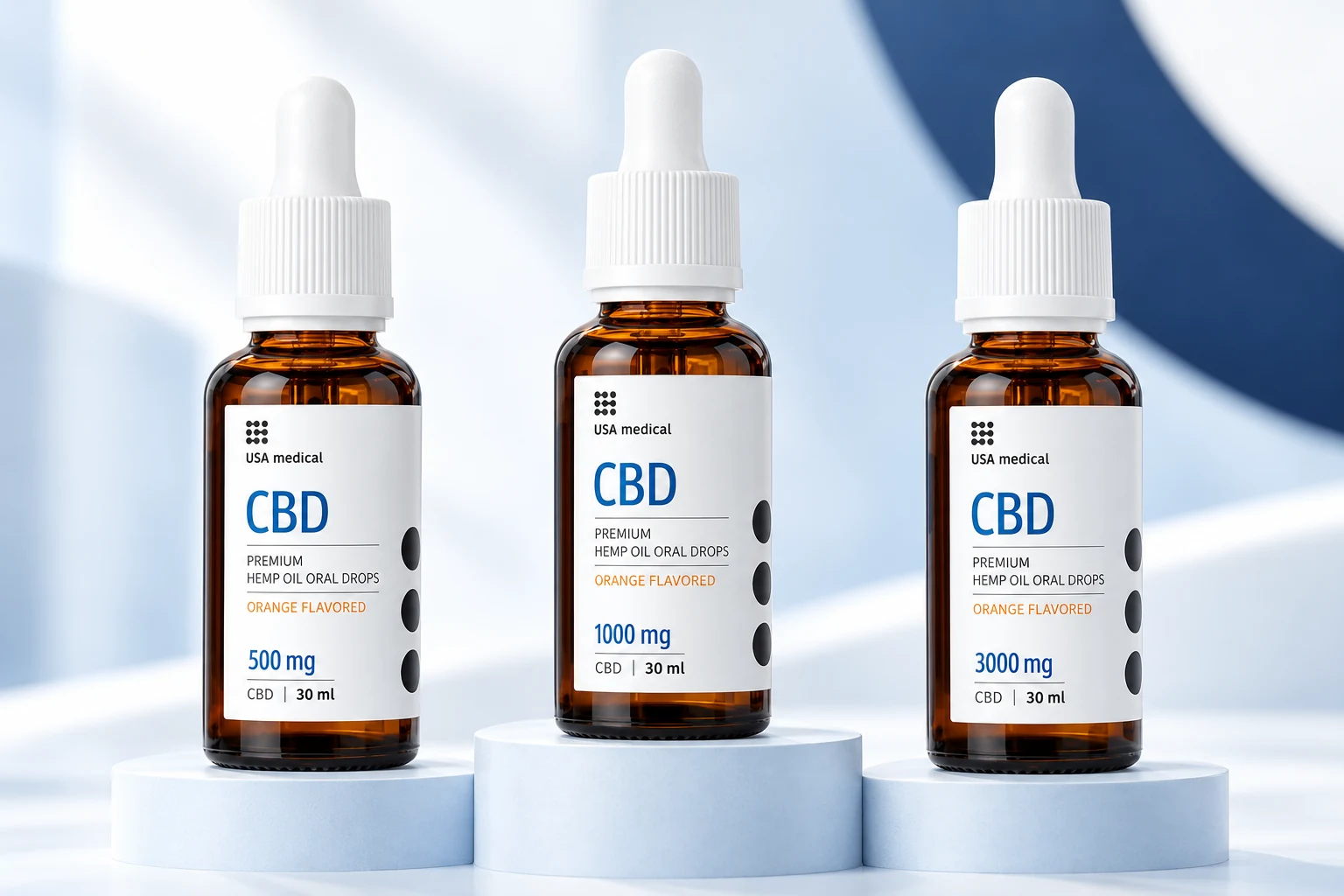
Calm is our 500 mg daytime-pause option. Peace is our 1,000 mg evening-transition option. Sleep puts the 3,000 mg bottle into a bedtime routine.
The numbers describe concentration. For the same measured volume, the 3,000 mg bottle contains six times the CBD of the 500 mg bottle. Use the directions on the bottle you choose.
Shop with clarity
Calm. Peace. Sleep. Compare the three oils.
Three concentrations. The same 30 mL bottle size. Compare the amount you measure, not just the number on the front.
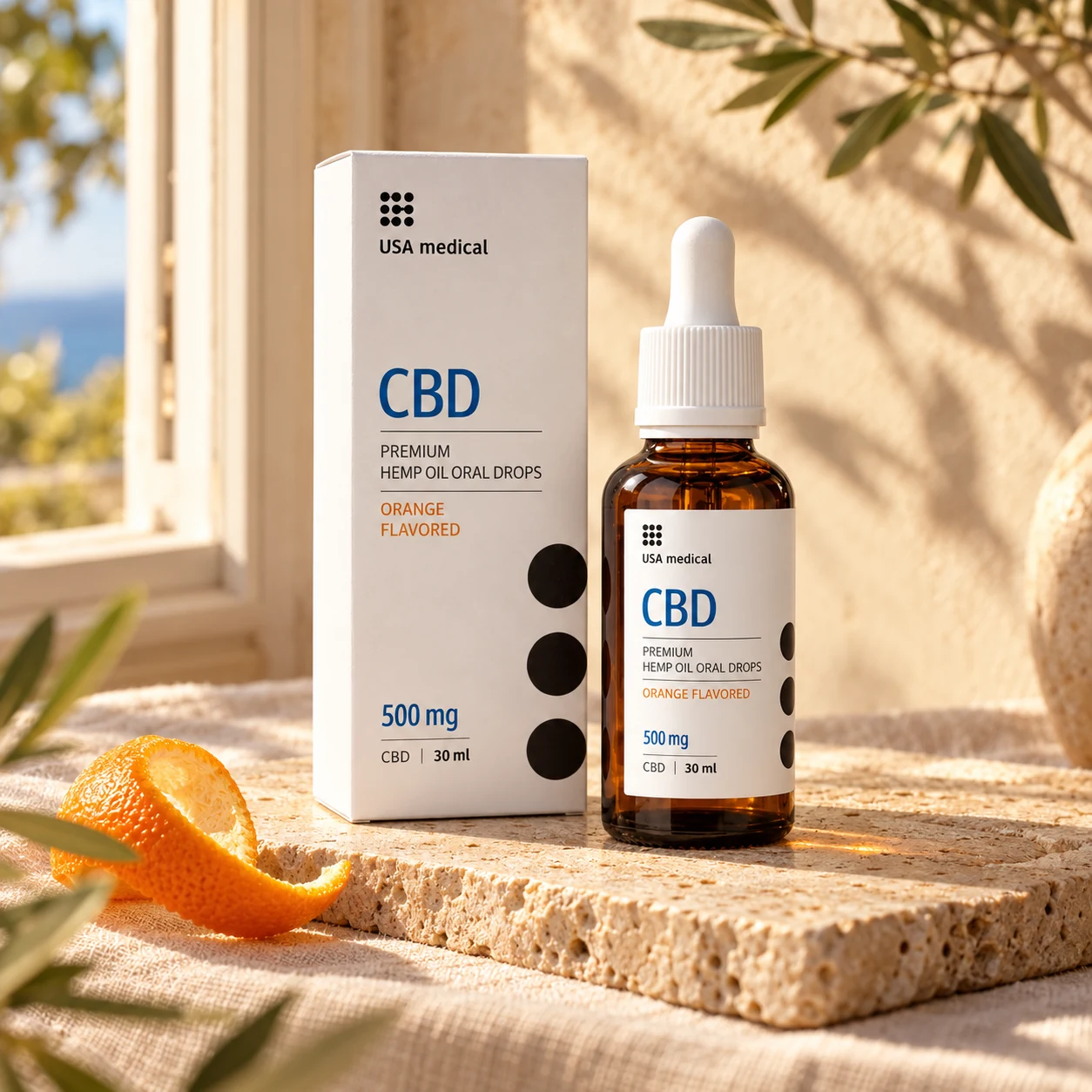
Calm
500 mg CBD oil
16.7 mg CBD per mL · 30 mL
Single bottle
$34.00
$6.80 per 100 mg CBD
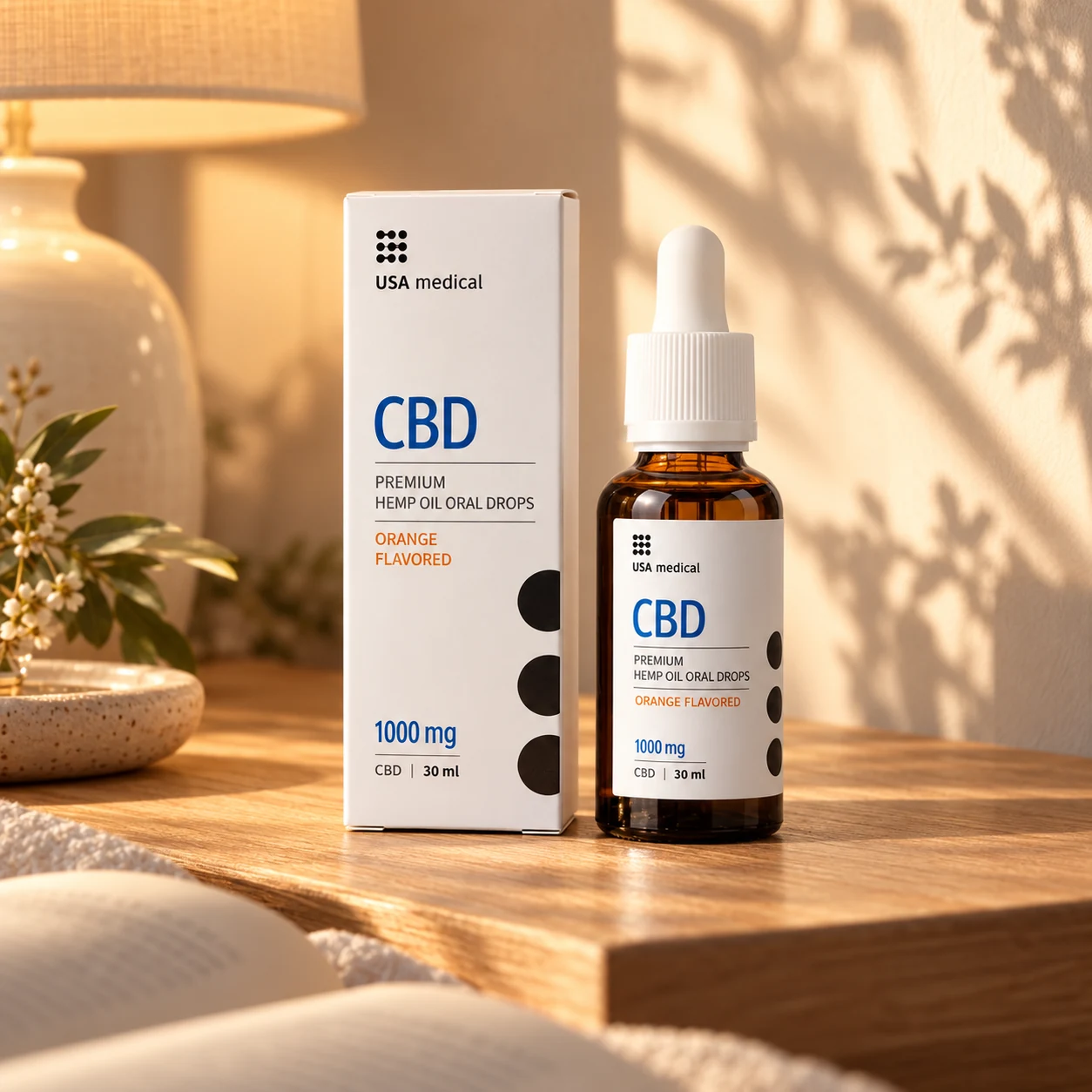
Peace
1,000 mg CBD oil
33.3 mg CBD per mL · 30 mL
Single bottle
$59.00
$5.90 per 100 mg CBD
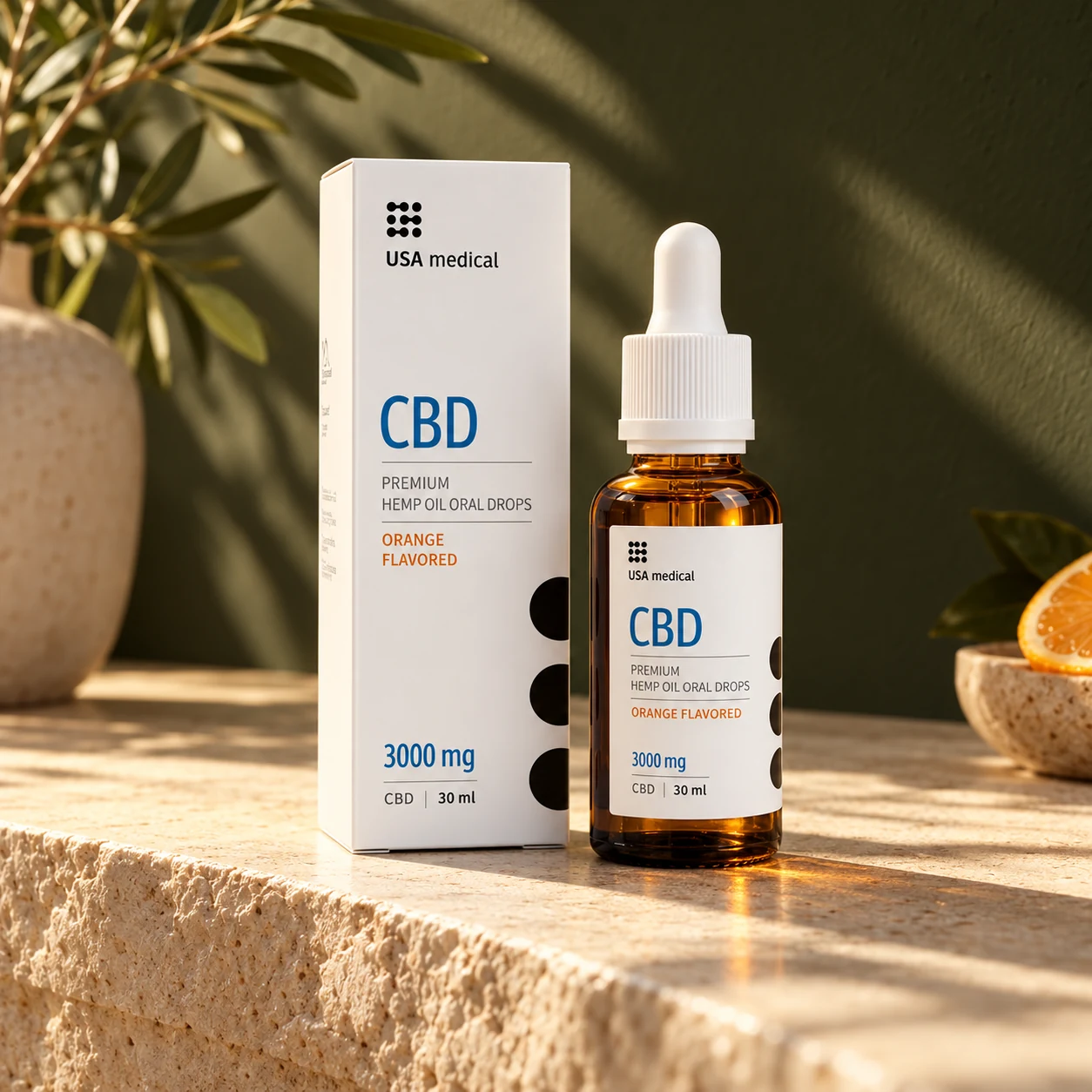
Sleep
3,000 mg CBD oil
100 mg CBD per mL · 30 mL
Single bottle
$124.00
$4.13 per 100 mg CBD
Calm, Peace and Sleep describe our routine choices. They are not different medical treatments, and a higher concentration does not guarantee a stronger effect.
Your questions
A few useful answers.
Does “best” mean the strongest bottle?
No. Concentration changes how much CBD is in a measured volume. A bottle that makes your labeled serving easy to measure can be a better choice than the largest number.
Can a broad-spectrum label guarantee a negative drug test?
No. Check the lot report, but do not treat broad spectrum or a nondetect result as a drug-test guarantee.
Should I read reviews before buying?
Yes. Look for the exact product, serving context and both positive and critical experiences. Reviews can describe someone’s experience; they cannot predict yours. Browse customer reviews.
