
D3 Vitamin: Why Vitamin D Deficiency Matters

The body naturally makes vitamin D when skin is exposed to sunlight. You can also get vitamin D from certain foods and supplements. In this guide, we’ll cover what vitamin D does, how much adults typically need, and which foods contain it. Which vitamin D is best? A beginner’s and advanced guide to vitamin D3.
Types of Vitamin D: What’s the Difference Between Vitamin D and D3?
Vitamin D is a fat-soluble nutrient family that includes D1, D2, and D3. More precisely, the body converts vitamin D into calcitriol, its active form.
Vitamin D exists in two main forms:
- Vitamin D2 (ergocalciferol)
- Vitamin D3 (cholecalciferol)
Vitamin D3 is found mainly in animal-based foods, while D2 mainly comes from plant sources. D3 is often used in supplements and may help support vitamin D levels over time.
Your skin makes vitamin D with help from UV-B rays in sunlight. During that process, precursors in the skin convert into vitamin D3.
Vitamin D: What It Does
Vitamin D contributes to
- the normal absorption and utilization of calcium and phosphorus,
- maintaining healthy bones, normal muscle function, healthy teeth, and normal blood calcium levels,
- the normal functioning of the immune system, as well as
- playing a role in cell division.
What are the signs of low vitamin D?
Vitamin D deficiency risk is higher in several situations, including:
- insufficient sunlight exposure (especially among older adults, people living in long-term care facilities, and people whose clothing limits skin exposure to sunlight);
- malnutrition or unbalanced diet;
- poor absorption or use of vitamin D, such as with certain digestive conditions;
- increased demand (such as during pregnancy and breastfeeding);
- increased vitamin D loss through the kidneys, such as with certain kidney conditions;
- use of certain medications (for example, anti-seizure medicines).
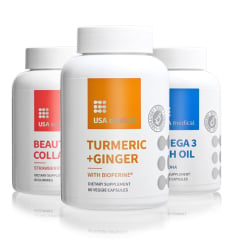
Vitamins from
USA Medical
Wide selection of multivitamins and minerals all in one place
Signs of low vitamin D in adults may include:
- energy levels
- hair changes
- severe bone or muscle pain;
- stress fractures, especially in the legs, pelvis, and hips;
- reduced immune function.
If vitamin D deficiency is diagnosed, a healthcare professional may recommend supplements, along with attention to nutrition and more time outdoors.
Vitamin D Supplementation
Food sources of vitamin D include:
- salmon
- sardines
- herring
- canned tuna
- cod liver oil
- beef liver
- egg yolks
Since it’s not always easy to get enough vitamin D from sunlight and food alone, supplements can be a practical option.

How much vitamin D do you need daily?
Blood serum levels are often considered optimal between 50 and 100 nanomoles per liter (nmol/L), and 75 nmol/L is commonly treated as a normal range. According to a 2021 recommendation from Semmelweis University, the recommended intake of vitamin D (IU = International Units; 1 IU = 0.025 μg) is as follows:
- Infants and young children: 400 IU
- School-age children: 1000 IU
- Adolescents and adults: 2000 IU
The recommendation notes that healthy adults may meet their vitamin D needs with weekly or monthly doses.
How to Supplement Vitamin D3
In winter, sunlight may be too weak for the skin to make enough vitamin D. If summer stores weren’t built up enough, diet alone may not make up the difference. Since the body makes very little vitamin D between October and March, many people consider a supplement.
Which form of vitamin D should you choose?
It’s worth doing your research before choosing the right vitamin D product. For adults, the upper intake limit is 4,000 IU (100 micrograms) per day. Choose a vitamin D product from a trusted source.
The USA Medical K2 + D3 capsule contains vitamins K2 and D3, calcium, and BioPerine. Vitamin K plays a role in normal calcium use in the body. Two capsules provide 125 micrograms of vitamin D3.
Looking for premium vitamins, minerals, and plant extracts? Explore USA Medical supplements and support your wellness year-round!