
Mate Tea Guide: What It Is, How It’s Used, and How It Tastes
What is Mate Tea (Yerba Mate)?
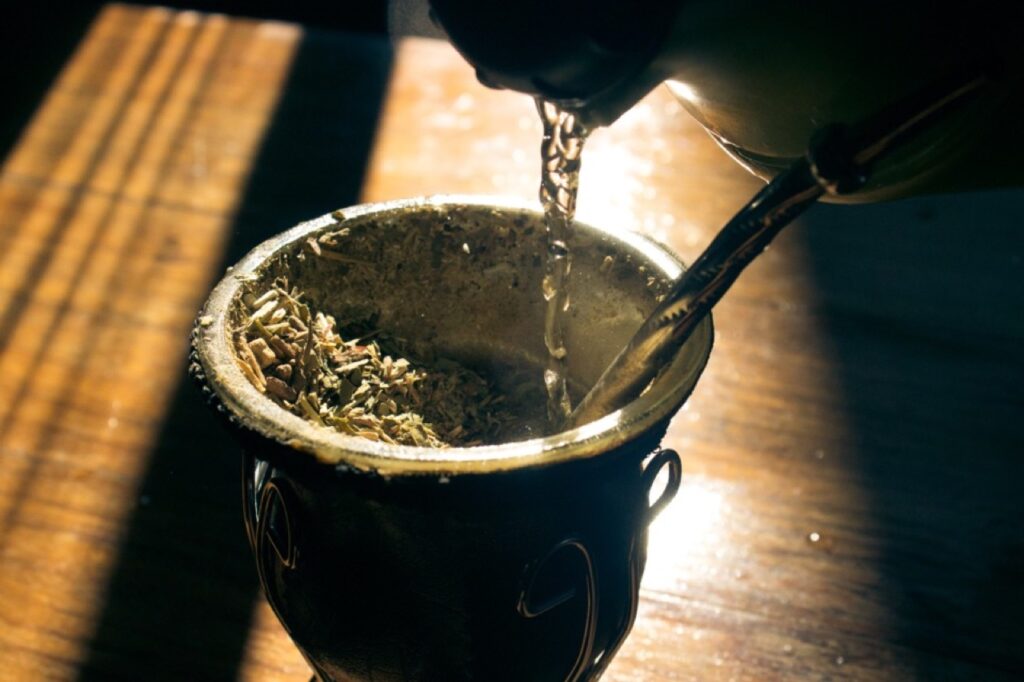
Mate tea, also known as yerba mate, is made from the dried leaves of Ilex paraguariensis, an evergreen plant native to South America. It’s traditionally brewed in a gourd called a calabaza and sipped through a metal straw called a bombilla.
The drink’s popularity is easy to understand: it’s a natural source of caffeine and an important part of social gatherings in many local cultures, much like coffee or tea in other countries.
What Is Mate Tea?
The effects of mate tea are diverse, mainly due to its active compounds – caffeine, theobromine, theophylline, and polyphenols.
1 Antioxidant Content
Mate tea contains polyphenols and flavonoids, which are naturally occurring plant compounds.
2 Focus and Energy
The caffeine content, sometimes referred to as “matein,” contributes to mate tea’s stimulating character and makes it a popular coffee alternative. Theobromine and theophylline also contribute to its distinctive profile.
3 Metabolism and Weight Management
Many people are interested in mate tea for its caffeine content, but research on specific health effects is still limited. Some people simply enjoy it as a caffeinated alternative to coffee.
4 Digestive
Yerba mate is often enjoyed after meals in South American cultures. It’s a traditional drink with a long history of everyday use.
Caffeine Content of Mate Tea and Comparison with Coffee
The caffeine content of mate tea is approximately 70-85 mg per cup (about 150 ml), although this depends on the yerba mate variety used and preparation method. In comparison, an average cup of coffee can contain around 95-200 mg of caffeine.
This difference helps explain why some people find mate tea smoother than coffee, though the experience varies from person to person.
Mate tea contains caffeine as well as other xanthine compounds, including theobromine and theophylline, which give it a different profile than coffee.
Possible Side Effects of Yerba Mate
Like any stimulant drink, mate tea can cause side effects, especially if consumed excessively or by individuals sensitive to caffeine.
• Caffeine Sensitivity: People who are sensitive to caffeine may prefer to avoid mate tea later in the day.
• Stomach Comfort: Some people prefer not to drink mate tea on an empty stomach.
• Very Hot Drinks: Very hot drinks can irritate the mouth, throat, and esophagus, so it’s best to let mate tea cool slightly before drinking and enjoy it in moderation.
• Caffeine Use: Like other caffeinated drinks, regular use can lead to caffeine dependence for some people.
How to Brew and Drink Yerba Mate
When it comes to mate tea, moderation and individual sensitivity are key. Many people enjoy 1-3 cups a day, but the right amount depends on your caffeine sensitivity and total intake.
• For Beginners: It’s advisable to start with a lower dose (e.g., 1-2 teaspoons of yerba mate per 200-300 ml of water) and increase as needed.
• For Experienced Users: The traditional method using a calabaza and bombilla can involve multiple infusions with hot water, allowing you to sip it over several hours.
If you’re sensitive to caffeine, morning or early afternoon may be a better time to drink mate tea.
Preparing Mate Tea: Traditional and Modern Methods
Traditional Preparation (Calabaza and Bombilla)
1. Heat the water to 70–80 °C (do not boil).
2. Fill the calabaza about two-thirds full with yerba mate leaves.
3. Cover the opening with your hand, tilt it gently to the side and back, so some leaves stick to the edge of the calabaza.
4. Insert the bombilla (a filtered metal straw).
5. Pour water slowly over the leaves, so they don’t soak too quickly.
6. Sip the mate tea, and when the water runs out, refill it.
Modern Teapot or Tea Bag Method
If you prefer a simpler method, place the yerba mate leaves in a tea infuser or bag, pour in hot water at 70–80 °C, and steep for 3-5 minutes. It’s a quicker, more convenient option for home or office use, though the experience is different from the traditional South American style.
How to Choose the Best Mate Tea Brands?
Taste, quality, and origin are often the main factors when choosing a mate tea brand. Here are a few things to consider:
• Country of Origin: Yerba mate can vary in flavor, strength, and texture from one region to another, so it’s worth trying different origins to see what you like best.
• Leaf Cut: Yerba mate can be coarse, fine, or include stems. The cut style affects the taste and strength of the drink.
• Additives: There are fruity, mint-flavored, or aromatic yerba mate products as well. These can add pleasant variety to the traditional bitter, grassy taste.
Mate Tea vs. Coffee: How Do They Compare?
The question of mate tea vs. coffee often comes up since both are popular caffeinated drinks. The choice depends on a few factors:
• Taste: Coffee has a more bitter, roasted flavor, while mate tea is typically earthy, grassy, and sometimes a bit astringent.
• Caffeine Content: Coffee generally has more caffeine, while mate tea has a different mix of compounds and a distinct feel.
• Health Aspects: Both drinks contain naturally occurring plant compounds. Mate tea also includes theobromine and theophylline, which give it a different profile from coffee.
Overall, it’s worth trying both beverages and choosing the one that best matches your taste and caffeine preference.
Conclusion
Mate tea (yerba mate) is a traditional South American drink that’s known for its caffeine content and the unique communal experience it provides. It contains naturally occurring compounds such as polyphenols, flavonoids, and xanthines, including caffeine, theobromine, and theophylline.
At the same time, it’s important to be aware of possible side effects, especially regarding caffeine sensitivity and excess stomach acid production. Regular, excessive consumption of very hot drinks (including mate tea) can increase the risk of certain cancers over time, making moderation key here as well.
If you’re looking for an alternative to coffee or just want to try something new, mate tea can be a great option. Brewing it in a calabaza with a bombilla gives you a traditional experience, but you can also enjoy yerba mate as a simple modern tea. Finding the right brand often takes a little experimenting, so it’s worth trying a few varieties from different countries to see which flavor you like best.
Finally, if you enjoy trying traditional teas, adding mate tea to your routine can be a nice change of pace. This South American drink is a popular choice for friendly gatherings, relaxed moments, and everyday sipping.