
Turmeric: What Research Says
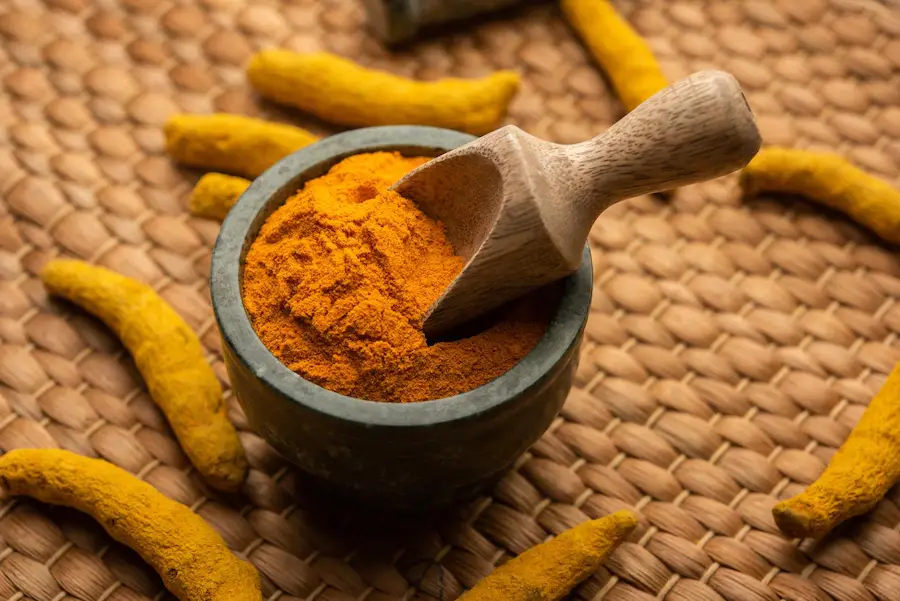
Turmeric, also known as Indian saffron, is a plant native to Asia and Central America. Its root is dried and ground into turmeric powder. Ground turmeric is a key ingredient in curry powder and is also used as a natural coloring agent because of its bright yellow-gold color. Turmeric is sold as capsules, teas, powders, and extracts.
Turmeric vs Curcumin: What’s the Difference?
Turmeric comes from the root of Curcuma longa, a flowering plant in the ginger family. It is most often sold as a powder, but fresh turmeric root looks a lot like ginger, with a deeper yellow-golden color. In India, Ayurvedic medicine has traditionally used turmeric.
Turmeric contains a variety of plant compounds, among which the group of curcuminoids is the most well-known. This group includes curcumin, demethoxycurcumin, and bisdemethoxycurcumin. Curcumin, the most active component of turmeric, has been the focus of numerous studies in recent decades.
Turmeric: What Research Says
The many uses of turmeric have led researchers to study this plant extensively.
- BDNF (brain-derived neurotrophic factor) is a protein involved in memory and learning and is found in brain areas tied to appetite, thirst, and body weight regulation. Animal studies have explored whether curcumin may influence BDNF levels and age-related cognitive decline.
- Researchers have also studied whether curcumin may affect endothelial function, the lining inside blood and lymph vessels as well as the heart.
- Studies on curcumin supplements have examined whether they support healthy blood vessel function.
- Curcumin has been studied for inflammatory health conditions and for its antioxidant properties, which help protect cells from free radical damage.
What to Know About Turmeric Side Effects
- It’s important to know that not all turmeric powders are pure; some may contain fillers such as barley, wheat, or rye flour, which can be an issue if you avoid gluten.
- Turmeric can interact with other medications; when taken alongside blood thinners or anticoagulants, it may increase bleeding risk.
- Daily doses above 1000 mg may cause mild digestive discomfort in some people.
- Because there isn’t enough research on turmeric’s safety during pregnancy or breastfeeding, it is best to avoid its use during pregnancy or breastfeeding.
How Much Turmeric Can You Consume Daily?
Research has typically used daily doses of 500–2000 mg of turmeric, mostly as extracts with high curcumin content. There is no official consensus on the ideal dosage or duration, and study amounts have varied:
Some studies have used 500 mg of turmeric extract twice daily for 2 to 3 months.
Some studies have used 500 mg of turmeric extract three times daily for 2 months.
High-dose, long-term use of turmeric and curcumin is not recommended because there is a lack of studies confirming their safety over extended periods.
Dietary supplements are not a substitute for a healthy lifestyle or a balanced diet.
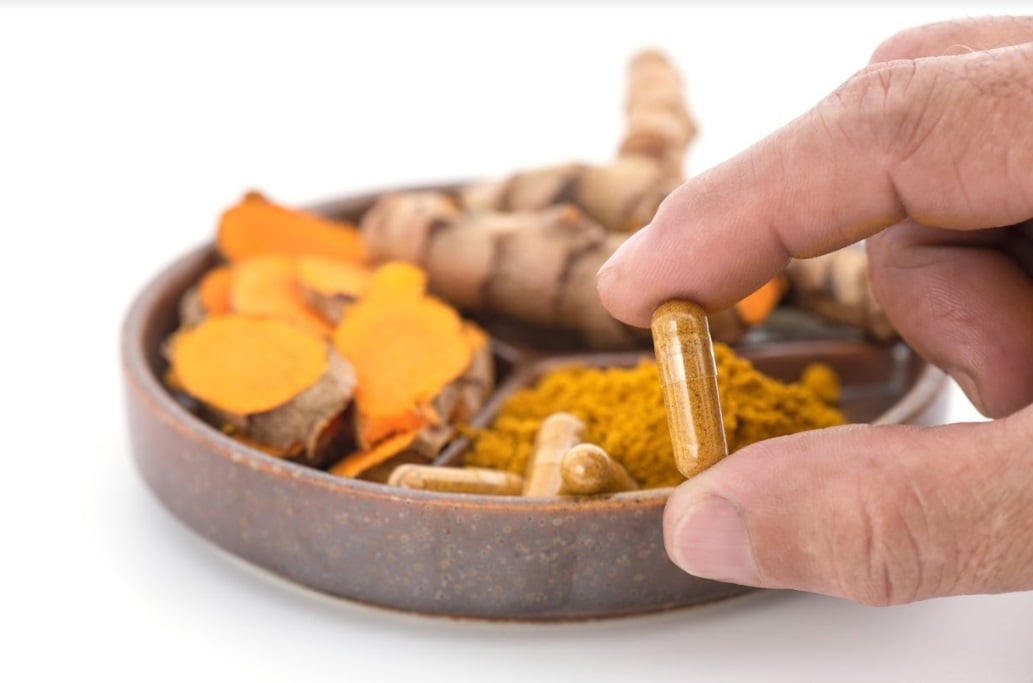
Turmeric Capsules with Black Pepper Extract
Keep these tips in mind when choosing a dietary supplement:
- Choose turmeric tablets from brands that clearly list every ingredient on the label. That helps you know exactly what you’re getting.
- Curcumin is not absorbed as easily on its own, which is why some products include black pepper extract with piperine.
Turmeric Capsules from a Trusted Source
USA Medical’s Turmeric Ginger Capsules contain organic turmeric powder, curcumin, ginger extract, and Bioperine® black pepper extract. If you want to explore other premium-quality supplements, shop our online store for more dietary supplements.
Vitamins from
USA Medical
Shop a wide selection of multivitamins and minerals in one place. Discover our products.