
FDA consumer CBD update
FDA summarizes CBD regulatory status, safety concerns, medicine interactions, side effects, quality uncertainty, and unanswered dosing questions.

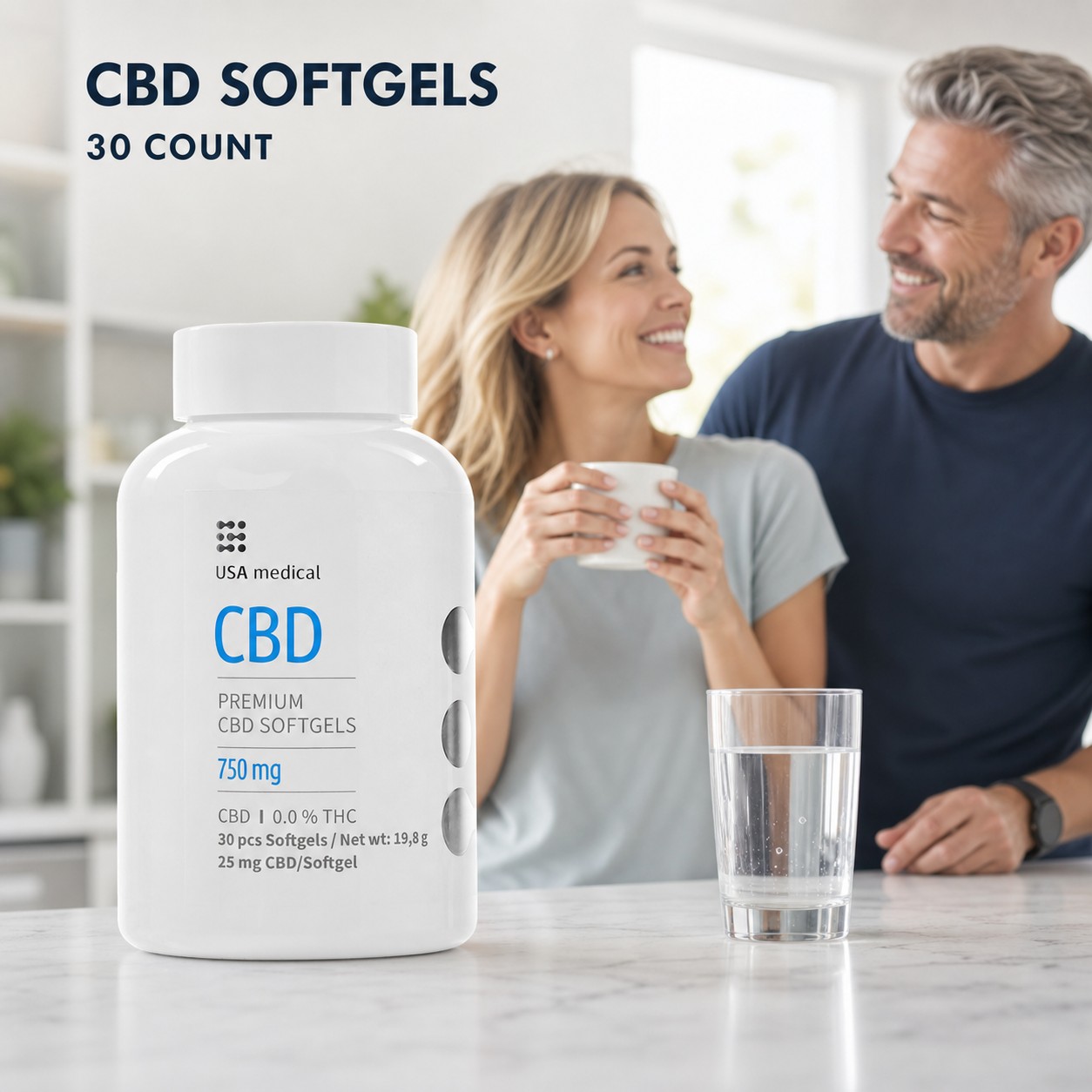
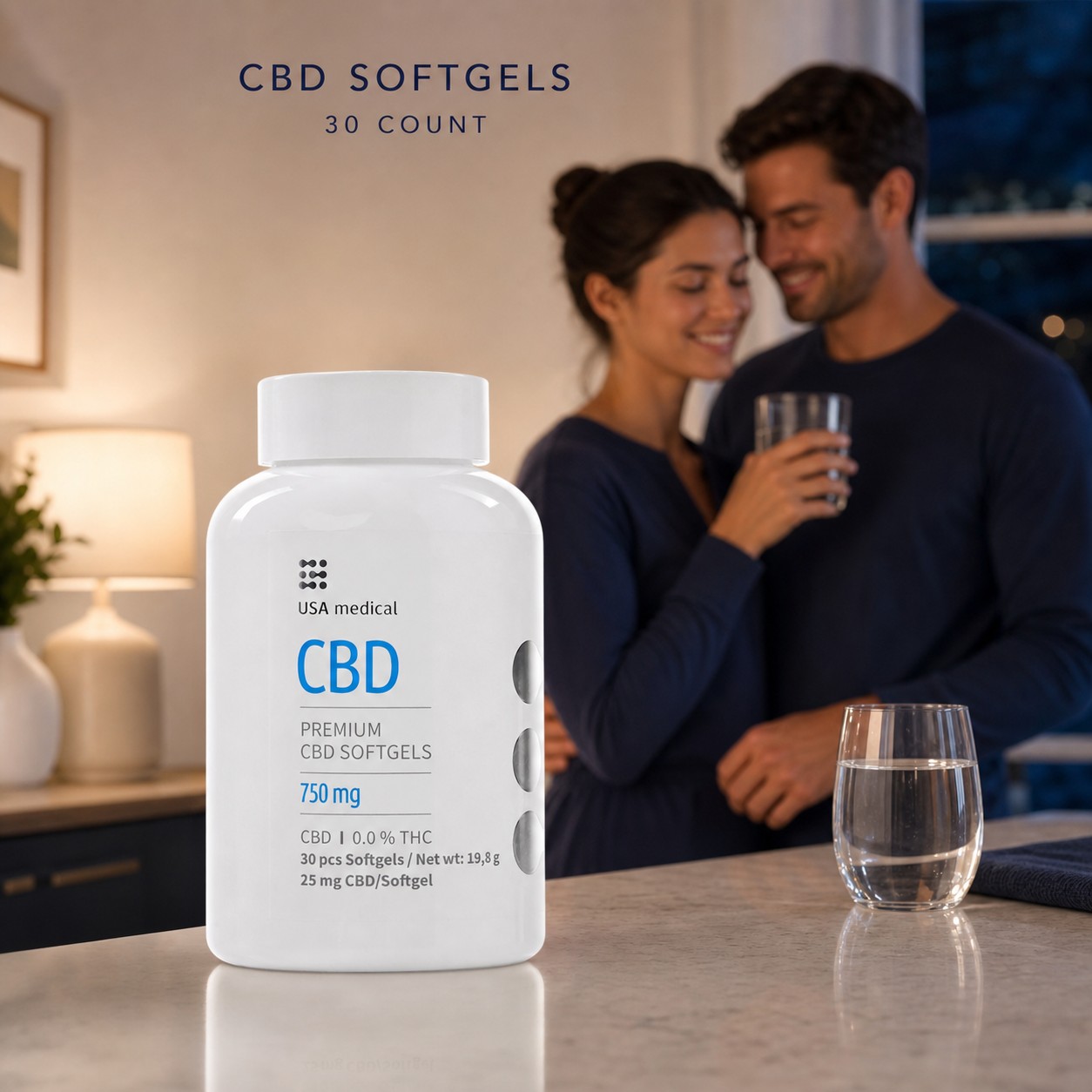
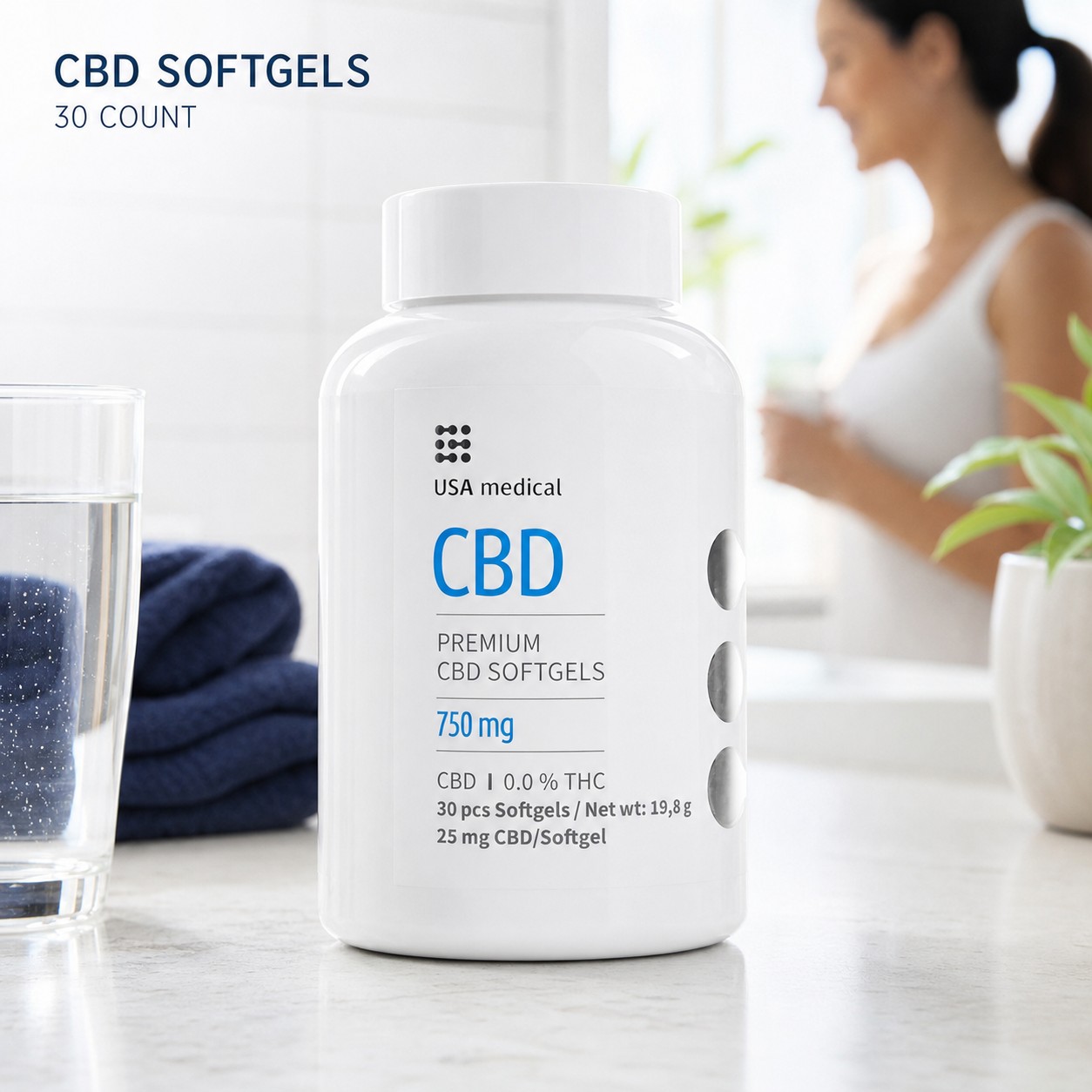
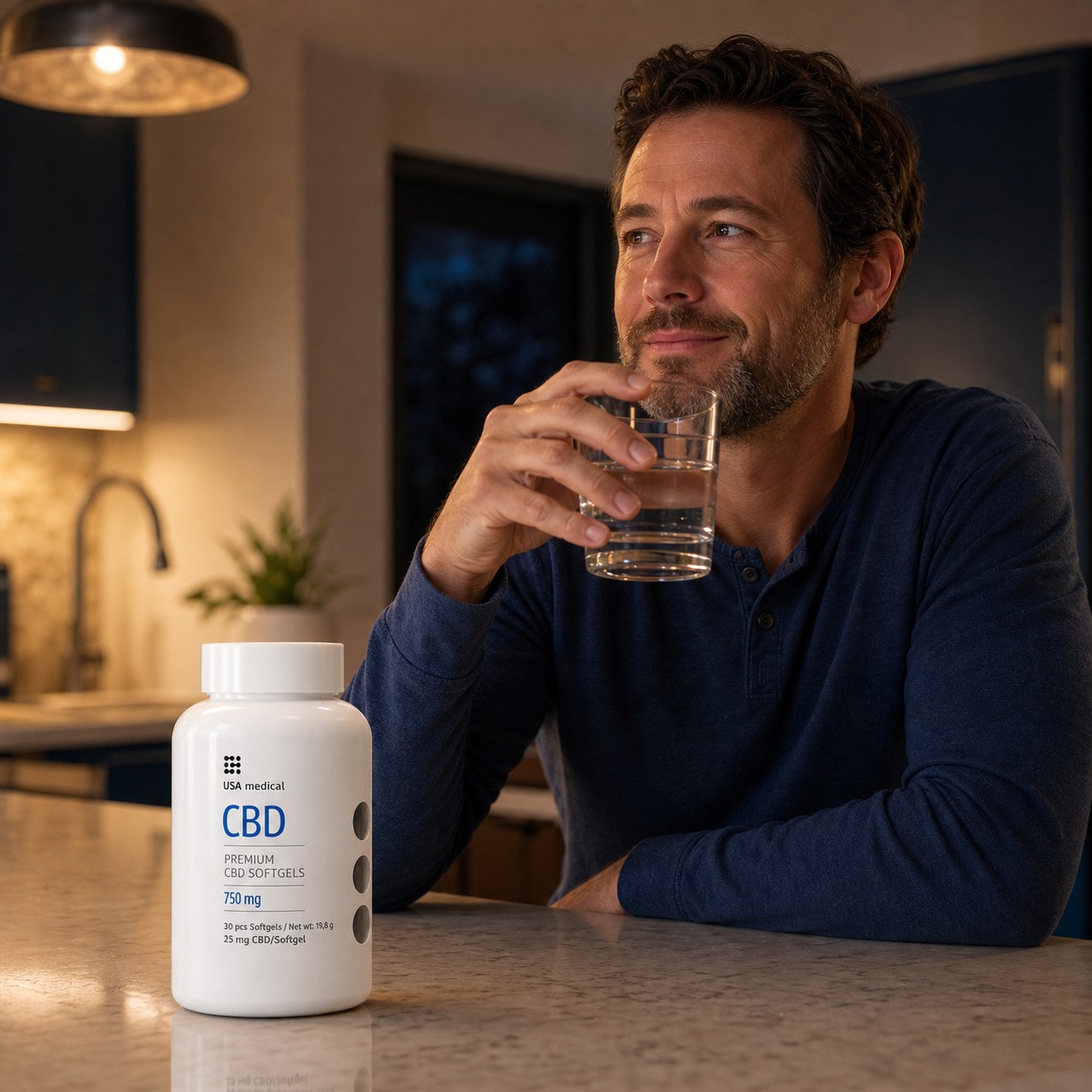
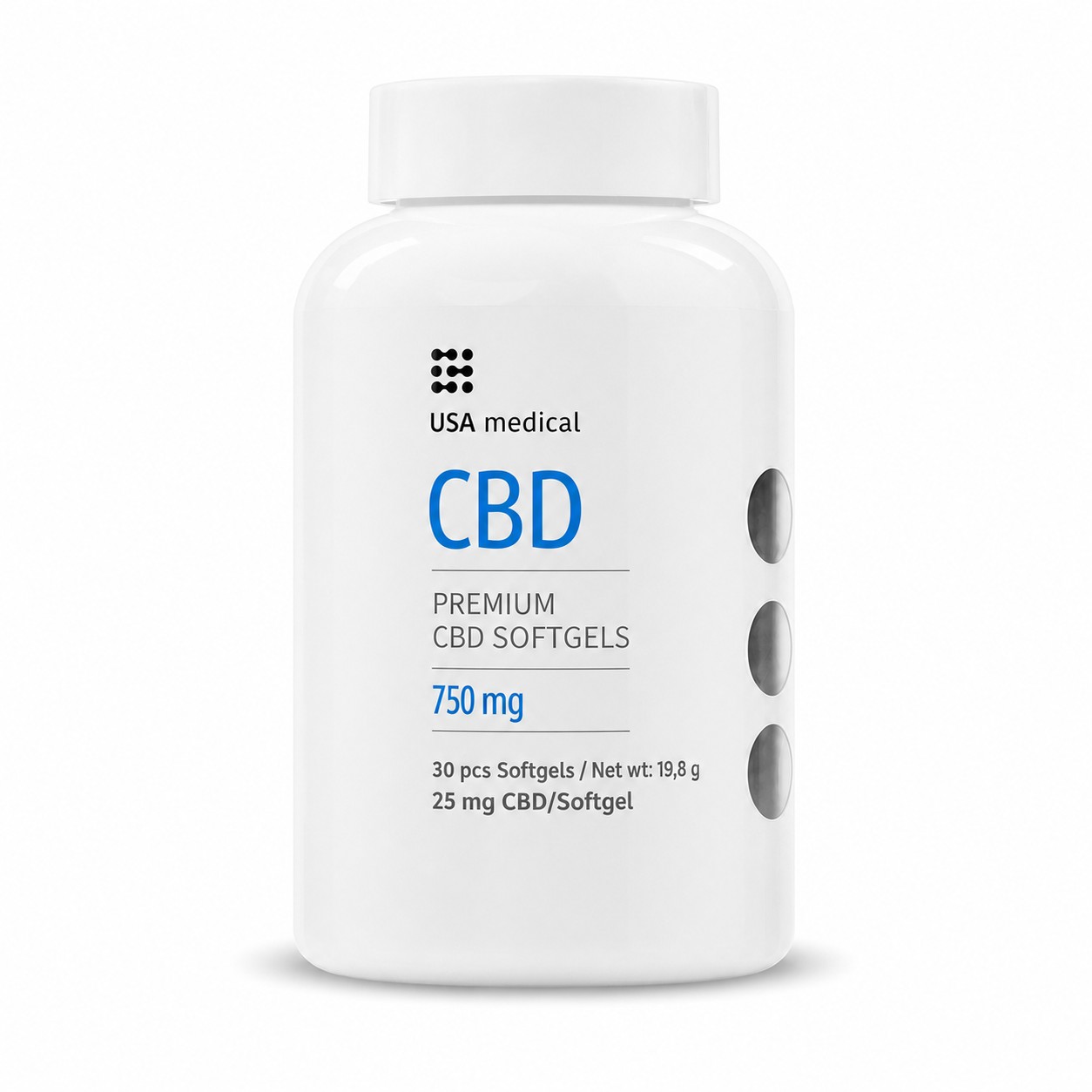
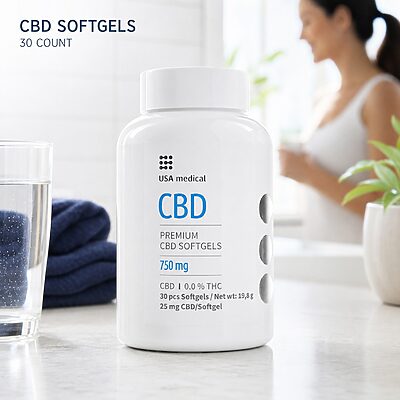
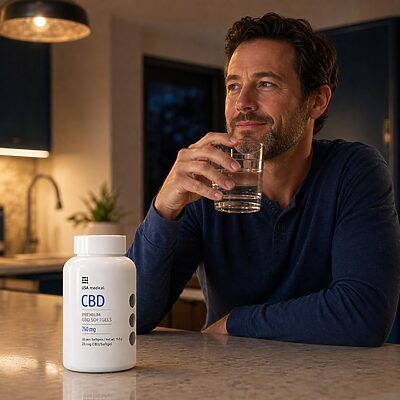
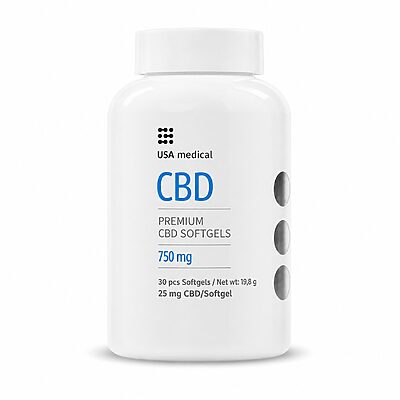
One measured softgel. No dropper. No liquid hemp taste to measure. Choose this 30-count bottle for a straightforward 25 mg CBD format you can understand at a glance.
Lower-commitment bottle. Same 25 mg amount in every softgel across both bottle sizes.
Product details
$59.00
In stock
This 30-count format keeps the decision concrete: 25 mg CBD in every softgel, 750 mg total labeled CBD, and no liquid to measure. The dream outcome here is a simpler CBD format, not a promised medical result.
Both bottles use the same 25 mg softgel. The real choice is commitment and supply: 30 softgels here, or 90 softgels in the other size. Compare the live purchase modules for current prices and multi-bottle offers.
Choose the format based on how you want to use it. Softgels prioritize a fixed amount and portability. Oils prioritize adjustable measuring. Neither format is universally better, and absorption or timing should not be assumed equivalent across different finished products.
Count, 25 mg CBD per softgel, total labeled CBD, broad-spectrum GS1 identity, front-label 0.0% THC statement, GTIN, UPC, and Texas fulfillment.
A current-lot cannabinoid and contaminant report, a current source-backed full other-ingredient panel, and documentary country-of-manufacture evidence are not published in the current Product Hub record. We do not fill those gaps with legacy copy.
FDA says consumer CBD products raise unresolved safety and quality questions. Known or potential concerns include medicine interactions, liver injury, changes in alertness, and gastrointestinal effects; FDA has approved one prescription CBD drug, not this consumer softgel.[1]
A small randomized crossover study in eight adults found that a high-fat meal materially changed exposure to a purified oral CBD capsule.[3] It did not test this finished product or establish a universal meal instruction. The practical lesson is to follow the current physical label and be consistent relative to meals after professional guidance.
A published analysis of online CBD products found frequent differences between labeled and measured cannabinoid content.[4] That is why a front-label statement is not presented here as current-batch laboratory proof.
FDA summarizes CBD regulatory status, safety concerns, medicine interactions, side effects, quality uncertainty, and unanswered dosing questions.
FDA strongly advises against CBD use during pregnancy or breastfeeding and explains why safety and contamination uncertainties matter.
Eight adults used a purified CBD capsule with and without a high-fat meal. The study demonstrates a food effect but does not test this product or establish its directions.
An analysis of online CBD products found frequent differences between labeled and measured cannabinoid content, reinforcing the need for current product- and lot-specific evidence.
Each softgel is labeled with 25 mg CBD. This 30-count bottle therefore contains 750 mg total labeled CBD.
The amount per softgel is the same. The 30-count bottle contains 750 mg total labeled CBD, while the 90-count bottle contains 2,250 mg. Choose based on commitment, supply, current price, and the live multi-bottle offer.
Broad-spectrum is the item identity in the verified GS1 description. It generally describes a hemp extract containing multiple hemp-derived compounds with THC removed or reduced. It does not prove the exact profile of the current lot.
No. The front label states 0.0% THC, but no current-lot report is linked on this page. Individual tests, trace exposure, and product lots can vary, so no drug-test outcome is guaranteed.
A softgel provides a fixed 25 mg amount without measuring and avoids the liquid oil experience. An oil may be a better fit when adjustable measuring matters more.
Use the current physical package directions and swallow with water. The verified digital source does not establish a universal frequency, so this page does not invent one.
Meal composition can change oral CBD exposure. A small study found a substantial food effect with another purified capsule, not this product. Follow the physical label and ask a healthcare professional how to stay consistent for your situation.[3]
Yes. FDA warns that CBD can change how some medicines work, and other medicines can affect CBD. Ask a doctor or pharmacist to review your complete medicine and supplement list before use.[1]
FDA strongly advises against using CBD during pregnancy or breastfeeding because safety data are incomplete and potential risks remain.[2]
Not yet. A current source-backed full other-ingredient panel is not present in Product Hub. Check the current physical bottle before use and do not rely on older web copy if gelatin, carrier oils, or allergens affect your purchase.
No current-lot cannabinoid and contaminant report is linked on this staging PDP. The 0.0% THC label statement is not presented as a replacement for that report.
This product is not intended to diagnose, treat, cure, or prevent any disease. Evidence about CBD generally does not prove an outcome for this finished product.
The verified digital record supports the product identity and cannabinoid amounts below. It does not yet contain a current source-backed full other-ingredient or allergen panel.
A current source-backed list of carrier oils, shell ingredients, processing aids, and allergens is not available in Product Hub. Because those facts can change purchase suitability, this page does not copy the inconsistent legacy ingredient block.
Trust is stronger when verified records and open gaps are shown separately. This page does not describe a certificate that is not currently published.
A current lot-specific cannabinoid potency and contaminant report is not linked in the verified record. The label statement cannot replace laboratory documentation.
Country of manufacture is not documented in Product Hub. The product ships from Texas, but fulfillment location does not prove manufacturing origin.
The current source-backed other-ingredient and allergen panel is still missing. Legacy copy is not treated as proof because it contains count and formula inconsistencies.
Each softgel contains 25 mg CBD. Use the current physical package directions; the verified digital source does not establish a universal frequency.
Confirm the serving direction and complete ingredient panel on the physical package.
Softgels provide a fixed 25 mg amount with no dropper measuring.
Food can change oral CBD exposure. Follow the label and professional guidance consistently relative to meals.
If you use another CBD product, count the total amount from every source rather than treating each format separately.
Published studies use different products, amounts, schedules, and populations. Their protocols are not directions for this softgel.
Ask a doctor or pharmacist before CBD use if you take any medicine, use alcohol or other sedating substances, have liver concerns, or manage a health condition.

 Verified customer
It helps relieve stress and anxiety and I can sleep a little better!
 Verified customer
Help me sleep at night
 Verified customer
I have really liked the CBD. My sleep has really improved.
Product updates, wellness education, and customer experiences.
Dietary supplements and cosmetic products are not a substitute for a varied, balanced diet or a healthy lifestyle. Do not exceed the recommended daily serving. If you are pregnant, nursing, have a medical condition, or take prescription medication, ask a healthcare professional before use. Our products are not intended to diagnose, treat, cure, or prevent any disease. By using this website, you agree to our Privacy Policy and Terms and Conditions. In the USA medical® brand name, the word “medical” does not mean that we provide medical care or healthcare services.
★★★★★ 4.9 10 reviews
Help me sleep at night
"I use 300 mg CBD softgel capsules, taking one an hour before bed. I’ve experienced deep sleep and refreshed waking after just a few days of use."
"I take the 300 mg capsule daily, one in the evening, to improve sleep quality. After a week of use, I was already sleeping much better and waking up more refreshed. It’s completely safe, as I haven’t experienced any negative effects!"

It helps relieve stress and anxiety and I can sleep a little better!
Help me sleep at night
I have really liked the CBD. My sleep has really improved.
“I use the 2500 mg CBD capsules, taking one daily. I had constant stomach pain and problematic sleep. For a while (about three months), the stomach pain improved, but it returned a week ago. My sleep hasn’t changed, but stress and tension have eased.”
“I use 300 mg CBD softgel capsules, taking one an hour before bed. I’ve experienced deep sleep and refreshed waking after just a few days of use.”