
Nail Vitamins: When and What Should You Take?
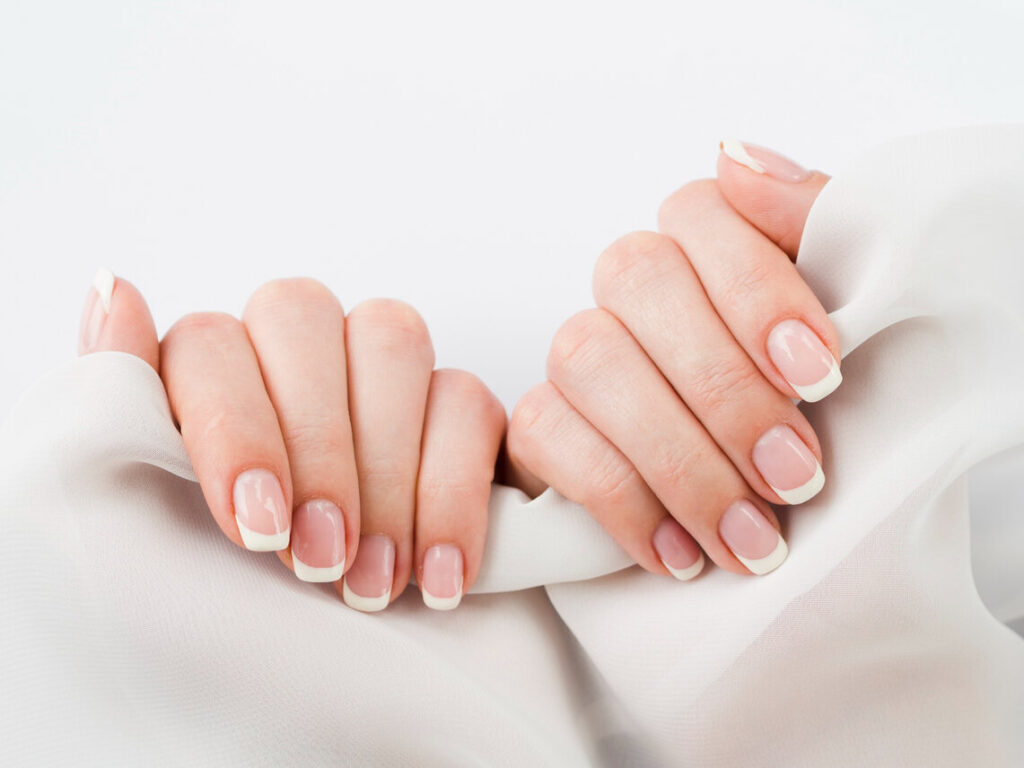
Your nails can reflect more about your overall health than you might expect. Changes in strong, smooth nails can be a visible sign of what’s happening inside the body. It’s worth paying attention to nail changes because they may be related to vitamin or mineral deficiencies, hormonal changes, or other health concerns.
In this article, you’ll learn which vitamins and minerals are important for nail health and which nutrients may help support brittle or thinning nails.
Signs Your Nails May Need More Nutrients
Nails are more than just a cosmetic detail, their condition can also reflect your body’s vitamin and mineral supply. When the body is low in certain nutrients, changes often show up first in the skin, hair, and nails. That’s why the hair, skin, and nails trio is often discussed together.
Common signs of nutrient deficiency in nails include brittle, soft, thinning, or streaked nails. These changes are not always caused by outside factors such as cleaning products, nail polish remover, or minor injuries, nutrient deficiencies can also play a role. Nail changes may be one of the first visible signs that your body needs more support.
Some nail changes can happen for many reasons. A vitamin or mineral deficiency is one possible factor.
Brittle Nails
Nails that break or split easily are often associated with biotin deficiency, but low levels of vitamins A, C, and E, as well as zinc and iron, can also play a role. These nutrients help support the flexibility and resilience of the nail plate.
Soft Nails
Soft, flexible nails are often associated with B-vitamin deficiency, especially biotin (vitamin B7), but low calcium and vitamin D may also play a role. Vitamin D helps the body absorb calcium, so both nutrients can be part of a nail-support routine.
Thinning Nails
When it comes to supporting thinning nails, iron, folate, vitamin B12, protein, and amino acids all play important roles. For example, low iron can slow nail growth and weaken nail structure, so it may be worth considering a nail supplement that includes these nutrients.
Nail streaks
Longitudinal or horizontal streaks on nails can also be related to vitamin deficiency, especially when they appear with other changes. Vertical ridges are common with aging, but in younger adults they may sometimes be linked to vitamin B12 or zinc deficiency. Horizontal lines, also called Beau’s lines, can appear after illness, fever, or other stress on the body.
White Spots on Nails
A common issue often blamed on calcium deficiency is actually linked to low zinc in many cases. Zinc supports normal cell division and renewal, so a deficiency can affect nail growth and structure.
Keep in mind that these signs are not always caused by a vitamin deficiency. Hormonal changes, stress, medications, or chronic health conditions can cause similar changes. If you notice sudden or ongoing changes in your nails, it’s a good idea to check with a healthcare professional for the right diagnosis and treatment plan.
Interested in everyday support? Explore our Hair, Skin & Nails Vitamins.
What Vitamins Do Nails Need?
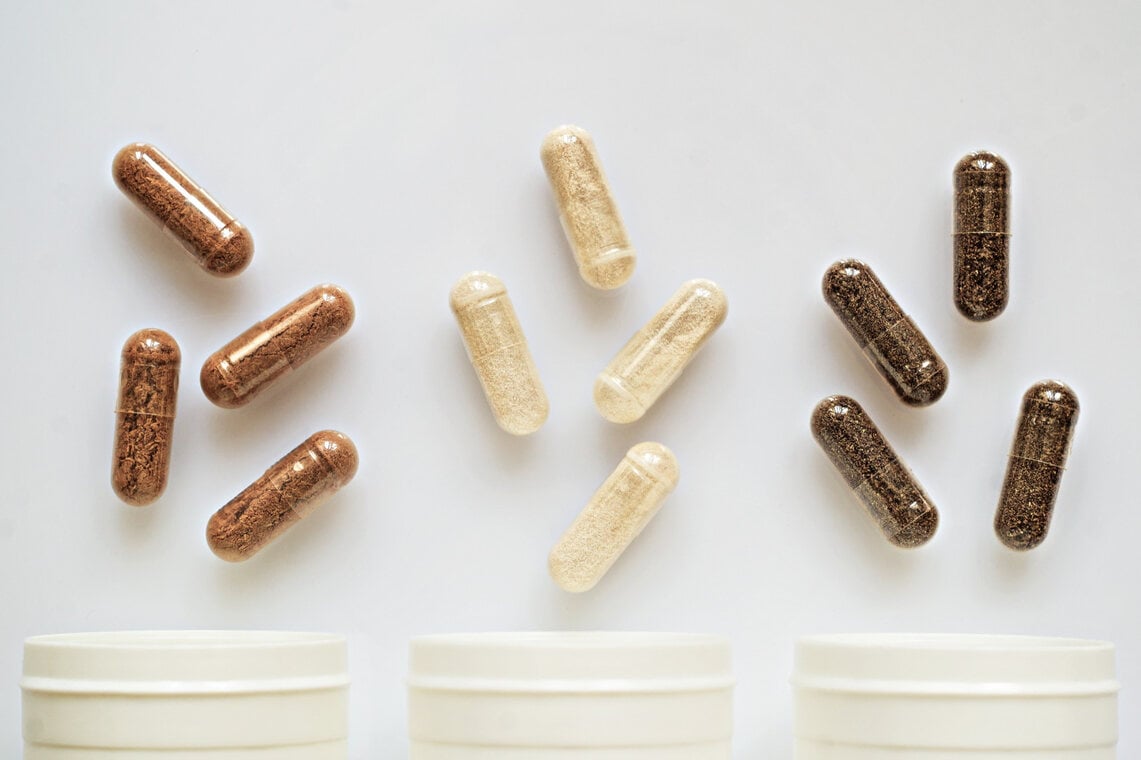
Nail strength, flexibility, and growth are closely linked to your nutrient intake. Adequate vitamins and minerals help maintain healthy nail structure and may reduce the risk of brittleness, discoloration, or thinning. Let’s look at which micronutrients are often considered for nail support.
Vitamin A: Supporting Normal Cell Growth
Vitamin A is best known for supporting skin and mucous membranes, and it also plays a role in cell renewal and normal nail growth. It supports keratinization, the hardening and stabilization of nail cells. Too little vitamin A can leave nails more brittle, dull, and slow-growing.
It’s naturally found in carrots, pumpkin, sweet potatoes, spinach, and liver. If you want to support normal cell differentiation and nail health, try our Hair & Beauty vitamin complex!
Vitamin A is fat-soluble, so too much can be harmful.
B-Complex Vitamins: Supporting Nail Health
The B-vitamin group includes several vitamins important for nail health. Vitamins B1 (thiamine), B2 (riboflavin), B3 (niacin), B5 (pantothenic acid), B6 (pyridoxine), B9 (folate), and B12 all participate in normal energy metabolism. Together, these vitamins support normal nail growth and structure.
Vitamin B12 is especially important; deficiency has been linked with thin, discolored nails or longitudinal streaking. Folate and B6 contribute to maintaining normal nail structure.
Natural sources of B vitamins include meat, fish, eggs, dairy, whole grains, legumes, nuts, and some leafy green vegetables. For vegans and vegetarians, B12 is especially important to pay attention to, since it is found mainly in animal products.
If you’re looking to add multiple B vitamins, our B-12 Complex B-Vitamin Drops may be a good option.
Vitamins C, D, and E: Antioxidant Support
Vitamin C supports collagen formation and helps maintain the normal condition of skin and nails. As an antioxidant, it helps protect cells from oxidative stress and supports healthy nail growth. When intake is too low, nails may become brittle or grow more slowly. Natural sources include citrus fruits, peppers, broccoli, and berries.
Vitamin D plays a role in calcium and phosphorus absorption, which can indirectly support nail strength. Soft, flexible nails are sometimes associated with low vitamin D levels. Adequate vitamin D supports mineral use in the body, including in the nails. It’s made primarily through sunlight, with smaller amounts found in eggs and fish oil.
Vitamin E helps protect cells from oxidative stress and supports cell membrane integrity, which can help keep nails from feeling dry or brittle. This matters even more when nails are often exposed to chemicals, cold weather, or repeated friction. Natural sources include olive oil, sunflower seeds, almonds, and avocado.
The Role of Biotin in Nail Health
Biotin, also known as vitamin B7 or H-vitamin, is one of the most commonly discussed nutrients for nail care. It supports the normal function of hair, skin, mucous membranes, the nervous system, and energy metabolism. Some studies suggest biotin may help support nail appearance, especially when nails are prone to splitting or peeling. Natural biotin sources include egg yolks, liver, nuts, and whole grains.
If you need to avoid these foods for any reason, USA Medical’s Hair Gummy Vitamin supplement with biotin may be a convenient alternative.
Zinc and Iron: Supporting Healthy Growth
Zinc helps support the normal condition of nails and skin. It also plays a role in cell division, which is important for nail tissue formation. Low zinc levels can slow nail growth and contribute to streaks, grooves, or white spots. If you’re looking for support for your hair, skin, and nails, take a look at our Organic Lalmin® Selenium + Zinc capsules.
Iron is part of hemoglobin, which helps carry oxygen to cells, including nail cells. Low iron can cause nails to thin, curve in a spoon-like shape, and grow more slowly. Iron-rich foods include red meat, spinach, legumes, and some fortified grains.
Along with a balanced diet, you can also supplement these nutrients when appropriate. The Hair and Beauty Hair Vitamin is a convenient option with just one capsule a day.
Nail Vitamins: Natural Sources or Capsules?
There are times when your nutrient needs increase or absorption decreases. Examples include:
- pregnant or breastfeeding
- Periods of increased physical or mental demands,
- prolonged stress
- vegetarian or vegan diets
- or certain absorption issues, such as digestive disorders.
In these cases, the body may not be getting enough of certain vitamins or minerals. Support can come from a balanced, nutrient-rich diet or, when appropriate, targeted supplements. The best approach depends on individual needs, lifestyle, and health status.
Thin, Soft Nails: What Could Be Behind It?
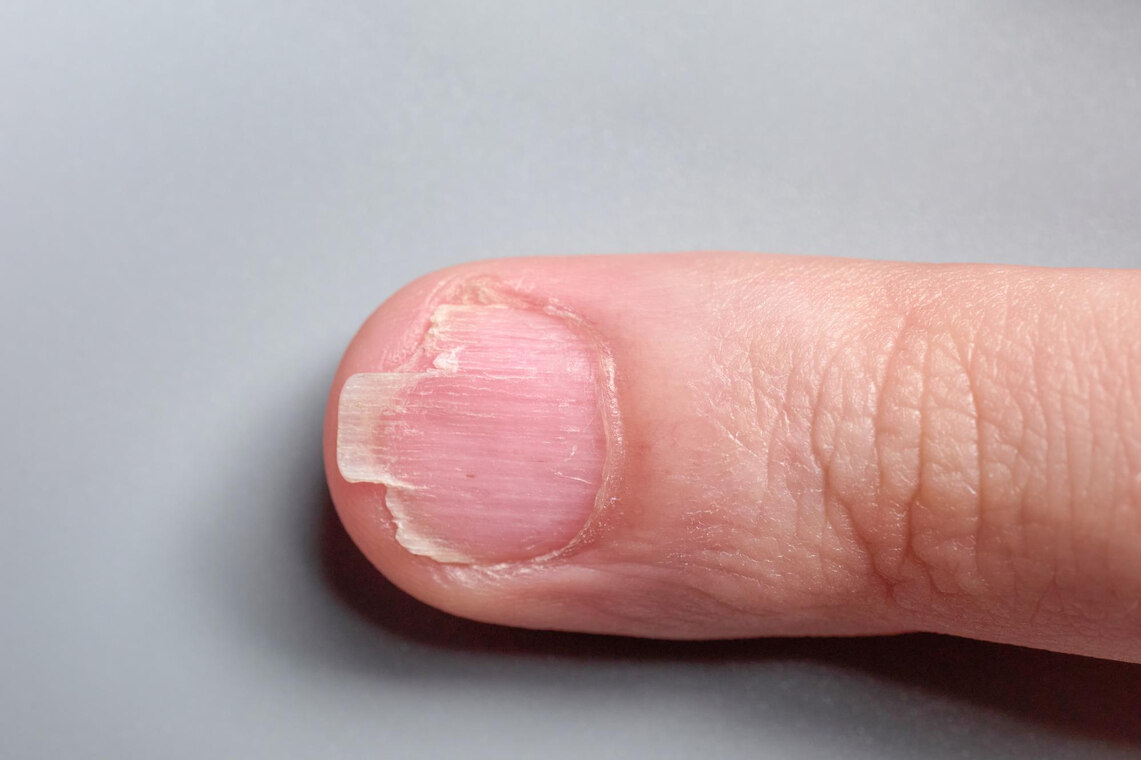
Thinning and soft nails are not only a cosmetic concern, they can also be a clue that something inside or outside the body is affecting them. When these changes happen, it’s worth looking at possible causes such as lifestyle, hormones, nutrient intake, or everyday environmental exposure.
Hormonal Causes
Hormones play a major role in the condition of skin, hair, and nails. Hormonal imbalance, temporary or ongoing, can cause changes in nail structure, growth, and strength.
- Hypothyroidism is a common condition whose symptoms may include nails that bend or thin easily. It can slow cell renewal, reduce keratin production, and affect water and nutrient delivery to the nail plate.
- Menopause, when estrogen levels naturally decline, can also affect nail condition. Estrogen helps maintain skin and nail hydration, so lower levels can contribute to dryness, brittleness, and weaker nails.
- Pregnancy and breastfeeding are times when nutrient needs increase, and stores of key nutrients, especially iron, calcium, biotin, and vitamin B12, can be used up more quickly. This may show up as fatigue, brittle nails, or hair shedding.
- Long-term stress can affect hormone balance and may indirectly influence nail metabolism and nutrient absorption.
Lifestyle Factors
Your nails can reflect everyday habits, especially your diet, hydration, and overall lifestyle.
- A diet low in vitamins and minerals may affect nail growth and appearance over time.
- Very restrictive dieting or unbalanced nutrition can deplete the body’s reserves and affect the structure of hair, skin, and nails.
- Smoking can reduce circulation and oxygen delivery throughout the body, which may slow nail growth and weaken nails.
- Not drinking enough fluids can dry out the skin around the nails and the nails themselves, while too much caffeine may interfere with the absorption of some minerals, such as calcium and magnesium.
External Influences
Nails are exposed to daily stressors, which can wear down the protective surface over time.
- Frequent hand washing, especially with harsh soaps or disinfectants, can strip away the skin and nail’s natural lipid layer. This can leave nails dry, cracked, and more likely to break.
- Household cleaners like detergents, scrubbing products, and other cleaners can irritate the nail plate and nail bed, especially without protective gloves. Frequent use of nail polish remover, particularly acetone-based formulas, can also dry and weaken nails.
- Frequent soaking in water, such as from dishwashing, bathing, or swimming, can soften the nail’s keratin layer, making nails more flexible and vulnerable. If nutrient levels are also low, nail recovery may slow down further.
When Should You See a Doctor?
If nail thinning appears suddenly, affects several fingers at once, or comes with other symptoms such as hair loss, fatigue, pale skin, or skin changes, it’s a good idea to see a specialist. Causes can include iron-deficiency anemia, thyroid conditions, or other health issues that need medical care. A healthcare professional can help identify the cause and recommend the right next steps.
Streaked Nails: What Your Nail Pattern May Indicate
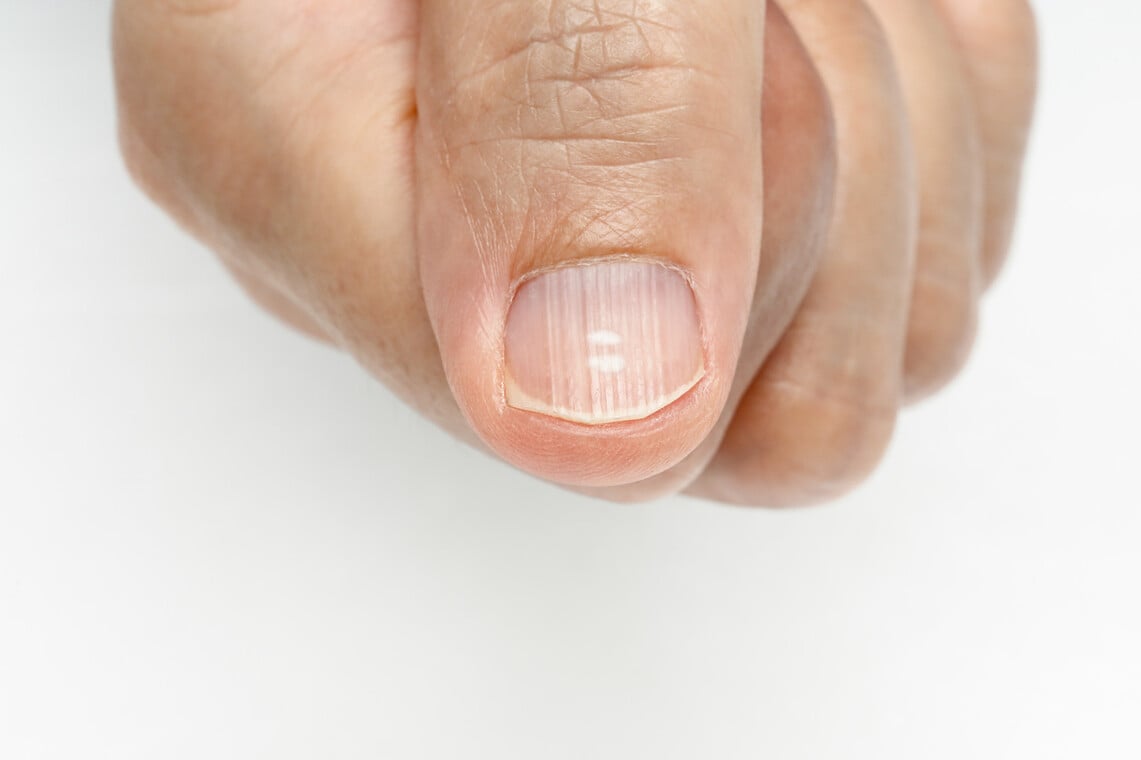
Nail lines are common and often harmless, especially with age. Still, they can sometimes reflect changes happening inside the body or a nutrient shortfall. It helps to distinguish between vertical and horizontal streaks, since the causes can differ.
Longitudinal Nail Lines: When They’re Normal and When They’re Not
Vertical lines, also called ridges, run from the nail bed toward the tip. Mild, shallow ridges are common with aging and do not necessarily signal a health issue. They may be related to age-related moisture loss and slower cell turnover.
If the lines are deeper or more noticeable, consider these possible causes:
- Low vitamin levels, especially vitamin B12 or biotin, may affect nail growth and renewal.
- Low zinc levels may affect normal nail growth.
- Chronic dehydration, low fluid intake, or excessive hand soaking.
- Autoimmune conditions
- Nail injuries, such as trauma to the nail matrix during a manicure, can also cause changes.
Transverse Nail Lines: When to Pay Attention
Horizontal lines on nails, called Beau’s lines, usually indicate a temporary slowdown in nail growth. They can appear after significant stress on the body or a strong inflammatory response. As the nail grows out, the ridges move forward over time.
Horizontal lines may appear because of:
- Recent fever or an illness such as the flu or a bacterial infection.
- Severe nutrient deficiencies, such as low iron, zinc, or protein intake, can also affect nails.
- Thyroid issues, especially hypothyroidism.
- Certain medical treatments or medication side effects.
- Severe stress or traumatic events can affect the body’s normal balance.
The position of Beau’s lines on the nail can help estimate when the triggering event occurred. Since nails grow about 2–3 mm per month, the distance from the nail bed can help trace timing.
When Should You Get Your Nails Checked?
Nail streaking alone is not always a cause for concern, but if streaks appear suddenly, are deep, affect several fingers at once, or come with other symptoms such as fatigue, hair loss, weight loss, or skin changes, see a doctor promptly.
Regularly checking your nails can help you spot early changes in their appearance, so streaks are not just a cosmetic concern, they can also be a useful clue about overall health.
What Is the Best Vitamin for Nail Support?
There isn’t one best nail-support vitamin for everyone. Nail condition depends on many factors, including lifestyle, diet, genetics, hormones, and overall health. That said, certain vitamins and minerals may help support nail health, especially when intake is low.
Combined Vitamin Supplements from USA Medical for Hair, Skin, and Nail Support
USA Medical offers several dietary supplements that can help support the health of hair, skin, and nails. These formulas include vitamins, minerals, and plant extracts designed to fit into a daily beauty routine.
⇒ Click here to browse the full range of hair, skin, and nail vitamins!
Summary
As you can see, nail condition often reflects more about how your body is doing than you might think. Brittle, soft, ridged, or thinning nails are not just cosmetic concerns, they can also point to a vitamin or mineral deficiency. Biotin, zinc, iron, and vitamins A, B, C, D, and E all support normal nail growth and structure when your body gets enough of them.
There isn’t one best nail-support vitamin for everyone. The right choice depends on your body’s unique needs, whether you get nutrients from food or supplements.
Dietary supplements are not a substitute for a varied, balanced diet or a healthy lifestyle.