
What Is THC?
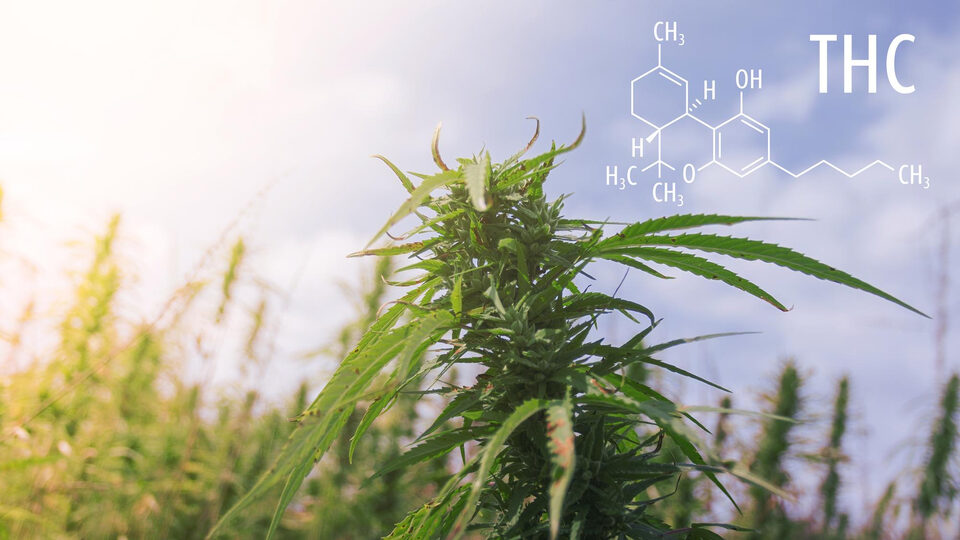
Prescription cannabinoid medicines are available in some markets and should be used only under the supervision of a licensed healthcare professional.
THC-containing products are used in different ways, including adult-use and medical settings. Laws and approved uses vary by location.
CBD and THC: What’s the difference?
CBD and THC are two well-known cannabis compounds with important differences in how they work, how they’re used, and their legal status.
CBD and THC are both naturally occurring cannabinoids. THC can produce intoxicating effects, while CBD is non-intoxicating.
Some research suggests CBD may influence how THC feels for some people, but findings are still limited.
CBD , Potential uses studied in research
CBD has been studied in preclinical and clinical research for several potential uses:
- Epidiolex is a prescription CBD medicine approved in multiple countries for certain epilepsy conditions.
- CBD has been studied for anxiety-related concerns, but research is still limited.
- Animal studies suggest CBD may affect inflammation pathways.
- Some early studies have explored CBD and sleep, but research is still limited.
THC is primarily studied for its psychoactive effects and a limited number of regulated uses.
Research is still exploring how CBD and THC may interact. Some combination products use a 1:1 ratio of CBD and THC.
CBD vs. THC Comparison Table
| Property | THC | CBD |
| Psychoactive effect | Yes (mind-altering) | No |
| Receptor binding | CB1 (strong), CB2 (weak) | Binds weakly to CB1 and indirectly affects CB2 |
| Potential effects | May be studied for nausea, muscle stiffness, and pain-related symptoms. | Potential research areas include anxiety, inflammation, and sleep. |
| Side effects | Possible side effects include anxiety, paranoia, memory issues, and fatigue | Most commonly reported side effects: drowsiness or dry mouth |
| Legal status varies by jurisdiction | Available only under strict medical and legal oversight. | Legal status depends on THC content and local regulations. |
| Forms of Use | Medical products, adult-use products | CBD oil, capsules, cosmetics, and prescription medicines such as Epidiolex |
Summary
THC is the best-known psychoactive compound in cannabis. CBD is non-intoxicating. Legal status and research findings vary by location and product type.
References and Scientific Sources- https://pmc.ncbi.nlm.nih.gov/articles/PMC4604171/
- https://pubmed.ncbi.nlm.nih.gov/30390221/
- https://onlinelibrary.wiley.com/doi/10.1111/epi.12631
- https://pmc.ncbi.nlm.nih.gov/articles/PMC5569602/
- https://pubmed.ncbi.nlm.nih.gov/31866386/
- https://pmc.ncbi.nlm.nih.gov/articles/PMC6326553/
- Nausea and vomiting research
- Appetite support
- Support for general comfort
- Reduction in muscle stiffness has been studied in medical research.
Prescription cannabinoid medicines are available in some markets and should be used only under the supervision of a licensed healthcare professional.
THC-containing products are used in different ways, including adult-use and medical settings. Laws and approved uses vary by location.
CBD and THC: What’s the difference?
CBD and THC are two well-known cannabis compounds with important differences in how they work, how they’re used, and their legal status.
CBD and THC are both naturally occurring cannabinoids. THC can produce intoxicating effects, while CBD is non-intoxicating.
Some research suggests CBD may influence how THC feels for some people, but findings are still limited.
CBD , Potential uses studied in research
CBD has been studied in preclinical and clinical research for several potential uses:
- Epidiolex is a prescription CBD medicine approved in multiple countries for certain epilepsy conditions.
- CBD has been studied for anxiety-related concerns, but research is still limited.
- Animal studies suggest CBD may affect inflammation pathways.
- Some early studies have explored CBD and sleep, but research is still limited.
THC is primarily studied for its psychoactive effects and a limited number of regulated uses.
Research is still exploring how CBD and THC may interact. Some combination products use a 1:1 ratio of CBD and THC.
CBD vs. THC Comparison Table
| Property | THC | CBD |
| Psychoactive effect | Yes (mind-altering) | No |
| Receptor binding | CB1 (strong), CB2 (weak) | Binds weakly to CB1 and indirectly affects CB2 |
| Potential effects | May be studied for nausea, muscle stiffness, and pain-related symptoms. | Potential research areas include anxiety, inflammation, and sleep. |
| Side effects | Possible side effects include anxiety, paranoia, memory issues, and fatigue | Most commonly reported side effects: drowsiness or dry mouth |
| Legal status varies by jurisdiction | Available only under strict medical and legal oversight. | Legal status depends on THC content and local regulations. |
| Forms of Use | Medical products, adult-use products | CBD oil, capsules, cosmetics, and prescription medicines such as Epidiolex |
Summary
THC is the best-known psychoactive compound in cannabis. CBD is non-intoxicating. Legal status and research findings vary by location and product type.
Scientific Background | Sources- https://pmc.ncbi.nlm.nih.gov/articles/PMC4604171/
- https://pubmed.ncbi.nlm.nih.gov/30390221/
- https://onlinelibrary.wiley.com/doi/10.1111/epi.12631
- https://pmc.ncbi.nlm.nih.gov/articles/PMC5569602/
- https://pubmed.ncbi.nlm.nih.gov/31866386/
- https://pmc.ncbi.nlm.nih.gov/articles/PMC6326553/
- Increased appetite
- Reduced pain perception has been reported in some research settings.
- Muscle relaxation
- Increased heart rate and changes in blood pressure
- Dry mouth and red eyes are common side effects.
THC can cause drowsiness or coordination problems, which can make driving unsafe. Inhaled and oral products differ in how quickly effects begin and how long they may last.
Occurrence and use of THC
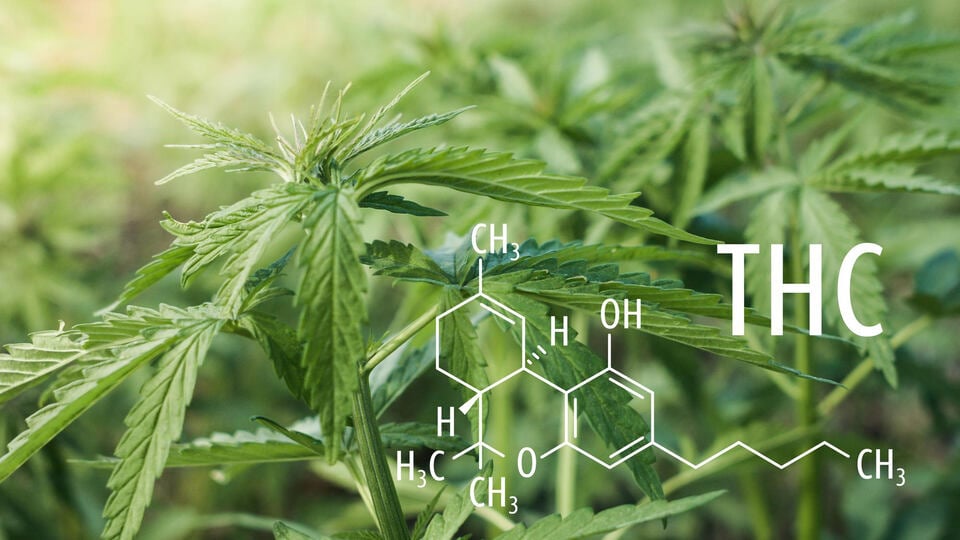
THC is used in both medical and adult-use cannabis products. Laws and approved uses vary by location.
THC-containing medical cannabis products are used in some settings under medical supervision. These include:
- Nausea and vomiting research
- Appetite support
- Support for general comfort
- Reduction in muscle stiffness has been studied in medical research.
Prescription cannabinoid medicines are available in some markets and should be used only under the supervision of a licensed healthcare professional.
THC-containing products are used in different ways, including adult-use and medical settings. Laws and approved uses vary by location.
CBD and THC: What’s the difference?
CBD and THC are two well-known cannabis compounds with important differences in how they work, how they’re used, and their legal status.
CBD and THC are both naturally occurring cannabinoids. THC can produce intoxicating effects, while CBD is non-intoxicating.
Some research suggests CBD may influence how THC feels for some people, but findings are still limited.
CBD , Potential uses studied in research
CBD has been studied in preclinical and clinical research for several potential uses:
- Epidiolex is a prescription CBD medicine approved in multiple countries for certain epilepsy conditions.
- CBD has been studied for anxiety-related concerns, but research is still limited.
- Animal studies suggest CBD may affect inflammation pathways.
- Some early studies have explored CBD and sleep, but research is still limited.
THC is primarily studied for its psychoactive effects and a limited number of regulated uses.
Research is still exploring how CBD and THC may interact. Some combination products use a 1:1 ratio of CBD and THC.
CBD vs. THC Comparison Table
| Property | THC | CBD |
| Psychoactive effect | Yes (mind-altering) | No |
| Receptor binding | CB1 (strong), CB2 (weak) | Binds weakly to CB1 and indirectly affects CB2 |
| Potential effects | May be studied for nausea, muscle stiffness, and pain-related symptoms. | Potential research areas include anxiety, inflammation, and sleep. |
| Side effects | Possible side effects include anxiety, paranoia, memory issues, and fatigue | Most commonly reported side effects: drowsiness or dry mouth |
| Legal status varies by jurisdiction | Available only under strict medical and legal oversight. | Legal status depends on THC content and local regulations. |
| Forms of Use | Medical products, adult-use products | CBD oil, capsules, cosmetics, and prescription medicines such as Epidiolex |
Summary
THC is the best-known psychoactive compound in cannabis. CBD is non-intoxicating. Legal status and research findings vary by location and product type.
Scientific Background | Sources- https://pmc.ncbi.nlm.nih.gov/articles/PMC4604171/
- https://pubmed.ncbi.nlm.nih.gov/30390221/
- https://onlinelibrary.wiley.com/doi/10.1111/epi.12631
- https://pmc.ncbi.nlm.nih.gov/articles/PMC5569602/
- https://pubmed.ncbi.nlm.nih.gov/31866386/
- https://pmc.ncbi.nlm.nih.gov/articles/PMC6326553/
THC, or tetrahydrocannabinol, is the best-known psychoactive compound in cannabis. This article explains what THC is, how it works, and how THC content can vary by plant type.
What is THC?
THC, or delta-9-tetrahydrocannabinol, is one of the best-known compounds in cannabis. It is responsible for the intoxicating effects associated with marijuana use.
THC is a plant-derived cannabinoid. Cannabis contains many cannabinoids, and THC levels can vary widely by strain and product type.
THC chemistry and how it works
THC is fat-soluble, which affects how it moves through the body and how long it may remain detectable.
THC interacts with the endocannabinoid system, which helps regulate several body functions. Effects can vary from person to person, and unwanted side effects may also occur.
Effects of THC on the body
THC effects vary based on dose, product type, route of use, individual sensitivity, and frequency of use. Below, we describe the two most common types of effects separately.
Psychoactive effects: altered consciousness and changes in perception
THC’s best-known effect is intoxication, which occurs through CB1 receptors in the brain. The experience can vary from person to person.
- Feeling of euphoria or being “high”
- Heightened perception , for example, more intense music, flavors, and colors
- Altered sense of time
- Relaxation or drowsiness
- Altered speech and thought flow
Some people describe these effects positively. However, with high-THC products or in more sensitive individuals, anxiety, paranoia, or hallucinations may occur.
Physical effects: increased appetite and changes in heart rate
THC may affect both CB1 and CB2 receptors and can influence physical effects such as appetite, heart rate, and alertness.
- Increased appetite
- Reduced pain perception has been reported in some research settings.
- Muscle relaxation
- Increased heart rate and changes in blood pressure
- Dry mouth and red eyes are common side effects.
THC can cause drowsiness or coordination problems, which can make driving unsafe. Inhaled and oral products differ in how quickly effects begin and how long they may last.
Occurrence and use of THC
THC is used in both medical and adult-use cannabis products. Laws and approved uses vary by location.
THC-containing medical cannabis products are used in some settings under medical supervision. These include:
- Nausea and vomiting research
- Appetite support
- Support for general comfort
- Reduction in muscle stiffness has been studied in medical research.
Prescription cannabinoid medicines are available in some markets and should be used only under the supervision of a licensed healthcare professional.
THC-containing products are used in different ways, including adult-use and medical settings. Laws and approved uses vary by location.
CBD and THC: What’s the difference?
CBD and THC are two well-known cannabis compounds with important differences in how they work, how they’re used, and their legal status.
CBD and THC are both naturally occurring cannabinoids. THC can produce intoxicating effects, while CBD is non-intoxicating.
Some research suggests CBD may influence how THC feels for some people, but findings are still limited.
CBD , Potential uses studied in research
CBD has been studied in preclinical and clinical research for several potential uses:
- Epidiolex is a prescription CBD medicine approved in multiple countries for certain epilepsy conditions.
- CBD has been studied for anxiety-related concerns, but research is still limited.
- Animal studies suggest CBD may affect inflammation pathways.
- Some early studies have explored CBD and sleep, but research is still limited.
THC is primarily studied for its psychoactive effects and a limited number of regulated uses.
Research is still exploring how CBD and THC may interact. Some combination products use a 1:1 ratio of CBD and THC.
CBD vs. THC Comparison Table
| Property | THC | CBD |
| Psychoactive effect | Yes (mind-altering) | No |
| Receptor binding | CB1 (strong), CB2 (weak) | Binds weakly to CB1 and indirectly affects CB2 |
| Potential effects | May be studied for nausea, muscle stiffness, and pain-related symptoms. | Potential research areas include anxiety, inflammation, and sleep. |
| Side effects | Possible side effects include anxiety, paranoia, memory issues, and fatigue | Most commonly reported side effects: drowsiness or dry mouth |
| Legal status varies by jurisdiction | Available only under strict medical and legal oversight. | Legal status depends on THC content and local regulations. |
| Forms of Use | Medical products, adult-use products | CBD oil, capsules, cosmetics, and prescription medicines such as Epidiolex |
Summary
THC is the best-known psychoactive compound in cannabis. CBD is non-intoxicating. Legal status and research findings vary by location and product type.
Scientific Background | Sources- https://pmc.ncbi.nlm.nih.gov/articles/PMC4604171/
- https://pubmed.ncbi.nlm.nih.gov/30390221/
- https://onlinelibrary.wiley.com/doi/10.1111/epi.12631
- https://pmc.ncbi.nlm.nih.gov/articles/PMC5569602/
- https://pubmed.ncbi.nlm.nih.gov/31866386/
- https://pmc.ncbi.nlm.nih.gov/articles/PMC6326553/
- Nausea and vomiting research
- Appetite support
- Support for general comfort
- Reduction in muscle stiffness has been studied in medical research.
Prescription cannabinoid medicines are available in some markets and should be used only under the supervision of a licensed healthcare professional.
THC-containing products are used in different ways, including adult-use and medical settings. Laws and approved uses vary by location.
CBD and THC: What’s the difference?
CBD and THC are two well-known cannabis compounds with important differences in how they work, how they’re used, and their legal status.
CBD and THC are both naturally occurring cannabinoids. THC can produce intoxicating effects, while CBD is non-intoxicating.
Some research suggests CBD may influence how THC feels for some people, but findings are still limited.
CBD , Potential uses studied in research
CBD has been studied in preclinical and clinical research for several potential uses:
- Epidiolex is a prescription CBD medicine approved in multiple countries for certain epilepsy conditions.
- CBD has been studied for anxiety-related concerns, but research is still limited.
- Animal studies suggest CBD may affect inflammation pathways.
- Some early studies have explored CBD and sleep, but research is still limited.
THC is primarily studied for its psychoactive effects and a limited number of regulated uses.
Research is still exploring how CBD and THC may interact. Some combination products use a 1:1 ratio of CBD and THC.
CBD vs. THC Comparison Table
| Property | THC | CBD |
| Psychoactive effect | Yes (mind-altering) | No |
| Receptor binding | CB1 (strong), CB2 (weak) | Binds weakly to CB1 and indirectly affects CB2 |
| Potential effects | May be studied for nausea, muscle stiffness, and pain-related symptoms. | Potential research areas include anxiety, inflammation, and sleep. |
| Side effects | Possible side effects include anxiety, paranoia, memory issues, and fatigue | Most commonly reported side effects: drowsiness or dry mouth |
| Legal status varies by jurisdiction | Available only under strict medical and legal oversight. | Legal status depends on THC content and local regulations. |
| Forms of Use | Medical products, adult-use products | CBD oil, capsules, cosmetics, and prescription medicines such as Epidiolex |
Summary
THC is the best-known psychoactive compound in cannabis. CBD is non-intoxicating. Legal status and research findings vary by location and product type.
Scientific Background | Sources- https://pmc.ncbi.nlm.nih.gov/articles/PMC4604171/
- https://pubmed.ncbi.nlm.nih.gov/30390221/
- https://onlinelibrary.wiley.com/doi/10.1111/epi.12631
- https://pmc.ncbi.nlm.nih.gov/articles/PMC5569602/
- https://pubmed.ncbi.nlm.nih.gov/31866386/
- https://pmc.ncbi.nlm.nih.gov/articles/PMC6326553/
THC, or tetrahydrocannabinol, is the best-known psychoactive compound in cannabis. This article explains what THC is, how it works, and how THC content can vary by plant type.
What is THC?
THC, or delta-9-tetrahydrocannabinol, is one of the best-known compounds in cannabis. It is responsible for the intoxicating effects associated with marijuana use.
THC is a plant-derived cannabinoid. Cannabis contains many cannabinoids, and THC levels can vary widely by strain and product type.
THC chemistry and how it works
THC is fat-soluble, which affects how it moves through the body and how long it may remain detectable.
THC interacts with the endocannabinoid system, which helps regulate several body functions. Effects can vary from person to person, and unwanted side effects may also occur.
Effects of THC on the body
THC effects vary based on dose, product type, route of use, individual sensitivity, and frequency of use. Below, we describe the two most common types of effects separately.
Psychoactive effects: altered consciousness and changes in perception
THC’s best-known effect is intoxication, which occurs through CB1 receptors in the brain. The experience can vary from person to person.
- Feeling of euphoria or being “high”
- Heightened perception , for example, more intense music, flavors, and colors
- Altered sense of time
- Relaxation or drowsiness
- Altered speech and thought flow
Some people describe these effects positively. However, with high-THC products or in more sensitive individuals, anxiety, paranoia, or hallucinations may occur.
Physical effects: increased appetite and changes in heart rate
THC may affect both CB1 and CB2 receptors and can influence physical effects such as appetite, heart rate, and alertness.
- Increased appetite
- Reduced pain perception has been reported in some research settings.
- Muscle relaxation
- Increased heart rate and changes in blood pressure
- Dry mouth and red eyes are common side effects.
THC can cause drowsiness or coordination problems, which can make driving unsafe. Inhaled and oral products differ in how quickly effects begin and how long they may last.
Occurrence and use of THC
THC is used in both medical and adult-use cannabis products. Laws and approved uses vary by location.
THC-containing medical cannabis products are used in some settings under medical supervision. These include:
- Nausea and vomiting research
- Appetite support
- Support for general comfort
- Reduction in muscle stiffness has been studied in medical research.
Prescription cannabinoid medicines are available in some markets and should be used only under the supervision of a licensed healthcare professional.
THC-containing products are used in different ways, including adult-use and medical settings. Laws and approved uses vary by location.
CBD and THC: What’s the difference?
CBD and THC are two well-known cannabis compounds with important differences in how they work, how they’re used, and their legal status.
CBD and THC are both naturally occurring cannabinoids. THC can produce intoxicating effects, while CBD is non-intoxicating.
Some research suggests CBD may influence how THC feels for some people, but findings are still limited.
CBD , Potential uses studied in research
CBD has been studied in preclinical and clinical research for several potential uses:
- Epidiolex is a prescription CBD medicine approved in multiple countries for certain epilepsy conditions.
- CBD has been studied for anxiety-related concerns, but research is still limited.
- Animal studies suggest CBD may affect inflammation pathways.
- Some early studies have explored CBD and sleep, but research is still limited.
THC is primarily studied for its psychoactive effects and a limited number of regulated uses.
Research is still exploring how CBD and THC may interact. Some combination products use a 1:1 ratio of CBD and THC.
CBD vs. THC Comparison Table
| Property | THC | CBD |
| Psychoactive effect | Yes (mind-altering) | No |
| Receptor binding | CB1 (strong), CB2 (weak) | Binds weakly to CB1 and indirectly affects CB2 |
| Potential effects | May be studied for nausea, muscle stiffness, and pain-related symptoms. | Potential research areas include anxiety, inflammation, and sleep. |
| Side effects | Possible side effects include anxiety, paranoia, memory issues, and fatigue | Most commonly reported side effects: drowsiness or dry mouth |
| Legal status varies by jurisdiction | Available only under strict medical and legal oversight. | Legal status depends on THC content and local regulations. |
| Forms of Use | Medical products, adult-use products | CBD oil, capsules, cosmetics, and prescription medicines such as Epidiolex |
Summary
THC is the best-known psychoactive compound in cannabis. CBD is non-intoxicating. Legal status and research findings vary by location and product type.
Scientific Background | Sources- https://pmc.ncbi.nlm.nih.gov/articles/PMC4604171/
- https://pubmed.ncbi.nlm.nih.gov/30390221/
- https://onlinelibrary.wiley.com/doi/10.1111/epi.12631
- https://pmc.ncbi.nlm.nih.gov/articles/PMC5569602/
- https://pubmed.ncbi.nlm.nih.gov/31866386/
- https://pmc.ncbi.nlm.nih.gov/articles/PMC6326553/
- Increased appetite
- Reduced pain perception has been reported in some research settings.
- Muscle relaxation
- Increased heart rate and changes in blood pressure
- Dry mouth and red eyes are common side effects.
THC can cause drowsiness or coordination problems, which can make driving unsafe. Inhaled and oral products differ in how quickly effects begin and how long they may last.
Occurrence and use of THC
THC is used in both medical and adult-use cannabis products. Laws and approved uses vary by location.
THC-containing medical cannabis products are used in some settings under medical supervision. These include:
- Nausea and vomiting research
- Appetite support
- Support for general comfort
- Reduction in muscle stiffness has been studied in medical research.
Prescription cannabinoid medicines are available in some markets and should be used only under the supervision of a licensed healthcare professional.
THC-containing products are used in different ways, including adult-use and medical settings. Laws and approved uses vary by location.
CBD and THC: What’s the difference?
CBD and THC are two well-known cannabis compounds with important differences in how they work, how they’re used, and their legal status.
CBD and THC are both naturally occurring cannabinoids. THC can produce intoxicating effects, while CBD is non-intoxicating.
Some research suggests CBD may influence how THC feels for some people, but findings are still limited.
CBD , Potential uses studied in research
CBD has been studied in preclinical and clinical research for several potential uses:
- Epidiolex is a prescription CBD medicine approved in multiple countries for certain epilepsy conditions.
- CBD has been studied for anxiety-related concerns, but research is still limited.
- Animal studies suggest CBD may affect inflammation pathways.
- Some early studies have explored CBD and sleep, but research is still limited.
THC is primarily studied for its psychoactive effects and a limited number of regulated uses.
Research is still exploring how CBD and THC may interact. Some combination products use a 1:1 ratio of CBD and THC.
CBD vs. THC Comparison Table
| Property | THC | CBD |
| Psychoactive effect | Yes (mind-altering) | No |
| Receptor binding | CB1 (strong), CB2 (weak) | Binds weakly to CB1 and indirectly affects CB2 |
| Potential effects | May be studied for nausea, muscle stiffness, and pain-related symptoms. | Potential research areas include anxiety, inflammation, and sleep. |
| Side effects | Possible side effects include anxiety, paranoia, memory issues, and fatigue | Most commonly reported side effects: drowsiness or dry mouth |
| Legal status varies by jurisdiction | Available only under strict medical and legal oversight. | Legal status depends on THC content and local regulations. |
| Forms of Use | Medical products, adult-use products | CBD oil, capsules, cosmetics, and prescription medicines such as Epidiolex |
Summary
THC is the best-known psychoactive compound in cannabis. CBD is non-intoxicating. Legal status and research findings vary by location and product type.
Scientific Background | Sources- https://pmc.ncbi.nlm.nih.gov/articles/PMC4604171/
- https://pubmed.ncbi.nlm.nih.gov/30390221/
- https://onlinelibrary.wiley.com/doi/10.1111/epi.12631
- https://pmc.ncbi.nlm.nih.gov/articles/PMC5569602/
- https://pubmed.ncbi.nlm.nih.gov/31866386/
- https://pmc.ncbi.nlm.nih.gov/articles/PMC6326553/
THC, or tetrahydrocannabinol, is the best-known psychoactive compound in cannabis. This article explains what THC is, how it works, and how THC content can vary by plant type.
What is THC?
THC, or delta-9-tetrahydrocannabinol, is one of the best-known compounds in cannabis. It is responsible for the intoxicating effects associated with marijuana use.
THC is a plant-derived cannabinoid. Cannabis contains many cannabinoids, and THC levels can vary widely by strain and product type.
THC chemistry and how it works
THC is fat-soluble, which affects how it moves through the body and how long it may remain detectable.
THC interacts with the endocannabinoid system, which helps regulate several body functions. Effects can vary from person to person, and unwanted side effects may also occur.
Effects of THC on the body
THC effects vary based on dose, product type, route of use, individual sensitivity, and frequency of use. Below, we describe the two most common types of effects separately.
Psychoactive effects: altered consciousness and changes in perception
THC’s best-known effect is intoxication, which occurs through CB1 receptors in the brain. The experience can vary from person to person.
- Feeling of euphoria or being “high”
- Heightened perception , for example, more intense music, flavors, and colors
- Altered sense of time
- Relaxation or drowsiness
- Altered speech and thought flow
Some people describe these effects positively. However, with high-THC products or in more sensitive individuals, anxiety, paranoia, or hallucinations may occur.
Physical effects: increased appetite and changes in heart rate
THC may affect both CB1 and CB2 receptors and can influence physical effects such as appetite, heart rate, and alertness.
- Increased appetite
- Reduced pain perception has been reported in some research settings.
- Muscle relaxation
- Increased heart rate and changes in blood pressure
- Dry mouth and red eyes are common side effects.
THC can cause drowsiness or coordination problems, which can make driving unsafe. Inhaled and oral products differ in how quickly effects begin and how long they may last.
Occurrence and use of THC
THC is used in both medical and adult-use cannabis products. Laws and approved uses vary by location.
THC-containing medical cannabis products are used in some settings under medical supervision. These include:
- Nausea and vomiting research
- Appetite support
- Support for general comfort
- Reduction in muscle stiffness has been studied in medical research.
Prescription cannabinoid medicines are available in some markets and should be used only under the supervision of a licensed healthcare professional.
THC-containing products are used in different ways, including adult-use and medical settings. Laws and approved uses vary by location.
CBD and THC: What’s the difference?
CBD and THC are two well-known cannabis compounds with important differences in how they work, how they’re used, and their legal status.
CBD and THC are both naturally occurring cannabinoids. THC can produce intoxicating effects, while CBD is non-intoxicating.
Some research suggests CBD may influence how THC feels for some people, but findings are still limited.
CBD , Potential uses studied in research
CBD has been studied in preclinical and clinical research for several potential uses:
- Epidiolex is a prescription CBD medicine approved in multiple countries for certain epilepsy conditions.
- CBD has been studied for anxiety-related concerns, but research is still limited.
- Animal studies suggest CBD may affect inflammation pathways.
- Some early studies have explored CBD and sleep, but research is still limited.
THC is primarily studied for its psychoactive effects and a limited number of regulated uses.
Research is still exploring how CBD and THC may interact. Some combination products use a 1:1 ratio of CBD and THC.
CBD vs. THC Comparison Table
| Property | THC | CBD |
| Psychoactive effect | Yes (mind-altering) | No |
| Receptor binding | CB1 (strong), CB2 (weak) | Binds weakly to CB1 and indirectly affects CB2 |
| Potential effects | May be studied for nausea, muscle stiffness, and pain-related symptoms. | Potential research areas include anxiety, inflammation, and sleep. |
| Side effects | Possible side effects include anxiety, paranoia, memory issues, and fatigue | Most commonly reported side effects: drowsiness or dry mouth |
| Legal status varies by jurisdiction | Available only under strict medical and legal oversight. | Legal status depends on THC content and local regulations. |
| Forms of Use | Medical products, adult-use products | CBD oil, capsules, cosmetics, and prescription medicines such as Epidiolex |
Summary
THC is the best-known psychoactive compound in cannabis. CBD is non-intoxicating. Legal status and research findings vary by location and product type.
Scientific Background | Sources- https://pmc.ncbi.nlm.nih.gov/articles/PMC4604171/
- https://pubmed.ncbi.nlm.nih.gov/30390221/
- https://onlinelibrary.wiley.com/doi/10.1111/epi.12631
- https://pmc.ncbi.nlm.nih.gov/articles/PMC5569602/
- https://pubmed.ncbi.nlm.nih.gov/31866386/
- https://pmc.ncbi.nlm.nih.gov/articles/PMC6326553/
- Nausea and vomiting research
- Appetite support
- Support for general comfort
- Reduction in muscle stiffness has been studied in medical research.
Prescription cannabinoid medicines are available in some markets and should be used only under the supervision of a licensed healthcare professional.
THC-containing products are used in different ways, including adult-use and medical settings. Laws and approved uses vary by location.
CBD and THC: What’s the difference?
CBD and THC are two well-known cannabis compounds with important differences in how they work, how they’re used, and their legal status.
CBD and THC are both naturally occurring cannabinoids. THC can produce intoxicating effects, while CBD is non-intoxicating.
Some research suggests CBD may influence how THC feels for some people, but findings are still limited.
CBD , Potential uses studied in research
CBD has been studied in preclinical and clinical research for several potential uses:
- Epidiolex is a prescription CBD medicine approved in multiple countries for certain epilepsy conditions.
- CBD has been studied for anxiety-related concerns, but research is still limited.
- Animal studies suggest CBD may affect inflammation pathways.
- Some early studies have explored CBD and sleep, but research is still limited.
THC is primarily studied for its psychoactive effects and a limited number of regulated uses.
Research is still exploring how CBD and THC may interact. Some combination products use a 1:1 ratio of CBD and THC.
CBD vs. THC Comparison Table
| Property | THC | CBD |
| Psychoactive effect | Yes (mind-altering) | No |
| Receptor binding | CB1 (strong), CB2 (weak) | Binds weakly to CB1 and indirectly affects CB2 |
| Potential effects | May be studied for nausea, muscle stiffness, and pain-related symptoms. | Potential research areas include anxiety, inflammation, and sleep. |
| Side effects | Possible side effects include anxiety, paranoia, memory issues, and fatigue | Most commonly reported side effects: drowsiness or dry mouth |
| Legal status varies by jurisdiction | Available only under strict medical and legal oversight. | Legal status depends on THC content and local regulations. |
| Forms of Use | Medical products, adult-use products | CBD oil, capsules, cosmetics, and prescription medicines such as Epidiolex |
Summary
THC is the best-known psychoactive compound in cannabis. CBD is non-intoxicating. Legal status and research findings vary by location and product type.
Scientific Background | Sources- https://pmc.ncbi.nlm.nih.gov/articles/PMC4604171/
- https://pubmed.ncbi.nlm.nih.gov/30390221/
- https://onlinelibrary.wiley.com/doi/10.1111/epi.12631
- https://pmc.ncbi.nlm.nih.gov/articles/PMC5569602/
- https://pubmed.ncbi.nlm.nih.gov/31866386/
- https://pmc.ncbi.nlm.nih.gov/articles/PMC6326553/
- Increased appetite
- Reduced pain perception has been reported in some research settings.
- Muscle relaxation
- Increased heart rate and changes in blood pressure
- Dry mouth and red eyes are common side effects.
THC can cause drowsiness or coordination problems, which can make driving unsafe. Inhaled and oral products differ in how quickly effects begin and how long they may last.
Occurrence and use of THC
THC is used in both medical and adult-use cannabis products. Laws and approved uses vary by location.
THC-containing medical cannabis products are used in some settings under medical supervision. These include:
- Nausea and vomiting research
- Appetite support
- Support for general comfort
- Reduction in muscle stiffness has been studied in medical research.
Prescription cannabinoid medicines are available in some markets and should be used only under the supervision of a licensed healthcare professional.
THC-containing products are used in different ways, including adult-use and medical settings. Laws and approved uses vary by location.
CBD and THC: What’s the difference?
CBD and THC are two well-known cannabis compounds with important differences in how they work, how they’re used, and their legal status.
CBD and THC are both naturally occurring cannabinoids. THC can produce intoxicating effects, while CBD is non-intoxicating.
Some research suggests CBD may influence how THC feels for some people, but findings are still limited.
CBD , Potential uses studied in research
CBD has been studied in preclinical and clinical research for several potential uses:
- Epidiolex is a prescription CBD medicine approved in multiple countries for certain epilepsy conditions.
- CBD has been studied for anxiety-related concerns, but research is still limited.
- Animal studies suggest CBD may affect inflammation pathways.
- Some early studies have explored CBD and sleep, but research is still limited.
THC is primarily studied for its psychoactive effects and a limited number of regulated uses.
Research is still exploring how CBD and THC may interact. Some combination products use a 1:1 ratio of CBD and THC.
CBD vs. THC Comparison Table
| Property | THC | CBD |
| Psychoactive effect | Yes (mind-altering) | No |
| Receptor binding | CB1 (strong), CB2 (weak) | Binds weakly to CB1 and indirectly affects CB2 |
| Potential effects | May be studied for nausea, muscle stiffness, and pain-related symptoms. | Potential research areas include anxiety, inflammation, and sleep. |
| Side effects | Possible side effects include anxiety, paranoia, memory issues, and fatigue | Most commonly reported side effects: drowsiness or dry mouth |
| Legal status varies by jurisdiction | Available only under strict medical and legal oversight. | Legal status depends on THC content and local regulations. |
| Forms of Use | Medical products, adult-use products | CBD oil, capsules, cosmetics, and prescription medicines such as Epidiolex |
Summary
THC is the best-known psychoactive compound in cannabis. CBD is non-intoxicating. Legal status and research findings vary by location and product type.
Scientific Background | Sources- https://pmc.ncbi.nlm.nih.gov/articles/PMC4604171/
- https://pubmed.ncbi.nlm.nih.gov/30390221/
- https://onlinelibrary.wiley.com/doi/10.1111/epi.12631
- https://pmc.ncbi.nlm.nih.gov/articles/PMC5569602/
- https://pubmed.ncbi.nlm.nih.gov/31866386/
- https://pmc.ncbi.nlm.nih.gov/articles/PMC6326553/
THC, or tetrahydrocannabinol, is the best-known psychoactive compound in cannabis. This article explains what THC is, how it works, and how THC content can vary by plant type.
What is THC?
THC, or delta-9-tetrahydrocannabinol, is one of the best-known compounds in cannabis. It is responsible for the intoxicating effects associated with marijuana use.
THC is a plant-derived cannabinoid. Cannabis contains many cannabinoids, and THC levels can vary widely by strain and product type.
THC chemistry and how it works
THC is fat-soluble, which affects how it moves through the body and how long it may remain detectable.
THC interacts with the endocannabinoid system, which helps regulate several body functions. Effects can vary from person to person, and unwanted side effects may also occur.
Effects of THC on the body
THC effects vary based on dose, product type, route of use, individual sensitivity, and frequency of use. Below, we describe the two most common types of effects separately.
Psychoactive effects: altered consciousness and changes in perception
THC’s best-known effect is intoxication, which occurs through CB1 receptors in the brain. The experience can vary from person to person.
- Feeling of euphoria or being “high”
- Heightened perception , for example, more intense music, flavors, and colors
- Altered sense of time
- Relaxation or drowsiness
- Altered speech and thought flow
Some people describe these effects positively. However, with high-THC products or in more sensitive individuals, anxiety, paranoia, or hallucinations may occur.
Physical effects: increased appetite and changes in heart rate
THC may affect both CB1 and CB2 receptors and can influence physical effects such as appetite, heart rate, and alertness.
- Increased appetite
- Reduced pain perception has been reported in some research settings.
- Muscle relaxation
- Increased heart rate and changes in blood pressure
- Dry mouth and red eyes are common side effects.
THC can cause drowsiness or coordination problems, which can make driving unsafe. Inhaled and oral products differ in how quickly effects begin and how long they may last.
Occurrence and use of THC
THC is used in both medical and adult-use cannabis products. Laws and approved uses vary by location.
THC-containing medical cannabis products are used in some settings under medical supervision. These include:
- Nausea and vomiting research
- Appetite support
- Support for general comfort
- Reduction in muscle stiffness has been studied in medical research.
Prescription cannabinoid medicines are available in some markets and should be used only under the supervision of a licensed healthcare professional.
THC-containing products are used in different ways, including adult-use and medical settings. Laws and approved uses vary by location.
CBD and THC: What’s the difference?
CBD and THC are two well-known cannabis compounds with important differences in how they work, how they’re used, and their legal status.
CBD and THC are both naturally occurring cannabinoids. THC can produce intoxicating effects, while CBD is non-intoxicating.
Some research suggests CBD may influence how THC feels for some people, but findings are still limited.
CBD , Potential uses studied in research
CBD has been studied in preclinical and clinical research for several potential uses:
- Epidiolex is a prescription CBD medicine approved in multiple countries for certain epilepsy conditions.
- CBD has been studied for anxiety-related concerns, but research is still limited.
- Animal studies suggest CBD may affect inflammation pathways.
- Some early studies have explored CBD and sleep, but research is still limited.
THC is primarily studied for its psychoactive effects and a limited number of regulated uses.
Research is still exploring how CBD and THC may interact. Some combination products use a 1:1 ratio of CBD and THC.
CBD vs. THC Comparison Table
| Property | THC | CBD |
| Psychoactive effect | Yes (mind-altering) | No |
| Receptor binding | CB1 (strong), CB2 (weak) | Binds weakly to CB1 and indirectly affects CB2 |
| Potential effects | May be studied for nausea, muscle stiffness, and pain-related symptoms. | Potential research areas include anxiety, inflammation, and sleep. |
| Side effects | Possible side effects include anxiety, paranoia, memory issues, and fatigue | Most commonly reported side effects: drowsiness or dry mouth |
| Legal status varies by jurisdiction | Available only under strict medical and legal oversight. | Legal status depends on THC content and local regulations. |
| Forms of Use | Medical products, adult-use products | CBD oil, capsules, cosmetics, and prescription medicines such as Epidiolex |
Summary
THC is the best-known psychoactive compound in cannabis. CBD is non-intoxicating. Legal status and research findings vary by location and product type.
Scientific Background | Sources- https://pmc.ncbi.nlm.nih.gov/articles/PMC4604171/
- https://pubmed.ncbi.nlm.nih.gov/30390221/
- https://onlinelibrary.wiley.com/doi/10.1111/epi.12631
- https://pmc.ncbi.nlm.nih.gov/articles/PMC5569602/
- https://pubmed.ncbi.nlm.nih.gov/31866386/
- https://pmc.ncbi.nlm.nih.gov/articles/PMC6326553/
- Increased appetite
- Reduced pain perception has been reported in some research settings.
- Muscle relaxation
- Increased heart rate and changes in blood pressure
- Dry mouth and red eyes are common side effects.
THC can cause drowsiness or coordination problems, which can make driving unsafe. Inhaled and oral products differ in how quickly effects begin and how long they may last.
Occurrence and use of THC
THC is used in both medical and adult-use cannabis products. Laws and approved uses vary by location.
THC-containing medical cannabis products are used in some settings under medical supervision. These include:
- Nausea and vomiting research
- Appetite support
- Support for general comfort
- Reduction in muscle stiffness has been studied in medical research.
Prescription cannabinoid medicines are available in some markets and should be used only under the supervision of a licensed healthcare professional.
THC-containing products are used in different ways, including adult-use and medical settings. Laws and approved uses vary by location.
CBD and THC: What’s the difference?
CBD and THC are two well-known cannabis compounds with important differences in how they work, how they’re used, and their legal status.
CBD and THC are both naturally occurring cannabinoids. THC can produce intoxicating effects, while CBD is non-intoxicating.
Some research suggests CBD may influence how THC feels for some people, but findings are still limited.
CBD , Potential uses studied in research
CBD has been studied in preclinical and clinical research for several potential uses:
- Epidiolex is a prescription CBD medicine approved in multiple countries for certain epilepsy conditions.
- CBD has been studied for anxiety-related concerns, but research is still limited.
- Animal studies suggest CBD may affect inflammation pathways.
- Some early studies have explored CBD and sleep, but research is still limited.
THC is primarily studied for its psychoactive effects and a limited number of regulated uses.
Research is still exploring how CBD and THC may interact. Some combination products use a 1:1 ratio of CBD and THC.
CBD vs. THC Comparison Table
| Property | THC | CBD |
| Psychoactive effect | Yes (mind-altering) | No |
| Receptor binding | CB1 (strong), CB2 (weak) | Binds weakly to CB1 and indirectly affects CB2 |
| Potential effects | May be studied for nausea, muscle stiffness, and pain-related symptoms. | Potential research areas include anxiety, inflammation, and sleep. |
| Side effects | Possible side effects include anxiety, paranoia, memory issues, and fatigue | Most commonly reported side effects: drowsiness or dry mouth |
| Legal status varies by jurisdiction | Available only under strict medical and legal oversight. | Legal status depends on THC content and local regulations. |
| Forms of Use | Medical products, adult-use products | CBD oil, capsules, cosmetics, and prescription medicines such as Epidiolex |
Summary
THC is the best-known psychoactive compound in cannabis. CBD is non-intoxicating. Legal status and research findings vary by location and product type.
Scientific Background | Sources- https://pmc.ncbi.nlm.nih.gov/articles/PMC4604171/
- https://pubmed.ncbi.nlm.nih.gov/30390221/
- https://onlinelibrary.wiley.com/doi/10.1111/epi.12631
- https://pmc.ncbi.nlm.nih.gov/articles/PMC5569602/
- https://pubmed.ncbi.nlm.nih.gov/31866386/
- https://pmc.ncbi.nlm.nih.gov/articles/PMC6326553/
- Nausea and vomiting research
- Appetite support
- Support for general comfort
- Reduction in muscle stiffness has been studied in medical research.
Prescription cannabinoid medicines are available in some markets and should be used only under the supervision of a licensed healthcare professional.
THC-containing products are used in different ways, including adult-use and medical settings. Laws and approved uses vary by location.
CBD and THC: What’s the difference?
CBD and THC are two well-known cannabis compounds with important differences in how they work, how they’re used, and their legal status.
CBD and THC are both naturally occurring cannabinoids. THC can produce intoxicating effects, while CBD is non-intoxicating.
Some research suggests CBD may influence how THC feels for some people, but findings are still limited.
CBD , Potential uses studied in research
CBD has been studied in preclinical and clinical research for several potential uses:
- Epidiolex is a prescription CBD medicine approved in multiple countries for certain epilepsy conditions.
- CBD has been studied for anxiety-related concerns, but research is still limited.
- Animal studies suggest CBD may affect inflammation pathways.
- Some early studies have explored CBD and sleep, but research is still limited.
THC is primarily studied for its psychoactive effects and a limited number of regulated uses.
Research is still exploring how CBD and THC may interact. Some combination products use a 1:1 ratio of CBD and THC.
CBD vs. THC Comparison Table
| Property | THC | CBD |
| Psychoactive effect | Yes (mind-altering) | No |
| Receptor binding | CB1 (strong), CB2 (weak) | Binds weakly to CB1 and indirectly affects CB2 |
| Potential effects | May be studied for nausea, muscle stiffness, and pain-related symptoms. | Potential research areas include anxiety, inflammation, and sleep. |
| Side effects | Possible side effects include anxiety, paranoia, memory issues, and fatigue | Most commonly reported side effects: drowsiness or dry mouth |
| Legal status varies by jurisdiction | Available only under strict medical and legal oversight. | Legal status depends on THC content and local regulations. |
| Forms of Use | Medical products, adult-use products | CBD oil, capsules, cosmetics, and prescription medicines such as Epidiolex |
Summary
THC is the best-known psychoactive compound in cannabis. CBD is non-intoxicating. Legal status and research findings vary by location and product type.
Scientific Background | Sources- https://pmc.ncbi.nlm.nih.gov/articles/PMC4604171/
- https://pubmed.ncbi.nlm.nih.gov/30390221/
- https://onlinelibrary.wiley.com/doi/10.1111/epi.12631
- https://pmc.ncbi.nlm.nih.gov/articles/PMC5569602/
- https://pubmed.ncbi.nlm.nih.gov/31866386/
- https://pmc.ncbi.nlm.nih.gov/articles/PMC6326553/
- Increased appetite
- Reduced pain perception has been reported in some research settings.
- Muscle relaxation
- Increased heart rate and changes in blood pressure
- Dry mouth and red eyes are common side effects.
THC can cause drowsiness or coordination problems, which can make driving unsafe. Inhaled and oral products differ in how quickly effects begin and how long they may last.
Occurrence and use of THC
THC is used in both medical and adult-use cannabis products. Laws and approved uses vary by location.
THC-containing medical cannabis products are used in some settings under medical supervision. These include:
- Nausea and vomiting research
- Appetite support
- Support for general comfort
- Reduction in muscle stiffness has been studied in medical research.
Prescription cannabinoid medicines are available in some markets and should be used only under the supervision of a licensed healthcare professional.
THC-containing products are used in different ways, including adult-use and medical settings. Laws and approved uses vary by location.
CBD and THC: What’s the difference?
CBD and THC are two well-known cannabis compounds with important differences in how they work, how they’re used, and their legal status.
CBD and THC are both naturally occurring cannabinoids. THC can produce intoxicating effects, while CBD is non-intoxicating.
Some research suggests CBD may influence how THC feels for some people, but findings are still limited.
CBD , Potential uses studied in research
CBD has been studied in preclinical and clinical research for several potential uses:
- Epidiolex is a prescription CBD medicine approved in multiple countries for certain epilepsy conditions.
- CBD has been studied for anxiety-related concerns, but research is still limited.
- Animal studies suggest CBD may affect inflammation pathways.
- Some early studies have explored CBD and sleep, but research is still limited.
THC is primarily studied for its psychoactive effects and a limited number of regulated uses.
Research is still exploring how CBD and THC may interact. Some combination products use a 1:1 ratio of CBD and THC.
CBD vs. THC Comparison Table
| Property | THC | CBD |
| Psychoactive effect | Yes (mind-altering) | No |
| Receptor binding | CB1 (strong), CB2 (weak) | Binds weakly to CB1 and indirectly affects CB2 |
| Potential effects | May be studied for nausea, muscle stiffness, and pain-related symptoms. | Potential research areas include anxiety, inflammation, and sleep. |
| Side effects | Possible side effects include anxiety, paranoia, memory issues, and fatigue | Most commonly reported side effects: drowsiness or dry mouth |
| Legal status varies by jurisdiction | Available only under strict medical and legal oversight. | Legal status depends on THC content and local regulations. |
| Forms of Use | Medical products, adult-use products | CBD oil, capsules, cosmetics, and prescription medicines such as Epidiolex |
Summary
THC is the best-known psychoactive compound in cannabis. CBD is non-intoxicating. Legal status and research findings vary by location and product type.
Scientific Background | Sources- https://pmc.ncbi.nlm.nih.gov/articles/PMC4604171/
- https://pubmed.ncbi.nlm.nih.gov/30390221/
- https://onlinelibrary.wiley.com/doi/10.1111/epi.12631
- https://pmc.ncbi.nlm.nih.gov/articles/PMC5569602/
- https://pubmed.ncbi.nlm.nih.gov/31866386/
- https://pmc.ncbi.nlm.nih.gov/articles/PMC6326553/
THC, or tetrahydrocannabinol, is the best-known psychoactive compound in cannabis. This article explains what THC is, how it works, and how THC content can vary by plant type.
What is THC?
THC, or delta-9-tetrahydrocannabinol, is one of the best-known compounds in cannabis. It is responsible for the intoxicating effects associated with marijuana use.
THC is a plant-derived cannabinoid. Cannabis contains many cannabinoids, and THC levels can vary widely by strain and product type.
THC chemistry and how it works
THC is fat-soluble, which affects how it moves through the body and how long it may remain detectable.
THC interacts with the endocannabinoid system, which helps regulate several body functions. Effects can vary from person to person, and unwanted side effects may also occur.
Effects of THC on the body
THC effects vary based on dose, product type, route of use, individual sensitivity, and frequency of use. Below, we describe the two most common types of effects separately.
Psychoactive effects: altered consciousness and changes in perception
THC’s best-known effect is intoxication, which occurs through CB1 receptors in the brain. The experience can vary from person to person.
- Feeling of euphoria or being “high”
- Heightened perception , for example, more intense music, flavors, and colors
- Altered sense of time
- Relaxation or drowsiness
- Altered speech and thought flow
Some people describe these effects positively. However, with high-THC products or in more sensitive individuals, anxiety, paranoia, or hallucinations may occur.
Physical effects: increased appetite and changes in heart rate
THC may affect both CB1 and CB2 receptors and can influence physical effects such as appetite, heart rate, and alertness.
- Increased appetite
- Reduced pain perception has been reported in some research settings.
- Muscle relaxation
- Increased heart rate and changes in blood pressure
- Dry mouth and red eyes are common side effects.
THC can cause drowsiness or coordination problems, which can make driving unsafe. Inhaled and oral products differ in how quickly effects begin and how long they may last.
Occurrence and use of THC
THC is used in both medical and adult-use cannabis products. Laws and approved uses vary by location.
THC-containing medical cannabis products are used in some settings under medical supervision. These include:
- Nausea and vomiting research
- Appetite support
- Support for general comfort
- Reduction in muscle stiffness has been studied in medical research.
Prescription cannabinoid medicines are available in some markets and should be used only under the supervision of a licensed healthcare professional.
THC-containing products are used in different ways, including adult-use and medical settings. Laws and approved uses vary by location.
CBD and THC: What’s the difference?
CBD and THC are two well-known cannabis compounds with important differences in how they work, how they’re used, and their legal status.
CBD and THC are both naturally occurring cannabinoids. THC can produce intoxicating effects, while CBD is non-intoxicating.
Some research suggests CBD may influence how THC feels for some people, but findings are still limited.
CBD , Potential uses studied in research
CBD has been studied in preclinical and clinical research for several potential uses:
- Epidiolex is a prescription CBD medicine approved in multiple countries for certain epilepsy conditions.
- CBD has been studied for anxiety-related concerns, but research is still limited.
- Animal studies suggest CBD may affect inflammation pathways.
- Some early studies have explored CBD and sleep, but research is still limited.
THC is primarily studied for its psychoactive effects and a limited number of regulated uses.
Research is still exploring how CBD and THC may interact. Some combination products use a 1:1 ratio of CBD and THC.
CBD vs. THC Comparison Table
| Property | THC | CBD |
| Psychoactive effect | Yes (mind-altering) | No |
| Receptor binding | CB1 (strong), CB2 (weak) | Binds weakly to CB1 and indirectly affects CB2 |
| Potential effects | May be studied for nausea, muscle stiffness, and pain-related symptoms. | Potential research areas include anxiety, inflammation, and sleep. |
| Side effects | Possible side effects include anxiety, paranoia, memory issues, and fatigue | Most commonly reported side effects: drowsiness or dry mouth |
| Legal status varies by jurisdiction | Available only under strict medical and legal oversight. | Legal status depends on THC content and local regulations. |
| Forms of Use | Medical products, adult-use products | CBD oil, capsules, cosmetics, and prescription medicines such as Epidiolex |
Summary
THC is the best-known psychoactive compound in cannabis. CBD is non-intoxicating. Legal status and research findings vary by location and product type.
Scientific Background | Sources- https://pmc.ncbi.nlm.nih.gov/articles/PMC4604171/
- https://pubmed.ncbi.nlm.nih.gov/30390221/
- https://onlinelibrary.wiley.com/doi/10.1111/epi.12631
- https://pmc.ncbi.nlm.nih.gov/articles/PMC5569602/
- https://pubmed.ncbi.nlm.nih.gov/31866386/
- https://pmc.ncbi.nlm.nih.gov/articles/PMC6326553/
THC, or tetrahydrocannabinol, is the best-known psychoactive compound in cannabis. This article explains what THC is, how it works, and how THC content can vary by plant type.
What is THC?
THC, or delta-9-tetrahydrocannabinol, is one of the best-known compounds in cannabis. It is responsible for the intoxicating effects associated with marijuana use.
THC is a plant-derived cannabinoid. Cannabis contains many cannabinoids, and THC levels can vary widely by strain and product type.
THC chemistry and how it works
THC is fat-soluble, which affects how it moves through the body and how long it may remain detectable.
THC interacts with the endocannabinoid system, which helps regulate several body functions. Effects can vary from person to person, and unwanted side effects may also occur.
Effects of THC on the body
THC effects vary based on dose, product type, route of use, individual sensitivity, and frequency of use. Below, we describe the two most common types of effects separately.
Psychoactive effects: altered consciousness and changes in perception
THC’s best-known effect is intoxication, which occurs through CB1 receptors in the brain. The experience can vary from person to person.
- Feeling of euphoria or being “high”
- Heightened perception , for example, more intense music, flavors, and colors
- Altered sense of time
- Relaxation or drowsiness
- Altered speech and thought flow
Some people describe these effects positively. However, with high-THC products or in more sensitive individuals, anxiety, paranoia, or hallucinations may occur.
Physical effects: increased appetite and changes in heart rate
THC may affect both CB1 and CB2 receptors and can influence physical effects such as appetite, heart rate, and alertness.
- Increased appetite
- Reduced pain perception has been reported in some research settings.
- Muscle relaxation
- Increased heart rate and changes in blood pressure
- Dry mouth and red eyes are common side effects.
THC can cause drowsiness or coordination problems, which can make driving unsafe. Inhaled and oral products differ in how quickly effects begin and how long they may last.
Occurrence and use of THC
THC is used in both medical and adult-use cannabis products. Laws and approved uses vary by location.
THC-containing medical cannabis products are used in some settings under medical supervision. These include:
- Nausea and vomiting research
- Appetite support
- Support for general comfort
- Reduction in muscle stiffness has been studied in medical research.
Prescription cannabinoid medicines are available in some markets and should be used only under the supervision of a licensed healthcare professional.
THC-containing products are used in different ways, including adult-use and medical settings. Laws and approved uses vary by location.
CBD and THC: What’s the difference?
CBD and THC are two well-known cannabis compounds with important differences in how they work, how they’re used, and their legal status.
CBD and THC are both naturally occurring cannabinoids. THC can produce intoxicating effects, while CBD is non-intoxicating.
Some research suggests CBD may influence how THC feels for some people, but findings are still limited.
CBD , Potential uses studied in research
CBD has been studied in preclinical and clinical research for several potential uses:
- Epidiolex is a prescription CBD medicine approved in multiple countries for certain epilepsy conditions.
- CBD has been studied for anxiety-related concerns, but research is still limited.
- Animal studies suggest CBD may affect inflammation pathways.
- Some early studies have explored CBD and sleep, but research is still limited.
THC is primarily studied for its psychoactive effects and a limited number of regulated uses.
Research is still exploring how CBD and THC may interact. Some combination products use a 1:1 ratio of CBD and THC.
CBD vs. THC Comparison Table
| Property | THC | CBD |
| Psychoactive effect | Yes (mind-altering) | No |
| Receptor binding | CB1 (strong), CB2 (weak) | Binds weakly to CB1 and indirectly affects CB2 |
| Potential effects | May be studied for nausea, muscle stiffness, and pain-related symptoms. | Potential research areas include anxiety, inflammation, and sleep. |
| Side effects | Possible side effects include anxiety, paranoia, memory issues, and fatigue | Most commonly reported side effects: drowsiness or dry mouth |
| Legal status varies by jurisdiction | Available only under strict medical and legal oversight. | Legal status depends on THC content and local regulations. |
| Forms of Use | Medical products, adult-use products | CBD oil, capsules, cosmetics, and prescription medicines such as Epidiolex |
Summary
THC is the best-known psychoactive compound in cannabis. CBD is non-intoxicating. Legal status and research findings vary by location and product type.
Scientific Background | Sources- https://pmc.ncbi.nlm.nih.gov/articles/PMC4604171/
- https://pubmed.ncbi.nlm.nih.gov/30390221/
- https://onlinelibrary.wiley.com/doi/10.1111/epi.12631
- https://pmc.ncbi.nlm.nih.gov/articles/PMC5569602/
- https://pubmed.ncbi.nlm.nih.gov/31866386/
- https://pmc.ncbi.nlm.nih.gov/articles/PMC6326553/
- Nausea and vomiting research
- Appetite support
- Support for general comfort
- Reduction in muscle stiffness has been studied in medical research.
Prescription cannabinoid medicines are available in some markets and should be used only under the supervision of a licensed healthcare professional.
THC-containing products are used in different ways, including adult-use and medical settings. Laws and approved uses vary by location.
CBD and THC: What’s the difference?
CBD and THC are two well-known cannabis compounds with important differences in how they work, how they’re used, and their legal status.
CBD and THC are both naturally occurring cannabinoids. THC can produce intoxicating effects, while CBD is non-intoxicating.
Some research suggests CBD may influence how THC feels for some people, but findings are still limited.
CBD , Potential uses studied in research
CBD has been studied in preclinical and clinical research for several potential uses:
- Epidiolex is a prescription CBD medicine approved in multiple countries for certain epilepsy conditions.
- CBD has been studied for anxiety-related concerns, but research is still limited.
- Animal studies suggest CBD may affect inflammation pathways.
- Some early studies have explored CBD and sleep, but research is still limited.
THC is primarily studied for its psychoactive effects and a limited number of regulated uses.
Research is still exploring how CBD and THC may interact. Some combination products use a 1:1 ratio of CBD and THC.
CBD vs. THC Comparison Table
| Property | THC | CBD |
| Psychoactive effect | Yes (mind-altering) | No |
| Receptor binding | CB1 (strong), CB2 (weak) | Binds weakly to CB1 and indirectly affects CB2 |
| Potential effects | May be studied for nausea, muscle stiffness, and pain-related symptoms. | Potential research areas include anxiety, inflammation, and sleep. |
| Side effects | Possible side effects include anxiety, paranoia, memory issues, and fatigue | Most commonly reported side effects: drowsiness or dry mouth |
| Legal status varies by jurisdiction | Available only under strict medical and legal oversight. | Legal status depends on THC content and local regulations. |
| Forms of Use | Medical products, adult-use products | CBD oil, capsules, cosmetics, and prescription medicines such as Epidiolex |
Summary
THC is the best-known psychoactive compound in cannabis. CBD is non-intoxicating. Legal status and research findings vary by location and product type.
Scientific Background | Sources- https://pmc.ncbi.nlm.nih.gov/articles/PMC4604171/
- https://pubmed.ncbi.nlm.nih.gov/30390221/
- https://onlinelibrary.wiley.com/doi/10.1111/epi.12631
- https://pmc.ncbi.nlm.nih.gov/articles/PMC5569602/
- https://pubmed.ncbi.nlm.nih.gov/31866386/
- https://pmc.ncbi.nlm.nih.gov/articles/PMC6326553/
- Increased appetite
- Reduced pain perception has been reported in some research settings.
- Muscle relaxation
- Increased heart rate and changes in blood pressure
- Dry mouth and red eyes are common side effects.
THC can cause drowsiness or coordination problems, which can make driving unsafe. Inhaled and oral products differ in how quickly effects begin and how long they may last.
Occurrence and use of THC
THC is used in both medical and adult-use cannabis products. Laws and approved uses vary by location.
THC-containing medical cannabis products are used in some settings under medical supervision. These include:
- Nausea and vomiting research
- Appetite support
- Support for general comfort
- Reduction in muscle stiffness has been studied in medical research.
Prescription cannabinoid medicines are available in some markets and should be used only under the supervision of a licensed healthcare professional.
THC-containing products are used in different ways, including adult-use and medical settings. Laws and approved uses vary by location.
CBD and THC: What’s the difference?
CBD and THC are two well-known cannabis compounds with important differences in how they work, how they’re used, and their legal status.
CBD and THC are both naturally occurring cannabinoids. THC can produce intoxicating effects, while CBD is non-intoxicating.
Some research suggests CBD may influence how THC feels for some people, but findings are still limited.
CBD , Potential uses studied in research
CBD has been studied in preclinical and clinical research for several potential uses:
- Epidiolex is a prescription CBD medicine approved in multiple countries for certain epilepsy conditions.
- CBD has been studied for anxiety-related concerns, but research is still limited.
- Animal studies suggest CBD may affect inflammation pathways.
- Some early studies have explored CBD and sleep, but research is still limited.
THC is primarily studied for its psychoactive effects and a limited number of regulated uses.
Research is still exploring how CBD and THC may interact. Some combination products use a 1:1 ratio of CBD and THC.
CBD vs. THC Comparison Table
| Property | THC | CBD |
| Psychoactive effect | Yes (mind-altering) | No |
| Receptor binding | CB1 (strong), CB2 (weak) | Binds weakly to CB1 and indirectly affects CB2 |
| Potential effects | May be studied for nausea, muscle stiffness, and pain-related symptoms. | Potential research areas include anxiety, inflammation, and sleep. |
| Side effects | Possible side effects include anxiety, paranoia, memory issues, and fatigue | Most commonly reported side effects: drowsiness or dry mouth |
| Legal status varies by jurisdiction | Available only under strict medical and legal oversight. | Legal status depends on THC content and local regulations. |
| Forms of Use | Medical products, adult-use products | CBD oil, capsules, cosmetics, and prescription medicines such as Epidiolex |
Summary
THC is the best-known psychoactive compound in cannabis. CBD is non-intoxicating. Legal status and research findings vary by location and product type.
Scientific Background | Sources- https://pmc.ncbi.nlm.nih.gov/articles/PMC4604171/
- https://pubmed.ncbi.nlm.nih.gov/30390221/
- https://onlinelibrary.wiley.com/doi/10.1111/epi.12631
- https://pmc.ncbi.nlm.nih.gov/articles/PMC5569602/
- https://pubmed.ncbi.nlm.nih.gov/31866386/
- https://pmc.ncbi.nlm.nih.gov/articles/PMC6326553/
THC, or tetrahydrocannabinol, is the best-known psychoactive compound in cannabis. This article explains what THC is, how it works, and how THC content can vary by plant type.
What is THC?
THC, or delta-9-tetrahydrocannabinol, is one of the best-known compounds in cannabis. It is responsible for the intoxicating effects associated with marijuana use.
THC is a plant-derived cannabinoid. Cannabis contains many cannabinoids, and THC levels can vary widely by strain and product type.
THC chemistry and how it works
THC is fat-soluble, which affects how it moves through the body and how long it may remain detectable.
THC interacts with the endocannabinoid system, which helps regulate several body functions. Effects can vary from person to person, and unwanted side effects may also occur.
Effects of THC on the body
THC effects vary based on dose, product type, route of use, individual sensitivity, and frequency of use. Below, we describe the two most common types of effects separately.
Psychoactive effects: altered consciousness and changes in perception
THC’s best-known effect is intoxication, which occurs through CB1 receptors in the brain. The experience can vary from person to person.
- Feeling of euphoria or being “high”
- Heightened perception , for example, more intense music, flavors, and colors
- Altered sense of time
- Relaxation or drowsiness
- Altered speech and thought flow
Some people describe these effects positively. However, with high-THC products or in more sensitive individuals, anxiety, paranoia, or hallucinations may occur.
Physical effects: increased appetite and changes in heart rate
THC may affect both CB1 and CB2 receptors and can influence physical effects such as appetite, heart rate, and alertness.
- Increased appetite
- Reduced pain perception has been reported in some research settings.
- Muscle relaxation
- Increased heart rate and changes in blood pressure
- Dry mouth and red eyes are common side effects.
THC can cause drowsiness or coordination problems, which can make driving unsafe. Inhaled and oral products differ in how quickly effects begin and how long they may last.
Occurrence and use of THC
THC is used in both medical and adult-use cannabis products. Laws and approved uses vary by location.
THC-containing medical cannabis products are used in some settings under medical supervision. These include:
- Nausea and vomiting research
- Appetite support
- Support for general comfort
- Reduction in muscle stiffness has been studied in medical research.
Prescription cannabinoid medicines are available in some markets and should be used only under the supervision of a licensed healthcare professional.
THC-containing products are used in different ways, including adult-use and medical settings. Laws and approved uses vary by location.
CBD and THC: What’s the difference?
CBD and THC are two well-known cannabis compounds with important differences in how they work, how they’re used, and their legal status.
CBD and THC are both naturally occurring cannabinoids. THC can produce intoxicating effects, while CBD is non-intoxicating.
Some research suggests CBD may influence how THC feels for some people, but findings are still limited.
CBD , Potential uses studied in research
CBD has been studied in preclinical and clinical research for several potential uses:
- Epidiolex is a prescription CBD medicine approved in multiple countries for certain epilepsy conditions.
- CBD has been studied for anxiety-related concerns, but research is still limited.
- Animal studies suggest CBD may affect inflammation pathways.
- Some early studies have explored CBD and sleep, but research is still limited.
THC is primarily studied for its psychoactive effects and a limited number of regulated uses.
Research is still exploring how CBD and THC may interact. Some combination products use a 1:1 ratio of CBD and THC.
CBD vs. THC Comparison Table
| Property | THC | CBD |
| Psychoactive effect | Yes (mind-altering) | No |
| Receptor binding | CB1 (strong), CB2 (weak) | Binds weakly to CB1 and indirectly affects CB2 |
| Potential effects | May be studied for nausea, muscle stiffness, and pain-related symptoms. | Potential research areas include anxiety, inflammation, and sleep. |
| Side effects | Possible side effects include anxiety, paranoia, memory issues, and fatigue | Most commonly reported side effects: drowsiness or dry mouth |
| Legal status varies by jurisdiction | Available only under strict medical and legal oversight. | Legal status depends on THC content and local regulations. |
| Forms of Use | Medical products, adult-use products | CBD oil, capsules, cosmetics, and prescription medicines such as Epidiolex |
Summary
THC is the best-known psychoactive compound in cannabis. CBD is non-intoxicating. Legal status and research findings vary by location and product type.
Scientific Background | Sources- https://pmc.ncbi.nlm.nih.gov/articles/PMC4604171/
- https://pubmed.ncbi.nlm.nih.gov/30390221/
- https://onlinelibrary.wiley.com/doi/10.1111/epi.12631
- https://pmc.ncbi.nlm.nih.gov/articles/PMC5569602/
- https://pubmed.ncbi.nlm.nih.gov/31866386/
- https://pmc.ncbi.nlm.nih.gov/articles/PMC6326553/
- Nausea and vomiting research
- Appetite support
- Support for general comfort
- Reduction in muscle stiffness has been studied in medical research.
Prescription cannabinoid medicines are available in some markets and should be used only under the supervision of a licensed healthcare professional.
THC-containing products are used in different ways, including adult-use and medical settings. Laws and approved uses vary by location.
CBD and THC: What’s the difference?
CBD and THC are two well-known cannabis compounds with important differences in how they work, how they’re used, and their legal status.
CBD and THC are both naturally occurring cannabinoids. THC can produce intoxicating effects, while CBD is non-intoxicating.
Some research suggests CBD may influence how THC feels for some people, but findings are still limited.
CBD , Potential uses studied in research
CBD has been studied in preclinical and clinical research for several potential uses:
- Epidiolex is a prescription CBD medicine approved in multiple countries for certain epilepsy conditions.
- CBD has been studied for anxiety-related concerns, but research is still limited.
- Animal studies suggest CBD may affect inflammation pathways.
- Some early studies have explored CBD and sleep, but research is still limited.
THC is primarily studied for its psychoactive effects and a limited number of regulated uses.
Research is still exploring how CBD and THC may interact. Some combination products use a 1:1 ratio of CBD and THC.
CBD vs. THC Comparison Table
| Property | THC | CBD |
| Psychoactive effect | Yes (mind-altering) | No |
| Receptor binding | CB1 (strong), CB2 (weak) | Binds weakly to CB1 and indirectly affects CB2 |
| Potential effects | May be studied for nausea, muscle stiffness, and pain-related symptoms. | Potential research areas include anxiety, inflammation, and sleep. |
| Side effects | Possible side effects include anxiety, paranoia, memory issues, and fatigue | Most commonly reported side effects: drowsiness or dry mouth |
| Legal status varies by jurisdiction | Available only under strict medical and legal oversight. | Legal status depends on THC content and local regulations. |
| Forms of Use | Medical products, adult-use products | CBD oil, capsules, cosmetics, and prescription medicines such as Epidiolex |
Summary
THC is the best-known psychoactive compound in cannabis. CBD is non-intoxicating. Legal status and research findings vary by location and product type.
Scientific Background | Sources- https://pmc.ncbi.nlm.nih.gov/articles/PMC4604171/
- https://pubmed.ncbi.nlm.nih.gov/30390221/
- https://onlinelibrary.wiley.com/doi/10.1111/epi.12631
- https://pmc.ncbi.nlm.nih.gov/articles/PMC5569602/
- https://pubmed.ncbi.nlm.nih.gov/31866386/
- https://pmc.ncbi.nlm.nih.gov/articles/PMC6326553/
THC, or tetrahydrocannabinol, is the best-known psychoactive compound in cannabis. This article explains what THC is, how it works, and how THC content can vary by plant type.
What is THC?
THC, or delta-9-tetrahydrocannabinol, is one of the best-known compounds in cannabis. It is responsible for the intoxicating effects associated with marijuana use.
THC is a plant-derived cannabinoid. Cannabis contains many cannabinoids, and THC levels can vary widely by strain and product type.
THC chemistry and how it works
THC is fat-soluble, which affects how it moves through the body and how long it may remain detectable.
THC interacts with the endocannabinoid system, which helps regulate several body functions. Effects can vary from person to person, and unwanted side effects may also occur.
Effects of THC on the body
THC effects vary based on dose, product type, route of use, individual sensitivity, and frequency of use. Below, we describe the two most common types of effects separately.
Psychoactive effects: altered consciousness and changes in perception
THC’s best-known effect is intoxication, which occurs through CB1 receptors in the brain. The experience can vary from person to person.
- Feeling of euphoria or being “high”
- Heightened perception , for example, more intense music, flavors, and colors
- Altered sense of time
- Relaxation or drowsiness
- Altered speech and thought flow
Some people describe these effects positively. However, with high-THC products or in more sensitive individuals, anxiety, paranoia, or hallucinations may occur.
Physical effects: increased appetite and changes in heart rate
THC may affect both CB1 and CB2 receptors and can influence physical effects such as appetite, heart rate, and alertness.
- Increased appetite
- Reduced pain perception has been reported in some research settings.
- Muscle relaxation
- Increased heart rate and changes in blood pressure
- Dry mouth and red eyes are common side effects.
THC can cause drowsiness or coordination problems, which can make driving unsafe. Inhaled and oral products differ in how quickly effects begin and how long they may last.
Occurrence and use of THC
THC is used in both medical and adult-use cannabis products. Laws and approved uses vary by location.
THC-containing medical cannabis products are used in some settings under medical supervision. These include:
- Nausea and vomiting research
- Appetite support
- Support for general comfort
- Reduction in muscle stiffness has been studied in medical research.
Prescription cannabinoid medicines are available in some markets and should be used only under the supervision of a licensed healthcare professional.
THC-containing products are used in different ways, including adult-use and medical settings. Laws and approved uses vary by location.
CBD and THC: What’s the difference?
CBD and THC are two well-known cannabis compounds with important differences in how they work, how they’re used, and their legal status.
CBD and THC are both naturally occurring cannabinoids. THC can produce intoxicating effects, while CBD is non-intoxicating.
Some research suggests CBD may influence how THC feels for some people, but findings are still limited.
CBD , Potential uses studied in research
CBD has been studied in preclinical and clinical research for several potential uses:
- Epidiolex is a prescription CBD medicine approved in multiple countries for certain epilepsy conditions.
- CBD has been studied for anxiety-related concerns, but research is still limited.
- Animal studies suggest CBD may affect inflammation pathways.
- Some early studies have explored CBD and sleep, but research is still limited.
THC is primarily studied for its psychoactive effects and a limited number of regulated uses.
Research is still exploring how CBD and THC may interact. Some combination products use a 1:1 ratio of CBD and THC.
CBD vs. THC Comparison Table
| Property | THC | CBD |
| Psychoactive effect | Yes (mind-altering) | No |
| Receptor binding | CB1 (strong), CB2 (weak) | Binds weakly to CB1 and indirectly affects CB2 |
| Potential effects | May be studied for nausea, muscle stiffness, and pain-related symptoms. | Potential research areas include anxiety, inflammation, and sleep. |
| Side effects | Possible side effects include anxiety, paranoia, memory issues, and fatigue | Most commonly reported side effects: drowsiness or dry mouth |
| Legal status varies by jurisdiction | Available only under strict medical and legal oversight. | Legal status depends on THC content and local regulations. |
| Forms of Use | Medical products, adult-use products | CBD oil, capsules, cosmetics, and prescription medicines such as Epidiolex |
Summary
THC is the best-known psychoactive compound in cannabis. CBD is non-intoxicating. Legal status and research findings vary by location and product type.
Scientific Background | Sources- https://pmc.ncbi.nlm.nih.gov/articles/PMC4604171/
- https://pubmed.ncbi.nlm.nih.gov/30390221/
- https://onlinelibrary.wiley.com/doi/10.1111/epi.12631
- https://pmc.ncbi.nlm.nih.gov/articles/PMC5569602/
- https://pubmed.ncbi.nlm.nih.gov/31866386/
- https://pmc.ncbi.nlm.nih.gov/articles/PMC6326553/
- Nausea and vomiting research
- Appetite support
- Support for general comfort
- Reduction in muscle stiffness has been studied in medical research.
Prescription cannabinoid medicines are available in some markets and should be used only under the supervision of a licensed healthcare professional.
THC-containing products are used in different ways, including adult-use and medical settings. Laws and approved uses vary by location.
CBD and THC: What’s the difference?
CBD and THC are two well-known cannabis compounds with important differences in how they work, how they’re used, and their legal status.
CBD and THC are both naturally occurring cannabinoids. THC can produce intoxicating effects, while CBD is non-intoxicating.
Some research suggests CBD may influence how THC feels for some people, but findings are still limited.
CBD , Potential uses studied in research
CBD has been studied in preclinical and clinical research for several potential uses:
- Epidiolex is a prescription CBD medicine approved in multiple countries for certain epilepsy conditions.
- CBD has been studied for anxiety-related concerns, but research is still limited.
- Animal studies suggest CBD may affect inflammation pathways.
- Some early studies have explored CBD and sleep, but research is still limited.
THC is primarily studied for its psychoactive effects and a limited number of regulated uses.
Research is still exploring how CBD and THC may interact. Some combination products use a 1:1 ratio of CBD and THC.
CBD vs. THC Comparison Table
| Property | THC | CBD |
| Psychoactive effect | Yes (mind-altering) | No |
| Receptor binding | CB1 (strong), CB2 (weak) | Binds weakly to CB1 and indirectly affects CB2 |
| Potential effects | May be studied for nausea, muscle stiffness, and pain-related symptoms. | Potential research areas include anxiety, inflammation, and sleep. |
| Side effects | Possible side effects include anxiety, paranoia, memory issues, and fatigue | Most commonly reported side effects: drowsiness or dry mouth |
| Legal status varies by jurisdiction | Available only under strict medical and legal oversight. | Legal status depends on THC content and local regulations. |
| Forms of Use | Medical products, adult-use products | CBD oil, capsules, cosmetics, and prescription medicines such as Epidiolex |
Summary
THC is the best-known psychoactive compound in cannabis. CBD is non-intoxicating. Legal status and research findings vary by location and product type.
Scientific Background | Sources- https://pmc.ncbi.nlm.nih.gov/articles/PMC4604171/
- https://pubmed.ncbi.nlm.nih.gov/30390221/
- https://onlinelibrary.wiley.com/doi/10.1111/epi.12631
- https://pmc.ncbi.nlm.nih.gov/articles/PMC5569602/
- https://pubmed.ncbi.nlm.nih.gov/31866386/
- https://pmc.ncbi.nlm.nih.gov/articles/PMC6326553/
- Increased appetite
- Reduced pain perception has been reported in some research settings.
- Muscle relaxation
- Increased heart rate and changes in blood pressure
- Dry mouth and red eyes are common side effects.
THC can cause drowsiness or coordination problems, which can make driving unsafe. Inhaled and oral products differ in how quickly effects begin and how long they may last.
Occurrence and use of THC
THC is used in both medical and adult-use cannabis products. Laws and approved uses vary by location.
THC-containing medical cannabis products are used in some settings under medical supervision. These include:
- Nausea and vomiting research
- Appetite support
- Support for general comfort
- Reduction in muscle stiffness has been studied in medical research.
Prescription cannabinoid medicines are available in some markets and should be used only under the supervision of a licensed healthcare professional.
THC-containing products are used in different ways, including adult-use and medical settings. Laws and approved uses vary by location.
CBD and THC: What’s the difference?
CBD and THC are two well-known cannabis compounds with important differences in how they work, how they’re used, and their legal status.
CBD and THC are both naturally occurring cannabinoids. THC can produce intoxicating effects, while CBD is non-intoxicating.
Some research suggests CBD may influence how THC feels for some people, but findings are still limited.
CBD , Potential uses studied in research
CBD has been studied in preclinical and clinical research for several potential uses:
- Epidiolex is a prescription CBD medicine approved in multiple countries for certain epilepsy conditions.
- CBD has been studied for anxiety-related concerns, but research is still limited.
- Animal studies suggest CBD may affect inflammation pathways.
- Some early studies have explored CBD and sleep, but research is still limited.
THC is primarily studied for its psychoactive effects and a limited number of regulated uses.
Research is still exploring how CBD and THC may interact. Some combination products use a 1:1 ratio of CBD and THC.
CBD vs. THC Comparison Table
| Property | THC | CBD |
| Psychoactive effect | Yes (mind-altering) | No |
| Receptor binding | CB1 (strong), CB2 (weak) | Binds weakly to CB1 and indirectly affects CB2 |
| Potential effects | May be studied for nausea, muscle stiffness, and pain-related symptoms. | Potential research areas include anxiety, inflammation, and sleep. |
| Side effects | Possible side effects include anxiety, paranoia, memory issues, and fatigue | Most commonly reported side effects: drowsiness or dry mouth |
| Legal status varies by jurisdiction | Available only under strict medical and legal oversight. | Legal status depends on THC content and local regulations. |
| Forms of Use | Medical products, adult-use products | CBD oil, capsules, cosmetics, and prescription medicines such as Epidiolex |
Summary
THC is the best-known psychoactive compound in cannabis. CBD is non-intoxicating. Legal status and research findings vary by location and product type.
Scientific Background | Sources- https://pmc.ncbi.nlm.nih.gov/articles/PMC4604171/
- https://pubmed.ncbi.nlm.nih.gov/30390221/
- https://onlinelibrary.wiley.com/doi/10.1111/epi.12631
- https://pmc.ncbi.nlm.nih.gov/articles/PMC5569602/
- https://pubmed.ncbi.nlm.nih.gov/31866386/
- https://pmc.ncbi.nlm.nih.gov/articles/PMC6326553/
THC, or tetrahydrocannabinol, is the best-known psychoactive compound in cannabis. This article explains what THC is, how it works, and how THC content can vary by plant type.
What is THC?
THC, or delta-9-tetrahydrocannabinol, is one of the best-known compounds in cannabis. It is responsible for the intoxicating effects associated with marijuana use.
THC is a plant-derived cannabinoid. Cannabis contains many cannabinoids, and THC levels can vary widely by strain and product type.
THC chemistry and how it works
THC is fat-soluble, which affects how it moves through the body and how long it may remain detectable.
THC interacts with the endocannabinoid system, which helps regulate several body functions. Effects can vary from person to person, and unwanted side effects may also occur.
Effects of THC on the body
THC effects vary based on dose, product type, route of use, individual sensitivity, and frequency of use. Below, we describe the two most common types of effects separately.
Psychoactive effects: altered consciousness and changes in perception
THC’s best-known effect is intoxication, which occurs through CB1 receptors in the brain. The experience can vary from person to person.
- Feeling of euphoria or being “high”
- Heightened perception , for example, more intense music, flavors, and colors
- Altered sense of time
- Relaxation or drowsiness
- Altered speech and thought flow
Some people describe these effects positively. However, with high-THC products or in more sensitive individuals, anxiety, paranoia, or hallucinations may occur.
Physical effects: increased appetite and changes in heart rate
THC may affect both CB1 and CB2 receptors and can influence physical effects such as appetite, heart rate, and alertness.
- Increased appetite
- Reduced pain perception has been reported in some research settings.
- Muscle relaxation
- Increased heart rate and changes in blood pressure
- Dry mouth and red eyes are common side effects.
THC can cause drowsiness or coordination problems, which can make driving unsafe. Inhaled and oral products differ in how quickly effects begin and how long they may last.
Occurrence and use of THC
THC is used in both medical and adult-use cannabis products. Laws and approved uses vary by location.
THC-containing medical cannabis products are used in some settings under medical supervision. These include:
- Nausea and vomiting research
- Appetite support
- Support for general comfort
- Reduction in muscle stiffness has been studied in medical research.
Prescription cannabinoid medicines are available in some markets and should be used only under the supervision of a licensed healthcare professional.
THC-containing products are used in different ways, including adult-use and medical settings. Laws and approved uses vary by location.
CBD and THC: What’s the difference?
CBD and THC are two well-known cannabis compounds with important differences in how they work, how they’re used, and their legal status.
CBD and THC are both naturally occurring cannabinoids. THC can produce intoxicating effects, while CBD is non-intoxicating.
Some research suggests CBD may influence how THC feels for some people, but findings are still limited.
CBD , Potential uses studied in research
CBD has been studied in preclinical and clinical research for several potential uses:
- Epidiolex is a prescription CBD medicine approved in multiple countries for certain epilepsy conditions.
- CBD has been studied for anxiety-related concerns, but research is still limited.
- Animal studies suggest CBD may affect inflammation pathways.
- Some early studies have explored CBD and sleep, but research is still limited.
THC is primarily studied for its psychoactive effects and a limited number of regulated uses.
Research is still exploring how CBD and THC may interact. Some combination products use a 1:1 ratio of CBD and THC.
CBD vs. THC Comparison Table
| Property | THC | CBD |
| Psychoactive effect | Yes (mind-altering) | No |
| Receptor binding | CB1 (strong), CB2 (weak) | Binds weakly to CB1 and indirectly affects CB2 |
| Potential effects | May be studied for nausea, muscle stiffness, and pain-related symptoms. | Potential research areas include anxiety, inflammation, and sleep. |
| Side effects | Possible side effects include anxiety, paranoia, memory issues, and fatigue | Most commonly reported side effects: drowsiness or dry mouth |
| Legal status varies by jurisdiction | Available only under strict medical and legal oversight. | Legal status depends on THC content and local regulations. |
| Forms of Use | Medical products, adult-use products | CBD oil, capsules, cosmetics, and prescription medicines such as Epidiolex |
Summary
THC is the best-known psychoactive compound in cannabis. CBD is non-intoxicating. Legal status and research findings vary by location and product type.
Scientific Background | Sources- https://pmc.ncbi.nlm.nih.gov/articles/PMC4604171/
- https://pubmed.ncbi.nlm.nih.gov/30390221/
- https://onlinelibrary.wiley.com/doi/10.1111/epi.12631
- https://pmc.ncbi.nlm.nih.gov/articles/PMC5569602/
- https://pubmed.ncbi.nlm.nih.gov/31866386/
- https://pmc.ncbi.nlm.nih.gov/articles/PMC6326553/
- Increased appetite
- Reduced pain perception has been reported in some research settings.
- Muscle relaxation
- Increased heart rate and changes in blood pressure
- Dry mouth and red eyes are common side effects.
THC can cause drowsiness or coordination problems, which can make driving unsafe. Inhaled and oral products differ in how quickly effects begin and how long they may last.
Occurrence and use of THC
THC is used in both medical and adult-use cannabis products. Laws and approved uses vary by location.
THC-containing medical cannabis products are used in some settings under medical supervision. These include:
- Nausea and vomiting research
- Appetite support
- Support for general comfort
- Reduction in muscle stiffness has been studied in medical research.
Prescription cannabinoid medicines are available in some markets and should be used only under the supervision of a licensed healthcare professional.
THC-containing products are used in different ways, including adult-use and medical settings. Laws and approved uses vary by location.
CBD and THC: What’s the difference?
CBD and THC are two well-known cannabis compounds with important differences in how they work, how they’re used, and their legal status.
CBD and THC are both naturally occurring cannabinoids. THC can produce intoxicating effects, while CBD is non-intoxicating.
Some research suggests CBD may influence how THC feels for some people, but findings are still limited.
CBD , Potential uses studied in research
CBD has been studied in preclinical and clinical research for several potential uses:
- Epidiolex is a prescription CBD medicine approved in multiple countries for certain epilepsy conditions.
- CBD has been studied for anxiety-related concerns, but research is still limited.
- Animal studies suggest CBD may affect inflammation pathways.
- Some early studies have explored CBD and sleep, but research is still limited.
THC is primarily studied for its psychoactive effects and a limited number of regulated uses.
Research is still exploring how CBD and THC may interact. Some combination products use a 1:1 ratio of CBD and THC.
CBD vs. THC Comparison Table
| Property | THC | CBD |
| Psychoactive effect | Yes (mind-altering) | No |
| Receptor binding | CB1 (strong), CB2 (weak) | Binds weakly to CB1 and indirectly affects CB2 |
| Potential effects | May be studied for nausea, muscle stiffness, and pain-related symptoms. | Potential research areas include anxiety, inflammation, and sleep. |
| Side effects | Possible side effects include anxiety, paranoia, memory issues, and fatigue | Most commonly reported side effects: drowsiness or dry mouth |
| Legal status varies by jurisdiction | Available only under strict medical and legal oversight. | Legal status depends on THC content and local regulations. |
| Forms of Use | Medical products, adult-use products | CBD oil, capsules, cosmetics, and prescription medicines such as Epidiolex |
Summary
THC is the best-known psychoactive compound in cannabis. CBD is non-intoxicating. Legal status and research findings vary by location and product type.
Scientific Background | Sources- https://pmc.ncbi.nlm.nih.gov/articles/PMC4604171/
- https://pubmed.ncbi.nlm.nih.gov/30390221/
- https://onlinelibrary.wiley.com/doi/10.1111/epi.12631
- https://pmc.ncbi.nlm.nih.gov/articles/PMC5569602/
- https://pubmed.ncbi.nlm.nih.gov/31866386/
- https://pmc.ncbi.nlm.nih.gov/articles/PMC6326553/
THC, or tetrahydrocannabinol, is the best-known psychoactive compound in cannabis. This article explains what THC is, how it works, and how THC content can vary by plant type.
What is THC?
THC, or delta-9-tetrahydrocannabinol, is one of the best-known compounds in cannabis. It is responsible for the intoxicating effects associated with marijuana use.
THC is a plant-derived cannabinoid. Cannabis contains many cannabinoids, and THC levels can vary widely by strain and product type.
THC chemistry and how it works
THC is fat-soluble, which affects how it moves through the body and how long it may remain detectable.
THC interacts with the endocannabinoid system, which helps regulate several body functions. Effects can vary from person to person, and unwanted side effects may also occur.
Effects of THC on the body
THC effects vary based on dose, product type, route of use, individual sensitivity, and frequency of use. Below, we describe the two most common types of effects separately.
Psychoactive effects: altered consciousness and changes in perception
THC’s best-known effect is intoxication, which occurs through CB1 receptors in the brain. The experience can vary from person to person.
- Feeling of euphoria or being “high”
- Heightened perception , for example, more intense music, flavors, and colors
- Altered sense of time
- Relaxation or drowsiness
- Altered speech and thought flow
Some people describe these effects positively. However, with high-THC products or in more sensitive individuals, anxiety, paranoia, or hallucinations may occur.
Physical effects: increased appetite and changes in heart rate
THC may affect both CB1 and CB2 receptors and can influence physical effects such as appetite, heart rate, and alertness.
- Increased appetite
- Reduced pain perception has been reported in some research settings.
- Muscle relaxation
- Increased heart rate and changes in blood pressure
- Dry mouth and red eyes are common side effects.
THC can cause drowsiness or coordination problems, which can make driving unsafe. Inhaled and oral products differ in how quickly effects begin and how long they may last.
Occurrence and use of THC
THC is used in both medical and adult-use cannabis products. Laws and approved uses vary by location.
THC-containing medical cannabis products are used in some settings under medical supervision. These include:
- Nausea and vomiting research
- Appetite support
- Support for general comfort
- Reduction in muscle stiffness has been studied in medical research.
Prescription cannabinoid medicines are available in some markets and should be used only under the supervision of a licensed healthcare professional.
THC-containing products are used in different ways, including adult-use and medical settings. Laws and approved uses vary by location.
CBD and THC: What’s the difference?
CBD and THC are two well-known cannabis compounds with important differences in how they work, how they’re used, and their legal status.
CBD and THC are both naturally occurring cannabinoids. THC can produce intoxicating effects, while CBD is non-intoxicating.
Some research suggests CBD may influence how THC feels for some people, but findings are still limited.
CBD , Potential uses studied in research
CBD has been studied in preclinical and clinical research for several potential uses:
- Epidiolex is a prescription CBD medicine approved in multiple countries for certain epilepsy conditions.
- CBD has been studied for anxiety-related concerns, but research is still limited.
- Animal studies suggest CBD may affect inflammation pathways.
- Some early studies have explored CBD and sleep, but research is still limited.
THC is primarily studied for its psychoactive effects and a limited number of regulated uses.
Research is still exploring how CBD and THC may interact. Some combination products use a 1:1 ratio of CBD and THC.
CBD vs. THC Comparison Table
| Property | THC | CBD |
| Psychoactive effect | Yes (mind-altering) | No |
| Receptor binding | CB1 (strong), CB2 (weak) | Binds weakly to CB1 and indirectly affects CB2 |
| Potential effects | May be studied for nausea, muscle stiffness, and pain-related symptoms. | Potential research areas include anxiety, inflammation, and sleep. |
| Side effects | Possible side effects include anxiety, paranoia, memory issues, and fatigue | Most commonly reported side effects: drowsiness or dry mouth |
| Legal status varies by jurisdiction | Available only under strict medical and legal oversight. | Legal status depends on THC content and local regulations. |
| Forms of Use | Medical products, adult-use products | CBD oil, capsules, cosmetics, and prescription medicines such as Epidiolex |
Summary
THC is the best-known psychoactive compound in cannabis. CBD is non-intoxicating. Legal status and research findings vary by location and product type.
Scientific Background | Sources- https://pmc.ncbi.nlm.nih.gov/articles/PMC4604171/
- https://pubmed.ncbi.nlm.nih.gov/30390221/
- https://onlinelibrary.wiley.com/doi/10.1111/epi.12631
- https://pmc.ncbi.nlm.nih.gov/articles/PMC5569602/
- https://pubmed.ncbi.nlm.nih.gov/31866386/
- https://pmc.ncbi.nlm.nih.gov/articles/PMC6326553/
- Nausea and vomiting research
- Appetite support
- Support for general comfort
- Reduction in muscle stiffness has been studied in medical research.
Prescription cannabinoid medicines are available in some markets and should be used only under the supervision of a licensed healthcare professional.
THC-containing products are used in different ways, including adult-use and medical settings. Laws and approved uses vary by location.
CBD and THC: What’s the difference?
CBD and THC are two well-known cannabis compounds with important differences in how they work, how they’re used, and their legal status.
CBD and THC are both naturally occurring cannabinoids. THC can produce intoxicating effects, while CBD is non-intoxicating.
Some research suggests CBD may influence how THC feels for some people, but findings are still limited.
CBD , Potential uses studied in research
CBD has been studied in preclinical and clinical research for several potential uses:
- Epidiolex is a prescription CBD medicine approved in multiple countries for certain epilepsy conditions.
- CBD has been studied for anxiety-related concerns, but research is still limited.
- Animal studies suggest CBD may affect inflammation pathways.
- Some early studies have explored CBD and sleep, but research is still limited.
THC is primarily studied for its psychoactive effects and a limited number of regulated uses.
Research is still exploring how CBD and THC may interact. Some combination products use a 1:1 ratio of CBD and THC.
CBD vs. THC Comparison Table
| Property | THC | CBD |
| Psychoactive effect | Yes (mind-altering) | No |
| Receptor binding | CB1 (strong), CB2 (weak) | Binds weakly to CB1 and indirectly affects CB2 |
| Potential effects | May be studied for nausea, muscle stiffness, and pain-related symptoms. | Potential research areas include anxiety, inflammation, and sleep. |
| Side effects | Possible side effects include anxiety, paranoia, memory issues, and fatigue | Most commonly reported side effects: drowsiness or dry mouth |
| Legal status varies by jurisdiction | Available only under strict medical and legal oversight. | Legal status depends on THC content and local regulations. |
| Forms of Use | Medical products, adult-use products | CBD oil, capsules, cosmetics, and prescription medicines such as Epidiolex |
Summary
THC is the best-known psychoactive compound in cannabis. CBD is non-intoxicating. Legal status and research findings vary by location and product type.
Scientific Background | Sources- https://pmc.ncbi.nlm.nih.gov/articles/PMC4604171/
- https://pubmed.ncbi.nlm.nih.gov/30390221/
- https://onlinelibrary.wiley.com/doi/10.1111/epi.12631
- https://pmc.ncbi.nlm.nih.gov/articles/PMC5569602/
- https://pubmed.ncbi.nlm.nih.gov/31866386/
- https://pmc.ncbi.nlm.nih.gov/articles/PMC6326553/
- Increased appetite
- Reduced pain perception has been reported in some research settings.
- Muscle relaxation
- Increased heart rate and changes in blood pressure
- Dry mouth and red eyes are common side effects.
THC can cause drowsiness or coordination problems, which can make driving unsafe. Inhaled and oral products differ in how quickly effects begin and how long they may last.
Occurrence and use of THC
THC is used in both medical and adult-use cannabis products. Laws and approved uses vary by location.
THC-containing medical cannabis products are used in some settings under medical supervision. These include:
- Nausea and vomiting research
- Appetite support
- Support for general comfort
- Reduction in muscle stiffness has been studied in medical research.
Prescription cannabinoid medicines are available in some markets and should be used only under the supervision of a licensed healthcare professional.
THC-containing products are used in different ways, including adult-use and medical settings. Laws and approved uses vary by location.
CBD and THC: What’s the difference?
CBD and THC are two well-known cannabis compounds with important differences in how they work, how they’re used, and their legal status.
CBD and THC are both naturally occurring cannabinoids. THC can produce intoxicating effects, while CBD is non-intoxicating.
Some research suggests CBD may influence how THC feels for some people, but findings are still limited.
CBD , Potential uses studied in research
CBD has been studied in preclinical and clinical research for several potential uses:
- Epidiolex is a prescription CBD medicine approved in multiple countries for certain epilepsy conditions.
- CBD has been studied for anxiety-related concerns, but research is still limited.
- Animal studies suggest CBD may affect inflammation pathways.
- Some early studies have explored CBD and sleep, but research is still limited.
THC is primarily studied for its psychoactive effects and a limited number of regulated uses.
Research is still exploring how CBD and THC may interact. Some combination products use a 1:1 ratio of CBD and THC.
CBD vs. THC Comparison Table
| Property | THC | CBD |
| Psychoactive effect | Yes (mind-altering) | No |
| Receptor binding | CB1 (strong), CB2 (weak) | Binds weakly to CB1 and indirectly affects CB2 |
| Potential effects | May be studied for nausea, muscle stiffness, and pain-related symptoms. | Potential research areas include anxiety, inflammation, and sleep. |
| Side effects | Possible side effects include anxiety, paranoia, memory issues, and fatigue | Most commonly reported side effects: drowsiness or dry mouth |
| Legal status varies by jurisdiction | Available only under strict medical and legal oversight. | Legal status depends on THC content and local regulations. |
| Forms of Use | Medical products, adult-use products | CBD oil, capsules, cosmetics, and prescription medicines such as Epidiolex |
Summary
THC is the best-known psychoactive compound in cannabis. CBD is non-intoxicating. Legal status and research findings vary by location and product type.
Scientific Background | Sources- https://pmc.ncbi.nlm.nih.gov/articles/PMC4604171/
- https://pubmed.ncbi.nlm.nih.gov/30390221/
- https://onlinelibrary.wiley.com/doi/10.1111/epi.12631
- https://pmc.ncbi.nlm.nih.gov/articles/PMC5569602/
- https://pubmed.ncbi.nlm.nih.gov/31866386/
- https://pmc.ncbi.nlm.nih.gov/articles/PMC6326553/
THC, or tetrahydrocannabinol, is the best-known psychoactive compound in cannabis. This article explains what THC is, how it works, and how THC content can vary by plant type.
What is THC?
THC, or delta-9-tetrahydrocannabinol, is one of the best-known compounds in cannabis. It is responsible for the intoxicating effects associated with marijuana use.
THC is a plant-derived cannabinoid. Cannabis contains many cannabinoids, and THC levels can vary widely by strain and product type.
THC chemistry and how it works
THC is fat-soluble, which affects how it moves through the body and how long it may remain detectable.
THC interacts with the endocannabinoid system, which helps regulate several body functions. Effects can vary from person to person, and unwanted side effects may also occur.
Effects of THC on the body
THC effects vary based on dose, product type, route of use, individual sensitivity, and frequency of use. Below, we describe the two most common types of effects separately.
Psychoactive effects: altered consciousness and changes in perception
THC’s best-known effect is intoxication, which occurs through CB1 receptors in the brain. The experience can vary from person to person.
- Feeling of euphoria or being “high”
- Heightened perception , for example, more intense music, flavors, and colors
- Altered sense of time
- Relaxation or drowsiness
- Altered speech and thought flow
Some people describe these effects positively. However, with high-THC products or in more sensitive individuals, anxiety, paranoia, or hallucinations may occur.
Physical effects: increased appetite and changes in heart rate
THC may affect both CB1 and CB2 receptors and can influence physical effects such as appetite, heart rate, and alertness.
- Increased appetite
- Reduced pain perception has been reported in some research settings.
- Muscle relaxation
- Increased heart rate and changes in blood pressure
- Dry mouth and red eyes are common side effects.
THC can cause drowsiness or coordination problems, which can make driving unsafe. Inhaled and oral products differ in how quickly effects begin and how long they may last.
Occurrence and use of THC
THC is used in both medical and adult-use cannabis products. Laws and approved uses vary by location.
THC-containing medical cannabis products are used in some settings under medical supervision. These include:
- Nausea and vomiting research
- Appetite support
- Support for general comfort
- Reduction in muscle stiffness has been studied in medical research.
Prescription cannabinoid medicines are available in some markets and should be used only under the supervision of a licensed healthcare professional.
THC-containing products are used in different ways, including adult-use and medical settings. Laws and approved uses vary by location.
CBD and THC: What’s the difference?
CBD and THC are two well-known cannabis compounds with important differences in how they work, how they’re used, and their legal status.
CBD and THC are both naturally occurring cannabinoids. THC can produce intoxicating effects, while CBD is non-intoxicating.
Some research suggests CBD may influence how THC feels for some people, but findings are still limited.
CBD , Potential uses studied in research
CBD has been studied in preclinical and clinical research for several potential uses:
- Epidiolex is a prescription CBD medicine approved in multiple countries for certain epilepsy conditions.
- CBD has been studied for anxiety-related concerns, but research is still limited.
- Animal studies suggest CBD may affect inflammation pathways.
- Some early studies have explored CBD and sleep, but research is still limited.
THC is primarily studied for its psychoactive effects and a limited number of regulated uses.
Research is still exploring how CBD and THC may interact. Some combination products use a 1:1 ratio of CBD and THC.
CBD vs. THC Comparison Table
| Property | THC | CBD |
| Psychoactive effect | Yes (mind-altering) | No |
| Receptor binding | CB1 (strong), CB2 (weak) | Binds weakly to CB1 and indirectly affects CB2 |
| Potential effects | May be studied for nausea, muscle stiffness, and pain-related symptoms. | Potential research areas include anxiety, inflammation, and sleep. |
| Side effects | Possible side effects include anxiety, paranoia, memory issues, and fatigue | Most commonly reported side effects: drowsiness or dry mouth |
| Legal status varies by jurisdiction | Available only under strict medical and legal oversight. | Legal status depends on THC content and local regulations. |
| Forms of Use | Medical products, adult-use products | CBD oil, capsules, cosmetics, and prescription medicines such as Epidiolex |
Summary
THC is the best-known psychoactive compound in cannabis. CBD is non-intoxicating. Legal status and research findings vary by location and product type.
Scientific Background | Sources- https://pmc.ncbi.nlm.nih.gov/articles/PMC4604171/
- https://pubmed.ncbi.nlm.nih.gov/30390221/
- https://onlinelibrary.wiley.com/doi/10.1111/epi.12631
- https://pmc.ncbi.nlm.nih.gov/articles/PMC5569602/
- https://pubmed.ncbi.nlm.nih.gov/31866386/
- https://pmc.ncbi.nlm.nih.gov/articles/PMC6326553/
- Increased appetite
- Reduced pain perception has been reported in some research settings.
- Muscle relaxation
- Increased heart rate and changes in blood pressure
- Dry mouth and red eyes are common side effects.
THC can cause drowsiness or coordination problems, which can make driving unsafe. Inhaled and oral products differ in how quickly effects begin and how long they may last.
Occurrence and use of THC
THC is used in both medical and adult-use cannabis products. Laws and approved uses vary by location.
THC-containing medical cannabis products are used in some settings under medical supervision. These include:
- Nausea and vomiting research
- Appetite support
- Support for general comfort
- Reduction in muscle stiffness has been studied in medical research.
Prescription cannabinoid medicines are available in some markets and should be used only under the supervision of a licensed healthcare professional.
THC-containing products are used in different ways, including adult-use and medical settings. Laws and approved uses vary by location.
CBD and THC: What’s the difference?
CBD and THC are two well-known cannabis compounds with important differences in how they work, how they’re used, and their legal status.
CBD and THC are both naturally occurring cannabinoids. THC can produce intoxicating effects, while CBD is non-intoxicating.
Some research suggests CBD may influence how THC feels for some people, but findings are still limited.
CBD , Potential uses studied in research
CBD has been studied in preclinical and clinical research for several potential uses:
- Epidiolex is a prescription CBD medicine approved in multiple countries for certain epilepsy conditions.
- CBD has been studied for anxiety-related concerns, but research is still limited.
- Animal studies suggest CBD may affect inflammation pathways.
- Some early studies have explored CBD and sleep, but research is still limited.
THC is primarily studied for its psychoactive effects and a limited number of regulated uses.
Research is still exploring how CBD and THC may interact. Some combination products use a 1:1 ratio of CBD and THC.
CBD vs. THC Comparison Table
| Property | THC | CBD |
| Psychoactive effect | Yes (mind-altering) | No |
| Receptor binding | CB1 (strong), CB2 (weak) | Binds weakly to CB1 and indirectly affects CB2 |
| Potential effects | May be studied for nausea, muscle stiffness, and pain-related symptoms. | Potential research areas include anxiety, inflammation, and sleep. |
| Side effects | Possible side effects include anxiety, paranoia, memory issues, and fatigue | Most commonly reported side effects: drowsiness or dry mouth |
| Legal status varies by jurisdiction | Available only under strict medical and legal oversight. | Legal status depends on THC content and local regulations. |
| Forms of Use | Medical products, adult-use products | CBD oil, capsules, cosmetics, and prescription medicines such as Epidiolex |
Summary
THC is the best-known psychoactive compound in cannabis. CBD is non-intoxicating. Legal status and research findings vary by location and product type.
Scientific Background | Sources- https://pmc.ncbi.nlm.nih.gov/articles/PMC4604171/
- https://pubmed.ncbi.nlm.nih.gov/30390221/
- https://onlinelibrary.wiley.com/doi/10.1111/epi.12631
- https://pmc.ncbi.nlm.nih.gov/articles/PMC5569602/
- https://pubmed.ncbi.nlm.nih.gov/31866386/
- https://pmc.ncbi.nlm.nih.gov/articles/PMC6326553/
- Increased appetite
- Reduced pain perception has been reported in some research settings.
- Muscle relaxation
- Increased heart rate and changes in blood pressure
- Dry mouth and red eyes are common side effects.
THC can cause drowsiness or coordination problems, which can make driving unsafe. Inhaled and oral products differ in how quickly effects begin and how long they may last.
Occurrence and use of THC
THC is used in both medical and adult-use cannabis products. Laws and approved uses vary by location.
THC-containing medical cannabis products are used in some settings under medical supervision. These include:
- Nausea and vomiting research
- Appetite support
- Support for general comfort
- Reduction in muscle stiffness has been studied in medical research.
Prescription cannabinoid medicines are available in some markets and should be used only under the supervision of a licensed healthcare professional.
THC-containing products are used in different ways, including adult-use and medical settings. Laws and approved uses vary by location.
CBD and THC: What’s the difference?
CBD and THC are two well-known cannabis compounds with important differences in how they work, how they’re used, and their legal status.
CBD and THC are both naturally occurring cannabinoids. THC can produce intoxicating effects, while CBD is non-intoxicating.
Some research suggests CBD may influence how THC feels for some people, but findings are still limited.
CBD , Potential uses studied in research
CBD has been studied in preclinical and clinical research for several potential uses:
- Epidiolex is a prescription CBD medicine approved in multiple countries for certain epilepsy conditions.
- CBD has been studied for anxiety-related concerns, but research is still limited.
- Animal studies suggest CBD may affect inflammation pathways.
- Some early studies have explored CBD and sleep, but research is still limited.
THC is primarily studied for its psychoactive effects and a limited number of regulated uses.
Research is still exploring how CBD and THC may interact. Some combination products use a 1:1 ratio of CBD and THC.
CBD vs. THC Comparison Table
| Property | THC | CBD |
| Psychoactive effect | Yes (mind-altering) | No |
| Receptor binding | CB1 (strong), CB2 (weak) | Binds weakly to CB1 and indirectly affects CB2 |
| Potential effects | May be studied for nausea, muscle stiffness, and pain-related symptoms. | Potential research areas include anxiety, inflammation, and sleep. |
| Side effects | Possible side effects include anxiety, paranoia, memory issues, and fatigue | Most commonly reported side effects: drowsiness or dry mouth |
| Legal status varies by jurisdiction | Available only under strict medical and legal oversight. | Legal status depends on THC content and local regulations. |
| Forms of Use | Medical products, adult-use products | CBD oil, capsules, cosmetics, and prescription medicines such as Epidiolex |
Summary
THC is the best-known psychoactive compound in cannabis. CBD is non-intoxicating. Legal status and research findings vary by location and product type.
Scientific Background | Sources- https://pmc.ncbi.nlm.nih.gov/articles/PMC4604171/
- https://pubmed.ncbi.nlm.nih.gov/30390221/
- https://onlinelibrary.wiley.com/doi/10.1111/epi.12631
- https://pmc.ncbi.nlm.nih.gov/articles/PMC5569602/
- https://pubmed.ncbi.nlm.nih.gov/31866386/
- https://pmc.ncbi.nlm.nih.gov/articles/PMC6326553/
THC, or tetrahydrocannabinol, is the best-known psychoactive compound in cannabis. This article explains what THC is, how it works, and how THC content can vary by plant type.
What is THC?
THC, or delta-9-tetrahydrocannabinol, is one of the best-known compounds in cannabis. It is responsible for the intoxicating effects associated with marijuana use.
THC is a plant-derived cannabinoid. Cannabis contains many cannabinoids, and THC levels can vary widely by strain and product type.
THC chemistry and how it works
THC is fat-soluble, which affects how it moves through the body and how long it may remain detectable.
THC interacts with the endocannabinoid system, which helps regulate several body functions. Effects can vary from person to person, and unwanted side effects may also occur.
Effects of THC on the body
THC effects vary based on dose, product type, route of use, individual sensitivity, and frequency of use. Below, we describe the two most common types of effects separately.
Psychoactive effects: altered consciousness and changes in perception
THC’s best-known effect is intoxication, which occurs through CB1 receptors in the brain. The experience can vary from person to person.
- Feeling of euphoria or being “high”
- Heightened perception , for example, more intense music, flavors, and colors
- Altered sense of time
- Relaxation or drowsiness
- Altered speech and thought flow
Some people describe these effects positively. However, with high-THC products or in more sensitive individuals, anxiety, paranoia, or hallucinations may occur.
Physical effects: increased appetite and changes in heart rate
THC may affect both CB1 and CB2 receptors and can influence physical effects such as appetite, heart rate, and alertness.
- Increased appetite
- Reduced pain perception has been reported in some research settings.
- Muscle relaxation
- Increased heart rate and changes in blood pressure
- Dry mouth and red eyes are common side effects.
THC can cause drowsiness or coordination problems, which can make driving unsafe. Inhaled and oral products differ in how quickly effects begin and how long they may last.
Occurrence and use of THC
THC is used in both medical and adult-use cannabis products. Laws and approved uses vary by location.
THC-containing medical cannabis products are used in some settings under medical supervision. These include:
- Nausea and vomiting research
- Appetite support
- Support for general comfort
- Reduction in muscle stiffness has been studied in medical research.
Prescription cannabinoid medicines are available in some markets and should be used only under the supervision of a licensed healthcare professional.
THC-containing products are used in different ways, including adult-use and medical settings. Laws and approved uses vary by location.
CBD and THC: What’s the difference?
CBD and THC are two well-known cannabis compounds with important differences in how they work, how they’re used, and their legal status.
CBD and THC are both naturally occurring cannabinoids. THC can produce intoxicating effects, while CBD is non-intoxicating.
Some research suggests CBD may influence how THC feels for some people, but findings are still limited.
CBD , Potential uses studied in research
CBD has been studied in preclinical and clinical research for several potential uses:
- Epidiolex is a prescription CBD medicine approved in multiple countries for certain epilepsy conditions.
- CBD has been studied for anxiety-related concerns, but research is still limited.
- Animal studies suggest CBD may affect inflammation pathways.
- Some early studies have explored CBD and sleep, but research is still limited.
THC is primarily studied for its psychoactive effects and a limited number of regulated uses.
Research is still exploring how CBD and THC may interact. Some combination products use a 1:1 ratio of CBD and THC.
CBD vs. THC Comparison Table
| Property | THC | CBD |
| Psychoactive effect | Yes (mind-altering) | No |
| Receptor binding | CB1 (strong), CB2 (weak) | Binds weakly to CB1 and indirectly affects CB2 |
| Potential effects | May be studied for nausea, muscle stiffness, and pain-related symptoms. | Potential research areas include anxiety, inflammation, and sleep. |
| Side effects | Possible side effects include anxiety, paranoia, memory issues, and fatigue | Most commonly reported side effects: drowsiness or dry mouth |
| Legal status varies by jurisdiction | Available only under strict medical and legal oversight. | Legal status depends on THC content and local regulations. |
| Forms of Use | Medical products, adult-use products | CBD oil, capsules, cosmetics, and prescription medicines such as Epidiolex |
Summary
THC is the best-known psychoactive compound in cannabis. CBD is non-intoxicating. Legal status and research findings vary by location and product type.
Scientific Background | Sources- https://pmc.ncbi.nlm.nih.gov/articles/PMC4604171/
- https://pubmed.ncbi.nlm.nih.gov/30390221/
- https://onlinelibrary.wiley.com/doi/10.1111/epi.12631
- https://pmc.ncbi.nlm.nih.gov/articles/PMC5569602/
- https://pubmed.ncbi.nlm.nih.gov/31866386/
- https://pmc.ncbi.nlm.nih.gov/articles/PMC6326553/
- Nausea and vomiting research
- Appetite support
- Support for general comfort
- Reduction in muscle stiffness has been studied in medical research.
Prescription cannabinoid medicines are available in some markets and should be used only under the supervision of a licensed healthcare professional.
THC-containing products are used in different ways, including adult-use and medical settings. Laws and approved uses vary by location.
CBD and THC: What’s the difference?
CBD and THC are two well-known cannabis compounds with important differences in how they work, how they’re used, and their legal status.
CBD and THC are both naturally occurring cannabinoids. THC can produce intoxicating effects, while CBD is non-intoxicating.
Some research suggests CBD may influence how THC feels for some people, but findings are still limited.
CBD , Potential uses studied in research
CBD has been studied in preclinical and clinical research for several potential uses:
- Epidiolex is a prescription CBD medicine approved in multiple countries for certain epilepsy conditions.
- CBD has been studied for anxiety-related concerns, but research is still limited.
- Animal studies suggest CBD may affect inflammation pathways.
- Some early studies have explored CBD and sleep, but research is still limited.
THC is primarily studied for its psychoactive effects and a limited number of regulated uses.
Research is still exploring how CBD and THC may interact. Some combination products use a 1:1 ratio of CBD and THC.
CBD vs. THC Comparison Table
| Property | THC | CBD |
| Psychoactive effect | Yes (mind-altering) | No |
| Receptor binding | CB1 (strong), CB2 (weak) | Binds weakly to CB1 and indirectly affects CB2 |
| Potential effects | May be studied for nausea, muscle stiffness, and pain-related symptoms. | Potential research areas include anxiety, inflammation, and sleep. |
| Side effects | Possible side effects include anxiety, paranoia, memory issues, and fatigue | Most commonly reported side effects: drowsiness or dry mouth |
| Legal status varies by jurisdiction | Available only under strict medical and legal oversight. | Legal status depends on THC content and local regulations. |
| Forms of Use | Medical products, adult-use products | CBD oil, capsules, cosmetics, and prescription medicines such as Epidiolex |
Summary
THC is the best-known psychoactive compound in cannabis. CBD is non-intoxicating. Legal status and research findings vary by location and product type.
Scientific Background | Sources- https://pmc.ncbi.nlm.nih.gov/articles/PMC4604171/
- https://pubmed.ncbi.nlm.nih.gov/30390221/
- https://onlinelibrary.wiley.com/doi/10.1111/epi.12631
- https://pmc.ncbi.nlm.nih.gov/articles/PMC5569602/
- https://pubmed.ncbi.nlm.nih.gov/31866386/
- https://pmc.ncbi.nlm.nih.gov/articles/PMC6326553/
- Increased appetite
- Reduced pain perception has been reported in some research settings.
- Muscle relaxation
- Increased heart rate and changes in blood pressure
- Dry mouth and red eyes are common side effects.
THC can cause drowsiness or coordination problems, which can make driving unsafe. Inhaled and oral products differ in how quickly effects begin and how long they may last.
Occurrence and use of THC
THC is used in both medical and adult-use cannabis products. Laws and approved uses vary by location.
THC-containing medical cannabis products are used in some settings under medical supervision. These include:
- Nausea and vomiting research
- Appetite support
- Support for general comfort
- Reduction in muscle stiffness has been studied in medical research.
Prescription cannabinoid medicines are available in some markets and should be used only under the supervision of a licensed healthcare professional.
THC-containing products are used in different ways, including adult-use and medical settings. Laws and approved uses vary by location.
CBD and THC: What’s the difference?
CBD and THC are two well-known cannabis compounds with important differences in how they work, how they’re used, and their legal status.
CBD and THC are both naturally occurring cannabinoids. THC can produce intoxicating effects, while CBD is non-intoxicating.
Some research suggests CBD may influence how THC feels for some people, but findings are still limited.
CBD , Potential uses studied in research
CBD has been studied in preclinical and clinical research for several potential uses:
- Epidiolex is a prescription CBD medicine approved in multiple countries for certain epilepsy conditions.
- CBD has been studied for anxiety-related concerns, but research is still limited.
- Animal studies suggest CBD may affect inflammation pathways.
- Some early studies have explored CBD and sleep, but research is still limited.
THC is primarily studied for its psychoactive effects and a limited number of regulated uses.
Research is still exploring how CBD and THC may interact. Some combination products use a 1:1 ratio of CBD and THC.
CBD vs. THC Comparison Table
| Property | THC | CBD |
| Psychoactive effect | Yes (mind-altering) | No |
| Receptor binding | CB1 (strong), CB2 (weak) | Binds weakly to CB1 and indirectly affects CB2 |
| Potential effects | May be studied for nausea, muscle stiffness, and pain-related symptoms. | Potential research areas include anxiety, inflammation, and sleep. |
| Side effects | Possible side effects include anxiety, paranoia, memory issues, and fatigue | Most commonly reported side effects: drowsiness or dry mouth |
| Legal status varies by jurisdiction | Available only under strict medical and legal oversight. | Legal status depends on THC content and local regulations. |
| Forms of Use | Medical products, adult-use products | CBD oil, capsules, cosmetics, and prescription medicines such as Epidiolex |
Summary
THC is the best-known psychoactive compound in cannabis. CBD is non-intoxicating. Legal status and research findings vary by location and product type.
Scientific Background | Sources- https://pmc.ncbi.nlm.nih.gov/articles/PMC4604171/
- https://pubmed.ncbi.nlm.nih.gov/30390221/
- https://onlinelibrary.wiley.com/doi/10.1111/epi.12631
- https://pmc.ncbi.nlm.nih.gov/articles/PMC5569602/
- https://pubmed.ncbi.nlm.nih.gov/31866386/
- https://pmc.ncbi.nlm.nih.gov/articles/PMC6326553/
THC, or tetrahydrocannabinol, is the best-known psychoactive compound in cannabis. This article explains what THC is, how it works, and how THC content can vary by plant type.
What is THC?
THC, or delta-9-tetrahydrocannabinol, is one of the best-known compounds in cannabis. It is responsible for the intoxicating effects associated with marijuana use.
THC is a plant-derived cannabinoid. Cannabis contains many cannabinoids, and THC levels can vary widely by strain and product type.
THC chemistry and how it works
THC is fat-soluble, which affects how it moves through the body and how long it may remain detectable.
THC interacts with the endocannabinoid system, which helps regulate several body functions. Effects can vary from person to person, and unwanted side effects may also occur.
Effects of THC on the body
THC effects vary based on dose, product type, route of use, individual sensitivity, and frequency of use. Below, we describe the two most common types of effects separately.
Psychoactive effects: altered consciousness and changes in perception
THC’s best-known effect is intoxication, which occurs through CB1 receptors in the brain. The experience can vary from person to person.
- Feeling of euphoria or being “high”
- Heightened perception , for example, more intense music, flavors, and colors
- Altered sense of time
- Relaxation or drowsiness
- Altered speech and thought flow
Some people describe these effects positively. However, with high-THC products or in more sensitive individuals, anxiety, paranoia, or hallucinations may occur.
Physical effects: increased appetite and changes in heart rate
THC may affect both CB1 and CB2 receptors and can influence physical effects such as appetite, heart rate, and alertness.
- Increased appetite
- Reduced pain perception has been reported in some research settings.
- Muscle relaxation
- Increased heart rate and changes in blood pressure
- Dry mouth and red eyes are common side effects.
THC can cause drowsiness or coordination problems, which can make driving unsafe. Inhaled and oral products differ in how quickly effects begin and how long they may last.
Occurrence and use of THC
THC is used in both medical and adult-use cannabis products. Laws and approved uses vary by location.
THC-containing medical cannabis products are used in some settings under medical supervision. These include:
- Nausea and vomiting research
- Appetite support
- Support for general comfort
- Reduction in muscle stiffness has been studied in medical research.
Prescription cannabinoid medicines are available in some markets and should be used only under the supervision of a licensed healthcare professional.
THC-containing products are used in different ways, including adult-use and medical settings. Laws and approved uses vary by location.
CBD and THC: What’s the difference?
CBD and THC are two well-known cannabis compounds with important differences in how they work, how they’re used, and their legal status.
CBD and THC are both naturally occurring cannabinoids. THC can produce intoxicating effects, while CBD is non-intoxicating.
Some research suggests CBD may influence how THC feels for some people, but findings are still limited.
CBD , Potential uses studied in research
CBD has been studied in preclinical and clinical research for several potential uses:
- Epidiolex is a prescription CBD medicine approved in multiple countries for certain epilepsy conditions.
- CBD has been studied for anxiety-related concerns, but research is still limited.
- Animal studies suggest CBD may affect inflammation pathways.
- Some early studies have explored CBD and sleep, but research is still limited.
THC is primarily studied for its psychoactive effects and a limited number of regulated uses.
Research is still exploring how CBD and THC may interact. Some combination products use a 1:1 ratio of CBD and THC.
CBD vs. THC Comparison Table
| Property | THC | CBD |
| Psychoactive effect | Yes (mind-altering) | No |
| Receptor binding | CB1 (strong), CB2 (weak) | Binds weakly to CB1 and indirectly affects CB2 |
| Potential effects | May be studied for nausea, muscle stiffness, and pain-related symptoms. | Potential research areas include anxiety, inflammation, and sleep. |
| Side effects | Possible side effects include anxiety, paranoia, memory issues, and fatigue | Most commonly reported side effects: drowsiness or dry mouth |
| Legal status varies by jurisdiction | Available only under strict medical and legal oversight. | Legal status depends on THC content and local regulations. |
| Forms of Use | Medical products, adult-use products | CBD oil, capsules, cosmetics, and prescription medicines such as Epidiolex |
Summary
THC is the best-known psychoactive compound in cannabis. CBD is non-intoxicating. Legal status and research findings vary by location and product type.
Scientific Background | Sources- https://pmc.ncbi.nlm.nih.gov/articles/PMC4604171/
- https://pubmed.ncbi.nlm.nih.gov/30390221/
- https://onlinelibrary.wiley.com/doi/10.1111/epi.12631
- https://pmc.ncbi.nlm.nih.gov/articles/PMC5569602/
- https://pubmed.ncbi.nlm.nih.gov/31866386/
- https://pmc.ncbi.nlm.nih.gov/articles/PMC6326553/
THC, or tetrahydrocannabinol, is the best-known psychoactive compound in cannabis. This article explains what THC is, how it works, and how THC content can vary by plant type.
What is THC?
THC, or delta-9-tetrahydrocannabinol, is one of the best-known compounds in cannabis. It is responsible for the intoxicating effects associated with marijuana use.
THC is a plant-derived cannabinoid. Cannabis contains many cannabinoids, and THC levels can vary widely by strain and product type.
THC chemistry and how it works
THC is fat-soluble, which affects how it moves through the body and how long it may remain detectable.
THC interacts with the endocannabinoid system, which helps regulate several body functions. Effects can vary from person to person, and unwanted side effects may also occur.
Effects of THC on the body
THC effects vary based on dose, product type, route of use, individual sensitivity, and frequency of use. Below, we describe the two most common types of effects separately.
Psychoactive effects: altered consciousness and changes in perception
THC’s best-known effect is intoxication, which occurs through CB1 receptors in the brain. The experience can vary from person to person.
- Feeling of euphoria or being “high”
- Heightened perception , for example, more intense music, flavors, and colors
- Altered sense of time
- Relaxation or drowsiness
- Altered speech and thought flow
Some people describe these effects positively. However, with high-THC products or in more sensitive individuals, anxiety, paranoia, or hallucinations may occur.
Physical effects: increased appetite and changes in heart rate
THC may affect both CB1 and CB2 receptors and can influence physical effects such as appetite, heart rate, and alertness.
- Increased appetite
- Reduced pain perception has been reported in some research settings.
- Muscle relaxation
- Increased heart rate and changes in blood pressure
- Dry mouth and red eyes are common side effects.
THC can cause drowsiness or coordination problems, which can make driving unsafe. Inhaled and oral products differ in how quickly effects begin and how long they may last.
Occurrence and use of THC
THC is used in both medical and adult-use cannabis products. Laws and approved uses vary by location.
THC-containing medical cannabis products are used in some settings under medical supervision. These include:
- Nausea and vomiting research
- Appetite support
- Support for general comfort
- Reduction in muscle stiffness has been studied in medical research.
Prescription cannabinoid medicines are available in some markets and should be used only under the supervision of a licensed healthcare professional.
THC-containing products are used in different ways, including adult-use and medical settings. Laws and approved uses vary by location.
CBD and THC: What’s the difference?
CBD and THC are two well-known cannabis compounds with important differences in how they work, how they’re used, and their legal status.
CBD and THC are both naturally occurring cannabinoids. THC can produce intoxicating effects, while CBD is non-intoxicating.
Some research suggests CBD may influence how THC feels for some people, but findings are still limited.
CBD , Potential uses studied in research
CBD has been studied in preclinical and clinical research for several potential uses:
- Epidiolex is a prescription CBD medicine approved in multiple countries for certain epilepsy conditions.
- CBD has been studied for anxiety-related concerns, but research is still limited.
- Animal studies suggest CBD may affect inflammation pathways.
- Some early studies have explored CBD and sleep, but research is still limited.
THC is primarily studied for its psychoactive effects and a limited number of regulated uses.
Research is still exploring how CBD and THC may interact. Some combination products use a 1:1 ratio of CBD and THC.
CBD vs. THC Comparison Table
| Property | THC | CBD |
| Psychoactive effect | Yes (mind-altering) | No |
| Receptor binding | CB1 (strong), CB2 (weak) | Binds weakly to CB1 and indirectly affects CB2 |
| Potential effects | May be studied for nausea, muscle stiffness, and pain-related symptoms. | Potential research areas include anxiety, inflammation, and sleep. |
| Side effects | Possible side effects include anxiety, paranoia, memory issues, and fatigue | Most commonly reported side effects: drowsiness or dry mouth |
| Legal status varies by jurisdiction | Available only under strict medical and legal oversight. | Legal status depends on THC content and local regulations. |
| Forms of Use | Medical products, adult-use products | CBD oil, capsules, cosmetics, and prescription medicines such as Epidiolex |
Summary
THC is the best-known psychoactive compound in cannabis. CBD is non-intoxicating. Legal status and research findings vary by location and product type.
Scientific Background | Sources- https://pmc.ncbi.nlm.nih.gov/articles/PMC4604171/
- https://pubmed.ncbi.nlm.nih.gov/30390221/
- https://onlinelibrary.wiley.com/doi/10.1111/epi.12631
- https://pmc.ncbi.nlm.nih.gov/articles/PMC5569602/
- https://pubmed.ncbi.nlm.nih.gov/31866386/
- https://pmc.ncbi.nlm.nih.gov/articles/PMC6326553/
- Increased appetite
- Reduced pain perception has been reported in some research settings.
- Muscle relaxation
- Increased heart rate and changes in blood pressure
- Dry mouth and red eyes are common side effects.
THC can cause drowsiness or coordination problems, which can make driving unsafe. Inhaled and oral products differ in how quickly effects begin and how long they may last.
Occurrence and use of THC
THC is used in both medical and adult-use cannabis products. Laws and approved uses vary by location.
THC-containing medical cannabis products are used in some settings under medical supervision. These include:
- Nausea and vomiting research
- Appetite support
- Support for general comfort
- Reduction in muscle stiffness has been studied in medical research.
Prescription cannabinoid medicines are available in some markets and should be used only under the supervision of a licensed healthcare professional.
THC-containing products are used in different ways, including adult-use and medical settings. Laws and approved uses vary by location.
CBD and THC: What’s the difference?
CBD and THC are two well-known cannabis compounds with important differences in how they work, how they’re used, and their legal status.
CBD and THC are both naturally occurring cannabinoids. THC can produce intoxicating effects, while CBD is non-intoxicating.
Some research suggests CBD may influence how THC feels for some people, but findings are still limited.
CBD , Potential uses studied in research
CBD has been studied in preclinical and clinical research for several potential uses:
- Epidiolex is a prescription CBD medicine approved in multiple countries for certain epilepsy conditions.
- CBD has been studied for anxiety-related concerns, but research is still limited.
- Animal studies suggest CBD may affect inflammation pathways.
- Some early studies have explored CBD and sleep, but research is still limited.
THC is primarily studied for its psychoactive effects and a limited number of regulated uses.
Research is still exploring how CBD and THC may interact. Some combination products use a 1:1 ratio of CBD and THC.
CBD vs. THC Comparison Table
| Property | THC | CBD |
| Psychoactive effect | Yes (mind-altering) | No |
| Receptor binding | CB1 (strong), CB2 (weak) | Binds weakly to CB1 and indirectly affects CB2 |
| Potential effects | May be studied for nausea, muscle stiffness, and pain-related symptoms. | Potential research areas include anxiety, inflammation, and sleep. |
| Side effects | Possible side effects include anxiety, paranoia, memory issues, and fatigue | Most commonly reported side effects: drowsiness or dry mouth |
| Legal status varies by jurisdiction | Available only under strict medical and legal oversight. | Legal status depends on THC content and local regulations. |
| Forms of Use | Medical products, adult-use products | CBD oil, capsules, cosmetics, and prescription medicines such as Epidiolex |
Summary
THC is the best-known psychoactive compound in cannabis. CBD is non-intoxicating. Legal status and research findings vary by location and product type.
Scientific Background | Sources- https://pmc.ncbi.nlm.nih.gov/articles/PMC4604171/
- https://pubmed.ncbi.nlm.nih.gov/30390221/
- https://onlinelibrary.wiley.com/doi/10.1111/epi.12631
- https://pmc.ncbi.nlm.nih.gov/articles/PMC5569602/
- https://pubmed.ncbi.nlm.nih.gov/31866386/
- https://pmc.ncbi.nlm.nih.gov/articles/PMC6326553/
THC, or tetrahydrocannabinol, is the best-known psychoactive compound in cannabis. This article explains what THC is, how it works, and how THC content can vary by plant type.
What is THC?
THC, or delta-9-tetrahydrocannabinol, is one of the best-known compounds in cannabis. It is responsible for the intoxicating effects associated with marijuana use.
THC is a plant-derived cannabinoid. Cannabis contains many cannabinoids, and THC levels can vary widely by strain and product type.
THC chemistry and how it works
THC is fat-soluble, which affects how it moves through the body and how long it may remain detectable.
THC interacts with the endocannabinoid system, which helps regulate several body functions. Effects can vary from person to person, and unwanted side effects may also occur.
Effects of THC on the body
THC effects vary based on dose, product type, route of use, individual sensitivity, and frequency of use. Below, we describe the two most common types of effects separately.
Psychoactive effects: altered consciousness and changes in perception
THC’s best-known effect is intoxication, which occurs through CB1 receptors in the brain. The experience can vary from person to person.
- Feeling of euphoria or being “high”
- Heightened perception , for example, more intense music, flavors, and colors
- Altered sense of time
- Relaxation or drowsiness
- Altered speech and thought flow
Some people describe these effects positively. However, with high-THC products or in more sensitive individuals, anxiety, paranoia, or hallucinations may occur.
Physical effects: increased appetite and changes in heart rate
THC may affect both CB1 and CB2 receptors and can influence physical effects such as appetite, heart rate, and alertness.
- Increased appetite
- Reduced pain perception has been reported in some research settings.
- Muscle relaxation
- Increased heart rate and changes in blood pressure
- Dry mouth and red eyes are common side effects.
THC can cause drowsiness or coordination problems, which can make driving unsafe. Inhaled and oral products differ in how quickly effects begin and how long they may last.
Occurrence and use of THC
THC is used in both medical and adult-use cannabis products. Laws and approved uses vary by location.
THC-containing medical cannabis products are used in some settings under medical supervision. These include:
- Nausea and vomiting research
- Appetite support
- Support for general comfort
- Reduction in muscle stiffness has been studied in medical research.
Prescription cannabinoid medicines are available in some markets and should be used only under the supervision of a licensed healthcare professional.
THC-containing products are used in different ways, including adult-use and medical settings. Laws and approved uses vary by location.
CBD and THC: What’s the difference?
CBD and THC are two well-known cannabis compounds with important differences in how they work, how they’re used, and their legal status.
CBD and THC are both naturally occurring cannabinoids. THC can produce intoxicating effects, while CBD is non-intoxicating.
Some research suggests CBD may influence how THC feels for some people, but findings are still limited.
CBD , Potential uses studied in research
CBD has been studied in preclinical and clinical research for several potential uses:
- Epidiolex is a prescription CBD medicine approved in multiple countries for certain epilepsy conditions.
- CBD has been studied for anxiety-related concerns, but research is still limited.
- Animal studies suggest CBD may affect inflammation pathways.
- Some early studies have explored CBD and sleep, but research is still limited.
THC is primarily studied for its psychoactive effects and a limited number of regulated uses.
Research is still exploring how CBD and THC may interact. Some combination products use a 1:1 ratio of CBD and THC.
CBD vs. THC Comparison Table
| Property | THC | CBD |
| Psychoactive effect | Yes (mind-altering) | No |
| Receptor binding | CB1 (strong), CB2 (weak) | Binds weakly to CB1 and indirectly affects CB2 |
| Potential effects | May be studied for nausea, muscle stiffness, and pain-related symptoms. | Potential research areas include anxiety, inflammation, and sleep. |
| Side effects | Possible side effects include anxiety, paranoia, memory issues, and fatigue | Most commonly reported side effects: drowsiness or dry mouth |
| Legal status varies by jurisdiction | Available only under strict medical and legal oversight. | Legal status depends on THC content and local regulations. |
| Forms of Use | Medical products, adult-use products | CBD oil, capsules, cosmetics, and prescription medicines such as Epidiolex |
Summary
THC is the best-known psychoactive compound in cannabis. CBD is non-intoxicating. Legal status and research findings vary by location and product type.
Scientific Background | Sources- https://pmc.ncbi.nlm.nih.gov/articles/PMC4604171/
- https://pubmed.ncbi.nlm.nih.gov/30390221/
- https://onlinelibrary.wiley.com/doi/10.1111/epi.12631
- https://pmc.ncbi.nlm.nih.gov/articles/PMC5569602/
- https://pubmed.ncbi.nlm.nih.gov/31866386/
- https://pmc.ncbi.nlm.nih.gov/articles/PMC6326553/
- Nausea and vomiting research
- Appetite support
- Support for general comfort
- Reduction in muscle stiffness has been studied in medical research.
Prescription cannabinoid medicines are available in some markets and should be used only under the supervision of a licensed healthcare professional.
THC-containing products are used in different ways, including adult-use and medical settings. Laws and approved uses vary by location.
CBD and THC: What’s the difference?
CBD and THC are two well-known cannabis compounds with important differences in how they work, how they’re used, and their legal status.
CBD and THC are both naturally occurring cannabinoids. THC can produce intoxicating effects, while CBD is non-intoxicating.
Some research suggests CBD may influence how THC feels for some people, but findings are still limited.
CBD , Potential uses studied in research
CBD has been studied in preclinical and clinical research for several potential uses:
- Epidiolex is a prescription CBD medicine approved in multiple countries for certain epilepsy conditions.
- CBD has been studied for anxiety-related concerns, but research is still limited.
- Animal studies suggest CBD may affect inflammation pathways.
- Some early studies have explored CBD and sleep, but research is still limited.
THC is primarily studied for its psychoactive effects and a limited number of regulated uses.
Research is still exploring how CBD and THC may interact. Some combination products use a 1:1 ratio of CBD and THC.
CBD vs. THC Comparison Table
| Property | THC | CBD |
| Psychoactive effect | Yes (mind-altering) | No |
| Receptor binding | CB1 (strong), CB2 (weak) | Binds weakly to CB1 and indirectly affects CB2 |
| Potential effects | May be studied for nausea, muscle stiffness, and pain-related symptoms. | Potential research areas include anxiety, inflammation, and sleep. |
| Side effects | Possible side effects include anxiety, paranoia, memory issues, and fatigue | Most commonly reported side effects: drowsiness or dry mouth |
| Legal status varies by jurisdiction | Available only under strict medical and legal oversight. | Legal status depends on THC content and local regulations. |
| Forms of Use | Medical products, adult-use products | CBD oil, capsules, cosmetics, and prescription medicines such as Epidiolex |
Summary
THC is the best-known psychoactive compound in cannabis. CBD is non-intoxicating. Legal status and research findings vary by location and product type.
Scientific Background | Sources- https://pmc.ncbi.nlm.nih.gov/articles/PMC4604171/
- https://pubmed.ncbi.nlm.nih.gov/30390221/
- https://onlinelibrary.wiley.com/doi/10.1111/epi.12631
- https://pmc.ncbi.nlm.nih.gov/articles/PMC5569602/
- https://pubmed.ncbi.nlm.nih.gov/31866386/
- https://pmc.ncbi.nlm.nih.gov/articles/PMC6326553/
- Increased appetite
- Reduced pain perception has been reported in some research settings.
- Muscle relaxation
- Increased heart rate and changes in blood pressure
- Dry mouth and red eyes are common side effects.
THC can cause drowsiness or coordination problems, which can make driving unsafe. Inhaled and oral products differ in how quickly effects begin and how long they may last.
Occurrence and use of THC
THC is used in both medical and adult-use cannabis products. Laws and approved uses vary by location.
THC-containing medical cannabis products are used in some settings under medical supervision. These include:
- Nausea and vomiting research
- Appetite support
- Support for general comfort
- Reduction in muscle stiffness has been studied in medical research.
Prescription cannabinoid medicines are available in some markets and should be used only under the supervision of a licensed healthcare professional.
THC-containing products are used in different ways, including adult-use and medical settings. Laws and approved uses vary by location.
CBD and THC: What’s the difference?
CBD and THC are two well-known cannabis compounds with important differences in how they work, how they’re used, and their legal status.
CBD and THC are both naturally occurring cannabinoids. THC can produce intoxicating effects, while CBD is non-intoxicating.
Some research suggests CBD may influence how THC feels for some people, but findings are still limited.
CBD , Potential uses studied in research
CBD has been studied in preclinical and clinical research for several potential uses:
- Epidiolex is a prescription CBD medicine approved in multiple countries for certain epilepsy conditions.
- CBD has been studied for anxiety-related concerns, but research is still limited.
- Animal studies suggest CBD may affect inflammation pathways.
- Some early studies have explored CBD and sleep, but research is still limited.
THC is primarily studied for its psychoactive effects and a limited number of regulated uses.
Research is still exploring how CBD and THC may interact. Some combination products use a 1:1 ratio of CBD and THC.
CBD vs. THC Comparison Table
| Property | THC | CBD |
| Psychoactive effect | Yes (mind-altering) | No |
| Receptor binding | CB1 (strong), CB2 (weak) | Binds weakly to CB1 and indirectly affects CB2 |
| Potential effects | May be studied for nausea, muscle stiffness, and pain-related symptoms. | Potential research areas include anxiety, inflammation, and sleep. |
| Side effects | Possible side effects include anxiety, paranoia, memory issues, and fatigue | Most commonly reported side effects: drowsiness or dry mouth |
| Legal status varies by jurisdiction | Available only under strict medical and legal oversight. | Legal status depends on THC content and local regulations. |
| Forms of Use | Medical products, adult-use products | CBD oil, capsules, cosmetics, and prescription medicines such as Epidiolex |
Summary
THC is the best-known psychoactive compound in cannabis. CBD is non-intoxicating. Legal status and research findings vary by location and product type.
Scientific Background | Sources- https://pmc.ncbi.nlm.nih.gov/articles/PMC4604171/
- https://pubmed.ncbi.nlm.nih.gov/30390221/
- https://onlinelibrary.wiley.com/doi/10.1111/epi.12631
- https://pmc.ncbi.nlm.nih.gov/articles/PMC5569602/
- https://pubmed.ncbi.nlm.nih.gov/31866386/
- https://pmc.ncbi.nlm.nih.gov/articles/PMC6326553/
THC, or tetrahydrocannabinol, is the best-known psychoactive compound in cannabis. This article explains what THC is, how it works, and how THC content can vary by plant type.
What is THC?
THC, or delta-9-tetrahydrocannabinol, is one of the best-known compounds in cannabis. It is responsible for the intoxicating effects associated with marijuana use.
THC is a plant-derived cannabinoid. Cannabis contains many cannabinoids, and THC levels can vary widely by strain and product type.
THC chemistry and how it works
THC is fat-soluble, which affects how it moves through the body and how long it may remain detectable.
THC interacts with the endocannabinoid system, which helps regulate several body functions. Effects can vary from person to person, and unwanted side effects may also occur.
Effects of THC on the body
THC effects vary based on dose, product type, route of use, individual sensitivity, and frequency of use. Below, we describe the two most common types of effects separately.
Psychoactive effects: altered consciousness and changes in perception
THC’s best-known effect is intoxication, which occurs through CB1 receptors in the brain. The experience can vary from person to person.
- Feeling of euphoria or being “high”
- Heightened perception , for example, more intense music, flavors, and colors
- Altered sense of time
- Relaxation or drowsiness
- Altered speech and thought flow
Some people describe these effects positively. However, with high-THC products or in more sensitive individuals, anxiety, paranoia, or hallucinations may occur.
Physical effects: increased appetite and changes in heart rate
THC may affect both CB1 and CB2 receptors and can influence physical effects such as appetite, heart rate, and alertness.
- Increased appetite
- Reduced pain perception has been reported in some research settings.
- Muscle relaxation
- Increased heart rate and changes in blood pressure
- Dry mouth and red eyes are common side effects.
THC can cause drowsiness or coordination problems, which can make driving unsafe. Inhaled and oral products differ in how quickly effects begin and how long they may last.
Occurrence and use of THC
THC is used in both medical and adult-use cannabis products. Laws and approved uses vary by location.
THC-containing medical cannabis products are used in some settings under medical supervision. These include:
- Nausea and vomiting research
- Appetite support
- Support for general comfort
- Reduction in muscle stiffness has been studied in medical research.
Prescription cannabinoid medicines are available in some markets and should be used only under the supervision of a licensed healthcare professional.
THC-containing products are used in different ways, including adult-use and medical settings. Laws and approved uses vary by location.
CBD and THC: What’s the difference?
CBD and THC are two well-known cannabis compounds with important differences in how they work, how they’re used, and their legal status.
CBD and THC are both naturally occurring cannabinoids. THC can produce intoxicating effects, while CBD is non-intoxicating.
Some research suggests CBD may influence how THC feels for some people, but findings are still limited.
CBD , Potential uses studied in research
CBD has been studied in preclinical and clinical research for several potential uses:
- Epidiolex is a prescription CBD medicine approved in multiple countries for certain epilepsy conditions.
- CBD has been studied for anxiety-related concerns, but research is still limited.
- Animal studies suggest CBD may affect inflammation pathways.
- Some early studies have explored CBD and sleep, but research is still limited.
THC is primarily studied for its psychoactive effects and a limited number of regulated uses.
Research is still exploring how CBD and THC may interact. Some combination products use a 1:1 ratio of CBD and THC.
CBD vs. THC Comparison Table
| Property | THC | CBD |
| Psychoactive effect | Yes (mind-altering) | No |
| Receptor binding | CB1 (strong), CB2 (weak) | Binds weakly to CB1 and indirectly affects CB2 |
| Potential effects | May be studied for nausea, muscle stiffness, and pain-related symptoms. | Potential research areas include anxiety, inflammation, and sleep. |
| Side effects | Possible side effects include anxiety, paranoia, memory issues, and fatigue | Most commonly reported side effects: drowsiness or dry mouth |
| Legal status varies by jurisdiction | Available only under strict medical and legal oversight. | Legal status depends on THC content and local regulations. |
| Forms of Use | Medical products, adult-use products | CBD oil, capsules, cosmetics, and prescription medicines such as Epidiolex |
Summary
THC is the best-known psychoactive compound in cannabis. CBD is non-intoxicating. Legal status and research findings vary by location and product type.
Scientific Background | Sources- https://pmc.ncbi.nlm.nih.gov/articles/PMC4604171/
- https://pubmed.ncbi.nlm.nih.gov/30390221/
- https://onlinelibrary.wiley.com/doi/10.1111/epi.12631
- https://pmc.ncbi.nlm.nih.gov/articles/PMC5569602/
- https://pubmed.ncbi.nlm.nih.gov/31866386/
- https://pmc.ncbi.nlm.nih.gov/articles/PMC6326553/
- Nausea and vomiting research
- Appetite support
- Support for general comfort
- Reduction in muscle stiffness has been studied in medical research.
Prescription cannabinoid medicines are available in some markets and should be used only under the supervision of a licensed healthcare professional.
THC-containing products are used in different ways, including adult-use and medical settings. Laws and approved uses vary by location.
CBD and THC: What’s the difference?
CBD and THC are two well-known cannabis compounds with important differences in how they work, how they’re used, and their legal status.
CBD and THC are both naturally occurring cannabinoids. THC can produce intoxicating effects, while CBD is non-intoxicating.
Some research suggests CBD may influence how THC feels for some people, but findings are still limited.
CBD , Potential uses studied in research
CBD has been studied in preclinical and clinical research for several potential uses:
- Epidiolex is a prescription CBD medicine approved in multiple countries for certain epilepsy conditions.
- CBD has been studied for anxiety-related concerns, but research is still limited.
- Animal studies suggest CBD may affect inflammation pathways.
- Some early studies have explored CBD and sleep, but research is still limited.
THC is primarily studied for its psychoactive effects and a limited number of regulated uses.
Research is still exploring how CBD and THC may interact. Some combination products use a 1:1 ratio of CBD and THC.
CBD vs. THC Comparison Table
| Property | THC | CBD |
| Psychoactive effect | Yes (mind-altering) | No |
| Receptor binding | CB1 (strong), CB2 (weak) | Binds weakly to CB1 and indirectly affects CB2 |
| Potential effects | May be studied for nausea, muscle stiffness, and pain-related symptoms. | Potential research areas include anxiety, inflammation, and sleep. |
| Side effects | Possible side effects include anxiety, paranoia, memory issues, and fatigue | Most commonly reported side effects: drowsiness or dry mouth |
| Legal status varies by jurisdiction | Available only under strict medical and legal oversight. | Legal status depends on THC content and local regulations. |
| Forms of Use | Medical products, adult-use products | CBD oil, capsules, cosmetics, and prescription medicines such as Epidiolex |
Summary
THC is the best-known psychoactive compound in cannabis. CBD is non-intoxicating. Legal status and research findings vary by location and product type.
Scientific Background | Sources- https://pmc.ncbi.nlm.nih.gov/articles/PMC4604171/
- https://pubmed.ncbi.nlm.nih.gov/30390221/
- https://onlinelibrary.wiley.com/doi/10.1111/epi.12631
- https://pmc.ncbi.nlm.nih.gov/articles/PMC5569602/
- https://pubmed.ncbi.nlm.nih.gov/31866386/
- https://pmc.ncbi.nlm.nih.gov/articles/PMC6326553/
THC, or tetrahydrocannabinol, is the best-known psychoactive compound in cannabis. This article explains what THC is, how it works, and how THC content can vary by plant type.
What is THC?
THC, or delta-9-tetrahydrocannabinol, is one of the best-known compounds in cannabis. It is responsible for the intoxicating effects associated with marijuana use.
THC is a plant-derived cannabinoid. Cannabis contains many cannabinoids, and THC levels can vary widely by strain and product type.
THC chemistry and how it works
THC is fat-soluble, which affects how it moves through the body and how long it may remain detectable.
THC interacts with the endocannabinoid system, which helps regulate several body functions. Effects can vary from person to person, and unwanted side effects may also occur.
Effects of THC on the body
THC effects vary based on dose, product type, route of use, individual sensitivity, and frequency of use. Below, we describe the two most common types of effects separately.
Psychoactive effects: altered consciousness and changes in perception
THC’s best-known effect is intoxication, which occurs through CB1 receptors in the brain. The experience can vary from person to person.
- Feeling of euphoria or being “high”
- Heightened perception , for example, more intense music, flavors, and colors
- Altered sense of time
- Relaxation or drowsiness
- Altered speech and thought flow
Some people describe these effects positively. However, with high-THC products or in more sensitive individuals, anxiety, paranoia, or hallucinations may occur.
Physical effects: increased appetite and changes in heart rate
THC may affect both CB1 and CB2 receptors and can influence physical effects such as appetite, heart rate, and alertness.
- Increased appetite
- Reduced pain perception has been reported in some research settings.
- Muscle relaxation
- Increased heart rate and changes in blood pressure
- Dry mouth and red eyes are common side effects.
THC can cause drowsiness or coordination problems, which can make driving unsafe. Inhaled and oral products differ in how quickly effects begin and how long they may last.
Occurrence and use of THC
THC is used in both medical and adult-use cannabis products. Laws and approved uses vary by location.
THC-containing medical cannabis products are used in some settings under medical supervision. These include:
- Nausea and vomiting research
- Appetite support
- Support for general comfort
- Reduction in muscle stiffness has been studied in medical research.
Prescription cannabinoid medicines are available in some markets and should be used only under the supervision of a licensed healthcare professional.
THC-containing products are used in different ways, including adult-use and medical settings. Laws and approved uses vary by location.
CBD and THC: What’s the difference?
CBD and THC are two well-known cannabis compounds with important differences in how they work, how they’re used, and their legal status.
CBD and THC are both naturally occurring cannabinoids. THC can produce intoxicating effects, while CBD is non-intoxicating.
Some research suggests CBD may influence how THC feels for some people, but findings are still limited.
CBD , Potential uses studied in research
CBD has been studied in preclinical and clinical research for several potential uses:
- Epidiolex is a prescription CBD medicine approved in multiple countries for certain epilepsy conditions.
- CBD has been studied for anxiety-related concerns, but research is still limited.
- Animal studies suggest CBD may affect inflammation pathways.
- Some early studies have explored CBD and sleep, but research is still limited.
THC is primarily studied for its psychoactive effects and a limited number of regulated uses.
Research is still exploring how CBD and THC may interact. Some combination products use a 1:1 ratio of CBD and THC.
CBD vs. THC Comparison Table
| Property | THC | CBD |
| Psychoactive effect | Yes (mind-altering) | No |
| Receptor binding | CB1 (strong), CB2 (weak) | Binds weakly to CB1 and indirectly affects CB2 |
| Potential effects | May be studied for nausea, muscle stiffness, and pain-related symptoms. | Potential research areas include anxiety, inflammation, and sleep. |
| Side effects | Possible side effects include anxiety, paranoia, memory issues, and fatigue | Most commonly reported side effects: drowsiness or dry mouth |
| Legal status varies by jurisdiction | Available only under strict medical and legal oversight. | Legal status depends on THC content and local regulations. |
| Forms of Use | Medical products, adult-use products | CBD oil, capsules, cosmetics, and prescription medicines such as Epidiolex |
Summary
THC is the best-known psychoactive compound in cannabis. CBD is non-intoxicating. Legal status and research findings vary by location and product type.
Scientific Background | Sources- https://pmc.ncbi.nlm.nih.gov/articles/PMC4604171/
- https://pubmed.ncbi.nlm.nih.gov/30390221/
- https://onlinelibrary.wiley.com/doi/10.1111/epi.12631
- https://pmc.ncbi.nlm.nih.gov/articles/PMC5569602/
- https://pubmed.ncbi.nlm.nih.gov/31866386/
- https://pmc.ncbi.nlm.nih.gov/articles/PMC6326553/
- Increased appetite
- Reduced pain perception has been reported in some research settings.
- Muscle relaxation
- Increased heart rate and changes in blood pressure
- Dry mouth and red eyes are common side effects.
THC can cause drowsiness or coordination problems, which can make driving unsafe. Inhaled and oral products differ in how quickly effects begin and how long they may last.
Occurrence and use of THC
THC is used in both medical and adult-use cannabis products. Laws and approved uses vary by location.
THC-containing medical cannabis products are used in some settings under medical supervision. These include:
- Nausea and vomiting research
- Appetite support
- Support for general comfort
- Reduction in muscle stiffness has been studied in medical research.
Prescription cannabinoid medicines are available in some markets and should be used only under the supervision of a licensed healthcare professional.
THC-containing products are used in different ways, including adult-use and medical settings. Laws and approved uses vary by location.
CBD and THC: What’s the difference?
CBD and THC are two well-known cannabis compounds with important differences in how they work, how they’re used, and their legal status.
CBD and THC are both naturally occurring cannabinoids. THC can produce intoxicating effects, while CBD is non-intoxicating.
Some research suggests CBD may influence how THC feels for some people, but findings are still limited.
CBD , Potential uses studied in research
CBD has been studied in preclinical and clinical research for several potential uses:
- Epidiolex is a prescription CBD medicine approved in multiple countries for certain epilepsy conditions.
- CBD has been studied for anxiety-related concerns, but research is still limited.
- Animal studies suggest CBD may affect inflammation pathways.
- Some early studies have explored CBD and sleep, but research is still limited.
THC is primarily studied for its psychoactive effects and a limited number of regulated uses.
Research is still exploring how CBD and THC may interact. Some combination products use a 1:1 ratio of CBD and THC.
CBD vs. THC Comparison Table
| Property | THC | CBD |
| Psychoactive effect | Yes (mind-altering) | No |
| Receptor binding | CB1 (strong), CB2 (weak) | Binds weakly to CB1 and indirectly affects CB2 |
| Potential effects | May be studied for nausea, muscle stiffness, and pain-related symptoms. | Potential research areas include anxiety, inflammation, and sleep. |
| Side effects | Possible side effects include anxiety, paranoia, memory issues, and fatigue | Most commonly reported side effects: drowsiness or dry mouth |
| Legal status varies by jurisdiction | Available only under strict medical and legal oversight. | Legal status depends on THC content and local regulations. |
| Forms of Use | Medical products, adult-use products | CBD oil, capsules, cosmetics, and prescription medicines such as Epidiolex |
Summary
THC is the best-known psychoactive compound in cannabis. CBD is non-intoxicating. Legal status and research findings vary by location and product type.
Scientific Background | Sources- https://pmc.ncbi.nlm.nih.gov/articles/PMC4604171/
- https://pubmed.ncbi.nlm.nih.gov/30390221/
- https://onlinelibrary.wiley.com/doi/10.1111/epi.12631
- https://pmc.ncbi.nlm.nih.gov/articles/PMC5569602/
- https://pubmed.ncbi.nlm.nih.gov/31866386/
- https://pmc.ncbi.nlm.nih.gov/articles/PMC6326553/
THC, or tetrahydrocannabinol, is the best-known psychoactive compound in cannabis. This article explains what THC is, how it works, and how THC content can vary by plant type.
What is THC?
THC, or delta-9-tetrahydrocannabinol, is one of the best-known compounds in cannabis. It is responsible for the intoxicating effects associated with marijuana use.
THC is a plant-derived cannabinoid. Cannabis contains many cannabinoids, and THC levels can vary widely by strain and product type.
THC chemistry and how it works
THC is fat-soluble, which affects how it moves through the body and how long it may remain detectable.
THC interacts with the endocannabinoid system, which helps regulate several body functions. Effects can vary from person to person, and unwanted side effects may also occur.
Effects of THC on the body
THC effects vary based on dose, product type, route of use, individual sensitivity, and frequency of use. Below, we describe the two most common types of effects separately.
Psychoactive effects: altered consciousness and changes in perception
THC’s best-known effect is intoxication, which occurs through CB1 receptors in the brain. The experience can vary from person to person.
- Feeling of euphoria or being “high”
- Heightened perception , for example, more intense music, flavors, and colors
- Altered sense of time
- Relaxation or drowsiness
- Altered speech and thought flow
Some people describe these effects positively. However, with high-THC products or in more sensitive individuals, anxiety, paranoia, or hallucinations may occur.
Physical effects: increased appetite and changes in heart rate
THC may affect both CB1 and CB2 receptors and can influence physical effects such as appetite, heart rate, and alertness.
- Increased appetite
- Reduced pain perception has been reported in some research settings.
- Muscle relaxation
- Increased heart rate and changes in blood pressure
- Dry mouth and red eyes are common side effects.
THC can cause drowsiness or coordination problems, which can make driving unsafe. Inhaled and oral products differ in how quickly effects begin and how long they may last.
Occurrence and use of THC
THC is used in both medical and adult-use cannabis products. Laws and approved uses vary by location.
THC-containing medical cannabis products are used in some settings under medical supervision. These include:
- Nausea and vomiting research
- Appetite support
- Support for general comfort
- Reduction in muscle stiffness has been studied in medical research.
Prescription cannabinoid medicines are available in some markets and should be used only under the supervision of a licensed healthcare professional.
THC-containing products are used in different ways, including adult-use and medical settings. Laws and approved uses vary by location.
CBD and THC: What’s the difference?
CBD and THC are two well-known cannabis compounds with important differences in how they work, how they’re used, and their legal status.
CBD and THC are both naturally occurring cannabinoids. THC can produce intoxicating effects, while CBD is non-intoxicating.
Some research suggests CBD may influence how THC feels for some people, but findings are still limited.
CBD , Potential uses studied in research
CBD has been studied in preclinical and clinical research for several potential uses:
- Epidiolex is a prescription CBD medicine approved in multiple countries for certain epilepsy conditions.
- CBD has been studied for anxiety-related concerns, but research is still limited.
- Animal studies suggest CBD may affect inflammation pathways.
- Some early studies have explored CBD and sleep, but research is still limited.
THC is primarily studied for its psychoactive effects and a limited number of regulated uses.
Research is still exploring how CBD and THC may interact. Some combination products use a 1:1 ratio of CBD and THC.
CBD vs. THC Comparison Table
| Property | THC | CBD |
| Psychoactive effect | Yes (mind-altering) | No |
| Receptor binding | CB1 (strong), CB2 (weak) | Binds weakly to CB1 and indirectly affects CB2 |
| Potential effects | May be studied for nausea, muscle stiffness, and pain-related symptoms. | Potential research areas include anxiety, inflammation, and sleep. |
| Side effects | Possible side effects include anxiety, paranoia, memory issues, and fatigue | Most commonly reported side effects: drowsiness or dry mouth |
| Legal status varies by jurisdiction | Available only under strict medical and legal oversight. | Legal status depends on THC content and local regulations. |
| Forms of Use | Medical products, adult-use products | CBD oil, capsules, cosmetics, and prescription medicines such as Epidiolex |
Summary
THC is the best-known psychoactive compound in cannabis. CBD is non-intoxicating. Legal status and research findings vary by location and product type.
Scientific Background | Sources- https://pmc.ncbi.nlm.nih.gov/articles/PMC4604171/
- https://pubmed.ncbi.nlm.nih.gov/30390221/
- https://onlinelibrary.wiley.com/doi/10.1111/epi.12631
- https://pmc.ncbi.nlm.nih.gov/articles/PMC5569602/
- https://pubmed.ncbi.nlm.nih.gov/31866386/
- https://pmc.ncbi.nlm.nih.gov/articles/PMC6326553/
- Nausea and vomiting research
- Appetite support
- Support for general comfort
- Reduction in muscle stiffness has been studied in medical research.
Prescription cannabinoid medicines are available in some markets and should be used only under the supervision of a licensed healthcare professional.
THC-containing products are used in different ways, including adult-use and medical settings. Laws and approved uses vary by location.
CBD and THC: What’s the difference?
CBD and THC are two well-known cannabis compounds with important differences in how they work, how they’re used, and their legal status.
CBD and THC are both naturally occurring cannabinoids. THC can produce intoxicating effects, while CBD is non-intoxicating.
Some research suggests CBD may influence how THC feels for some people, but findings are still limited.
CBD , Potential uses studied in research
CBD has been studied in preclinical and clinical research for several potential uses:
- Epidiolex is a prescription CBD medicine approved in multiple countries for certain epilepsy conditions.
- CBD has been studied for anxiety-related concerns, but research is still limited.
- Animal studies suggest CBD may affect inflammation pathways.
- Some early studies have explored CBD and sleep, but research is still limited.
THC is primarily studied for its psychoactive effects and a limited number of regulated uses.
Research is still exploring how CBD and THC may interact. Some combination products use a 1:1 ratio of CBD and THC.
CBD vs. THC Comparison Table
| Property | THC | CBD |
| Psychoactive effect | Yes (mind-altering) | No |
| Receptor binding | CB1 (strong), CB2 (weak) | Binds weakly to CB1 and indirectly affects CB2 |
| Potential effects | May be studied for nausea, muscle stiffness, and pain-related symptoms. | Potential research areas include anxiety, inflammation, and sleep. |
| Side effects | Possible side effects include anxiety, paranoia, memory issues, and fatigue | Most commonly reported side effects: drowsiness or dry mouth |
| Legal status varies by jurisdiction | Available only under strict medical and legal oversight. | Legal status depends on THC content and local regulations. |
| Forms of Use | Medical products, adult-use products | CBD oil, capsules, cosmetics, and prescription medicines such as Epidiolex |
Summary
THC is the best-known psychoactive compound in cannabis. CBD is non-intoxicating. Legal status and research findings vary by location and product type.
Scientific Background | Sources- https://pmc.ncbi.nlm.nih.gov/articles/PMC4604171/
- https://pubmed.ncbi.nlm.nih.gov/30390221/
- https://onlinelibrary.wiley.com/doi/10.1111/epi.12631
- https://pmc.ncbi.nlm.nih.gov/articles/PMC5569602/
- https://pubmed.ncbi.nlm.nih.gov/31866386/
- https://pmc.ncbi.nlm.nih.gov/articles/PMC6326553/
- Increased appetite
- Reduced pain perception has been reported in some research settings.
- Muscle relaxation
- Increased heart rate and changes in blood pressure
- Dry mouth and red eyes are common side effects.
THC can cause drowsiness or coordination problems, which can make driving unsafe. Inhaled and oral products differ in how quickly effects begin and how long they may last.
Occurrence and use of THC
THC is used in both medical and adult-use cannabis products. Laws and approved uses vary by location.
THC-containing medical cannabis products are used in some settings under medical supervision. These include:
- Nausea and vomiting research
- Appetite support
- Support for general comfort
- Reduction in muscle stiffness has been studied in medical research.
Prescription cannabinoid medicines are available in some markets and should be used only under the supervision of a licensed healthcare professional.
THC-containing products are used in different ways, including adult-use and medical settings. Laws and approved uses vary by location.
CBD and THC: What’s the difference?
CBD and THC are two well-known cannabis compounds with important differences in how they work, how they’re used, and their legal status.
CBD and THC are both naturally occurring cannabinoids. THC can produce intoxicating effects, while CBD is non-intoxicating.
Some research suggests CBD may influence how THC feels for some people, but findings are still limited.
CBD , Potential uses studied in research
CBD has been studied in preclinical and clinical research for several potential uses:
- Epidiolex is a prescription CBD medicine approved in multiple countries for certain epilepsy conditions.
- CBD has been studied for anxiety-related concerns, but research is still limited.
- Animal studies suggest CBD may affect inflammation pathways.
- Some early studies have explored CBD and sleep, but research is still limited.
THC is primarily studied for its psychoactive effects and a limited number of regulated uses.
Research is still exploring how CBD and THC may interact. Some combination products use a 1:1 ratio of CBD and THC.
CBD vs. THC Comparison Table
| Property | THC | CBD |
| Psychoactive effect | Yes (mind-altering) | No |
| Receptor binding | CB1 (strong), CB2 (weak) | Binds weakly to CB1 and indirectly affects CB2 |
| Potential effects | May be studied for nausea, muscle stiffness, and pain-related symptoms. | Potential research areas include anxiety, inflammation, and sleep. |
| Side effects | Possible side effects include anxiety, paranoia, memory issues, and fatigue | Most commonly reported side effects: drowsiness or dry mouth |
| Legal status varies by jurisdiction | Available only under strict medical and legal oversight. | Legal status depends on THC content and local regulations. |
| Forms of Use | Medical products, adult-use products | CBD oil, capsules, cosmetics, and prescription medicines such as Epidiolex |
Summary
THC is the best-known psychoactive compound in cannabis. CBD is non-intoxicating. Legal status and research findings vary by location and product type.
Scientific Background | Sources- https://pmc.ncbi.nlm.nih.gov/articles/PMC4604171/
- https://pubmed.ncbi.nlm.nih.gov/30390221/
- https://onlinelibrary.wiley.com/doi/10.1111/epi.12631
- https://pmc.ncbi.nlm.nih.gov/articles/PMC5569602/
- https://pubmed.ncbi.nlm.nih.gov/31866386/
- https://pmc.ncbi.nlm.nih.gov/articles/PMC6326553/
THC, or tetrahydrocannabinol, is the best-known psychoactive compound in cannabis. This article explains what THC is, how it works, and how THC content can vary by plant type.
What is THC?
THC, or delta-9-tetrahydrocannabinol, is one of the best-known compounds in cannabis. It is responsible for the intoxicating effects associated with marijuana use.
THC is a plant-derived cannabinoid. Cannabis contains many cannabinoids, and THC levels can vary widely by strain and product type.
THC chemistry and how it works
THC is fat-soluble, which affects how it moves through the body and how long it may remain detectable.
THC interacts with the endocannabinoid system, which helps regulate several body functions. Effects can vary from person to person, and unwanted side effects may also occur.
Effects of THC on the body
THC effects vary based on dose, product type, route of use, individual sensitivity, and frequency of use. Below, we describe the two most common types of effects separately.
Psychoactive effects: altered consciousness and changes in perception
THC’s best-known effect is intoxication, which occurs through CB1 receptors in the brain. The experience can vary from person to person.
- Feeling of euphoria or being “high”
- Heightened perception , for example, more intense music, flavors, and colors
- Altered sense of time
- Relaxation or drowsiness
- Altered speech and thought flow
Some people describe these effects positively. However, with high-THC products or in more sensitive individuals, anxiety, paranoia, or hallucinations may occur.
Physical effects: increased appetite and changes in heart rate
THC may affect both CB1 and CB2 receptors and can influence physical effects such as appetite, heart rate, and alertness.
- Increased appetite
- Reduced pain perception has been reported in some research settings.
- Muscle relaxation
- Increased heart rate and changes in blood pressure
- Dry mouth and red eyes are common side effects.
THC can cause drowsiness or coordination problems, which can make driving unsafe. Inhaled and oral products differ in how quickly effects begin and how long they may last.
Occurrence and use of THC
THC is used in both medical and adult-use cannabis products. Laws and approved uses vary by location.
THC-containing medical cannabis products are used in some settings under medical supervision. These include:
- Nausea and vomiting research
- Appetite support
- Support for general comfort
- Reduction in muscle stiffness has been studied in medical research.
Prescription cannabinoid medicines are available in some markets and should be used only under the supervision of a licensed healthcare professional.
THC-containing products are used in different ways, including adult-use and medical settings. Laws and approved uses vary by location.
CBD and THC: What’s the difference?
CBD and THC are two well-known cannabis compounds with important differences in how they work, how they’re used, and their legal status.
CBD and THC are both naturally occurring cannabinoids. THC can produce intoxicating effects, while CBD is non-intoxicating.
Some research suggests CBD may influence how THC feels for some people, but findings are still limited.
CBD , Potential uses studied in research
CBD has been studied in preclinical and clinical research for several potential uses:
- Epidiolex is a prescription CBD medicine approved in multiple countries for certain epilepsy conditions.
- CBD has been studied for anxiety-related concerns, but research is still limited.
- Animal studies suggest CBD may affect inflammation pathways.
- Some early studies have explored CBD and sleep, but research is still limited.
THC is primarily studied for its psychoactive effects and a limited number of regulated uses.
Research is still exploring how CBD and THC may interact. Some combination products use a 1:1 ratio of CBD and THC.
CBD vs. THC Comparison Table
| Property | THC | CBD |
| Psychoactive effect | Yes (mind-altering) | No |
| Receptor binding | CB1 (strong), CB2 (weak) | Binds weakly to CB1 and indirectly affects CB2 |
| Potential effects | May be studied for nausea, muscle stiffness, and pain-related symptoms. | Potential research areas include anxiety, inflammation, and sleep. |
| Side effects | Possible side effects include anxiety, paranoia, memory issues, and fatigue | Most commonly reported side effects: drowsiness or dry mouth |
| Legal status varies by jurisdiction | Available only under strict medical and legal oversight. | Legal status depends on THC content and local regulations. |
| Forms of Use | Medical products, adult-use products | CBD oil, capsules, cosmetics, and prescription medicines such as Epidiolex |
Summary
THC is the best-known psychoactive compound in cannabis. CBD is non-intoxicating. Legal status and research findings vary by location and product type.
Scientific Background | Sources- https://pmc.ncbi.nlm.nih.gov/articles/PMC4604171/
- https://pubmed.ncbi.nlm.nih.gov/30390221/
- https://onlinelibrary.wiley.com/doi/10.1111/epi.12631
- https://pmc.ncbi.nlm.nih.gov/articles/PMC5569602/
- https://pubmed.ncbi.nlm.nih.gov/31866386/
- https://pmc.ncbi.nlm.nih.gov/articles/PMC6326553/
- Increased appetite
- Reduced pain perception has been reported in some research settings.
- Muscle relaxation
- Increased heart rate and changes in blood pressure
- Dry mouth and red eyes are common side effects.
THC can cause drowsiness or coordination problems, which can make driving unsafe. Inhaled and oral products differ in how quickly effects begin and how long they may last.
Occurrence and use of THC
THC is used in both medical and adult-use cannabis products. Laws and approved uses vary by location.
THC-containing medical cannabis products are used in some settings under medical supervision. These include:
- Nausea and vomiting research
- Appetite support
- Support for general comfort
- Reduction in muscle stiffness has been studied in medical research.
Prescription cannabinoid medicines are available in some markets and should be used only under the supervision of a licensed healthcare professional.
THC-containing products are used in different ways, including adult-use and medical settings. Laws and approved uses vary by location.
CBD and THC: What’s the difference?
CBD and THC are two well-known cannabis compounds with important differences in how they work, how they’re used, and their legal status.
CBD and THC are both naturally occurring cannabinoids. THC can produce intoxicating effects, while CBD is non-intoxicating.
Some research suggests CBD may influence how THC feels for some people, but findings are still limited.
CBD , Potential uses studied in research
CBD has been studied in preclinical and clinical research for several potential uses:
- Epidiolex is a prescription CBD medicine approved in multiple countries for certain epilepsy conditions.
- CBD has been studied for anxiety-related concerns, but research is still limited.
- Animal studies suggest CBD may affect inflammation pathways.
- Some early studies have explored CBD and sleep, but research is still limited.
THC is primarily studied for its psychoactive effects and a limited number of regulated uses.
Research is still exploring how CBD and THC may interact. Some combination products use a 1:1 ratio of CBD and THC.
CBD vs. THC Comparison Table
| Property | THC | CBD |
| Psychoactive effect | Yes (mind-altering) | No |
| Receptor binding | CB1 (strong), CB2 (weak) | Binds weakly to CB1 and indirectly affects CB2 |
| Potential effects | May be studied for nausea, muscle stiffness, and pain-related symptoms. | Potential research areas include anxiety, inflammation, and sleep. |
| Side effects | Possible side effects include anxiety, paranoia, memory issues, and fatigue | Most commonly reported side effects: drowsiness or dry mouth |
| Legal status varies by jurisdiction | Available only under strict medical and legal oversight. | Legal status depends on THC content and local regulations. |
| Forms of Use | Medical products, adult-use products | CBD oil, capsules, cosmetics, and prescription medicines such as Epidiolex |
Summary
THC is the best-known psychoactive compound in cannabis. CBD is non-intoxicating. Legal status and research findings vary by location and product type.
Scientific Background | Sources- https://pmc.ncbi.nlm.nih.gov/articles/PMC4604171/
- https://pubmed.ncbi.nlm.nih.gov/30390221/
- https://onlinelibrary.wiley.com/doi/10.1111/epi.12631
- https://pmc.ncbi.nlm.nih.gov/articles/PMC5569602/
- https://pubmed.ncbi.nlm.nih.gov/31866386/
- https://pmc.ncbi.nlm.nih.gov/articles/PMC6326553/
- Nausea and vomiting research
- Appetite support
- Support for general comfort
- Reduction in muscle stiffness has been studied in medical research.
Prescription cannabinoid medicines are available in some markets and should be used only under the supervision of a licensed healthcare professional.
THC-containing products are used in different ways, including adult-use and medical settings. Laws and approved uses vary by location.
CBD and THC: What’s the difference?
CBD and THC are two well-known cannabis compounds with important differences in how they work, how they’re used, and their legal status.
CBD and THC are both naturally occurring cannabinoids. THC can produce intoxicating effects, while CBD is non-intoxicating.
Some research suggests CBD may influence how THC feels for some people, but findings are still limited.
CBD , Potential uses studied in research
CBD has been studied in preclinical and clinical research for several potential uses:
- Epidiolex is a prescription CBD medicine approved in multiple countries for certain epilepsy conditions.
- CBD has been studied for anxiety-related concerns, but research is still limited.
- Animal studies suggest CBD may affect inflammation pathways.
- Some early studies have explored CBD and sleep, but research is still limited.
THC is primarily studied for its psychoactive effects and a limited number of regulated uses.
Research is still exploring how CBD and THC may interact. Some combination products use a 1:1 ratio of CBD and THC.
CBD vs. THC Comparison Table
| Property | THC | CBD |
| Psychoactive effect | Yes (mind-altering) | No |
| Receptor binding | CB1 (strong), CB2 (weak) | Binds weakly to CB1 and indirectly affects CB2 |
| Potential effects | May be studied for nausea, muscle stiffness, and pain-related symptoms. | Potential research areas include anxiety, inflammation, and sleep. |
| Side effects | Possible side effects include anxiety, paranoia, memory issues, and fatigue | Most commonly reported side effects: drowsiness or dry mouth |
| Legal status varies by jurisdiction | Available only under strict medical and legal oversight. | Legal status depends on THC content and local regulations. |
| Forms of Use | Medical products, adult-use products | CBD oil, capsules, cosmetics, and prescription medicines such as Epidiolex |
Summary
THC is the best-known psychoactive compound in cannabis. CBD is non-intoxicating. Legal status and research findings vary by location and product type.
Scientific Background | Sources- https://pmc.ncbi.nlm.nih.gov/articles/PMC4604171/
- https://pubmed.ncbi.nlm.nih.gov/30390221/
- https://onlinelibrary.wiley.com/doi/10.1111/epi.12631
- https://pmc.ncbi.nlm.nih.gov/articles/PMC5569602/
- https://pubmed.ncbi.nlm.nih.gov/31866386/
- https://pmc.ncbi.nlm.nih.gov/articles/PMC6326553/
THC, or tetrahydrocannabinol, is the best-known psychoactive compound in cannabis. This article explains what THC is, how it works, and how THC content can vary by plant type.
What is THC?
THC, or delta-9-tetrahydrocannabinol, is one of the best-known compounds in cannabis. It is responsible for the intoxicating effects associated with marijuana use.
THC is a plant-derived cannabinoid. Cannabis contains many cannabinoids, and THC levels can vary widely by strain and product type.
THC chemistry and how it works
THC is fat-soluble, which affects how it moves through the body and how long it may remain detectable.
THC interacts with the endocannabinoid system, which helps regulate several body functions. Effects can vary from person to person, and unwanted side effects may also occur.
Effects of THC on the body
THC effects vary based on dose, product type, route of use, individual sensitivity, and frequency of use. Below, we describe the two most common types of effects separately.
Psychoactive effects: altered consciousness and changes in perception
THC’s best-known effect is intoxication, which occurs through CB1 receptors in the brain. The experience can vary from person to person.
- Feeling of euphoria or being “high”
- Heightened perception , for example, more intense music, flavors, and colors
- Altered sense of time
- Relaxation or drowsiness
- Altered speech and thought flow
Some people describe these effects positively. However, with high-THC products or in more sensitive individuals, anxiety, paranoia, or hallucinations may occur.
Physical effects: increased appetite and changes in heart rate
THC may affect both CB1 and CB2 receptors and can influence physical effects such as appetite, heart rate, and alertness.
- Increased appetite
- Reduced pain perception has been reported in some research settings.
- Muscle relaxation
- Increased heart rate and changes in blood pressure
- Dry mouth and red eyes are common side effects.
THC can cause drowsiness or coordination problems, which can make driving unsafe. Inhaled and oral products differ in how quickly effects begin and how long they may last.
Occurrence and use of THC
THC is used in both medical and adult-use cannabis products. Laws and approved uses vary by location.
THC-containing medical cannabis products are used in some settings under medical supervision. These include:
- Nausea and vomiting research
- Appetite support
- Support for general comfort
- Reduction in muscle stiffness has been studied in medical research.
Prescription cannabinoid medicines are available in some markets and should be used only under the supervision of a licensed healthcare professional.
THC-containing products are used in different ways, including adult-use and medical settings. Laws and approved uses vary by location.
CBD and THC: What’s the difference?
CBD and THC are two well-known cannabis compounds with important differences in how they work, how they’re used, and their legal status.
CBD and THC are both naturally occurring cannabinoids. THC can produce intoxicating effects, while CBD is non-intoxicating.
Some research suggests CBD may influence how THC feels for some people, but findings are still limited.
CBD , Potential uses studied in research
CBD has been studied in preclinical and clinical research for several potential uses:
- Epidiolex is a prescription CBD medicine approved in multiple countries for certain epilepsy conditions.
- CBD has been studied for anxiety-related concerns, but research is still limited.
- Animal studies suggest CBD may affect inflammation pathways.
- Some early studies have explored CBD and sleep, but research is still limited.
THC is primarily studied for its psychoactive effects and a limited number of regulated uses.
Research is still exploring how CBD and THC may interact. Some combination products use a 1:1 ratio of CBD and THC.
CBD vs. THC Comparison Table
| Property | THC | CBD |
| Psychoactive effect | Yes (mind-altering) | No |
| Receptor binding | CB1 (strong), CB2 (weak) | Binds weakly to CB1 and indirectly affects CB2 |
| Potential effects | May be studied for nausea, muscle stiffness, and pain-related symptoms. | Potential research areas include anxiety, inflammation, and sleep. |
| Side effects | Possible side effects include anxiety, paranoia, memory issues, and fatigue | Most commonly reported side effects: drowsiness or dry mouth |
| Legal status varies by jurisdiction | Available only under strict medical and legal oversight. | Legal status depends on THC content and local regulations. |
| Forms of Use | Medical products, adult-use products | CBD oil, capsules, cosmetics, and prescription medicines such as Epidiolex |
Summary
THC is the best-known psychoactive compound in cannabis. CBD is non-intoxicating. Legal status and research findings vary by location and product type.
Scientific Background | Sources- https://pmc.ncbi.nlm.nih.gov/articles/PMC4604171/
- https://pubmed.ncbi.nlm.nih.gov/30390221/
- https://onlinelibrary.wiley.com/doi/10.1111/epi.12631
- https://pmc.ncbi.nlm.nih.gov/articles/PMC5569602/
- https://pubmed.ncbi.nlm.nih.gov/31866386/
- https://pmc.ncbi.nlm.nih.gov/articles/PMC6326553/
- Increased appetite
- Reduced pain perception has been reported in some research settings.
- Muscle relaxation
- Increased heart rate and changes in blood pressure
- Dry mouth and red eyes are common side effects.
THC can cause drowsiness or coordination problems, which can make driving unsafe. Inhaled and oral products differ in how quickly effects begin and how long they may last.
Occurrence and use of THC
THC is used in both medical and adult-use cannabis products. Laws and approved uses vary by location.
THC-containing medical cannabis products are used in some settings under medical supervision. These include:
- Nausea and vomiting research
- Appetite support
- Support for general comfort
- Reduction in muscle stiffness has been studied in medical research.
Prescription cannabinoid medicines are available in some markets and should be used only under the supervision of a licensed healthcare professional.
THC-containing products are used in different ways, including adult-use and medical settings. Laws and approved uses vary by location.
CBD and THC: What’s the difference?
CBD and THC are two well-known cannabis compounds with important differences in how they work, how they’re used, and their legal status.
CBD and THC are both naturally occurring cannabinoids. THC can produce intoxicating effects, while CBD is non-intoxicating.
Some research suggests CBD may influence how THC feels for some people, but findings are still limited.
CBD , Potential uses studied in research
CBD has been studied in preclinical and clinical research for several potential uses:
- Epidiolex is a prescription CBD medicine approved in multiple countries for certain epilepsy conditions.
- CBD has been studied for anxiety-related concerns, but research is still limited.
- Animal studies suggest CBD may affect inflammation pathways.
- Some early studies have explored CBD and sleep, but research is still limited.
THC is primarily studied for its psychoactive effects and a limited number of regulated uses.
Research is still exploring how CBD and THC may interact. Some combination products use a 1:1 ratio of CBD and THC.
CBD vs. THC Comparison Table
| Property | THC | CBD |
| Psychoactive effect | Yes (mind-altering) | No |
| Receptor binding | CB1 (strong), CB2 (weak) | Binds weakly to CB1 and indirectly affects CB2 |
| Potential effects | May be studied for nausea, muscle stiffness, and pain-related symptoms. | Potential research areas include anxiety, inflammation, and sleep. |
| Side effects | Possible side effects include anxiety, paranoia, memory issues, and fatigue | Most commonly reported side effects: drowsiness or dry mouth |
| Legal status varies by jurisdiction | Available only under strict medical and legal oversight. | Legal status depends on THC content and local regulations. |
| Forms of Use | Medical products, adult-use products | CBD oil, capsules, cosmetics, and prescription medicines such as Epidiolex |
Summary
THC is the best-known psychoactive compound in cannabis. CBD is non-intoxicating. Legal status and research findings vary by location and product type.
Scientific Background | Sources- https://pmc.ncbi.nlm.nih.gov/articles/PMC4604171/
- https://pubmed.ncbi.nlm.nih.gov/30390221/
- https://onlinelibrary.wiley.com/doi/10.1111/epi.12631
- https://pmc.ncbi.nlm.nih.gov/articles/PMC5569602/
- https://pubmed.ncbi.nlm.nih.gov/31866386/
- https://pmc.ncbi.nlm.nih.gov/articles/PMC6326553/
THC, or tetrahydrocannabinol, is the best-known psychoactive compound in cannabis. This article explains what THC is, how it works, and how THC content can vary by plant type.
What is THC?
THC, or delta-9-tetrahydrocannabinol, is one of the best-known compounds in cannabis. It is responsible for the intoxicating effects associated with marijuana use.
THC is a plant-derived cannabinoid. Cannabis contains many cannabinoids, and THC levels can vary widely by strain and product type.
THC chemistry and how it works
THC is fat-soluble, which affects how it moves through the body and how long it may remain detectable.
THC interacts with the endocannabinoid system, which helps regulate several body functions. Effects can vary from person to person, and unwanted side effects may also occur.
Effects of THC on the body
THC effects vary based on dose, product type, route of use, individual sensitivity, and frequency of use. Below, we describe the two most common types of effects separately.
Psychoactive effects: altered consciousness and changes in perception
THC’s best-known effect is intoxication, which occurs through CB1 receptors in the brain. The experience can vary from person to person.
- Feeling of euphoria or being “high”
- Heightened perception , for example, more intense music, flavors, and colors
- Altered sense of time
- Relaxation or drowsiness
- Altered speech and thought flow
Some people describe these effects positively. However, with high-THC products or in more sensitive individuals, anxiety, paranoia, or hallucinations may occur.
Physical effects: increased appetite and changes in heart rate
THC may affect both CB1 and CB2 receptors and can influence physical effects such as appetite, heart rate, and alertness.
- Increased appetite
- Reduced pain perception has been reported in some research settings.
- Muscle relaxation
- Increased heart rate and changes in blood pressure
- Dry mouth and red eyes are common side effects.
THC can cause drowsiness or coordination problems, which can make driving unsafe. Inhaled and oral products differ in how quickly effects begin and how long they may last.
Occurrence and use of THC
THC is used in both medical and adult-use cannabis products. Laws and approved uses vary by location.
THC-containing medical cannabis products are used in some settings under medical supervision. These include:
- Nausea and vomiting research
- Appetite support
- Support for general comfort
- Reduction in muscle stiffness has been studied in medical research.
Prescription cannabinoid medicines are available in some markets and should be used only under the supervision of a licensed healthcare professional.
THC-containing products are used in different ways, including adult-use and medical settings. Laws and approved uses vary by location.
CBD and THC: What’s the difference?
CBD and THC are two well-known cannabis compounds with important differences in how they work, how they’re used, and their legal status.
CBD and THC are both naturally occurring cannabinoids. THC can produce intoxicating effects, while CBD is non-intoxicating.
Some research suggests CBD may influence how THC feels for some people, but findings are still limited.
CBD , Potential uses studied in research
CBD has been studied in preclinical and clinical research for several potential uses:
- Epidiolex is a prescription CBD medicine approved in multiple countries for certain epilepsy conditions.
- CBD has been studied for anxiety-related concerns, but research is still limited.
- Animal studies suggest CBD may affect inflammation pathways.
- Some early studies have explored CBD and sleep, but research is still limited.
THC is primarily studied for its psychoactive effects and a limited number of regulated uses.
Research is still exploring how CBD and THC may interact. Some combination products use a 1:1 ratio of CBD and THC.
CBD vs. THC Comparison Table
| Property | THC | CBD |
| Psychoactive effect | Yes (mind-altering) | No |
| Receptor binding | CB1 (strong), CB2 (weak) | Binds weakly to CB1 and indirectly affects CB2 |
| Potential effects | May be studied for nausea, muscle stiffness, and pain-related symptoms. | Potential research areas include anxiety, inflammation, and sleep. |
| Side effects | Possible side effects include anxiety, paranoia, memory issues, and fatigue | Most commonly reported side effects: drowsiness or dry mouth |
| Legal status varies by jurisdiction | Available only under strict medical and legal oversight. | Legal status depends on THC content and local regulations. |
| Forms of Use | Medical products, adult-use products | CBD oil, capsules, cosmetics, and prescription medicines such as Epidiolex |
Summary
THC is the best-known psychoactive compound in cannabis. CBD is non-intoxicating. Legal status and research findings vary by location and product type.
Scientific Background | Sources- https://pmc.ncbi.nlm.nih.gov/articles/PMC4604171/
- https://pubmed.ncbi.nlm.nih.gov/30390221/
- https://onlinelibrary.wiley.com/doi/10.1111/epi.12631
- https://pmc.ncbi.nlm.nih.gov/articles/PMC5569602/
- https://pubmed.ncbi.nlm.nih.gov/31866386/
- https://pmc.ncbi.nlm.nih.gov/articles/PMC6326553/
- Nausea and vomiting research
- Appetite support
- Support for general comfort
- Reduction in muscle stiffness has been studied in medical research.
Prescription cannabinoid medicines are available in some markets and should be used only under the supervision of a licensed healthcare professional.
THC-containing products are used in different ways, including adult-use and medical settings. Laws and approved uses vary by location.
CBD and THC: What’s the difference?
CBD and THC are two well-known cannabis compounds with important differences in how they work, how they’re used, and their legal status.
CBD and THC are both naturally occurring cannabinoids. THC can produce intoxicating effects, while CBD is non-intoxicating.
Some research suggests CBD may influence how THC feels for some people, but findings are still limited.
CBD , Potential uses studied in research
CBD has been studied in preclinical and clinical research for several potential uses:
- Epidiolex is a prescription CBD medicine approved in multiple countries for certain epilepsy conditions.
- CBD has been studied for anxiety-related concerns, but research is still limited.
- Animal studies suggest CBD may affect inflammation pathways.
- Some early studies have explored CBD and sleep, but research is still limited.
THC is primarily studied for its psychoactive effects and a limited number of regulated uses.
Research is still exploring how CBD and THC may interact. Some combination products use a 1:1 ratio of CBD and THC.
CBD vs. THC Comparison Table
| Property | THC | CBD |
| Psychoactive effect | Yes (mind-altering) | No |
| Receptor binding | CB1 (strong), CB2 (weak) | Binds weakly to CB1 and indirectly affects CB2 |
| Potential effects | May be studied for nausea, muscle stiffness, and pain-related symptoms. | Potential research areas include anxiety, inflammation, and sleep. |
| Side effects | Possible side effects include anxiety, paranoia, memory issues, and fatigue | Most commonly reported side effects: drowsiness or dry mouth |
| Legal status varies by jurisdiction | Available only under strict medical and legal oversight. | Legal status depends on THC content and local regulations. |
| Forms of Use | Medical products, adult-use products | CBD oil, capsules, cosmetics, and prescription medicines such as Epidiolex |
Summary
THC is the best-known psychoactive compound in cannabis. CBD is non-intoxicating. Legal status and research findings vary by location and product type.
Scientific Background | Sources- https://pmc.ncbi.nlm.nih.gov/articles/PMC4604171/
- https://pubmed.ncbi.nlm.nih.gov/30390221/
- https://onlinelibrary.wiley.com/doi/10.1111/epi.12631
- https://pmc.ncbi.nlm.nih.gov/articles/PMC5569602/
- https://pubmed.ncbi.nlm.nih.gov/31866386/
- https://pmc.ncbi.nlm.nih.gov/articles/PMC6326553/
- Increased appetite
- Reduced pain perception has been reported in some research settings.
- Muscle relaxation
- Increased heart rate and changes in blood pressure
- Dry mouth and red eyes are common side effects.
THC can cause drowsiness or coordination problems, which can make driving unsafe. Inhaled and oral products differ in how quickly effects begin and how long they may last.
Occurrence and use of THC
THC is used in both medical and adult-use cannabis products. Laws and approved uses vary by location.
THC-containing medical cannabis products are used in some settings under medical supervision. These include:
- Nausea and vomiting research
- Appetite support
- Support for general comfort
- Reduction in muscle stiffness has been studied in medical research.
Prescription cannabinoid medicines are available in some markets and should be used only under the supervision of a licensed healthcare professional.
THC-containing products are used in different ways, including adult-use and medical settings. Laws and approved uses vary by location.
CBD and THC: What’s the difference?
CBD and THC are two well-known cannabis compounds with important differences in how they work, how they’re used, and their legal status.
CBD and THC are both naturally occurring cannabinoids. THC can produce intoxicating effects, while CBD is non-intoxicating.
Some research suggests CBD may influence how THC feels for some people, but findings are still limited.
CBD , Potential uses studied in research
CBD has been studied in preclinical and clinical research for several potential uses:
- Epidiolex is a prescription CBD medicine approved in multiple countries for certain epilepsy conditions.
- CBD has been studied for anxiety-related concerns, but research is still limited.
- Animal studies suggest CBD may affect inflammation pathways.
- Some early studies have explored CBD and sleep, but research is still limited.
THC is primarily studied for its psychoactive effects and a limited number of regulated uses.
Research is still exploring how CBD and THC may interact. Some combination products use a 1:1 ratio of CBD and THC.
CBD vs. THC Comparison Table
| Property | THC | CBD |
| Psychoactive effect | Yes (mind-altering) | No |
| Receptor binding | CB1 (strong), CB2 (weak) | Binds weakly to CB1 and indirectly affects CB2 |
| Potential effects | May be studied for nausea, muscle stiffness, and pain-related symptoms. | Potential research areas include anxiety, inflammation, and sleep. |
| Side effects | Possible side effects include anxiety, paranoia, memory issues, and fatigue | Most commonly reported side effects: drowsiness or dry mouth |
| Legal status varies by jurisdiction | Available only under strict medical and legal oversight. | Legal status depends on THC content and local regulations. |
| Forms of Use | Medical products, adult-use products | CBD oil, capsules, cosmetics, and prescription medicines such as Epidiolex |
Summary
THC is the best-known psychoactive compound in cannabis. CBD is non-intoxicating. Legal status and research findings vary by location and product type.
Scientific Background | Sources- https://pmc.ncbi.nlm.nih.gov/articles/PMC4604171/
- https://pubmed.ncbi.nlm.nih.gov/30390221/
- https://onlinelibrary.wiley.com/doi/10.1111/epi.12631
- https://pmc.ncbi.nlm.nih.gov/articles/PMC5569602/
- https://pubmed.ncbi.nlm.nih.gov/31866386/
- https://pmc.ncbi.nlm.nih.gov/articles/PMC6326553/
THC, or tetrahydrocannabinol, is the best-known psychoactive compound in cannabis. This article explains what THC is, how it works, and how THC content can vary by plant type.
What is THC?
THC, or delta-9-tetrahydrocannabinol, is one of the best-known compounds in cannabis. It is responsible for the intoxicating effects associated with marijuana use.
THC is a plant-derived cannabinoid. Cannabis contains many cannabinoids, and THC levels can vary widely by strain and product type.
THC chemistry and how it works
THC is fat-soluble, which affects how it moves through the body and how long it may remain detectable.
THC interacts with the endocannabinoid system, which helps regulate several body functions. Effects can vary from person to person, and unwanted side effects may also occur.
Effects of THC on the body
THC effects vary based on dose, product type, route of use, individual sensitivity, and frequency of use. Below, we describe the two most common types of effects separately.
Psychoactive effects: altered consciousness and changes in perception
THC’s best-known effect is intoxication, which occurs through CB1 receptors in the brain. The experience can vary from person to person.
- Feeling of euphoria or being “high”
- Heightened perception , for example, more intense music, flavors, and colors
- Altered sense of time
- Relaxation or drowsiness
- Altered speech and thought flow
Some people describe these effects positively. However, with high-THC products or in more sensitive individuals, anxiety, paranoia, or hallucinations may occur.
Physical effects: increased appetite and changes in heart rate
THC may affect both CB1 and CB2 receptors and can influence physical effects such as appetite, heart rate, and alertness.
- Increased appetite
- Reduced pain perception has been reported in some research settings.
- Muscle relaxation
- Increased heart rate and changes in blood pressure
- Dry mouth and red eyes are common side effects.
THC can cause drowsiness or coordination problems, which can make driving unsafe. Inhaled and oral products differ in how quickly effects begin and how long they may last.
Occurrence and use of THC
THC is used in both medical and adult-use cannabis products. Laws and approved uses vary by location.
THC-containing medical cannabis products are used in some settings under medical supervision. These include:
- Nausea and vomiting research
- Appetite support
- Support for general comfort
- Reduction in muscle stiffness has been studied in medical research.
Prescription cannabinoid medicines are available in some markets and should be used only under the supervision of a licensed healthcare professional.
THC-containing products are used in different ways, including adult-use and medical settings. Laws and approved uses vary by location.
CBD and THC: What’s the difference?
CBD and THC are two well-known cannabis compounds with important differences in how they work, how they’re used, and their legal status.
CBD and THC are both naturally occurring cannabinoids. THC can produce intoxicating effects, while CBD is non-intoxicating.
Some research suggests CBD may influence how THC feels for some people, but findings are still limited.
CBD , Potential uses studied in research
CBD has been studied in preclinical and clinical research for several potential uses:
- Epidiolex is a prescription CBD medicine approved in multiple countries for certain epilepsy conditions.
- CBD has been studied for anxiety-related concerns, but research is still limited.
- Animal studies suggest CBD may affect inflammation pathways.
- Some early studies have explored CBD and sleep, but research is still limited.
THC is primarily studied for its psychoactive effects and a limited number of regulated uses.
Research is still exploring how CBD and THC may interact. Some combination products use a 1:1 ratio of CBD and THC.
CBD vs. THC Comparison Table
| Property | THC | CBD |
| Psychoactive effect | Yes (mind-altering) | No |
| Receptor binding | CB1 (strong), CB2 (weak) | Binds weakly to CB1 and indirectly affects CB2 |
| Potential effects | May be studied for nausea, muscle stiffness, and pain-related symptoms. | Potential research areas include anxiety, inflammation, and sleep. |
| Side effects | Possible side effects include anxiety, paranoia, memory issues, and fatigue | Most commonly reported side effects: drowsiness or dry mouth |
| Legal status varies by jurisdiction | Available only under strict medical and legal oversight. | Legal status depends on THC content and local regulations. |
| Forms of Use | Medical products, adult-use products | CBD oil, capsules, cosmetics, and prescription medicines such as Epidiolex |
Summary
THC is the best-known psychoactive compound in cannabis. CBD is non-intoxicating. Legal status and research findings vary by location and product type.
Scientific Background | Sources- https://pmc.ncbi.nlm.nih.gov/articles/PMC4604171/
- https://pubmed.ncbi.nlm.nih.gov/30390221/
- https://onlinelibrary.wiley.com/doi/10.1111/epi.12631
- https://pmc.ncbi.nlm.nih.gov/articles/PMC5569602/
- https://pubmed.ncbi.nlm.nih.gov/31866386/
- https://pmc.ncbi.nlm.nih.gov/articles/PMC6326553/
THC, or tetrahydrocannabinol, is the best-known psychoactive compound in cannabis. This article explains what THC is, how it works, and how THC content can vary by plant type.
What is THC?
THC, or delta-9-tetrahydrocannabinol, is one of the best-known compounds in cannabis. It is responsible for the intoxicating effects associated with marijuana use.
THC is a plant-derived cannabinoid. Cannabis contains many cannabinoids, and THC levels can vary widely by strain and product type.
THC chemistry and how it works
THC is fat-soluble, which affects how it moves through the body and how long it may remain detectable.
THC interacts with the endocannabinoid system, which helps regulate several body functions. Effects can vary from person to person, and unwanted side effects may also occur.
Effects of THC on the body
THC effects vary based on dose, product type, route of use, individual sensitivity, and frequency of use. Below, we describe the two most common types of effects separately.
Psychoactive effects: altered consciousness and changes in perception
THC’s best-known effect is intoxication, which occurs through CB1 receptors in the brain. The experience can vary from person to person.
- Feeling of euphoria or being “high”
- Heightened perception , for example, more intense music, flavors, and colors
- Altered sense of time
- Relaxation or drowsiness
- Altered speech and thought flow
Some people describe these effects positively. However, with high-THC products or in more sensitive individuals, anxiety, paranoia, or hallucinations may occur.
Physical effects: increased appetite and changes in heart rate
THC may affect both CB1 and CB2 receptors and can influence physical effects such as appetite, heart rate, and alertness.
- Increased appetite
- Reduced pain perception has been reported in some research settings.
- Muscle relaxation
- Increased heart rate and changes in blood pressure
- Dry mouth and red eyes are common side effects.
THC can cause drowsiness or coordination problems, which can make driving unsafe. Inhaled and oral products differ in how quickly effects begin and how long they may last.
Occurrence and use of THC
THC is used in both medical and adult-use cannabis products. Laws and approved uses vary by location.
THC-containing medical cannabis products are used in some settings under medical supervision. These include:
- Nausea and vomiting research
- Appetite support
- Support for general comfort
- Reduction in muscle stiffness has been studied in medical research.
Prescription cannabinoid medicines are available in some markets and should be used only under the supervision of a licensed healthcare professional.
THC-containing products are used in different ways, including adult-use and medical settings. Laws and approved uses vary by location.
CBD and THC: What’s the difference?
CBD and THC are two well-known cannabis compounds with important differences in how they work, how they’re used, and their legal status.
CBD and THC are both naturally occurring cannabinoids. THC can produce intoxicating effects, while CBD is non-intoxicating.
Some research suggests CBD may influence how THC feels for some people, but findings are still limited.
CBD , Potential uses studied in research
CBD has been studied in preclinical and clinical research for several potential uses:
- Epidiolex is a prescription CBD medicine approved in multiple countries for certain epilepsy conditions.
- CBD has been studied for anxiety-related concerns, but research is still limited.
- Animal studies suggest CBD may affect inflammation pathways.
- Some early studies have explored CBD and sleep, but research is still limited.
THC is primarily studied for its psychoactive effects and a limited number of regulated uses.
Research is still exploring how CBD and THC may interact. Some combination products use a 1:1 ratio of CBD and THC.
CBD vs. THC Comparison Table
| Property | THC | CBD |
| Psychoactive effect | Yes (mind-altering) | No |
| Receptor binding | CB1 (strong), CB2 (weak) | Binds weakly to CB1 and indirectly affects CB2 |
| Potential effects | May be studied for nausea, muscle stiffness, and pain-related symptoms. | Potential research areas include anxiety, inflammation, and sleep. |
| Side effects | Possible side effects include anxiety, paranoia, memory issues, and fatigue | Most commonly reported side effects: drowsiness or dry mouth |
| Legal status varies by jurisdiction | Available only under strict medical and legal oversight. | Legal status depends on THC content and local regulations. |
| Forms of Use | Medical products, adult-use products | CBD oil, capsules, cosmetics, and prescription medicines such as Epidiolex |
Summary
THC is the best-known psychoactive compound in cannabis. CBD is non-intoxicating. Legal status and research findings vary by location and product type.
Scientific Background | Sources- https://pmc.ncbi.nlm.nih.gov/articles/PMC4604171/
- https://pubmed.ncbi.nlm.nih.gov/30390221/
- https://onlinelibrary.wiley.com/doi/10.1111/epi.12631
- https://pmc.ncbi.nlm.nih.gov/articles/PMC5569602/
- https://pubmed.ncbi.nlm.nih.gov/31866386/
- https://pmc.ncbi.nlm.nih.gov/articles/PMC6326553/
- Nausea and vomiting research
- Appetite support
- Support for general comfort
- Reduction in muscle stiffness has been studied in medical research.
Prescription cannabinoid medicines are available in some markets and should be used only under the supervision of a licensed healthcare professional.
THC-containing products are used in different ways, including adult-use and medical settings. Laws and approved uses vary by location.
CBD and THC: What’s the difference?
CBD and THC are two well-known cannabis compounds with important differences in how they work, how they’re used, and their legal status.
CBD and THC are both naturally occurring cannabinoids. THC can produce intoxicating effects, while CBD is non-intoxicating.
Some research suggests CBD may influence how THC feels for some people, but findings are still limited.
CBD , Potential uses studied in research
CBD has been studied in preclinical and clinical research for several potential uses:
- Epidiolex is a prescription CBD medicine approved in multiple countries for certain epilepsy conditions.
- CBD has been studied for anxiety-related concerns, but research is still limited.
- Animal studies suggest CBD may affect inflammation pathways.
- Some early studies have explored CBD and sleep, but research is still limited.
THC is primarily studied for its psychoactive effects and a limited number of regulated uses.
Research is still exploring how CBD and THC may interact. Some combination products use a 1:1 ratio of CBD and THC.
CBD vs. THC Comparison Table
| Property | THC | CBD |
| Psychoactive effect | Yes (mind-altering) | No |
| Receptor binding | CB1 (strong), CB2 (weak) | Binds weakly to CB1 and indirectly affects CB2 |
| Potential effects | May be studied for nausea, muscle stiffness, and pain-related symptoms. | Potential research areas include anxiety, inflammation, and sleep. |
| Side effects | Possible side effects include anxiety, paranoia, memory issues, and fatigue | Most commonly reported side effects: drowsiness or dry mouth |
| Legal status varies by jurisdiction | Available only under strict medical and legal oversight. | Legal status depends on THC content and local regulations. |
| Forms of Use | Medical products, adult-use products | CBD oil, capsules, cosmetics, and prescription medicines such as Epidiolex |
Summary
THC is the best-known psychoactive compound in cannabis. CBD is non-intoxicating. Legal status and research findings vary by location and product type.
Scientific Background | Sources- https://pmc.ncbi.nlm.nih.gov/articles/PMC4604171/
- https://pubmed.ncbi.nlm.nih.gov/30390221/
- https://onlinelibrary.wiley.com/doi/10.1111/epi.12631
- https://pmc.ncbi.nlm.nih.gov/articles/PMC5569602/
- https://pubmed.ncbi.nlm.nih.gov/31866386/
- https://pmc.ncbi.nlm.nih.gov/articles/PMC6326553/
THC, or tetrahydrocannabinol, is the best-known psychoactive compound in cannabis. This article explains what THC is, how it works, and how THC content can vary by plant type.
What is THC?
THC, or delta-9-tetrahydrocannabinol, is one of the best-known compounds in cannabis. It is responsible for the intoxicating effects associated with marijuana use.
THC is a plant-derived cannabinoid. Cannabis contains many cannabinoids, and THC levels can vary widely by strain and product type.
THC chemistry and how it works
THC is fat-soluble, which affects how it moves through the body and how long it may remain detectable.
THC interacts with the endocannabinoid system, which helps regulate several body functions. Effects can vary from person to person, and unwanted side effects may also occur.
Effects of THC on the body
THC effects vary based on dose, product type, route of use, individual sensitivity, and frequency of use. Below, we describe the two most common types of effects separately.
Psychoactive effects: altered consciousness and changes in perception
THC’s best-known effect is intoxication, which occurs through CB1 receptors in the brain. The experience can vary from person to person.
- Feeling of euphoria or being “high”
- Heightened perception , for example, more intense music, flavors, and colors
- Altered sense of time
- Relaxation or drowsiness
- Altered speech and thought flow
Some people describe these effects positively. However, with high-THC products or in more sensitive individuals, anxiety, paranoia, or hallucinations may occur.
Physical effects: increased appetite and changes in heart rate
THC may affect both CB1 and CB2 receptors and can influence physical effects such as appetite, heart rate, and alertness.
- Increased appetite
- Reduced pain perception has been reported in some research settings.
- Muscle relaxation
- Increased heart rate and changes in blood pressure
- Dry mouth and red eyes are common side effects.
THC can cause drowsiness or coordination problems, which can make driving unsafe. Inhaled and oral products differ in how quickly effects begin and how long they may last.
Occurrence and use of THC
THC is used in both medical and adult-use cannabis products. Laws and approved uses vary by location.
THC-containing medical cannabis products are used in some settings under medical supervision. These include:
- Nausea and vomiting research
- Appetite support
- Support for general comfort
- Reduction in muscle stiffness has been studied in medical research.
Prescription cannabinoid medicines are available in some markets and should be used only under the supervision of a licensed healthcare professional.
THC-containing products are used in different ways, including adult-use and medical settings. Laws and approved uses vary by location.
CBD and THC: What’s the difference?
CBD and THC are two well-known cannabis compounds with important differences in how they work, how they’re used, and their legal status.
CBD and THC are both naturally occurring cannabinoids. THC can produce intoxicating effects, while CBD is non-intoxicating.
Some research suggests CBD may influence how THC feels for some people, but findings are still limited.
CBD , Potential uses studied in research
CBD has been studied in preclinical and clinical research for several potential uses:
- Epidiolex is a prescription CBD medicine approved in multiple countries for certain epilepsy conditions.
- CBD has been studied for anxiety-related concerns, but research is still limited.
- Animal studies suggest CBD may affect inflammation pathways.
- Some early studies have explored CBD and sleep, but research is still limited.
THC is primarily studied for its psychoactive effects and a limited number of regulated uses.
Research is still exploring how CBD and THC may interact. Some combination products use a 1:1 ratio of CBD and THC.
CBD vs. THC Comparison Table
| Property | THC | CBD |
| Psychoactive effect | Yes (mind-altering) | No |
| Receptor binding | CB1 (strong), CB2 (weak) | Binds weakly to CB1 and indirectly affects CB2 |
| Potential effects | May be studied for nausea, muscle stiffness, and pain-related symptoms. | Potential research areas include anxiety, inflammation, and sleep. |
| Side effects | Possible side effects include anxiety, paranoia, memory issues, and fatigue | Most commonly reported side effects: drowsiness or dry mouth |
| Legal status varies by jurisdiction | Available only under strict medical and legal oversight. | Legal status depends on THC content and local regulations. |
| Forms of Use | Medical products, adult-use products | CBD oil, capsules, cosmetics, and prescription medicines such as Epidiolex |
Summary
THC is the best-known psychoactive compound in cannabis. CBD is non-intoxicating. Legal status and research findings vary by location and product type.
Scientific Background | Sources- https://pmc.ncbi.nlm.nih.gov/articles/PMC4604171/
- https://pubmed.ncbi.nlm.nih.gov/30390221/
- https://onlinelibrary.wiley.com/doi/10.1111/epi.12631
- https://pmc.ncbi.nlm.nih.gov/articles/PMC5569602/
- https://pubmed.ncbi.nlm.nih.gov/31866386/
- https://pmc.ncbi.nlm.nih.gov/articles/PMC6326553/
- Increased appetite
- Reduced pain perception has been reported in some research settings.
- Muscle relaxation
- Increased heart rate and changes in blood pressure
- Dry mouth and red eyes are common side effects.
THC can cause drowsiness or coordination problems, which can make driving unsafe. Inhaled and oral products differ in how quickly effects begin and how long they may last.
Occurrence and use of THC
THC is used in both medical and adult-use cannabis products. Laws and approved uses vary by location.
THC-containing medical cannabis products are used in some settings under medical supervision. These include:
- Nausea and vomiting research
- Appetite support
- Support for general comfort
- Reduction in muscle stiffness has been studied in medical research.
Prescription cannabinoid medicines are available in some markets and should be used only under the supervision of a licensed healthcare professional.
THC-containing products are used in different ways, including adult-use and medical settings. Laws and approved uses vary by location.
CBD and THC: What’s the difference?
CBD and THC are two well-known cannabis compounds with important differences in how they work, how they’re used, and their legal status.
CBD and THC are both naturally occurring cannabinoids. THC can produce intoxicating effects, while CBD is non-intoxicating.
Some research suggests CBD may influence how THC feels for some people, but findings are still limited.
CBD , Potential uses studied in research
CBD has been studied in preclinical and clinical research for several potential uses:
- Epidiolex is a prescription CBD medicine approved in multiple countries for certain epilepsy conditions.
- CBD has been studied for anxiety-related concerns, but research is still limited.
- Animal studies suggest CBD may affect inflammation pathways.
- Some early studies have explored CBD and sleep, but research is still limited.
THC is primarily studied for its psychoactive effects and a limited number of regulated uses.
Research is still exploring how CBD and THC may interact. Some combination products use a 1:1 ratio of CBD and THC.
CBD vs. THC Comparison Table
| Property | THC | CBD |
| Psychoactive effect | Yes (mind-altering) | No |
| Receptor binding | CB1 (strong), CB2 (weak) | Binds weakly to CB1 and indirectly affects CB2 |
| Potential effects | May be studied for nausea, muscle stiffness, and pain-related symptoms. | Potential research areas include anxiety, inflammation, and sleep. |
| Side effects | Possible side effects include anxiety, paranoia, memory issues, and fatigue | Most commonly reported side effects: drowsiness or dry mouth |
| Legal status varies by jurisdiction | Available only under strict medical and legal oversight. | Legal status depends on THC content and local regulations. |
| Forms of Use | Medical products, adult-use products | CBD oil, capsules, cosmetics, and prescription medicines such as Epidiolex |
Summary
THC is the best-known psychoactive compound in cannabis. CBD is non-intoxicating. Legal status and research findings vary by location and product type.
Scientific Background | Sources- https://pmc.ncbi.nlm.nih.gov/articles/PMC4604171/
- https://pubmed.ncbi.nlm.nih.gov/30390221/
- https://onlinelibrary.wiley.com/doi/10.1111/epi.12631
- https://pmc.ncbi.nlm.nih.gov/articles/PMC5569602/
- https://pubmed.ncbi.nlm.nih.gov/31866386/
- https://pmc.ncbi.nlm.nih.gov/articles/PMC6326553/
THC, or tetrahydrocannabinol, is the best-known psychoactive compound in cannabis. This article explains what THC is, how it works, and how THC content can vary by plant type.
What is THC?
THC, or delta-9-tetrahydrocannabinol, is one of the best-known compounds in cannabis. It is responsible for the intoxicating effects associated with marijuana use.
THC is a plant-derived cannabinoid. Cannabis contains many cannabinoids, and THC levels can vary widely by strain and product type.
THC chemistry and how it works
THC is fat-soluble, which affects how it moves through the body and how long it may remain detectable.
THC interacts with the endocannabinoid system, which helps regulate several body functions. Effects can vary from person to person, and unwanted side effects may also occur.
Effects of THC on the body
THC effects vary based on dose, product type, route of use, individual sensitivity, and frequency of use. Below, we describe the two most common types of effects separately.
Psychoactive effects: altered consciousness and changes in perception
THC’s best-known effect is intoxication, which occurs through CB1 receptors in the brain. The experience can vary from person to person.
- Feeling of euphoria or being “high”
- Heightened perception , for example, more intense music, flavors, and colors
- Altered sense of time
- Relaxation or drowsiness
- Altered speech and thought flow
Some people describe these effects positively. However, with high-THC products or in more sensitive individuals, anxiety, paranoia, or hallucinations may occur.
Physical effects: increased appetite and changes in heart rate
THC may affect both CB1 and CB2 receptors and can influence physical effects such as appetite, heart rate, and alertness.
- Increased appetite
- Reduced pain perception has been reported in some research settings.
- Muscle relaxation
- Increased heart rate and changes in blood pressure
- Dry mouth and red eyes are common side effects.
THC can cause drowsiness or coordination problems, which can make driving unsafe. Inhaled and oral products differ in how quickly effects begin and how long they may last.
Occurrence and use of THC
THC is used in both medical and adult-use cannabis products. Laws and approved uses vary by location.
THC-containing medical cannabis products are used in some settings under medical supervision. These include:
- Nausea and vomiting research
- Appetite support
- Support for general comfort
- Reduction in muscle stiffness has been studied in medical research.
Prescription cannabinoid medicines are available in some markets and should be used only under the supervision of a licensed healthcare professional.
THC-containing products are used in different ways, including adult-use and medical settings. Laws and approved uses vary by location.
CBD and THC: What’s the difference?
CBD and THC are two well-known cannabis compounds with important differences in how they work, how they’re used, and their legal status.
CBD and THC are both naturally occurring cannabinoids. THC can produce intoxicating effects, while CBD is non-intoxicating.
Some research suggests CBD may influence how THC feels for some people, but findings are still limited.
CBD , Potential uses studied in research
CBD has been studied in preclinical and clinical research for several potential uses:
- Epidiolex is a prescription CBD medicine approved in multiple countries for certain epilepsy conditions.
- CBD has been studied for anxiety-related concerns, but research is still limited.
- Animal studies suggest CBD may affect inflammation pathways.
- Some early studies have explored CBD and sleep, but research is still limited.
THC is primarily studied for its psychoactive effects and a limited number of regulated uses.
Research is still exploring how CBD and THC may interact. Some combination products use a 1:1 ratio of CBD and THC.
CBD vs. THC Comparison Table
| Property | THC | CBD |
| Psychoactive effect | Yes (mind-altering) | No |
| Receptor binding | CB1 (strong), CB2 (weak) | Binds weakly to CB1 and indirectly affects CB2 |
| Potential effects | May be studied for nausea, muscle stiffness, and pain-related symptoms. | Potential research areas include anxiety, inflammation, and sleep. |
| Side effects | Possible side effects include anxiety, paranoia, memory issues, and fatigue | Most commonly reported side effects: drowsiness or dry mouth |
| Legal status varies by jurisdiction | Available only under strict medical and legal oversight. | Legal status depends on THC content and local regulations. |
| Forms of Use | Medical products, adult-use products | CBD oil, capsules, cosmetics, and prescription medicines such as Epidiolex |
Summary
THC is the best-known psychoactive compound in cannabis. CBD is non-intoxicating. Legal status and research findings vary by location and product type.
Scientific Background | Sources- https://pmc.ncbi.nlm.nih.gov/articles/PMC4604171/
- https://pubmed.ncbi.nlm.nih.gov/30390221/
- https://onlinelibrary.wiley.com/doi/10.1111/epi.12631
- https://pmc.ncbi.nlm.nih.gov/articles/PMC5569602/
- https://pubmed.ncbi.nlm.nih.gov/31866386/
- https://pmc.ncbi.nlm.nih.gov/articles/PMC6326553/
- Nausea and vomiting research
- Appetite support
- Support for general comfort
- Reduction in muscle stiffness has been studied in medical research.
Prescription cannabinoid medicines are available in some markets and should be used only under the supervision of a licensed healthcare professional.
THC-containing products are used in different ways, including adult-use and medical settings. Laws and approved uses vary by location.
CBD and THC: What’s the difference?
CBD and THC are two well-known cannabis compounds with important differences in how they work, how they’re used, and their legal status.
CBD and THC are both naturally occurring cannabinoids. THC can produce intoxicating effects, while CBD is non-intoxicating.
Some research suggests CBD may influence how THC feels for some people, but findings are still limited.
CBD , Potential uses studied in research
CBD has been studied in preclinical and clinical research for several potential uses:
- Epidiolex is a prescription CBD medicine approved in multiple countries for certain epilepsy conditions.
- CBD has been studied for anxiety-related concerns, but research is still limited.
- Animal studies suggest CBD may affect inflammation pathways.
- Some early studies have explored CBD and sleep, but research is still limited.
THC is primarily studied for its psychoactive effects and a limited number of regulated uses.
Research is still exploring how CBD and THC may interact. Some combination products use a 1:1 ratio of CBD and THC.
CBD vs. THC Comparison Table
| Property | THC | CBD |
| Psychoactive effect | Yes (mind-altering) | No |
| Receptor binding | CB1 (strong), CB2 (weak) | Binds weakly to CB1 and indirectly affects CB2 |
| Potential effects | May be studied for nausea, muscle stiffness, and pain-related symptoms. | Potential research areas include anxiety, inflammation, and sleep. |
| Side effects | Possible side effects include anxiety, paranoia, memory issues, and fatigue | Most commonly reported side effects: drowsiness or dry mouth |
| Legal status varies by jurisdiction | Available only under strict medical and legal oversight. | Legal status depends on THC content and local regulations. |
| Forms of Use | Medical products, adult-use products | CBD oil, capsules, cosmetics, and prescription medicines such as Epidiolex |
Summary
THC is the best-known psychoactive compound in cannabis. CBD is non-intoxicating. Legal status and research findings vary by location and product type.
Scientific Background | Sources- https://pmc.ncbi.nlm.nih.gov/articles/PMC4604171/
- https://pubmed.ncbi.nlm.nih.gov/30390221/
- https://onlinelibrary.wiley.com/doi/10.1111/epi.12631
- https://pmc.ncbi.nlm.nih.gov/articles/PMC5569602/
- https://pubmed.ncbi.nlm.nih.gov/31866386/
- https://pmc.ncbi.nlm.nih.gov/articles/PMC6326553/
- Increased appetite
- Reduced pain perception has been reported in some research settings.
- Muscle relaxation
- Increased heart rate and changes in blood pressure
- Dry mouth and red eyes are common side effects.
THC can cause drowsiness or coordination problems, which can make driving unsafe. Inhaled and oral products differ in how quickly effects begin and how long they may last.
Occurrence and use of THC
THC is used in both medical and adult-use cannabis products. Laws and approved uses vary by location.
THC-containing medical cannabis products are used in some settings under medical supervision. These include:
- Nausea and vomiting research
- Appetite support
- Support for general comfort
- Reduction in muscle stiffness has been studied in medical research.
Prescription cannabinoid medicines are available in some markets and should be used only under the supervision of a licensed healthcare professional.
THC-containing products are used in different ways, including adult-use and medical settings. Laws and approved uses vary by location.
CBD and THC: What’s the difference?
CBD and THC are two well-known cannabis compounds with important differences in how they work, how they’re used, and their legal status.
CBD and THC are both naturally occurring cannabinoids. THC can produce intoxicating effects, while CBD is non-intoxicating.
Some research suggests CBD may influence how THC feels for some people, but findings are still limited.
CBD , Potential uses studied in research
CBD has been studied in preclinical and clinical research for several potential uses:
- Epidiolex is a prescription CBD medicine approved in multiple countries for certain epilepsy conditions.
- CBD has been studied for anxiety-related concerns, but research is still limited.
- Animal studies suggest CBD may affect inflammation pathways.
- Some early studies have explored CBD and sleep, but research is still limited.
THC is primarily studied for its psychoactive effects and a limited number of regulated uses.
Research is still exploring how CBD and THC may interact. Some combination products use a 1:1 ratio of CBD and THC.
CBD vs. THC Comparison Table
| Property | THC | CBD |
| Psychoactive effect | Yes (mind-altering) | No |
| Receptor binding | CB1 (strong), CB2 (weak) | Binds weakly to CB1 and indirectly affects CB2 |
| Potential effects | May be studied for nausea, muscle stiffness, and pain-related symptoms. | Potential research areas include anxiety, inflammation, and sleep. |
| Side effects | Possible side effects include anxiety, paranoia, memory issues, and fatigue | Most commonly reported side effects: drowsiness or dry mouth |
| Legal status varies by jurisdiction | Available only under strict medical and legal oversight. | Legal status depends on THC content and local regulations. |
| Forms of Use | Medical products, adult-use products | CBD oil, capsules, cosmetics, and prescription medicines such as Epidiolex |
Summary
THC is the best-known psychoactive compound in cannabis. CBD is non-intoxicating. Legal status and research findings vary by location and product type.
Scientific Background | Sources- https://pmc.ncbi.nlm.nih.gov/articles/PMC4604171/
- https://pubmed.ncbi.nlm.nih.gov/30390221/
- https://onlinelibrary.wiley.com/doi/10.1111/epi.12631
- https://pmc.ncbi.nlm.nih.gov/articles/PMC5569602/
- https://pubmed.ncbi.nlm.nih.gov/31866386/
- https://pmc.ncbi.nlm.nih.gov/articles/PMC6326553/
THC, or tetrahydrocannabinol, is the best-known psychoactive compound in cannabis. This article explains what THC is, how it works, and how THC content can vary by plant type.
What is THC?
THC, or delta-9-tetrahydrocannabinol, is one of the best-known compounds in cannabis. It is responsible for the intoxicating effects associated with marijuana use.
THC is a plant-derived cannabinoid. Cannabis contains many cannabinoids, and THC levels can vary widely by strain and product type.
THC chemistry and how it works
THC is fat-soluble, which affects how it moves through the body and how long it may remain detectable.
THC interacts with the endocannabinoid system, which helps regulate several body functions. Effects can vary from person to person, and unwanted side effects may also occur.
Effects of THC on the body
THC effects vary based on dose, product type, route of use, individual sensitivity, and frequency of use. Below, we describe the two most common types of effects separately.
Psychoactive effects: altered consciousness and changes in perception
THC’s best-known effect is intoxication, which occurs through CB1 receptors in the brain. The experience can vary from person to person.
- Feeling of euphoria or being “high”
- Heightened perception , for example, more intense music, flavors, and colors
- Altered sense of time
- Relaxation or drowsiness
- Altered speech and thought flow
Some people describe these effects positively. However, with high-THC products or in more sensitive individuals, anxiety, paranoia, or hallucinations may occur.
Physical effects: increased appetite and changes in heart rate
THC may affect both CB1 and CB2 receptors and can influence physical effects such as appetite, heart rate, and alertness.
- Increased appetite
- Reduced pain perception has been reported in some research settings.
- Muscle relaxation
- Increased heart rate and changes in blood pressure
- Dry mouth and red eyes are common side effects.
THC can cause drowsiness or coordination problems, which can make driving unsafe. Inhaled and oral products differ in how quickly effects begin and how long they may last.
Occurrence and use of THC
THC is used in both medical and adult-use cannabis products. Laws and approved uses vary by location.
THC-containing medical cannabis products are used in some settings under medical supervision. These include:
- Nausea and vomiting research
- Appetite support
- Support for general comfort
- Reduction in muscle stiffness has been studied in medical research.
Prescription cannabinoid medicines are available in some markets and should be used only under the supervision of a licensed healthcare professional.
THC-containing products are used in different ways, including adult-use and medical settings. Laws and approved uses vary by location.
CBD and THC: What’s the difference?
CBD and THC are two well-known cannabis compounds with important differences in how they work, how they’re used, and their legal status.
CBD and THC are both naturally occurring cannabinoids. THC can produce intoxicating effects, while CBD is non-intoxicating.
Some research suggests CBD may influence how THC feels for some people, but findings are still limited.
CBD , Potential uses studied in research
CBD has been studied in preclinical and clinical research for several potential uses:
- Epidiolex is a prescription CBD medicine approved in multiple countries for certain epilepsy conditions.
- CBD has been studied for anxiety-related concerns, but research is still limited.
- Animal studies suggest CBD may affect inflammation pathways.
- Some early studies have explored CBD and sleep, but research is still limited.
THC is primarily studied for its psychoactive effects and a limited number of regulated uses.
Research is still exploring how CBD and THC may interact. Some combination products use a 1:1 ratio of CBD and THC.
CBD vs. THC Comparison Table
| Property | THC | CBD |
| Psychoactive effect | Yes (mind-altering) | No |
| Receptor binding | CB1 (strong), CB2 (weak) | Binds weakly to CB1 and indirectly affects CB2 |
| Potential effects | May be studied for nausea, muscle stiffness, and pain-related symptoms. | Potential research areas include anxiety, inflammation, and sleep. |
| Side effects | Possible side effects include anxiety, paranoia, memory issues, and fatigue | Most commonly reported side effects: drowsiness or dry mouth |
| Legal status varies by jurisdiction | Available only under strict medical and legal oversight. | Legal status depends on THC content and local regulations. |
| Forms of Use | Medical products, adult-use products | CBD oil, capsules, cosmetics, and prescription medicines such as Epidiolex |
Summary
THC is the best-known psychoactive compound in cannabis. CBD is non-intoxicating. Legal status and research findings vary by location and product type.
Scientific Background | Sources- https://pmc.ncbi.nlm.nih.gov/articles/PMC4604171/
- https://pubmed.ncbi.nlm.nih.gov/30390221/
- https://onlinelibrary.wiley.com/doi/10.1111/epi.12631
- https://pmc.ncbi.nlm.nih.gov/articles/PMC5569602/
- https://pubmed.ncbi.nlm.nih.gov/31866386/
- https://pmc.ncbi.nlm.nih.gov/articles/PMC6326553/
- Increased appetite
- Reduced pain perception has been reported in some research settings.
- Muscle relaxation
- Increased heart rate and changes in blood pressure
- Dry mouth and red eyes are common side effects.
THC can cause drowsiness or coordination problems, which can make driving unsafe. Inhaled and oral products differ in how quickly effects begin and how long they may last.
Occurrence and use of THC
THC is used in both medical and adult-use cannabis products. Laws and approved uses vary by location.
THC-containing medical cannabis products are used in some settings under medical supervision. These include:
- Nausea and vomiting research
- Appetite support
- Support for general comfort
- Reduction in muscle stiffness has been studied in medical research.
Prescription cannabinoid medicines are available in some markets and should be used only under the supervision of a licensed healthcare professional.
THC-containing products are used in different ways, including adult-use and medical settings. Laws and approved uses vary by location.
CBD and THC: What’s the difference?
CBD and THC are two well-known cannabis compounds with important differences in how they work, how they’re used, and their legal status.
CBD and THC are both naturally occurring cannabinoids. THC can produce intoxicating effects, while CBD is non-intoxicating.
Some research suggests CBD may influence how THC feels for some people, but findings are still limited.
CBD , Potential uses studied in research
CBD has been studied in preclinical and clinical research for several potential uses:
- Epidiolex is a prescription CBD medicine approved in multiple countries for certain epilepsy conditions.
- CBD has been studied for anxiety-related concerns, but research is still limited.
- Animal studies suggest CBD may affect inflammation pathways.
- Some early studies have explored CBD and sleep, but research is still limited.
THC is primarily studied for its psychoactive effects and a limited number of regulated uses.
Research is still exploring how CBD and THC may interact. Some combination products use a 1:1 ratio of CBD and THC.
CBD vs. THC Comparison Table
| Property | THC | CBD |
| Psychoactive effect | Yes (mind-altering) | No |
| Receptor binding | CB1 (strong), CB2 (weak) | Binds weakly to CB1 and indirectly affects CB2 |
| Potential effects | May be studied for nausea, muscle stiffness, and pain-related symptoms. | Potential research areas include anxiety, inflammation, and sleep. |
| Side effects | Possible side effects include anxiety, paranoia, memory issues, and fatigue | Most commonly reported side effects: drowsiness or dry mouth |
| Legal status varies by jurisdiction | Available only under strict medical and legal oversight. | Legal status depends on THC content and local regulations. |
| Forms of Use | Medical products, adult-use products | CBD oil, capsules, cosmetics, and prescription medicines such as Epidiolex |
Summary
THC is the best-known psychoactive compound in cannabis. CBD is non-intoxicating. Legal status and research findings vary by location and product type.
Scientific Background | Sources- https://pmc.ncbi.nlm.nih.gov/articles/PMC4604171/
- https://pubmed.ncbi.nlm.nih.gov/30390221/
- https://onlinelibrary.wiley.com/doi/10.1111/epi.12631
- https://pmc.ncbi.nlm.nih.gov/articles/PMC5569602/
- https://pubmed.ncbi.nlm.nih.gov/31866386/
- https://pmc.ncbi.nlm.nih.gov/articles/PMC6326553/
THC, or tetrahydrocannabinol, is the best-known psychoactive compound in cannabis. This article explains what THC is, how it works, and how THC content can vary by plant type.
What is THC?
THC, or delta-9-tetrahydrocannabinol, is one of the best-known compounds in cannabis. It is responsible for the intoxicating effects associated with marijuana use.
THC is a plant-derived cannabinoid. Cannabis contains many cannabinoids, and THC levels can vary widely by strain and product type.
THC chemistry and how it works
THC is fat-soluble, which affects how it moves through the body and how long it may remain detectable.
THC interacts with the endocannabinoid system, which helps regulate several body functions. Effects can vary from person to person, and unwanted side effects may also occur.
Effects of THC on the body
THC effects vary based on dose, product type, route of use, individual sensitivity, and frequency of use. Below, we describe the two most common types of effects separately.
Psychoactive effects: altered consciousness and changes in perception
THC’s best-known effect is intoxication, which occurs through CB1 receptors in the brain. The experience can vary from person to person.
- Feeling of euphoria or being “high”
- Heightened perception , for example, more intense music, flavors, and colors
- Altered sense of time
- Relaxation or drowsiness
- Altered speech and thought flow
Some people describe these effects positively. However, with high-THC products or in more sensitive individuals, anxiety, paranoia, or hallucinations may occur.
Physical effects: increased appetite and changes in heart rate
THC may affect both CB1 and CB2 receptors and can influence physical effects such as appetite, heart rate, and alertness.
- Increased appetite
- Reduced pain perception has been reported in some research settings.
- Muscle relaxation
- Increased heart rate and changes in blood pressure
- Dry mouth and red eyes are common side effects.
THC can cause drowsiness or coordination problems, which can make driving unsafe. Inhaled and oral products differ in how quickly effects begin and how long they may last.
Occurrence and use of THC
THC is used in both medical and adult-use cannabis products. Laws and approved uses vary by location.
THC-containing medical cannabis products are used in some settings under medical supervision. These include:
- Nausea and vomiting research
- Appetite support
- Support for general comfort
- Reduction in muscle stiffness has been studied in medical research.
Prescription cannabinoid medicines are available in some markets and should be used only under the supervision of a licensed healthcare professional.
THC-containing products are used in different ways, including adult-use and medical settings. Laws and approved uses vary by location.
CBD and THC: What’s the difference?
CBD and THC are two well-known cannabis compounds with important differences in how they work, how they’re used, and their legal status.
CBD and THC are both naturally occurring cannabinoids. THC can produce intoxicating effects, while CBD is non-intoxicating.
Some research suggests CBD may influence how THC feels for some people, but findings are still limited.
CBD , Potential uses studied in research
CBD has been studied in preclinical and clinical research for several potential uses:
- Epidiolex is a prescription CBD medicine approved in multiple countries for certain epilepsy conditions.
- CBD has been studied for anxiety-related concerns, but research is still limited.
- Animal studies suggest CBD may affect inflammation pathways.
- Some early studies have explored CBD and sleep, but research is still limited.
THC is primarily studied for its psychoactive effects and a limited number of regulated uses.
Research is still exploring how CBD and THC may interact. Some combination products use a 1:1 ratio of CBD and THC.
CBD vs. THC Comparison Table
| Property | THC | CBD |
| Psychoactive effect | Yes (mind-altering) | No |
| Receptor binding | CB1 (strong), CB2 (weak) | Binds weakly to CB1 and indirectly affects CB2 |
| Potential effects | May be studied for nausea, muscle stiffness, and pain-related symptoms. | Potential research areas include anxiety, inflammation, and sleep. |
| Side effects | Possible side effects include anxiety, paranoia, memory issues, and fatigue | Most commonly reported side effects: drowsiness or dry mouth |
| Legal status varies by jurisdiction | Available only under strict medical and legal oversight. | Legal status depends on THC content and local regulations. |
| Forms of Use | Medical products, adult-use products | CBD oil, capsules, cosmetics, and prescription medicines such as Epidiolex |
Summary
THC is the best-known psychoactive compound in cannabis. CBD is non-intoxicating. Legal status and research findings vary by location and product type.
Scientific Background | Sources- https://pmc.ncbi.nlm.nih.gov/articles/PMC4604171/
- https://pubmed.ncbi.nlm.nih.gov/30390221/
- https://onlinelibrary.wiley.com/doi/10.1111/epi.12631
- https://pmc.ncbi.nlm.nih.gov/articles/PMC5569602/
- https://pubmed.ncbi.nlm.nih.gov/31866386/
- https://pmc.ncbi.nlm.nih.gov/articles/PMC6326553/
- Nausea and vomiting research
- Appetite support
- Support for general comfort
- Reduction in muscle stiffness has been studied in medical research.
Prescription cannabinoid medicines are available in some markets and should be used only under the supervision of a licensed healthcare professional.
THC-containing products are used in different ways, including adult-use and medical settings. Laws and approved uses vary by location.
CBD and THC: What’s the difference?
CBD and THC are two well-known cannabis compounds with important differences in how they work, how they’re used, and their legal status.
CBD and THC are both naturally occurring cannabinoids. THC can produce intoxicating effects, while CBD is non-intoxicating.
Some research suggests CBD may influence how THC feels for some people, but findings are still limited.
CBD , Potential uses studied in research
CBD has been studied in preclinical and clinical research for several potential uses:
- Epidiolex is a prescription CBD medicine approved in multiple countries for certain epilepsy conditions.
- CBD has been studied for anxiety-related concerns, but research is still limited.
- Animal studies suggest CBD may affect inflammation pathways.
- Some early studies have explored CBD and sleep, but research is still limited.
THC is primarily studied for its psychoactive effects and a limited number of regulated uses.
Research is still exploring how CBD and THC may interact. Some combination products use a 1:1 ratio of CBD and THC.
CBD vs. THC Comparison Table
| Property | THC | CBD |
| Psychoactive effect | Yes (mind-altering) | No |
| Receptor binding | CB1 (strong), CB2 (weak) | Binds weakly to CB1 and indirectly affects CB2 |
| Potential effects | May be studied for nausea, muscle stiffness, and pain-related symptoms. | Potential research areas include anxiety, inflammation, and sleep. |
| Side effects | Possible side effects include anxiety, paranoia, memory issues, and fatigue | Most commonly reported side effects: drowsiness or dry mouth |
| Legal status varies by jurisdiction | Available only under strict medical and legal oversight. | Legal status depends on THC content and local regulations. |
| Forms of Use | Medical products, adult-use products | CBD oil, capsules, cosmetics, and prescription medicines such as Epidiolex |
Summary
THC is the best-known psychoactive compound in cannabis. CBD is non-intoxicating. Legal status and research findings vary by location and product type.
Scientific Background | Sources- https://pmc.ncbi.nlm.nih.gov/articles/PMC4604171/
- https://pubmed.ncbi.nlm.nih.gov/30390221/
- https://onlinelibrary.wiley.com/doi/10.1111/epi.12631
- https://pmc.ncbi.nlm.nih.gov/articles/PMC5569602/
- https://pubmed.ncbi.nlm.nih.gov/31866386/
- https://pmc.ncbi.nlm.nih.gov/articles/PMC6326553/
THC, or tetrahydrocannabinol, is the best-known psychoactive compound in cannabis. This article explains what THC is, how it works, and how THC content can vary by plant type.
What is THC?
THC, or delta-9-tetrahydrocannabinol, is one of the best-known compounds in cannabis. It is responsible for the intoxicating effects associated with marijuana use.
THC is a plant-derived cannabinoid. Cannabis contains many cannabinoids, and THC levels can vary widely by strain and product type.
THC chemistry and how it works
THC is fat-soluble, which affects how it moves through the body and how long it may remain detectable.
THC interacts with the endocannabinoid system, which helps regulate several body functions. Effects can vary from person to person, and unwanted side effects may also occur.
Effects of THC on the body
THC effects vary based on dose, product type, route of use, individual sensitivity, and frequency of use. Below, we describe the two most common types of effects separately.
Psychoactive effects: altered consciousness and changes in perception
THC’s best-known effect is intoxication, which occurs through CB1 receptors in the brain. The experience can vary from person to person.
- Feeling of euphoria or being “high”
- Heightened perception , for example, more intense music, flavors, and colors
- Altered sense of time
- Relaxation or drowsiness
- Altered speech and thought flow
Some people describe these effects positively. However, with high-THC products or in more sensitive individuals, anxiety, paranoia, or hallucinations may occur.
Physical effects: increased appetite and changes in heart rate
THC may affect both CB1 and CB2 receptors and can influence physical effects such as appetite, heart rate, and alertness.
- Increased appetite
- Reduced pain perception has been reported in some research settings.
- Muscle relaxation
- Increased heart rate and changes in blood pressure
- Dry mouth and red eyes are common side effects.
THC can cause drowsiness or coordination problems, which can make driving unsafe. Inhaled and oral products differ in how quickly effects begin and how long they may last.
Occurrence and use of THC
THC is used in both medical and adult-use cannabis products. Laws and approved uses vary by location.
THC-containing medical cannabis products are used in some settings under medical supervision. These include:
- Nausea and vomiting research
- Appetite support
- Support for general comfort
- Reduction in muscle stiffness has been studied in medical research.
Prescription cannabinoid medicines are available in some markets and should be used only under the supervision of a licensed healthcare professional.
THC-containing products are used in different ways, including adult-use and medical settings. Laws and approved uses vary by location.
CBD and THC: What’s the difference?
CBD and THC are two well-known cannabis compounds with important differences in how they work, how they’re used, and their legal status.
CBD and THC are both naturally occurring cannabinoids. THC can produce intoxicating effects, while CBD is non-intoxicating.
Some research suggests CBD may influence how THC feels for some people, but findings are still limited.
CBD , Potential uses studied in research
CBD has been studied in preclinical and clinical research for several potential uses:
- Epidiolex is a prescription CBD medicine approved in multiple countries for certain epilepsy conditions.
- CBD has been studied for anxiety-related concerns, but research is still limited.
- Animal studies suggest CBD may affect inflammation pathways.
- Some early studies have explored CBD and sleep, but research is still limited.
THC is primarily studied for its psychoactive effects and a limited number of regulated uses.
Research is still exploring how CBD and THC may interact. Some combination products use a 1:1 ratio of CBD and THC.
CBD vs. THC Comparison Table
| Property | THC | CBD |
| Psychoactive effect | Yes (mind-altering) | No |
| Receptor binding | CB1 (strong), CB2 (weak) | Binds weakly to CB1 and indirectly affects CB2 |
| Potential effects | May be studied for nausea, muscle stiffness, and pain-related symptoms. | Potential research areas include anxiety, inflammation, and sleep. |
| Side effects | Possible side effects include anxiety, paranoia, memory issues, and fatigue | Most commonly reported side effects: drowsiness or dry mouth |
| Legal status varies by jurisdiction | Available only under strict medical and legal oversight. | Legal status depends on THC content and local regulations. |
| Forms of Use | Medical products, adult-use products | CBD oil, capsules, cosmetics, and prescription medicines such as Epidiolex |
Summary
THC is the best-known psychoactive compound in cannabis. CBD is non-intoxicating. Legal status and research findings vary by location and product type.
Scientific Background | Sources- https://pmc.ncbi.nlm.nih.gov/articles/PMC4604171/
- https://pubmed.ncbi.nlm.nih.gov/30390221/
- https://onlinelibrary.wiley.com/doi/10.1111/epi.12631
- https://pmc.ncbi.nlm.nih.gov/articles/PMC5569602/
- https://pubmed.ncbi.nlm.nih.gov/31866386/
- https://pmc.ncbi.nlm.nih.gov/articles/PMC6326553/
- Increased appetite
- Reduced pain perception has been reported in some research settings.
- Muscle relaxation
- Increased heart rate and changes in blood pressure
- Dry mouth and red eyes are common side effects.
THC can cause drowsiness or coordination problems, which can make driving unsafe. Inhaled and oral products differ in how quickly effects begin and how long they may last.
Occurrence and use of THC
THC is used in both medical and adult-use cannabis products. Laws and approved uses vary by location.
THC-containing medical cannabis products are used in some settings under medical supervision. These include:
- Nausea and vomiting research
- Appetite support
- Support for general comfort
- Reduction in muscle stiffness has been studied in medical research.
Prescription cannabinoid medicines are available in some markets and should be used only under the supervision of a licensed healthcare professional.
THC-containing products are used in different ways, including adult-use and medical settings. Laws and approved uses vary by location.
CBD and THC: What’s the difference?
CBD and THC are two well-known cannabis compounds with important differences in how they work, how they’re used, and their legal status.
CBD and THC are both naturally occurring cannabinoids. THC can produce intoxicating effects, while CBD is non-intoxicating.
Some research suggests CBD may influence how THC feels for some people, but findings are still limited.
CBD , Potential uses studied in research
CBD has been studied in preclinical and clinical research for several potential uses:
- Epidiolex is a prescription CBD medicine approved in multiple countries for certain epilepsy conditions.
- CBD has been studied for anxiety-related concerns, but research is still limited.
- Animal studies suggest CBD may affect inflammation pathways.
- Some early studies have explored CBD and sleep, but research is still limited.
THC is primarily studied for its psychoactive effects and a limited number of regulated uses.
Research is still exploring how CBD and THC may interact. Some combination products use a 1:1 ratio of CBD and THC.
CBD vs. THC Comparison Table
| Property | THC | CBD |
| Psychoactive effect | Yes (mind-altering) | No |
| Receptor binding | CB1 (strong), CB2 (weak) | Binds weakly to CB1 and indirectly affects CB2 |
| Potential effects | May be studied for nausea, muscle stiffness, and pain-related symptoms. | Potential research areas include anxiety, inflammation, and sleep. |
| Side effects | Possible side effects include anxiety, paranoia, memory issues, and fatigue | Most commonly reported side effects: drowsiness or dry mouth |
| Legal status varies by jurisdiction | Available only under strict medical and legal oversight. | Legal status depends on THC content and local regulations. |
| Forms of Use | Medical products, adult-use products | CBD oil, capsules, cosmetics, and prescription medicines such as Epidiolex |
Summary
THC is the best-known psychoactive compound in cannabis. CBD is non-intoxicating. Legal status and research findings vary by location and product type.
Scientific Background | Sources- https://pmc.ncbi.nlm.nih.gov/articles/PMC4604171/
- https://pubmed.ncbi.nlm.nih.gov/30390221/
- https://onlinelibrary.wiley.com/doi/10.1111/epi.12631
- https://pmc.ncbi.nlm.nih.gov/articles/PMC5569602/
- https://pubmed.ncbi.nlm.nih.gov/31866386/
- https://pmc.ncbi.nlm.nih.gov/articles/PMC6326553/
THC, or tetrahydrocannabinol, is the best-known psychoactive compound in cannabis. This article explains what THC is, how it works, and how THC content can vary by plant type.
What is THC?
THC, or delta-9-tetrahydrocannabinol, is one of the best-known compounds in cannabis. It is responsible for the intoxicating effects associated with marijuana use.
THC is a plant-derived cannabinoid. Cannabis contains many cannabinoids, and THC levels can vary widely by strain and product type.
THC chemistry and how it works
THC is fat-soluble, which affects how it moves through the body and how long it may remain detectable.
THC interacts with the endocannabinoid system, which helps regulate several body functions. Effects can vary from person to person, and unwanted side effects may also occur.
Effects of THC on the body
THC effects vary based on dose, product type, route of use, individual sensitivity, and frequency of use. Below, we describe the two most common types of effects separately.
Psychoactive effects: altered consciousness and changes in perception
THC’s best-known effect is intoxication, which occurs through CB1 receptors in the brain. The experience can vary from person to person.
- Feeling of euphoria or being “high”
- Heightened perception , for example, more intense music, flavors, and colors
- Altered sense of time
- Relaxation or drowsiness
- Altered speech and thought flow
Some people describe these effects positively. However, with high-THC products or in more sensitive individuals, anxiety, paranoia, or hallucinations may occur.
Physical effects: increased appetite and changes in heart rate
THC may affect both CB1 and CB2 receptors and can influence physical effects such as appetite, heart rate, and alertness.
- Increased appetite
- Reduced pain perception has been reported in some research settings.
- Muscle relaxation
- Increased heart rate and changes in blood pressure
- Dry mouth and red eyes are common side effects.
THC can cause drowsiness or coordination problems, which can make driving unsafe. Inhaled and oral products differ in how quickly effects begin and how long they may last.
Occurrence and use of THC
THC is used in both medical and adult-use cannabis products. Laws and approved uses vary by location.
THC-containing medical cannabis products are used in some settings under medical supervision. These include:
- Nausea and vomiting research
- Appetite support
- Support for general comfort
- Reduction in muscle stiffness has been studied in medical research.
Prescription cannabinoid medicines are available in some markets and should be used only under the supervision of a licensed healthcare professional.
THC-containing products are used in different ways, including adult-use and medical settings. Laws and approved uses vary by location.
CBD and THC: What’s the difference?
CBD and THC are two well-known cannabis compounds with important differences in how they work, how they’re used, and their legal status.
CBD and THC are both naturally occurring cannabinoids. THC can produce intoxicating effects, while CBD is non-intoxicating.
Some research suggests CBD may influence how THC feels for some people, but findings are still limited.
CBD , Potential uses studied in research
CBD has been studied in preclinical and clinical research for several potential uses:
- Epidiolex is a prescription CBD medicine approved in multiple countries for certain epilepsy conditions.
- CBD has been studied for anxiety-related concerns, but research is still limited.
- Animal studies suggest CBD may affect inflammation pathways.
- Some early studies have explored CBD and sleep, but research is still limited.
THC is primarily studied for its psychoactive effects and a limited number of regulated uses.
Research is still exploring how CBD and THC may interact. Some combination products use a 1:1 ratio of CBD and THC.
CBD vs. THC Comparison Table
| Property | THC | CBD |
| Psychoactive effect | Yes (mind-altering) | No |
| Receptor binding | CB1 (strong), CB2 (weak) | Binds weakly to CB1 and indirectly affects CB2 |
| Potential effects | May be studied for nausea, muscle stiffness, and pain-related symptoms. | Potential research areas include anxiety, inflammation, and sleep. |
| Side effects | Possible side effects include anxiety, paranoia, memory issues, and fatigue | Most commonly reported side effects: drowsiness or dry mouth |
| Legal status varies by jurisdiction | Available only under strict medical and legal oversight. | Legal status depends on THC content and local regulations. |
| Forms of Use | Medical products, adult-use products | CBD oil, capsules, cosmetics, and prescription medicines such as Epidiolex |
Summary
THC is the best-known psychoactive compound in cannabis. CBD is non-intoxicating. Legal status and research findings vary by location and product type.
Scientific Background | Sources- https://pmc.ncbi.nlm.nih.gov/articles/PMC4604171/
- https://pubmed.ncbi.nlm.nih.gov/30390221/
- https://onlinelibrary.wiley.com/doi/10.1111/epi.12631
- https://pmc.ncbi.nlm.nih.gov/articles/PMC5569602/
- https://pubmed.ncbi.nlm.nih.gov/31866386/
- https://pmc.ncbi.nlm.nih.gov/articles/PMC6326553/
- Nausea and vomiting research
- Appetite support
- Support for general comfort
- Reduction in muscle stiffness has been studied in medical research.
Prescription cannabinoid medicines are available in some markets and should be used only under the supervision of a licensed healthcare professional.
THC-containing products are used in different ways, including adult-use and medical settings. Laws and approved uses vary by location.
CBD and THC: What’s the difference?
CBD and THC are two well-known cannabis compounds with important differences in how they work, how they’re used, and their legal status.
CBD and THC are both naturally occurring cannabinoids. THC can produce intoxicating effects, while CBD is non-intoxicating.
Some research suggests CBD may influence how THC feels for some people, but findings are still limited.
CBD , Potential uses studied in research
CBD has been studied in preclinical and clinical research for several potential uses:
- Epidiolex is a prescription CBD medicine approved in multiple countries for certain epilepsy conditions.
- CBD has been studied for anxiety-related concerns, but research is still limited.
- Animal studies suggest CBD may affect inflammation pathways.
- Some early studies have explored CBD and sleep, but research is still limited.
THC is primarily studied for its psychoactive effects and a limited number of regulated uses.
Research is still exploring how CBD and THC may interact. Some combination products use a 1:1 ratio of CBD and THC.
CBD vs. THC Comparison Table
| Property | THC | CBD |
| Psychoactive effect | Yes (mind-altering) | No |
| Receptor binding | CB1 (strong), CB2 (weak) | Binds weakly to CB1 and indirectly affects CB2 |
| Potential effects | May be studied for nausea, muscle stiffness, and pain-related symptoms. | Potential research areas include anxiety, inflammation, and sleep. |
| Side effects | Possible side effects include anxiety, paranoia, memory issues, and fatigue | Most commonly reported side effects: drowsiness or dry mouth |
| Legal status varies by jurisdiction | Available only under strict medical and legal oversight. | Legal status depends on THC content and local regulations. |
| Forms of Use | Medical products, adult-use products | CBD oil, capsules, cosmetics, and prescription medicines such as Epidiolex |
Summary
THC is the best-known psychoactive compound in cannabis. CBD is non-intoxicating. Legal status and research findings vary by location and product type.
Scientific Background | Sources- https://pmc.ncbi.nlm.nih.gov/articles/PMC4604171/
- https://pubmed.ncbi.nlm.nih.gov/30390221/
- https://onlinelibrary.wiley.com/doi/10.1111/epi.12631
- https://pmc.ncbi.nlm.nih.gov/articles/PMC5569602/
- https://pubmed.ncbi.nlm.nih.gov/31866386/
- https://pmc.ncbi.nlm.nih.gov/articles/PMC6326553/
- Increased appetite
- Reduced pain perception has been reported in some research settings.
- Muscle relaxation
- Increased heart rate and changes in blood pressure
- Dry mouth and red eyes are common side effects.
THC can cause drowsiness or coordination problems, which can make driving unsafe. Inhaled and oral products differ in how quickly effects begin and how long they may last.
Occurrence and use of THC
THC is used in both medical and adult-use cannabis products. Laws and approved uses vary by location.
THC-containing medical cannabis products are used in some settings under medical supervision. These include:
- Nausea and vomiting research
- Appetite support
- Support for general comfort
- Reduction in muscle stiffness has been studied in medical research.
Prescription cannabinoid medicines are available in some markets and should be used only under the supervision of a licensed healthcare professional.
THC-containing products are used in different ways, including adult-use and medical settings. Laws and approved uses vary by location.
CBD and THC: What’s the difference?
CBD and THC are two well-known cannabis compounds with important differences in how they work, how they’re used, and their legal status.
CBD and THC are both naturally occurring cannabinoids. THC can produce intoxicating effects, while CBD is non-intoxicating.
Some research suggests CBD may influence how THC feels for some people, but findings are still limited.
CBD , Potential uses studied in research
CBD has been studied in preclinical and clinical research for several potential uses:
- Epidiolex is a prescription CBD medicine approved in multiple countries for certain epilepsy conditions.
- CBD has been studied for anxiety-related concerns, but research is still limited.
- Animal studies suggest CBD may affect inflammation pathways.
- Some early studies have explored CBD and sleep, but research is still limited.
THC is primarily studied for its psychoactive effects and a limited number of regulated uses.
Research is still exploring how CBD and THC may interact. Some combination products use a 1:1 ratio of CBD and THC.
CBD vs. THC Comparison Table
| Property | THC | CBD |
| Psychoactive effect | Yes (mind-altering) | No |
| Receptor binding | CB1 (strong), CB2 (weak) | Binds weakly to CB1 and indirectly affects CB2 |
| Potential effects | May be studied for nausea, muscle stiffness, and pain-related symptoms. | Potential research areas include anxiety, inflammation, and sleep. |
| Side effects | Possible side effects include anxiety, paranoia, memory issues, and fatigue | Most commonly reported side effects: drowsiness or dry mouth |
| Legal status varies by jurisdiction | Available only under strict medical and legal oversight. | Legal status depends on THC content and local regulations. |
| Forms of Use | Medical products, adult-use products | CBD oil, capsules, cosmetics, and prescription medicines such as Epidiolex |
Summary
THC is the best-known psychoactive compound in cannabis. CBD is non-intoxicating. Legal status and research findings vary by location and product type.
Scientific Background | Sources- https://pmc.ncbi.nlm.nih.gov/articles/PMC4604171/
- https://pubmed.ncbi.nlm.nih.gov/30390221/
- https://onlinelibrary.wiley.com/doi/10.1111/epi.12631
- https://pmc.ncbi.nlm.nih.gov/articles/PMC5569602/
- https://pubmed.ncbi.nlm.nih.gov/31866386/
- https://pmc.ncbi.nlm.nih.gov/articles/PMC6326553/
THC, or tetrahydrocannabinol, is the best-known psychoactive compound in cannabis. This article explains what THC is, how it works, and how THC content can vary by plant type.
What is THC?
THC, or delta-9-tetrahydrocannabinol, is one of the best-known compounds in cannabis. It is responsible for the intoxicating effects associated with marijuana use.
THC is a plant-derived cannabinoid. Cannabis contains many cannabinoids, and THC levels can vary widely by strain and product type.
THC chemistry and how it works
THC is fat-soluble, which affects how it moves through the body and how long it may remain detectable.
THC interacts with the endocannabinoid system, which helps regulate several body functions. Effects can vary from person to person, and unwanted side effects may also occur.
Effects of THC on the body
THC effects vary based on dose, product type, route of use, individual sensitivity, and frequency of use. Below, we describe the two most common types of effects separately.
Psychoactive effects: altered consciousness and changes in perception
THC’s best-known effect is intoxication, which occurs through CB1 receptors in the brain. The experience can vary from person to person.
- Feeling of euphoria or being “high”
- Heightened perception , for example, more intense music, flavors, and colors
- Altered sense of time
- Relaxation or drowsiness
- Altered speech and thought flow
Some people describe these effects positively. However, with high-THC products or in more sensitive individuals, anxiety, paranoia, or hallucinations may occur.
Physical effects: increased appetite and changes in heart rate
THC may affect both CB1 and CB2 receptors and can influence physical effects such as appetite, heart rate, and alertness.
- Increased appetite
- Reduced pain perception has been reported in some research settings.
- Muscle relaxation
- Increased heart rate and changes in blood pressure
- Dry mouth and red eyes are common side effects.
THC can cause drowsiness or coordination problems, which can make driving unsafe. Inhaled and oral products differ in how quickly effects begin and how long they may last.
Occurrence and use of THC
THC is used in both medical and adult-use cannabis products. Laws and approved uses vary by location.
THC-containing medical cannabis products are used in some settings under medical supervision. These include:
- Nausea and vomiting research
- Appetite support
- Support for general comfort
- Reduction in muscle stiffness has been studied in medical research.
Prescription cannabinoid medicines are available in some markets and should be used only under the supervision of a licensed healthcare professional.
THC-containing products are used in different ways, including adult-use and medical settings. Laws and approved uses vary by location.
CBD and THC: What’s the difference?
CBD and THC are two well-known cannabis compounds with important differences in how they work, how they’re used, and their legal status.
CBD and THC are both naturally occurring cannabinoids. THC can produce intoxicating effects, while CBD is non-intoxicating.
Some research suggests CBD may influence how THC feels for some people, but findings are still limited.
CBD , Potential uses studied in research
CBD has been studied in preclinical and clinical research for several potential uses:
- Epidiolex is a prescription CBD medicine approved in multiple countries for certain epilepsy conditions.
- CBD has been studied for anxiety-related concerns, but research is still limited.
- Animal studies suggest CBD may affect inflammation pathways.
- Some early studies have explored CBD and sleep, but research is still limited.
THC is primarily studied for its psychoactive effects and a limited number of regulated uses.
Research is still exploring how CBD and THC may interact. Some combination products use a 1:1 ratio of CBD and THC.
CBD vs. THC Comparison Table
| Property | THC | CBD |
| Psychoactive effect | Yes (mind-altering) | No |
| Receptor binding | CB1 (strong), CB2 (weak) | Binds weakly to CB1 and indirectly affects CB2 |
| Potential effects | May be studied for nausea, muscle stiffness, and pain-related symptoms. | Potential research areas include anxiety, inflammation, and sleep. |
| Side effects | Possible side effects include anxiety, paranoia, memory issues, and fatigue | Most commonly reported side effects: drowsiness or dry mouth |
| Legal status varies by jurisdiction | Available only under strict medical and legal oversight. | Legal status depends on THC content and local regulations. |
| Forms of Use | Medical products, adult-use products | CBD oil, capsules, cosmetics, and prescription medicines such as Epidiolex |
Summary
THC is the best-known psychoactive compound in cannabis. CBD is non-intoxicating. Legal status and research findings vary by location and product type.
Scientific Background | Sources- https://pmc.ncbi.nlm.nih.gov/articles/PMC4604171/
- https://pubmed.ncbi.nlm.nih.gov/30390221/
- https://onlinelibrary.wiley.com/doi/10.1111/epi.12631
- https://pmc.ncbi.nlm.nih.gov/articles/PMC5569602/
- https://pubmed.ncbi.nlm.nih.gov/31866386/
- https://pmc.ncbi.nlm.nih.gov/articles/PMC6326553/