
Magnesium: What It Does and Why It Matters
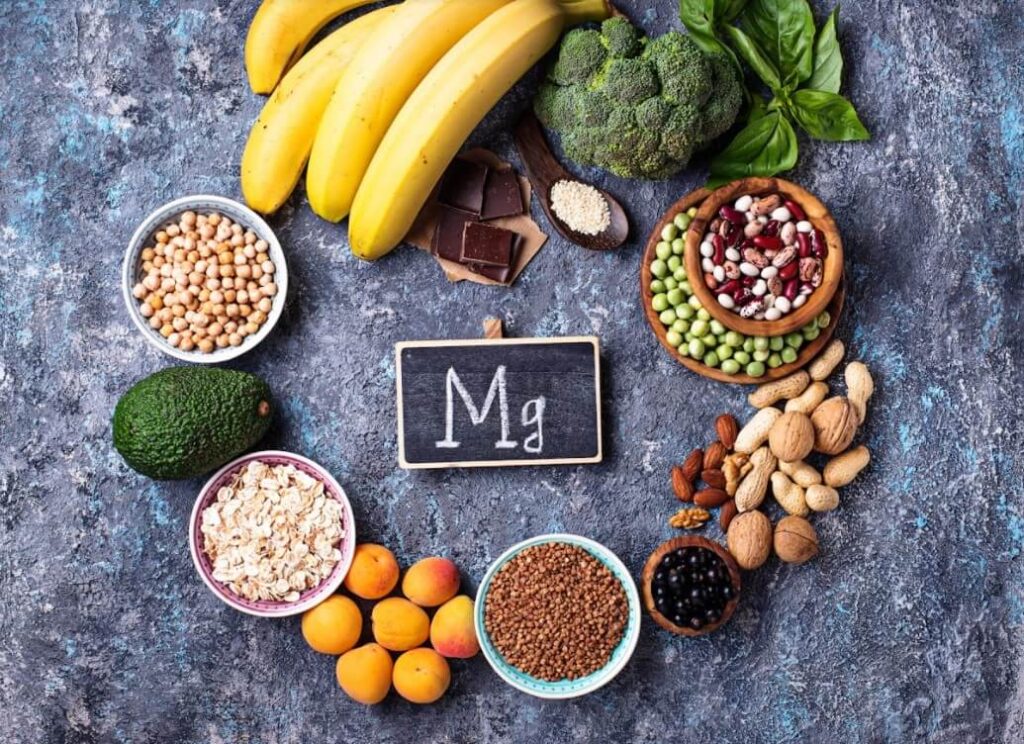
Magnesium is an essential mineral found in food and the body. Its importance comes from normal physiology, not from cure-all claims.
What magnesium does
Magnesium participates in hundreds of enzyme systems and supports energy production, protein synthesis, nerve impulses, muscle contraction, bone structure and normal heart rhythm.
Where to find it
Useful food sources include pumpkin seeds, chia seeds, almonds, spinach, beans and whole grains. Foods with dietary fiber often provide magnesium. Processing that removes the germ and bran from grains can lower their magnesium content.
How much adults need
Recommended intake varies by age, sex and life stage. For most adults, the NIH lists 310–320 mg per day for women and 400–420 mg per day for men. Pregnancy and breastfeeding have separate values.
When low magnesium is more likely
Risk can increase with gastrointestinal disease, type 2 diabetes, long-term alcohol use, older age and medicines that affect absorption or loss. A blood test and clinical assessment may be used when deficiency is suspected.
Supplements are one option, not the starting assumption
Food can meet much of the need for many people. When a supplement is considered, check elemental magnesium, total intake, kidney function and medicines. More is not automatically better.
Keep learning
Go deeper with the deficiency and testing guide, forms guide, sleep guide and safety guide.
Sources
- NIH Office of Dietary Supplements: Magnesium fact sheet for health professionals
- MedlinePlus: Magnesium deficiency
This educational article does not diagnose, treat, cure or prevent disease and does not replace individualized medical advice.