
Vitamin K2: Its Effects, Deficiency, and Importance

Vitamin K is a fat-soluble vitamin that supports normal blood clotting and bone health. Where does vitamin K2 come from, what does it do in the body, and what are the signs of low levels?
The Importance of Vitamin K2
Vitamin K was first identified as a nutrient involved in blood clotting.
It exists in two main forms:
- Vitamin K1 (phylloquinone), found in plant-based foods such as green leafy vegetables.
- Vitamin K2 (menaquinone), found in animal-based and fermented foods.
Bacteria in the large intestine convert vitamin K1 into K2. Vitamin K is absorbed in the small intestine and stored in the liver and fat tissue. Without vitamin K, the body can’t make prothrombin, a key protein needed for normal blood clotting.
Which Foods Contain Vitamin K2?
Vitamin K is found in many foods, but most people get more of their intake from vitamin K1, the form found in plants. Common food sources of vitamin K2 include:
- Cheese
Cheese is one of the richest food sources of vitamin K2, along with nutrients like calcium, vitamin A, and protein. Because it can also be high in saturated fat and calories, it’s best enjoyed in moderation.
- 50 grams of Camembert contains 34 micrograms of vitamin K2.
- 50 grams of Edam contains 32 micrograms of vitamin K2.
- 50 grams of Cheddar contains 12 micrograms of vitamin K2.
The vitamin K2 content varies by cheese type and tends to increase as cheese ages.
- Beef liver
Beef liver is a nutrient-dense food that provides vitamin A, riboflavin, folate, and copper. A 100-gram serving contains over 11 micrograms of vitamin K2.
- Butter
One tablespoon of butter contains 2.1 micrograms of vitamin K2, along with about 100 calories and 11 grams of fat, so it’s best to enjoy it in moderation.
- Sauerkraut
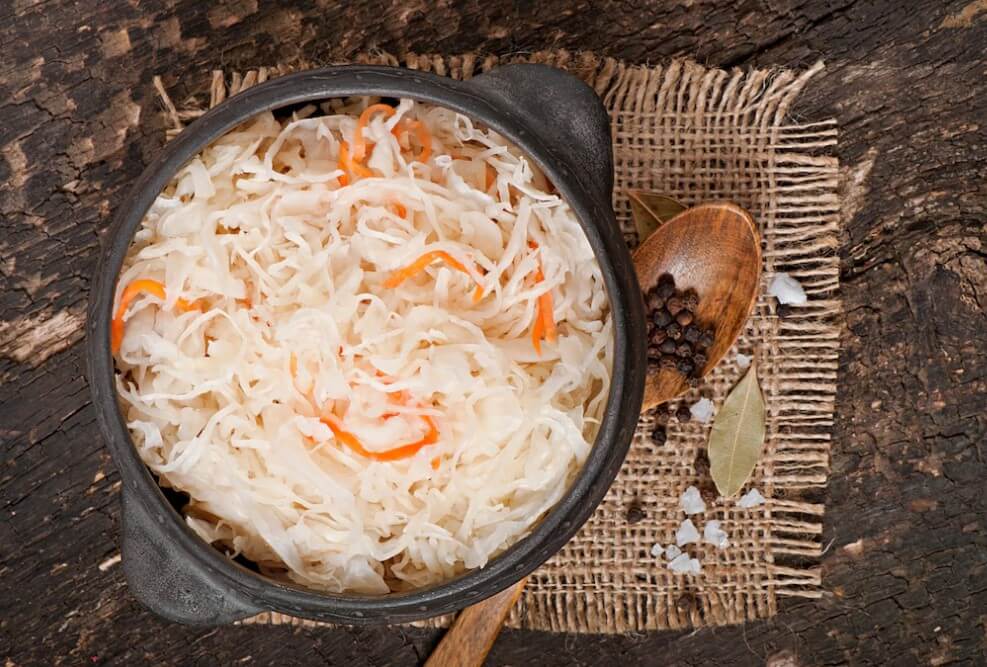
Fermented foods like sauerkraut contain vitamin K2. Half a cup provides 2.75 micrograms.
Vitamins from
USA Medical
A wide range of multivitamins and minerals all in one place
The Effects of Vitamin K
Vitamin K plays a role in normal blood clotting and bone health. Research is still ongoing into how it may support bone growth.
Side Effects of Vitamin K2
Vitamin K can interact with many common medications, including blood thinners, antispasmodics, antibiotics, cholesterol-lowering drugs, and weight loss medications.
Blood thinners are used to help prevent blood clots that can block blood flow to the brain or heart. They work by reducing vitamin K’s role in clotting. A sudden change in vitamin K intake can affect how these medicines work, so talk with your doctor before taking vitamin K supplements.
Vitamin K Overdose
Daily vitamin K needs vary by age and sex. Women 19 and older should consume about 90 micrograms daily, and men need about 120 micrograms. Although vitamin K overdose does not cause toxic symptoms, it may trigger allergic reactions and blood pressure or clotting issues in some people.
Dietary supplements should not replace a healthy lifestyle and a varied, balanced diet.
Vitamin K Deficiency
Low vitamin K levels can increase the risk of bleeding. Deficiency is uncommon in adults but more common in newborns, which is why vitamin K is routinely given at birth.
The risk of vitamin K deficiency may be higher in people who:
- digestive conditions that can affect absorption, such as Crohn’s disease or celiac disease,
- use of certain medications that can interfere with vitamin K absorption,
- severe malnutrition
- excessive alcohol consumption.
Symptoms of Vitamin K Deficiency
The main sign of vitamin K deficiency is unusual bleeding, which may occur at the site of a cut or wound or show up in other ways.
- tiny clots under the nails
- on the mucous membranes inside the body
- in stool that looks tarry and contains blood.
Which Vitamin K2 Is Best?
The USA Medical K2+D3 capsule includes vitamins K2 and D3, calcium, and BioPerine. If you’d like to explore more supplements, browse our online store.