
How Much Caffeine Is Healthy Per Day? – A Guide to Mindful Coffee Drinking
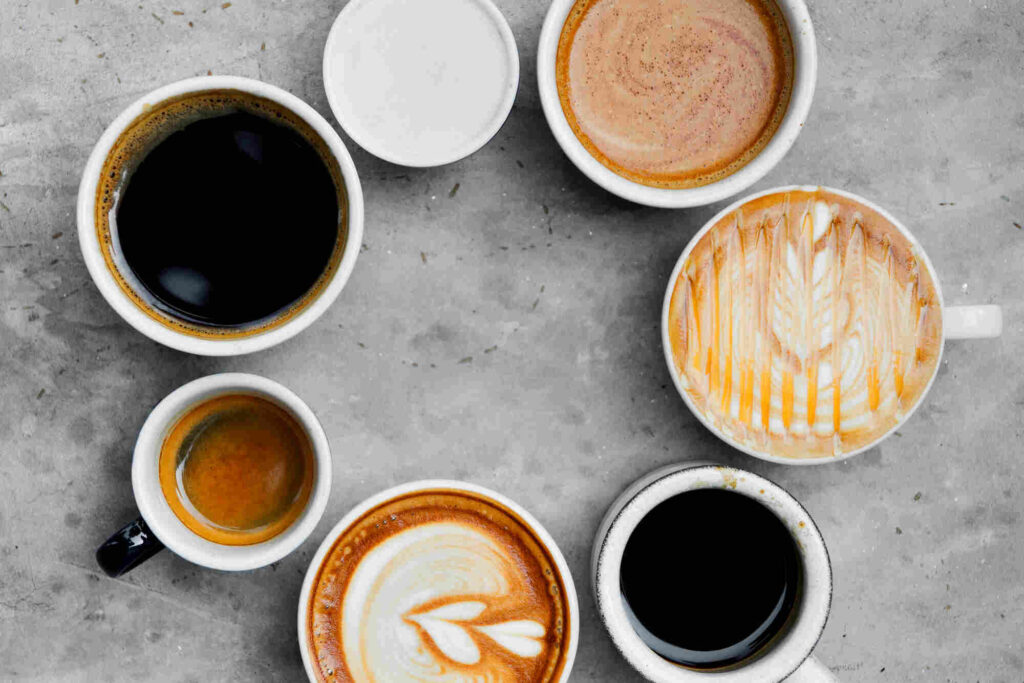
For many people, coffee is more than just a drink; it’s a morning ritual and an essential companion for relaxation or focused work. Caffeine undeniably helps with alertness and performance, but that’s why it’s important to consciously monitor how much you consume daily. Too little might not give the expected boost, while excessive coffee consumption can lead to unpleasant effects. Mindful coffee drinking means finding the amount that supports your daily life while aligning with your body’s needs.
Next, we’ll cover general caffeine guidelines and how to work coffee into your day without overdoing it.
Why should you pay attention to caffeine intake?
Caffeine is one of the most familiar natural stimulants. In moderate amounts, it can help people feel more alert and focused. Too much caffeine can cause restlessness, a fast heartbeat, or poorer sleep. Paying attention to your intake helps keep coffee part of your day more comfortably.
How Much Caffeine Is Considered Healthy?
According to the European Food Safety Authority (EFSA) recommendations, up to 400 milligrams of caffeine per day is generally considered safe for healthy adults. This usually translates to about four to five cups of coffee, depending on how it’s prepared, for example, espresso, drip coffee, or instant coffee all differ. A single dose should not exceed 200 mg of caffeine, approximately two cups of coffee. Timing also matters; even 100 mg of caffeine, that is, one cup of coffee, consumed late in the afternoon can make falling asleep more difficult.
How Caffeine Affects You: Age and Lifestyle Differences
Caffeine’s effects vary by age and lifestyle. Younger adults may feel it more quickly, while older adults may metabolize caffeine more slowly, which can make evening caffeine more likely to affect sleep.
Lifestyle can also change how caffeine feels. Some people notice it helps with workouts or long workdays, while others are more sensitive, especially when they’re stressed, overtired, or on an irregular schedule.
Special attention is needed during pregnancy and breastfeeding. Experts generally recommend limiting daily caffeine intake to 200 mg during these stages. Caffeine can cross the placenta and pass into breast milk, so moderation and timing matter.
Caffeine Intake for Children and Teenagers
Children and teenagers are more sensitive to caffeine, so caffeinated drinks are generally not recommended. For kids under 12, it’s best to avoid coffee, energy drinks, and caffeinated sodas.
Teenagers can be more sensitive too, so moderation matters. Coffee and energy drinks are best kept out of everyday habits for younger teens.
Recommended Daily Caffeine Intake: How Many Cups of Coffee Fit in a Day?
Understanding daily caffeine intake isn’t just about counting milligrams, the type of coffee and how it’s brewed matter too. An average espresso contains about 60–80 mg of caffeine. Drip coffee can be higher, often around 100–140 mg per cup.
Instant coffee usually contains less caffeine, around 60–70 mg per cup, while decaffeinated coffee has only small amounts, about 2–5 mg per serving.
Based on a 400 mg daily caffeine limit, about 3 to 5 cups of coffee can fit into a day, depending on the brew and serving size. Because caffeine content can vary a lot, it helps to estimate your total intake, especially if you also drink tea, soda, or energy drinks.
Where else is caffeine found? – Not just in coffee!
Coffee isn’t the only source of caffeine. A cup of black tea usually contains 25–70 mg, while green tea can have 20–50 mg. The exact amount depends on brewing time, water temperature, and the amount of tea leaves used.
Energy drinks can be especially high in caffeine, often 80–150 mg per can. Some also include other stimulants such as taurine or guarana. Caffeinated soft drinks like cola or iced tea are also common sources, with about 30–40 mg per can.
Don’t overlook chocolate, especially dark chocolate with a high cocoa content. A 100-gram bar can contain 50–150 mg of caffeine, while milk chocolate has much less. Smaller portions usually contribute less overall caffeine unless you’re also consuming other sources.
Tips for mindful coffee consumption
Being mindful about coffee doesn’t mean giving up the pleasure of it. It simply helps you work coffee into your routine in a balanced way and pay attention to how your body feels.
Here are a few practical tips to help you manage your coffee and caffeine intake:
- Don’t drink coffee immediately after waking. Cortisol naturally rises after you wake up, so waiting at least 60–90 minutes before your first cup may help you avoid feeling overstimulated later.
- Pay attention to timing. Caffeine can last for several hours, so it’s often smart to cut back after 2–3 p.m., especially if you’re sensitive to caffeine or have trouble falling asleep.
- Try decaf in the afternoon. It gives you a coffee flavor similar to regular coffee, with much less caffeine, which makes it a good choice later in the day or evening.
- Spread out your coffee intake during the day. Smaller servings often feel smoother than one large dose.
- Don’t use coffee to replace sleep. Caffeine can’t stand in for real rest. If you feel tired all the time, focus on getting better-quality, more consistent sleep.
- Know your limits. Everyone reacts differently to caffeine. If coffee leaves you feeling anxious, jittery, or uncomfortable, consider cutting back or choosing an alternative.
Mushroom coffee as a mindful alternative

The joy of coffee doesn’t have to depend on caffeine alone. Mushroom coffee combines the familiar coffee ritual with extracts from various mushrooms.
Common ingredients include Reishi (Ganoderma lucidum), Chaga (Inonotus obliquus), and Lion’s Mane (Hericium erinaceus). These mushrooms are often used in functional food products and can be a way to reduce caffeine without giving up the coffee experience.
Mushroom coffee can be a lower-caffeine option and a new taste experience for people who like variety. If you want a more mindful coffee routine, it may be worth trying.
Order mushroom coffee from USA Medical
USA Medical SHROOM COFFEE blends the rich flavor of 100% Arabica instant coffee with three organic mushroom extracts: Lion’s Mane, Reishi, and Chaga. It’s a flavorful option for shoppers interested in a more mindful coffee routine.
Why choose SHROOM COFFEE?
✔ Each mushroom extract contains at least 30% polysaccharides.
✔ It contains no unnecessary additives: no sugar, sweeteners, preservatives, anti-caking agents, emulsifiers, flavorings, anti-foaming agents, or palm oil.
✔ The rich taste of Arabica coffee is harmoniously complemented by the character of the mushroom extracts, all without a mushroom flavor.
Try USA Medical SHROOM COFFEE and experience how it can make your coffee moments more mindful and special!
References and Scientific Sources- https://www.efsa.europa.eu/en/efsajournal/pub/4102