
Hemp Seed Oil: What You Should Know
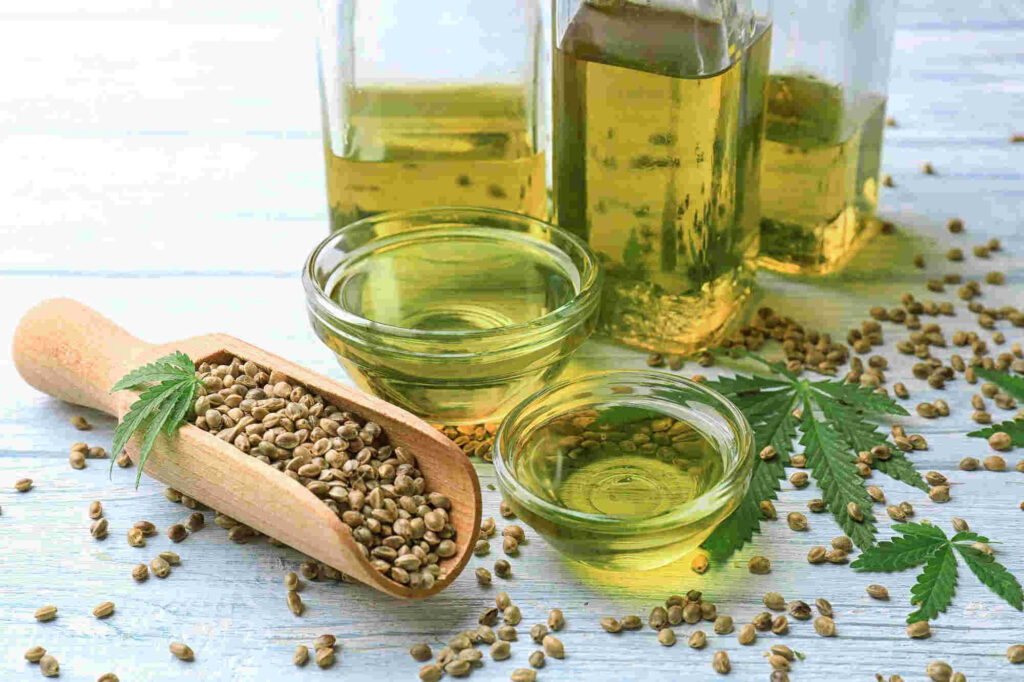
Hemp seed oil is a nutrient-rich plant oil that people use in both nutrition and skincare. It contains essential fatty acids, antioxidants, and vitamins. Some people choose it as a natural option for everyday wellness, but research on specific benefits is still limited. In this article, we’ll cover what hemp seed oil is commonly used for and what to look for in a quality product.
What is hemp seed oil used for?
Hemp seed oil contains essential fatty acids, including omega-3 and omega-6 fats such as linoleic acid, gamma-linolenic acid, and alpha-linolenic acid, along with natural antioxidants. These nutrients may support normal skin, immune, and nervous system function.
The effects of hemp seed oil on skin and hair
Many people use hemp seed oil in skincare, especially for dry or sensitive scalp. Research on its effects on skin and hair is still limited, although early studies have shown promising results.
Linoleic acid – supporting the skin barrier and hair growth
Linoleic acid is a major fatty acid in hemp seed oil. It is naturally present in the skin’s outer layer and helps support the skin barrier. According to a 2024 study, linoleic acid:
- may help support skin moisture and reduce water loss,
- can help support scalp comfort,
- and may play a role in healthy hair-follicle function.
Some studies have explored how linoleic acid interacts with growth factors related to hair follicles, such as VEGF and IGF-1.
Gamma-linolenic acid , supporting scalp comfort
Gamma-linolenic acid (GLA) is a lesser-known but important fatty acid found in hemp seed oil. Early animal research suggests it may play a role in:
- help support scalp comfort,
- support healthy circulation,
- and may help support healthy hair.
Human research in this area is still limited, so these findings should be viewed as preliminary.
Omega-3 fatty acids , support normal inflammatory response and scalp comfort
Hemp seed oil also contains omega-3 fatty acids, including alpha-linolenic acid (ALA) and stearidonic acid (SDA). These fatty acids are often discussed in relation to scalp care and may help support normal scalp function by:
- supporting a healthy inflammatory response,
- supporting healthy circulation,
- and supporting healthy hair and scalp function.
Antioxidants – vitamin E and other compounds
Hemp seed oil is a natural source of vitamin E, an antioxidant that helps protect cells from oxidative stress. It also contains chlorophyll and phytosterols, which may offer additional antioxidant support.
Skin and scalp support
A 2022 animal study found that hemp seeds, which are pressed to make hemp seed oil, may influence immune and inflammatory responses. These findings are preliminary and do not prove the same effect in people.
In one study, mice on a high-fat diet were given hemp seeds. The researchers reported the following findings:
Preliminary animal research suggests hemp seeds may help support gut barrier function, but human evidence is still limited. It’s too early to draw conclusions about leaky gut or inflammation.
Inflammatory markers did not increase in the hemp-seed group compared with the control group.
Certain fatty acids in hemp seeds can be converted by the body into compounds involved in normal immune, gut, and metabolic functions.
Supporting normal nervous system function
In recent years, hemp seed oil has drawn scientific interest for how its components may affect nervous system function. Human studies are still limited, so any possible benefits should be viewed cautiously.
Omega-3 and omega-6 fatty acids: key nutrients for brain cell structure
Hemp seed oil contains significant amounts of omega-3 (ALA) and omega-6 (LA, GLA) fatty acids, which are important for normal nerve cell structure and function. These fatty acids may:
- help maintain the flexibility of neuronal membranes, which is important for signal transmission,
- support normal neurotransmitter balance, including dopamine and serotonin, which are involved in brain signaling.
Brain health support
Low-grade inflammation has been linked to a range of health concerns. Hemp seed oil’s fatty acid profile and antioxidants, including vitamin E, may help support a healthy inflammatory response.
The endocannabinoid system
Hemp seed oil contains fatty acids that may interact with the endocannabinoid system. This system is found throughout the body and supports several normal functions. Hemp seed oil does not contain psychoactive cannabinoids, but some of its components may help support endocannabinoid signaling.
Benefits of cold-pressed hemp seed oil
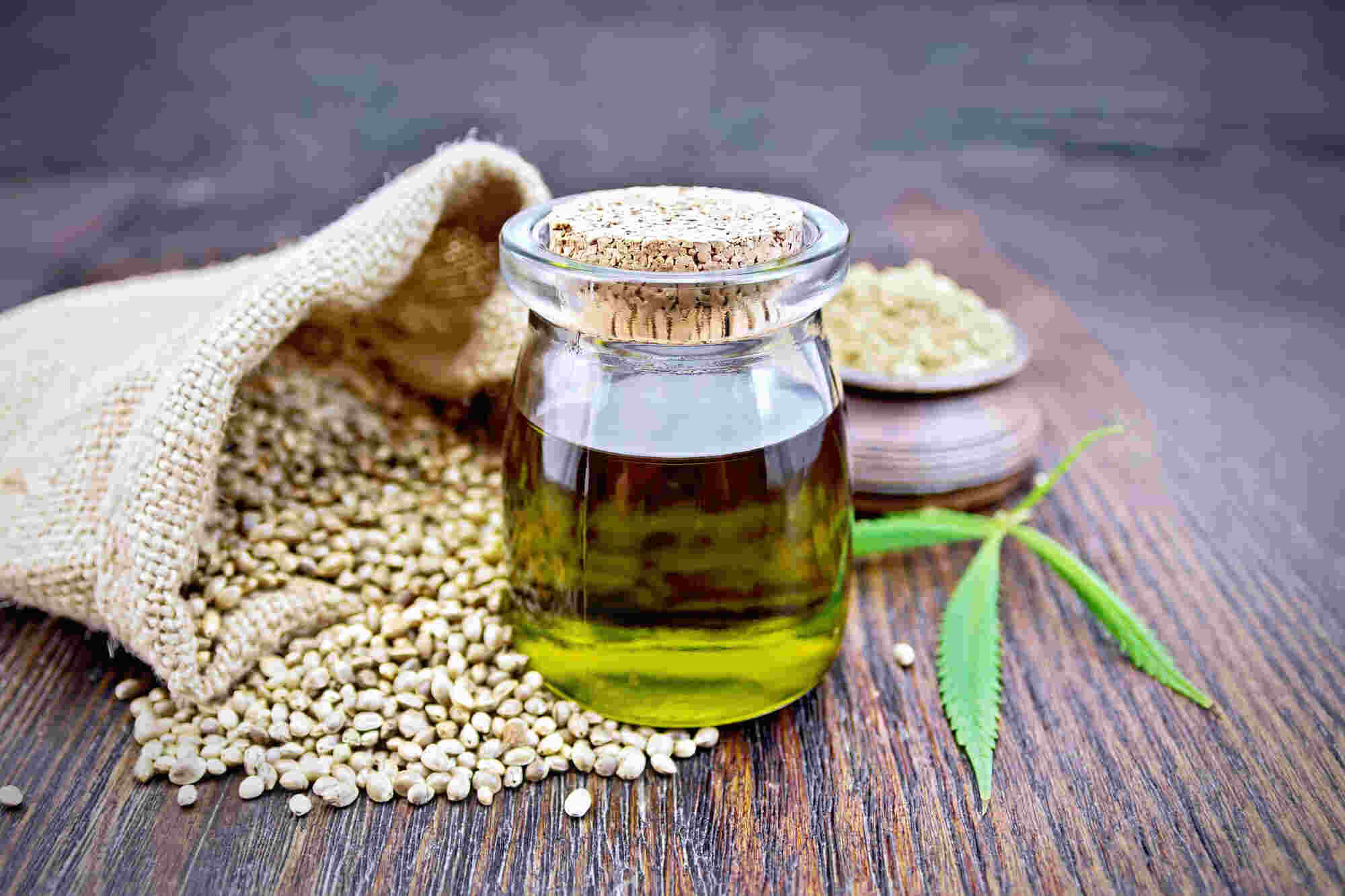
The production method has a big impact on hemp seed oil’s nutrient profile. Cold pressing is a gentle process that uses mechanical pressure at low temperatures, usually below 40 °C. This can help preserve delicate fatty acids, vitamins, and antioxidants that may break down with heat.
How is cold pressing different?
Refined vegetable oils are often made using high heat, solvents, and filtration to improve shelf life and flavor. That process can reduce some naturally occurring compounds. In contrast, cold-pressed hemp seed oil:
- retains more of its fatty acids, especially heat-sensitive omega-3s like ALA,
- naturally contains vitamin E, chlorophyll, and phytosterols, which may offer antioxidant support,
- has a greenish color and a mildly nutty flavor, which can suggest minimal processing; these natural qualities are less common in refined oils.
In summary, cold-pressed hemp seed oil can help preserve a high level of nutritional value. Its bioactive components, including gamma-linolenic acid and phytosterols, are less likely to be affected by heat.
How do you use hemp seed oil?
Hemp seed oil is versatile and can be added to food or used topically, depending on how you plan to use it. It’s best to choose cold-pressed, unheated versions because heat can break down delicate fatty acids.
Suggested amount
For adults, a typical amount is 1–2 tablespoons (about 15–30 mL). Since hemp seed oil is calorie-dense (about 120 kcal per tablespoon), factor it into your overall intake, especially if you’re watching calories.
How can you add it to your diet?
Hemp seed oil pairs well with salads, smoothies, creamy soups, oatmeal, plant-based yogurts, or dips.
Hemp seed oil is not ideal for cooking or frying, since high heat can break down its delicate fats and create off-flavors.
For internal and external use
Hemp seed oil can be used both internally and externally, depending on how you plan to use it.
For internal use
Early research suggests that when taken orally, hemp seed oil’s components, including essential fatty acids, phytosterols, and vitamin E, may support:
- supporting overall wellness,
- helping maintain healthy skin and hair,
- helping support a balanced inflammatory response,
- and supporting normal nervous system function.
For external use
You can apply hemp seed oil directly to skin or hair:
- to care for dry or sensitive skin by helping support hydration and the skin barrier,
- for scalp massages or hair masks to help condition hair and support shine,
- as a complementary skincare product for dry or sensitive skin, helping support comfort.
Is hemp seed oil appropriate for different age groups?
Hemp seed oil can be part of a balanced diet for adults and older adults alike. Its nutrient profile makes it a useful addition to a varied, balanced eating pattern.
For easier use, mix the oil into foods such as puréed dishes, creamy soups, or yogurt.
For older adults, hemp seed oil is easy to add to everyday meals, such as morning muesli, cottage cheese spreads, or drizzled over toast. If you have a chronic condition or take medication, check with your healthcare provider first.
Where can you buy hemp seed oil?
When buying hemp seed oil, it helps to know how production affects quality and nutrition. Here are a few things to consider:
Choose cold-pressed oil
Cold-pressed, unheated hemp seed oil helps preserve delicate fatty acids and antioxidants. Look for that information on the packaging.
Organic or grown under controlled conditions
The growing conditions of the hemp seeds used for the oil matter too. If a product is certified organic, that can be a helpful sign of how it was grown and processed.
Choose a manufacturer that is reliable and transparent
Choose manufacturers who clearly state the oil’s origin, growing location, and pressing method and date on the packaging.
Color, scent, and packaging
What to look for in quality hemp seed oil:
- has a slightly greenish hue due to the chlorophyll content,
- smells fresh and nutty, not rancid,
- and packaged in dark glass bottles that help protect it from light.
Where’s the best place to buy it?
Quality hemp seed oil is often found in health food stores, trusted online shops, or specialty food stores. If you’re shopping in a large supermarket, compare labels carefully and look for smaller-batch, minimally processed products.
References and Scientific Sources- https://pmc.ncbi.nlm.nih.gov/articles/PMC8224776/
- https://www.frontiersin.org/journals/nutrition/articles/10.3389/fnut.2022.1039180/full
- https://www.wisdomlib.org/uploads/journals/wjpr/volume-9%2C-august-issue-8_15085.pdf
- https://dergipark.org.tr/en/pub/ijlsb/issue/62833/931795
- https://dergipark.org.tr/en/download/article-file/1747547
- https://pmc.ncbi.nlm.nih.gov/articles/PMC11719646/
- https://pmc.ncbi.nlm.nih.gov/articles/PMC8067726/
- https://www.tandfonline.com/doi/abs/10.1080/09546630510035832
- https://pmc.ncbi.nlm.nih.gov/articles/PMC9552265/