
Healthy Hair Tips for a Radiant Hairstyle
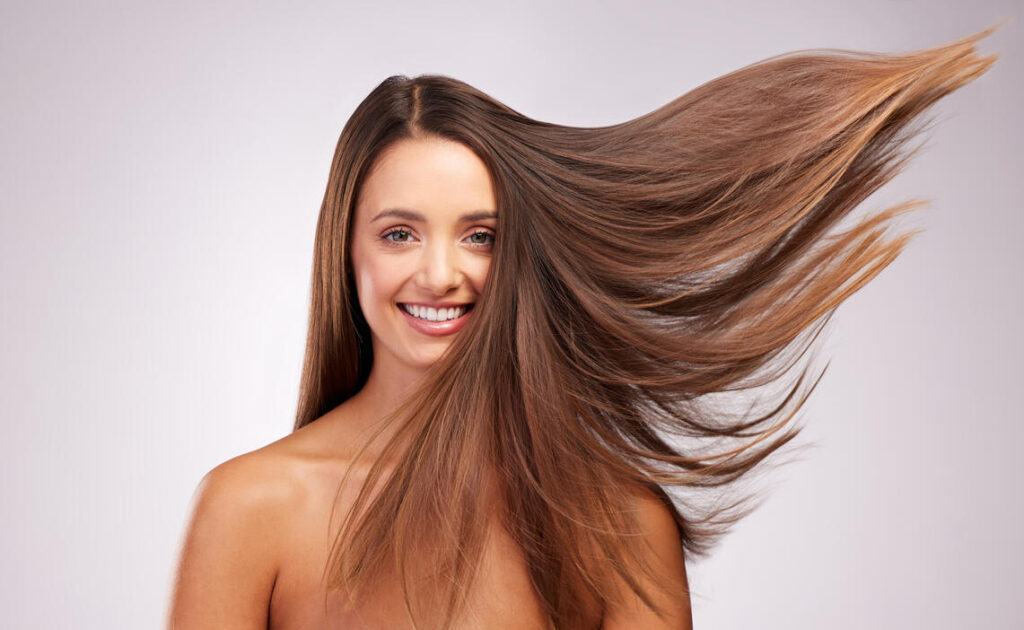
Beautiful hair has always been a symbol of health and grooming, regardless of age or gender. A well-kept hairstyle boosts confidence and positively influences our daily lives. However, the secret to healthy hair is not just a matter of genetics – our daily hair care habits, diet, environmental factors, and mindful attention all play a crucial role.
It’s worth reading our article if you want your hair to stay shiny, strong, and well-groomed for the long term! You will learn, among other things, what can affect hair health and whether proper nutrition and vitamins are as important as external care.
Join us to find out what you should do to keep your hair healthy, as well as tips to help develop a hair care routine suited to your hair type!
What Influences Hair Health?
Both external and internal factors influence the preservation of shiny hair and its condition. The interaction of these factors together determines how healthy your hair will be in the long run.
External Factors
Weather conditions: Extreme cold, UV radiation, or wind can accelerate hair dryness and breakage.
Environmental pollution: Urban smog and dust deposits both place strain on the health of hair and scalp.
Hair styling habits: Frequent heat treatments, hair straightening, and hot air drying significantly damage the hair structure, especially with fine hair.
Internal Factors
The cells of hair follicles are among the fastest-dividing cell groups in the body, so they particularly require proper nutrient supply.
Nutrition: Getting enough protein, vitamins, and minerals is an important part of supporting healthy-looking hair.
Hormonal factors: Hormonal changes during puberty, pregnancy, or menopause can affect hair density and texture.
Lifestyle: Stress, poor sleep, and smoking can affect hair condition.
Basic Rules for Beautiful, Well-Groomed Hair
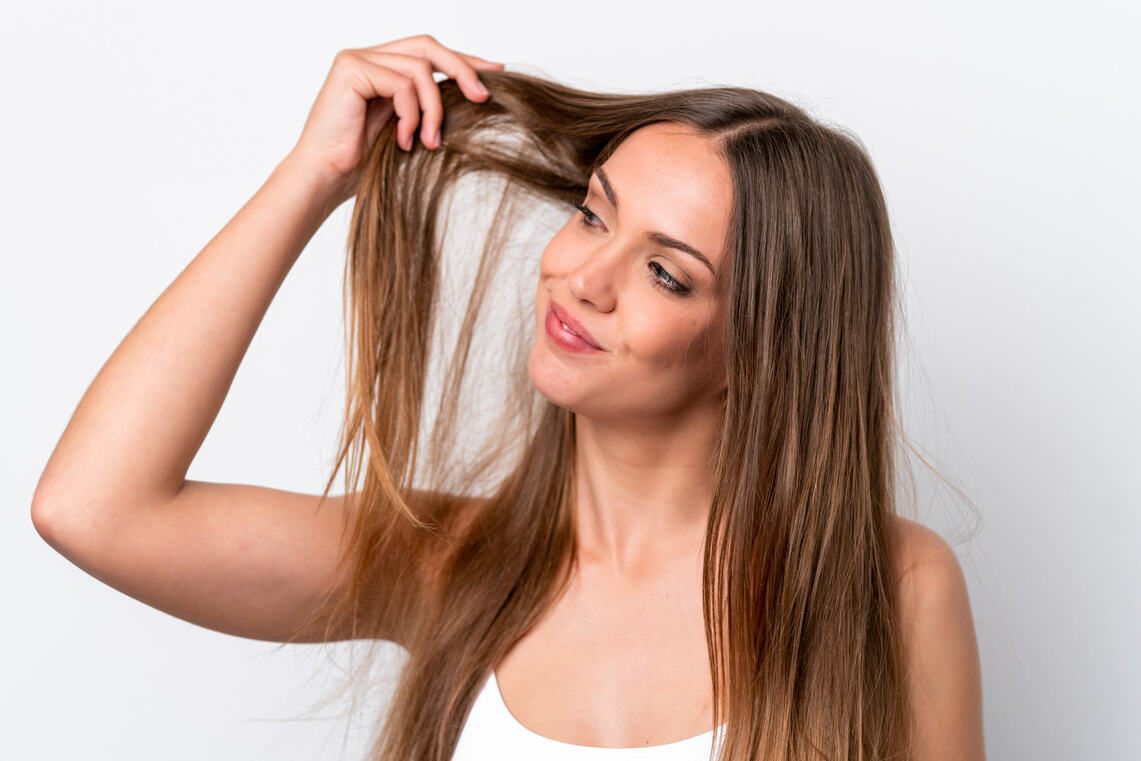
The secret to well-groomed hair isn’t necessarily expensive treatments, but rather following simple, consistent principles.
Gentle Hair Washing Techniques
Shampoo: Choose a shampoo suited to your hair type.
Instead of rubbing, gently massage shampoo into your scalp with your fingertips. This helps reduce stress on the scalp, and the suds that run down the lengths are usually enough to clean the hair.
Rinse with cool water: Instead of warm water, use cooler water for your final rinse to help hair feel smoother and look shinier.
Conditioner to preserve internal moisture: Hair conditioners containing moisturizing ingredients (e.g., argan or shea extract) seal the outer layer, making the hair surface less prone to splitting.
Gentle drying: Instead of rubbing with a terry towel, gently blot moisture out with a microfiber towel or cotton T-shirt. This small attention greatly reduces the risk of split ends.
How Often Should You Wash Your Hair?
A good rule of thumb is to wash your hair based on your hair and scalp needs, not the calendar. Washing too often can dry out your hair’s natural protective layer, while washing too little can lead to oily, flaky buildup on the scalp. The right rhythm depends on your scalp’s feedback, like greasiness, itching, or flatness. Dermatology guidelines suggest the following:
| Hair/Scalp Type | Recommended Washing Frequency |
| Oily, straight hair | Every 2-3 days, or daily if very oily |
| Normal or slightly dry hair | Every 2–3 days |
| Curly, thick, dry hair | 1-2 times per week, plus deep moisturizing conditioning |
| Color-treated or chemically treated hair | 2 times a week or less, with sulfate-free shampoo |
| Dandruff or a flaky scalp | 2-3 times per week with a gentle shampoo, alternating with regular washing |
Extra Hair Care Basics in Brief
Gentle combing: Use a wide-tooth comb on wet hair and a soft-bristle brush on dry hair. This greatly reduces pulling strain on the hair during combing.
Nighttime hair protection: Using a silk or satin pillowcase causes much less friction for your hair compared to cotton.
Shiny Hair: Natural and Cosmetic Solutions
Getting a radiant hairstyle doesn’t have to be complicated. With a few practical steps and the right ingredients, you can find an approach that works for your schedule and your hair’s current condition.
Instant Shine with Homemade Oils
| What to Use | How to Apply It | Why It Helps |
| Coconut oil | Apply a walnut-sized amount to dry hair about 15 minutes before washing. | Its smaller molecules may help it mix into shampoo more easily and support moisture retention during washing. |
| Argan oil | Apply 2-3 drops to towel-dried hair ends – no need to rinse. | Rich in vitamin E, it can help support shine and color vibrancy. |
| Jojoba oil | Apply a few drops evenly on hair before combing. | Helps replenish the hair’s natural oils without feeling heavy. |
Tip: Start with very little oil – applying too much makes hair look matte rather than shiny.
Conditioner, Hair Masks
Use conditioner after every wash, even on busy days. It helps smooth the hair and can leave strands feeling softer and looking shinier.
Vinegar Rinse: A Budget-Friendly pH Tip
Hair naturally has an acidic pH. After washing, some people use a mix of one tablespoon of apple cider vinegar and one cup of water as a final rinse to help hair feel smoother. A short rinse can be especially helpful if your hair feels dry or brittle after coloring or bleaching.
The Role of Vitamins and Collagen in Hair Care
Along with good outside care, nutrition plays an important role in keeping hair healthy. Hair follicles make keratin around the clock, and they need amino acids, vitamins, and minerals to do it. If you’re not getting enough of these nutrients, hair growth may slow and hair may look dull, dry, or more prone to breakage. The summary below covers key hair vitamins and collagen.
Key Vitamins for Hair Care
Vitamin A: Plays a role in normal cell growth and helps support scalp hydration.
B vitamins (especially biotin): Vitamin B7, or biotin, is often discussed as part of a hair-support routine.
Vitamin C: An antioxidant that plays a role in collagen formation and antioxidant support.
Vitamin E: Helps provide antioxidant support and is part of a healthy hair-support routine.
Collagen for Hair Care
Collagen plays a role in skin elasticity and the structure of hair. Natural collagen production declines with age, which is one reason many people consider collagen supplements:
- May help hair feel more hydrated.
- May aid the nourishment of hair follicles.
- May help support shiny-looking hair from within.
How to Care for Different Hair Types
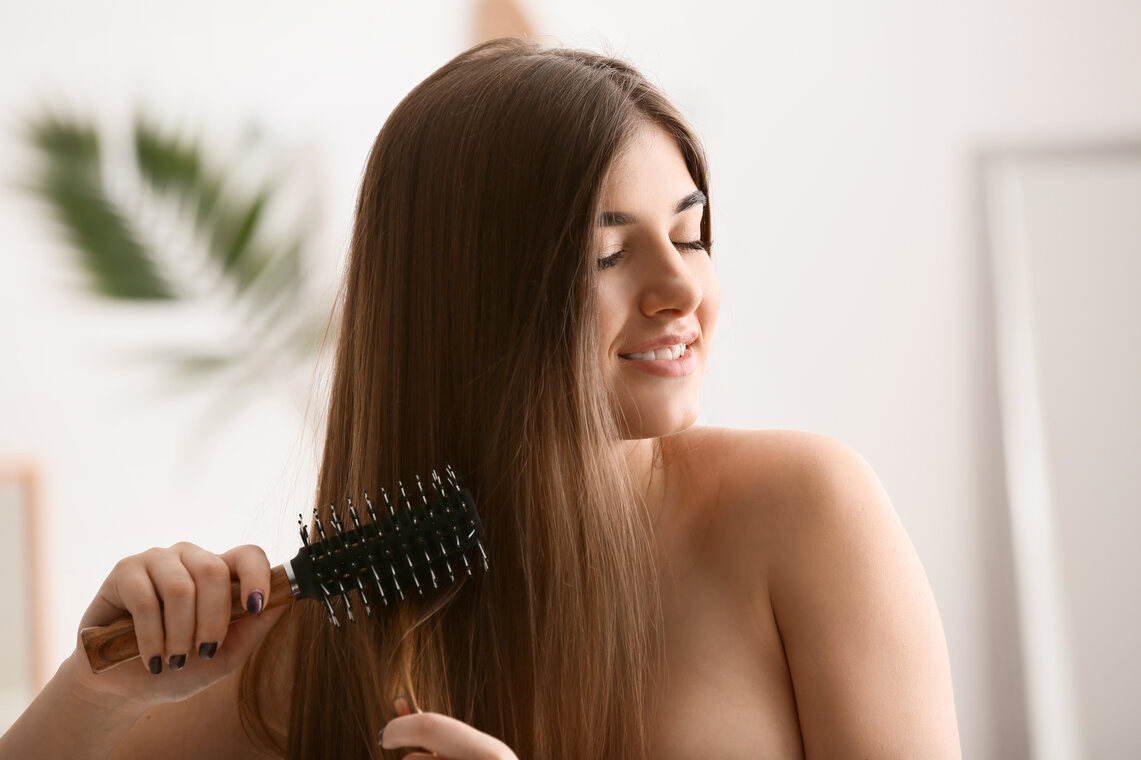
Each hair type requires different care, so developing a hair care routine suited to your hair type is essential for maintaining well-groomed hair. Get to know your hair’s needs so you can keep it in its best shape!
Dealing with Oily Hair
Sometimes the scalp produces extra oil, which can leave hair looking flat and shiny by the day after washing. Here’s what can help in those cases.
More frequent but gentle washing: Dermatologists recommend washing oily hair even daily, as long as you use a mild, sulfate-free shampoo.
Target the oil: Shampoos with salicylic acid or tea tree oil used 1–2 times per week can help manage excess oil.
Conditioner, but smartly: Apply only to the ends to avoid weighing down the roots.
Dry shampoo: When there’s no time to wash, spray dry shampoo along your part lines, wait 30 seconds, then gently brush or pat it in with a towel. This helps absorb excess oil and add volume.
Preventing Split Ends
- Use moisturizing hair masks regularly.
- Apply heat protectant products before blow-drying or straightening.
- Trim split ends regularly, about every 6–8 weeks, to keep hair looking healthy.
Caring for Color-Treated Hair
A vibrant hairstyle is wonderful, but chemical treatments dry out the strands. Many experts advise staying within three shades of your natural hair color to minimize the amount of oxidizing agents needed during coloring.
Hair Care Across Life Stages
As the years pass, the structure and needs of hair change, but with mindful care, hair health and vitality can be preserved at any age.
Childhood: Gentle Care for Fine Hair
Young children’s hair is still thin and fragile, and their sebaceous glands are slow to become active, so hair rarely gets oily. The American Academy of Dermatology (AAD) recommends washing hair two to three times per week with lukewarm water. Ideally, use a gentle, “tear-free” shampoo. Ponytails and braids are fine, but use loose bands to avoid stressing hair follicles.
Teen Years: Managing Oily Hair
During puberty, hormones boost sebum production, so hair can go flat in just one day. The solution may be more frequent but gentle washing: even daily, but preferably with sulfate-free shampoo.
Twenties and Thirties: Hair Care Basics
Hair grows fastest and thickest during this period. Our main task is protection: heat protectant sprays before styling, regular trims, and a protein- and vitamin-rich diet.
Forties: Updating Your Hair Care Routine
Hormonal changes and hereditary thinning can affect hair thickness and fullness. If you’re concerned about thinning hair, ask a dermatologist or hair specialist whether iron, vitamin D, or thyroid testing may be appropriate. Eating enough protein and using a gentle scalp massage may also be part of a healthy routine.
Over Fifty: Hair Care for Mature Hair
The cells that give hair its pigment get exhausted, hair turns gray, and less natural oil is produced, leading to dry hair. Using a hydrating shampoo and conditioner combo every wash can help, along with using a purple-toned shampoo once a month to counter yellowish hues.
USA Medical Collagen for Hair
If you want to support your hair’s health from within, it helps to choose a collagen supplement from a brand you trust.
Here are the key features of USA Medical collagen products:
✔ Easy to mix, neutral taste Our hydrolyzed collagen powders dissolve well in liquids and have a neutral taste. You can add them to coffee, juice, yogurt, smoothies, or even your morning porridge.
✔ Purity and gentleness USA Medical’s collagen powder and capsule products contain no artificial additives, flavor enhancers, preservatives, or sweeteners. That gives you a simple formula you can feel good about.
✔ Selected collagen sources When developing our products, we chose collagen sources with a focus on quality and consistency.
✔ Extra support with vitamin C and hyaluronic acid: Our products contain vitamin C, and some formulas also include hyaluronic acid to support skin hydration and elasticity.