
Folic Acid and Folate: How to Get Enough of Them?

Although folic acid and folate aren’t exactly the same, they’re often used interchangeably. Why does folic acid matter during pregnancy, and how do you choose a supplement if you may have a deficiency?
Vitamin B9: What’s the difference between folic acid and folate?
Folate is the natural form of vitamin B9 found in foods. Before it enters the bloodstream, the body converts it into its active form, 5-MTHF or L-methylfolate. Folic acid is the synthetic form of vitamin B9, also called pteroilmonoglutamic acid.
What foods contain folate?
Folic acid is most commonly encountered in dietary supplements, and sources include breakfast cereals fortified with folic acid.
Natural sources of folate
Foods rich in folate include:
- asparagus
- avocado
- Brussels sprouts
- leafy greens, such as spinach and lettuce.
How folic acid works
Folate is involved in normal amino acid synthesis and plays a role in cell division.
- supports normal blood formation
- supports normal homocysteine metabolism
- maintaining normal psychological function, and
- the proper functioning of the immune system.
Folic acid before pregnancy
Folic acid is commonly recommended before and during pregnancy, and folate also supports maternal tissue growth during pregnancy.

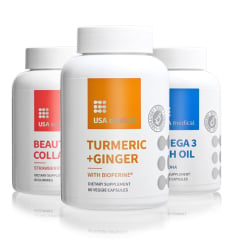
Vitamins from
USA Medical
A wide range of multivitamins and minerals all in one place
Folic acid deficiency and recommended amounts
The recommended daily amount is called the Recommended Dietary Allowance (RDA). It’s listed in dietary folate equivalents (DFE) because the body absorbs folic acid from supplements differently than folate from food.
- 1 mcg DFE corresponds to 1 mcg of natural folate in foods, while 1 mcg DFE equals 0.6 mcg of folic acid from supplements.
- The recommended daily intake for adults is 400 mcg DFE.
- During pregnancy, the RDA increases to 600 mcg DFE, and during breastfeeding, it is 500 mcg DFE.
Folic acid, together with other B vitamins, helps support normal homocysteine metabolism. Digestive conditions such as celiac disease, as well as heavy alcohol use, can affect nutrient absorption.
Signs of folate deficiency
Low folate levels can lead to folate-deficiency anemia. When that happens, the body may produce larger red blood cells that don’t work as well. Common symptoms include:
- fatigue,
- low energy,
- vision changes
- memory problems.
Can you take too much folic acid?
Taking more than 1 mg of folic acid daily is generally not recommended unless a healthcare professional advises it, because too much can mask a vitamin B12 deficiency.
- stomach upset
- nausea,
- diarrhea,
- feeling irritable
- confusion,
- changes in behavior
- skin reactions,
- seizures, and other side effects.
Excessive folate intake can mask vitamin B12 deficiency until neurological damage becomes irreversible. A vitamin supplement that contains 100% of the daily recommended intake of both folic acid and vitamin B12 is usually used to help keep both nutrients in balance.
Dietary supplements are not a substitute for a healthy lifestyle and a balanced, varied diet.
What is a folic acid tablet used for?
Folic acid can help support healthy folate levels and normal homocysteine levels. A high-quality multivitamin, such as the USA Medical Multivitamin for Women or the USA Medical Multivitamin for Men capsules, contains 400 mcg folic acid along with other essential vitamins and minerals. If you’d like to explore more premium supplements, browse our shop.