
Collagen Dosage: How Much Should You Take?

Collagen is getting more attention as part of skin and wellness routines. It’s one of the most abundant proteins in the body and helps provide structure for skin, bones, cartilage, joints, tendons, and ligaments.
The main question is simple: how much collagen should you take, when should you take it, and which form makes the most sense? This article looks at collagen dosing, key differences by age and activity level, and the main product forms available.
How much collagen do you need daily?
When it comes to collagen dosage, there is no single amount that applies to everyone. The optimal amount of collagen depends on several factors:
- the individual’s age and gender,
- their level of physical activity,
- the reason for taking collagen (for example, skin support or joint comfort),
- and the type and form of collagen used.
Collagen needs for women and men
Needs vary by person. Some people look at collagen as part of a skin-focused routine, while others include it in an active-lifestyle routine for general support.
Recommended collagen amounts by age
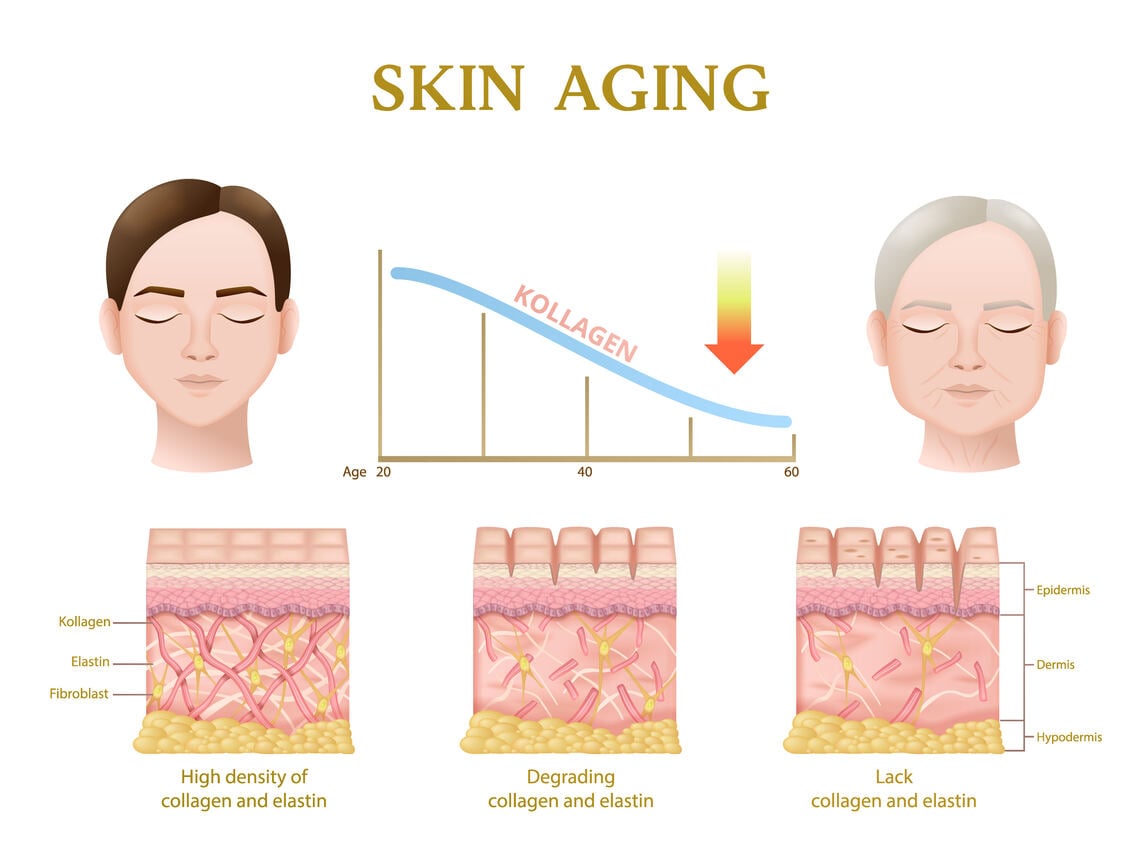
Collagen production naturally slows with age. Starting around age 25, it may decline by about 1-2% each year, and many people begin looking at hydrolyzed collagen supplements later in adulthood.
Between ages 20 and 30: 2.5–5 g (general wellness, skin support)
Between ages 31 and 50: 5–10 g (skin support, joint support)
Over 50 years: 10–15 g (connective tissue support)
For athletes and active lifestyles
Muscles, joints, and tendons are subjected to increased strain during sports, especially in those who run, do weight training, or engage in contact sports.
Some research suggests collagen peptides may help support joint comfort.
Collagen types and their impact on dosage
Collagen isn’t a single molecule, in fact, more than 28 types have been identified. Types I, II, III, V, and X are among the best-known, and each appears in different tissues with its own role.
Types I, II, and III collagen
Type I collagen
This is the most abundant collagen type and the main building block of skin, bones, tendons, ligaments, hair, and nails. It is responsible for tissue elasticity, tensile strength, and structural integrity. Most collagen powders or capsules aimed at beauty care contain type I collagen.
Type II collagen
Type II collagen is the main collagen found in cartilage. It helps support the structure and flexibility of joint cartilage and is often paired with ingredients such as chondroitin sulfate, glucosamine, and hyaluronic acid.
Type III collagen
Type III collagen is found in the deeper layers of the skin, internal organs, and blood vessel walls, where it works alongside type I collagen.
Type V and Type X collagen
Type V collagen is less commonly discussed but plays a role in organizing certain connective tissue structures and is found in many tissues, including the placenta.
Type X collagen is associated with bone and cartilage mineralization. Some research looks at its role in cartilage and bone development, but more studies are needed.
Hydrolyzed collagen: what to know
Collagen is produced naturally in the body, and hydrolyzed collagen, also called collagen peptides, has become popular in recent years because it’s easy to use in supplements.
During hydrolysis (enzymatic breakdown), collagen is broken down into smaller, shorter amino acid chains, called peptides, which:
- may be easier to digest,
- are absorbed in the small intestine,
- and may be absorbed differently than native collagen.
In what form can collagen be taken?
As more collagen product types enter the supplement aisle, it helps to know which form fits your needs, what it’s used for, and how each option compares.
Collagen powder, collagen capsules, or collagen drink , which is better?
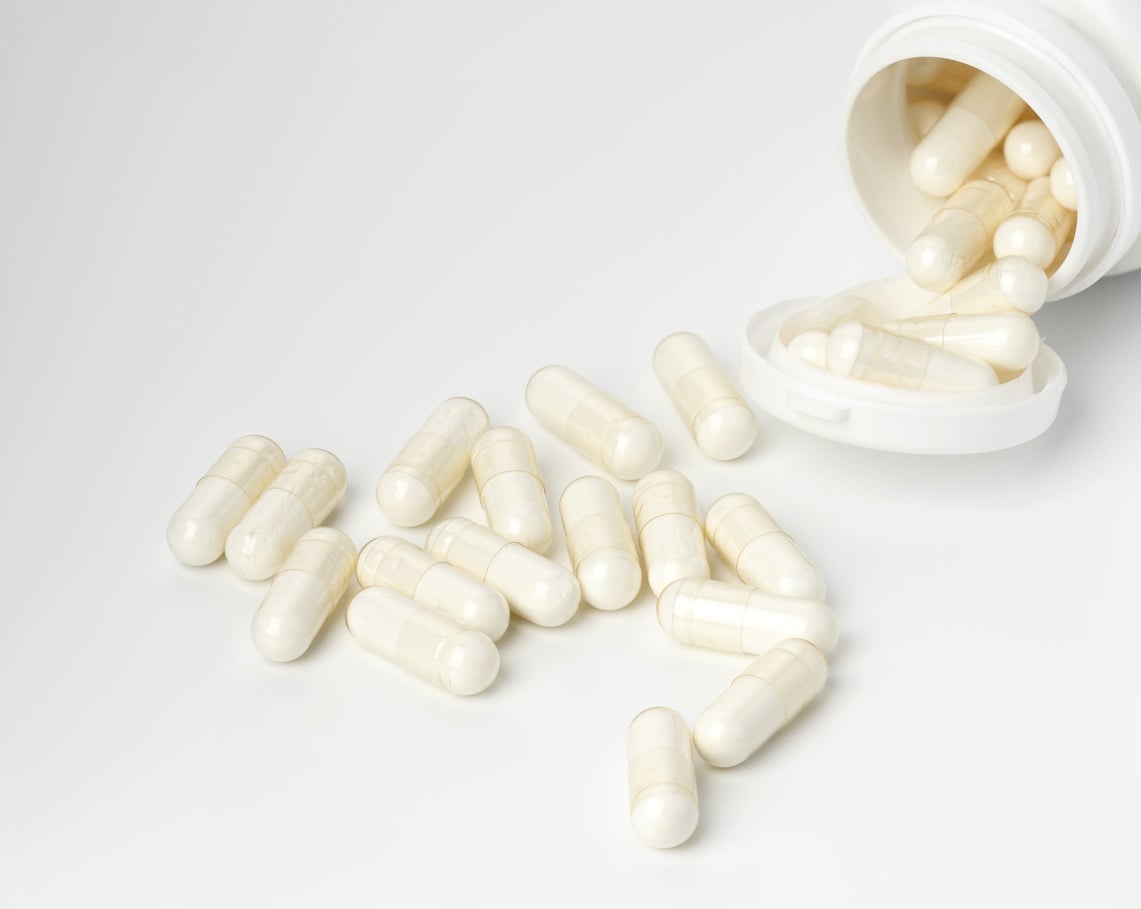
Below, we present the three most common collagen formulations, detailing their advantages and possible disadvantages.
Collagen powder
Hydrolyzed collagen powder is perhaps the most popular and versatile form. Among collagen powders, one of the most favored is hydrolyzed bovine collagen, which contains types I and III collagen.
Pros:
- Flexible dosing; the desired amount of collagen is easy to measure.
- Available in neutral-flavored versions and generally easy to mix into water, coffee, or smoothies.
- Usually has a purer composition without anti-caking agents, sweeteners, or colorants.
Disadvantage: It can be inconvenient to consume during travel or at work, so it’s not as handy as collagen capsules.
Recommendation: Best mixed into a morning drink or a post-workout protein shake.
Collagen capsules
A convenient, easy-to-dose collagen form. In this packaging, the daily dose of collagen peptides is pre-measured and ready for use.
Advantages:
- Easy to carry and requires no preparation.
- Helps you measure collagen doses more precisely.
Cons:
- For a daily intake of 2.5 g, you may need to take 4–5 capsules at once.
- Capsules may take longer to break down before digestion begins.
Recommendation: Ideal choice for travel and workdays.
Collagen Drinks
A ready-to-drink product often enriched with extra vitamins (C, B vitamins, hyaluronic acid). It frequently comes in flavored versions.
Advantages:
- Daily collagen dose with added vitamins in one formula.
- Quick and convenient to consume.
Disadvantages:
- Generally higher price.
- May contain sweeteners, flavors, or anti-caking agents.
- Some formulas may have particularly low collagen concentrations.
Recommendation: If you like flavored ready-made products and want a simple solution, this is the right collagen form, but be sure to check the ingredient list!
Too much or too little collagen – is that possible?
A common question about dietary supplements is whether overdosing is possible or, conversely, if too low a dose might be completely ineffective.
Can you take too much collagen?
Hydrolyzed collagen is generally well tolerated, even at higher amounts.
Higher amounts of collagen may cause digestive discomfort for some people. Bloating, mild nausea, or a feeling of fullness can happen, especially if collagen peptides are taken without enough fluids. Some people also find capsules less comfortable because of the gelatin in the shell.
How much collagen intake is enough?
The right daily collagen amount isn’t one-size-fits-all. It can depend on your goals, the product form, and whether you’re using hydrolyzed peptides or native collagen.
Some clinical data have looked at small amounts, including 40 mg of chicken-derived type II collagen, for joint support.
Other goals, such as skin-focused routines or post-workout use, typically call for higher amounts; published literature often references 2.5-10 g of hydrolyzed collagen peptides daily.
For active adults, studies often look at daily amounts between 5 and 15 g.
Some products combine multiple collagen types, such as I, II, III, V, and X, and may use a daily serving as low as 1 g.
Tips for taking collagen
For collagen to fit into a well-rounded routine, it helps to look at the full formula, not just collagen alone. Some products also include vitamins, minerals, and trace elements.
What can you pair with collagen?
Vitamin C: An important cofactor in collagen production. Some professional guidance points to 100–200 mg per day from food or supplements, with citrus fruits, peppers, and acerola cherries as common sources.
Zinc: Involved in cell division and protein synthesis, including collagen production.
Copper: Plays a key role in forming cross-links between collagen molecules. Natural sources include nuts and whole grains.
Hyaluronic acid: Often included to help support moisture levels. Many collagen products also add it as a complementary ingredient.
What diet supports collagen production?
A balanced diet can help support your body’s natural collagen production. Here are the key dietary building blocks:
Protein-rich foods: Eggs, fish, chicken, beef, legumes.
Fruits and vegetables rich in vitamin C: Kiwi, oranges, strawberries, broccoli, peppers.
Essential fatty acids: Foods like salmon, mackerel, chia seeds, and flaxseeds help support normal cell membrane function.
Plant antioxidants: Polyphenols in foods like green tea, cocoa, and blueberries may help support the body’s defense against oxidative stress.
Water: Proper hydration matters for skin and connective tissues. Many adults aim for about 2.5-3 liters of fluids a day, depending on personal needs.
Hydrolyzed collagen from USA Medical
If you’re looking for a quality hydrolyzed collagen product, you’re in the right place! Here are the main features of our products!
✔ Easy to use, neutral taste
Our hydrolyzed collagen powder products dissolve excellently in liquids and have no overpowering taste. You can easily add collagen powder to your coffee, juice, yogurt, smoothie, or even your morning porridge.
✔ Clean, gentle formulas: USA Medical collagen powders contain no artificial additives, flavor enhancers, preservatives, or sweeteners, so you can add collagen to your routine without extra ingredients you may not want.
✓ Collagen sources selected with research in mind We chose collagen sources supported by published studies.
✓ Extra support with vitamin C and hyaluronic acid: Some products include vitamin C, which is involved in collagen production, and hyaluronic acid as an added ingredient for moisture support.
Click here to discover USA Medical’s premium quality collagen products!
Bottom line
Collagen dosing is not one-size-fits-all, the right daily amount depends on age, activity level, and personal goals. Hydrolyzed collagen comes in powders, capsules, and drinks, and many products also include vitamin C, minerals, or trace elements.
Remember: collagen alone is not a miracle cure, and it doesn’t replace a balanced diet or healthy lifestyle. It can be one part of an overall wellness routine.