
Collagen and Dry Scalp
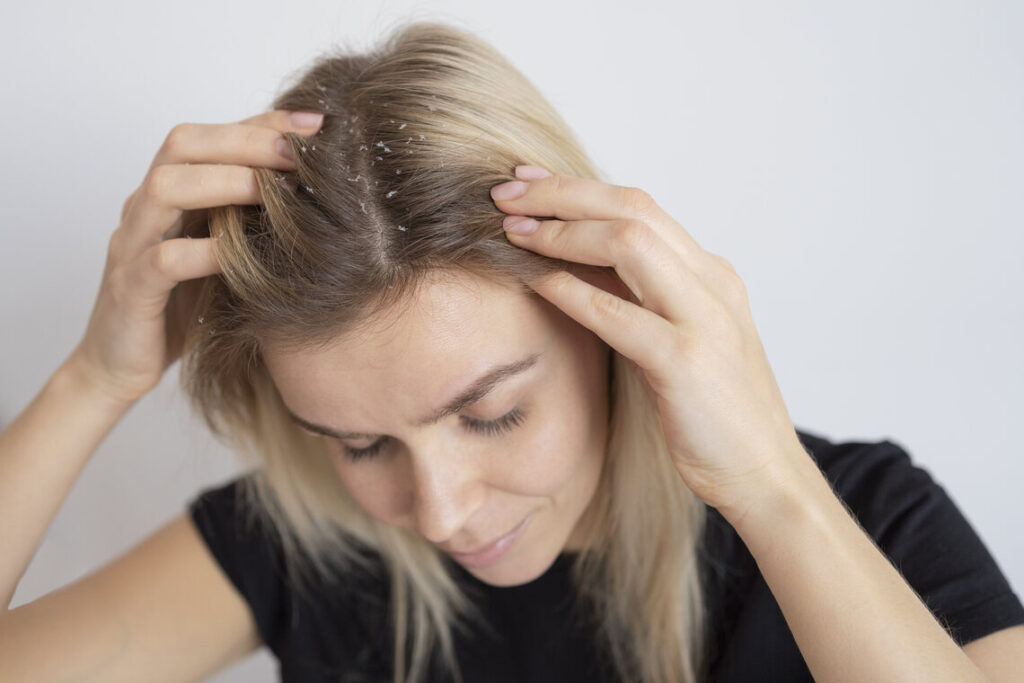
Dry scalp affects more people than you might think, and it can be uncomfortable because of the itching and flaking. Over time, it can also make hair care feel harder.
In this article, you’ll learn how dry scalp differs from dandruff, what may affect scalp moisture, and which at-home care steps can help support a healthier-feeling scalp. We’ll also look at how collagen supplements fit into a broader wellness routine.
Flaky scalp – What’s going on underneath?
Some scalp flaking can be normal, since skin naturally sheds and renews itself. If flakes are mild and you don’t have irritation or itching, there’s usually little cause for concern. If flaking becomes more noticeable or is paired with redness, tightness, or discomfort, it may be worth paying closer attention.
Scalp flaking can show up in a few different ways. Dry dandruff usually appears as small, fine white flakes. Oily flakes can look yellowish or greasy and may be linked to a buildup of oil, irritation, or other scalp concerns. Frequent washing, harsh hair products, and an unbalanced diet may also make the scalp feel drier and less comfortable.
Hydrating dry scalp – Tips and tricks
Hydrating a dry scalp often works best as part of a simple, multi-step routine. Let’s look at a few everyday habits that can help support your scalp.
Choose gentle shampoos and conditioners
Frequent hair washing alone doesn’t necessarily cause dry scalp, but shampoos with strong detergents, like sulfates, may strip the scalp’s natural protective layer. Look for gentle cleansers with moisturizing ingredients such as aloe vera, hyaluronic acid, or panthenol. Dermatologists often recommend milder, pH-balanced products instead of harsh shampoos.
Use a gentle scalp scrub
While hair care routines often focus on shampoo and conditioner, it’s also worth giving your scalp some attention. A gentle scalp scrub with mild ingredients can help remove dead skin cells and buildup, which may help your scalp feel cleaner and make moisturizing products work better.
Nourishing masks and oils
At-home masks and oils are a classic way to help hydrate a dry scalp. Cold-pressed oils like coconut or argan oil can help soften the scalp and support moisture retention.
Minimize harsh heat exposure
Frequent use of hot hair dryers, straighteners, and curling irons can also make the scalp feel drier. High heat can damage the hair’s outer layer and leave the scalp feeling more dry, especially if your hair already needs extra moisture. Try using heat protectant and lower heat settings, and air-dry when you can.
Support hydration from within: water, vitamins, and diet
Scalp care works best when you support it from the outside and inside. Staying hydrated and eating a balanced diet with protein, fruits, vegetables, and healthy fats can help support healthy skin and hair.
Dry scalp care: How to get started
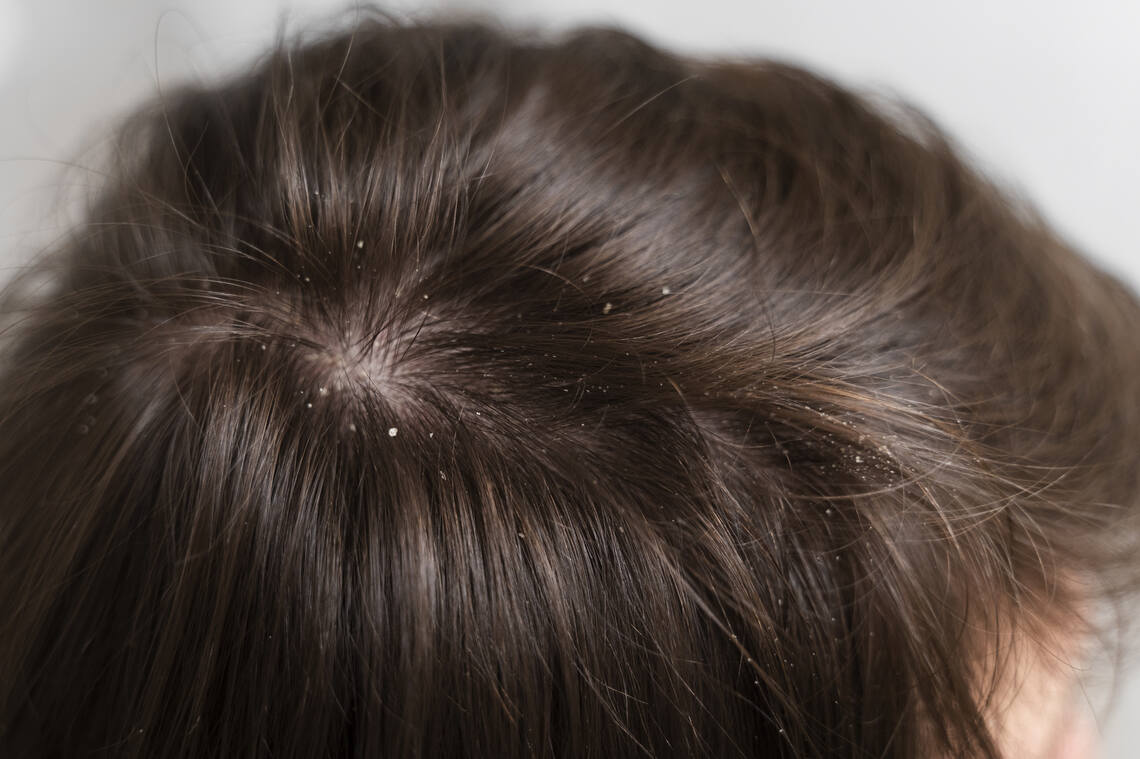
Dry scalp can have several possible causes, from hair-care habits to broader health factors. Before changing your routine, it helps to think about what may be contributing to the dryness. The steps below can help you build a more targeted routine.
Find the root cause
If scalp dryness keeps coming back or is paired with irritation, it may be worth checking in with a dermatologist. They can help sort out what’s causing it and whether any further evaluation makes sense.
Take a fresh look at your hair care routine
Try using gentle, moisturizing products and wash your hair with lukewarm water instead of hot water. High temperatures can dry out the skin, while lukewarm water helps preserve the scalp’s natural oils. If you use styling tools, keep the heat lower to avoid making an already dry scalp feel worse.
Give natural oils and vitamins a chance
Whether you use them as part of a regular routine or an occasional treatment, oil packs can help support dry skin and dry hair. Argan, avocado, or coconut oil may help soften the scalp, and a balanced diet can support overall skin wellness.
Record your results
Consistency matters with scalp care. One or two occasional masks or oil massages usually aren’t enough, so a regular weekly or every-other-week routine may work better. It can also help to track what you try and how your scalp responds, so you can see what seems to work best.
Seek expert help if needed
If your scalp symptoms don’t improve or start to get worse, it’s a good idea to talk with a dermatologist or other licensed healthcare professional. They can help identify possible causes and recommend next steps.
The role of collagen in scalp health
Collagen is one of the body’s most abundant proteins and helps support the structure of skin, cartilage, bones, and joints. It’s often discussed in relation to skin appearance and overall skin wellness.
Skin layers and collagen
The scalp has layers like other skin on the body, including the epidermis and dermis. Collagen fibers and elastin help support the skin’s structure and elasticity.
Hair follicles and scalp nourishment
Hair follicles are located in the dermis, and collagen is one of the structural proteins that helps support skin. Hydrolyzed collagen peptides are commonly used in wellness routines for skin and hair support.
Hydrolyzed collagen peptides: Smaller particles
Hydrolyzed collagen peptides are broken into smaller pieces, which makes them easier to mix into drinks and smoothies.
Explore USA Medical’s collagen products.
Explore USA Medical’s collagen capsules and collagen powder products.
✔ Carefully selected collagen sources We selected collagen sources for our products with quality and consistency in mind.
✔ Extra support with vitamin C and hyaluronic acid: Our products contain vitamin C, and some also include hyaluronic acid to support skin hydration and elasticity.
✔ Purity and gentleness USA Medical collagen powders contain no artificial additives, flavor enhancers, preservatives, or sweeteners.
✔ Easy to use, neutral taste Our hydrolyzed collagen powders dissolve well in liquids and have no overpowering taste. You can easily add the collagen powder to your coffee, juice, yogurt, smoothie, or even your morning oatmeal.
⇒ Click here to browse our premium-quality collagen product range!
Dietary supplements are not a substitute for a varied, balanced diet or a healthy lifestyle.