
The Health Effects of Coffee
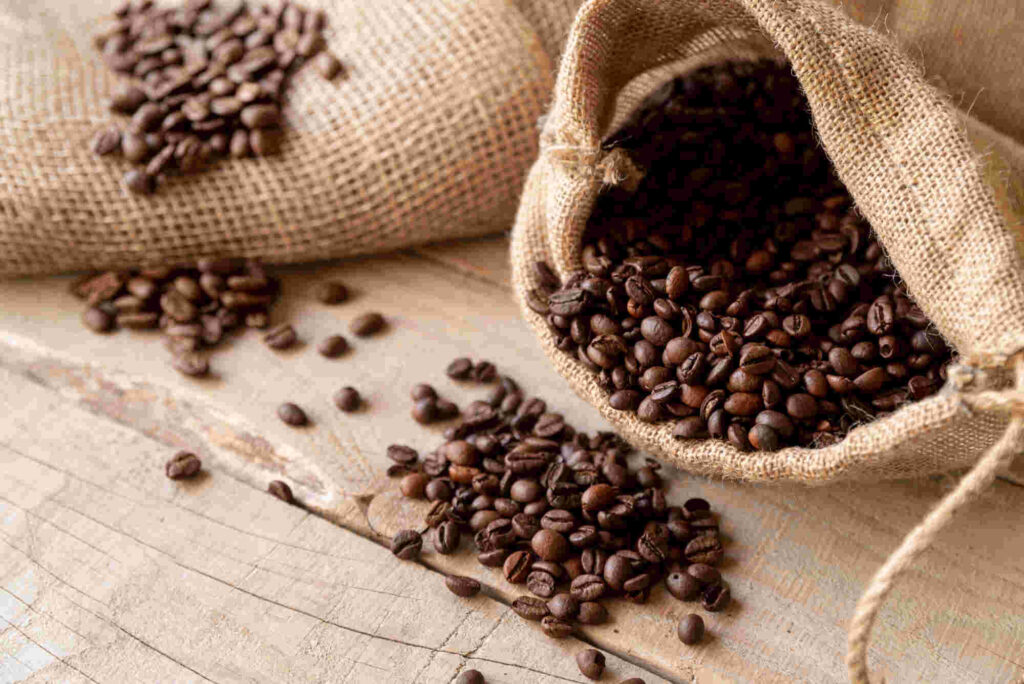
For many, coffee is one of the most important pillars of the morning routine. Whether it’s a homemade espresso, a silky latte from your favorite café, or a quick instant fix on busy mornings – many can’t imagine starting their day without it. However, coffee is not just a luxury beverage; it’s also a drink associated with numerous health effects – especially when chosen consciously. For example, Arabica coffee is known not only for its richer flavor profile but also for its smoother, more balanced caffeine content, while Robusta offers a stronger aroma and a more stimulating effect. In recent years, a new trend has emerged: mushroom coffee, which enriches the base coffee with functional mushroom extracts – such as Reishi, Chaga, or Lion’s Mane. But what does science say about coffee’s effects on health? By understanding more deeply what this everyday drink contains, we can enjoy every cup more mindfully.
The Origin and Types of Coffee
When it comes to the origin of coffee, Ethiopia is considered the starting point, where wild Arabica coffee plants can still be found today. According to a popular legend, a goat herder named Kaldi noticed that his animals became particularly lively after eating a red berry – this story symbolically ties to the discovery of coffee, although there is no historical proof.
The actual documented coffee consumption began in the 15th century in Yemen, where coffee beans were roasted, ground, and consumed as a brewed drink. From there, it spread throughout the Arab world and reached Europe starting in the 16th century, first through Venice.
Today, there are two main types of coffee: Arabica and Robusta. Arabica coffee offers a milder, more complex flavor profile, mildly acidic, often with fruity or floral notes – which might explain why the vast majority of quality coffees are made from it. It typically grows in higher, cooler regions such as Latin America or East Africa.
Robusta coffee, on the other hand, has a more robust, bitter flavor and a much higher caffeine content, sometimes twice that of an Arabica tree. It is grown in warmer, lower-altitude areas, mainly in Africa and Southeast Asia.
The difference between Arabica and Robusta, therefore, is not just a matter of taste; there are significant differences in growing conditions, aroma profiles, and stimulating effects. Knowing these differences makes it easier to choose a coffee that truly suits your taste and daily rhythm.
The Benefits of Moderate Coffee Consumption
Coffee is more than just a pleasure drink. Some observational studies have explored possible links between moderate coffee intake and long-term health, but the evidence does not prove cause and effect.
Coffee also contains naturally occurring compounds, including chlorogenic acid and polyphenols, that are often discussed in nutrition research.
As with everything, moderation is key. Excessive coffee consumption is not recommended, but a few cups a day – especially if made from quality coffee – can fit well into a balanced lifestyle.
Coffee and Mental Performance
Many people rely on their morning cup for a caffeine lift. Even a small amount can help you feel more alert and ready to start the day.
However, moderation is important. Excessive caffeine intake – especially among sensitive individuals – can cause restlessness, anxiety, and even sleep disturbances. Therefore, it’s worth paying attention to both the timing and amount you drink, especially in the afternoon or evening hours.
The good news is that moderate coffee intake can give many people a noticeable caffeine lift, so a little often goes a long way.
Caffeine and Physical Performance
Some people choose coffee before exercise because the caffeine can help them feel more energized during a workout. If you’re sensitive to caffeine, timing and amount matter.
For some people, a cup of coffee 30–60 minutes before a run or strength session can help them feel more alert and ready to train.
As always, individual sensitivity matters, and moderate amounts tend to work best.
Coffee and Mood: Is There a Connection?
Coffee may be associated with a better mood in some observational research, but the findings do not show a direct cause-and-effect relationship.
Caffeine can influence brain chemicals involved in alertness and motivation, which is one reason some people feel more mentally switched on after coffee.
Too much caffeine can leave some people feeling jittery or make it harder to sleep. Pay attention to your own sensitivity and adjust your intake as needed.
Coffee and High Blood Pressure: Is There a Link?
Researchers continue to study how coffee affects blood pressure. Some people notice a short-term rise after caffeine, especially if they don’t drink it often or are sensitive to it. However, the long-term picture is more nuanced.
Many large studies and meta-analyses have looked at moderate coffee consumption (2–4 cups per day), but the evidence is mixed and not strong enough for cardiovascular health claims. A 2023 review, for example, found the evidence inconclusive.
Research findings are not always consistent, but moderate coffee intake generally appears safe for most adults. Individual sensitivity and too much caffeine still deserve attention.
How Much Caffeine Is in a Cup of Coffee?
Caffeine is mainly responsible for coffee’s stimulating effect, but the amount depends on several factors. A typical 150 mL cup contains about 80–100 mg of caffeine on average, though the amount can vary by coffee type, roast, and brewing method. Arabica generally has less caffeine than Robusta.
The roasting level also affects the caffeine content of coffee beans. Dark-roasted coffee has a more intense flavor but retains slightly less caffeine, while lighter roasted beans can have higher caffeine content. The brewing method also influences caffeine levels. Espresso’s short extraction time yields a concentrated drink, whereas coffees brewed with longer steeping extract more caffeine from the beans.
How Much Coffee Is Safe Daily?
The European Food Safety Authority (EFSA) recommends that healthy adults consume up to 400 mg of caffeine daily as safe. This is roughly equivalent to 4–5 cups of coffee. It is also advised not to exceed 200 mg of caffeine at one time, about two cups of coffee. During pregnancy and breastfeeding, it is recommended to be more cautious. The total daily amount should ideally not exceed 200 mg of caffeine, or roughly two cups of coffee. Timing also matters, since even 100 mg of caffeine, one cup of coffee, in the late afternoon can affect sleep.
What Is Mushroom Coffee?
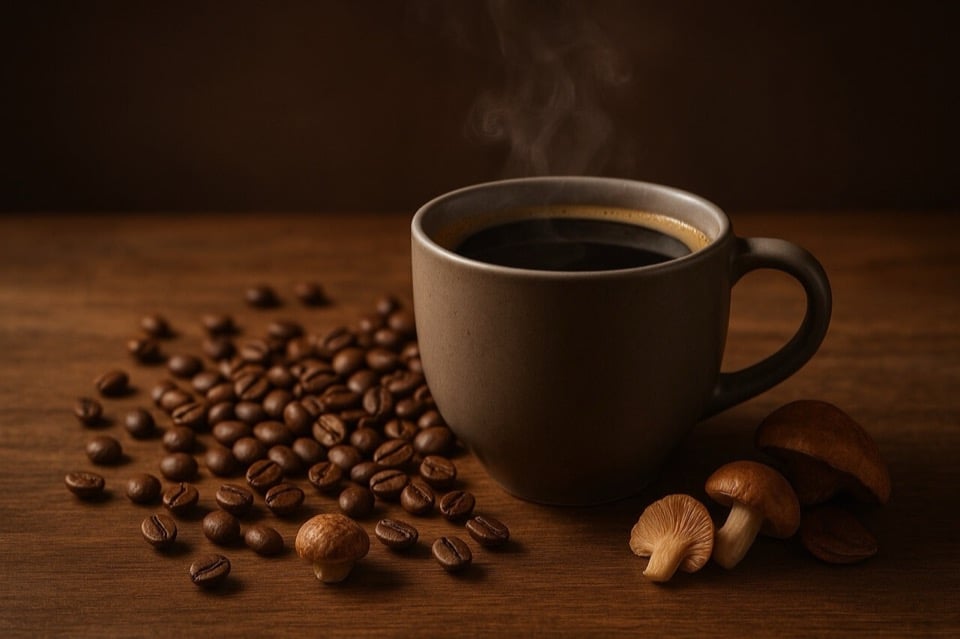
More people have discovered mushroom coffee in recent years. It typically starts with Arabica coffee and is blended with mushroom extracts such as Reishi (Ganoderma lucidum), Chaga (Inonotus obliquus), and Lion’s Mane (Hericium erinaceus), which have a long history of use in East Asian traditions.
Mushroom coffee is generally lower in caffeine than traditional coffee, which some people prefer. Many buyers describe it as a smoother cup, though experiences vary.
Mushroom coffee isn’t a replacement for traditional coffee so much as a different option. It may appeal to people looking for a more distinctive daily cup.
USA Medical SHROOM COFFEE: A New Way to Enjoy Coffee
SHROOM COFFEE combines the rich taste of 100% Arabica instant coffee with three organic mushroom extracts: Lion’s Mane, Reishi, and Chaga. It’s made for coffee drinkers who want a distinctive blend.
Why Try SHROOM COFFEE?
✔ Each mushroom extract contains over 30% polysaccharides.
✔ Free from unnecessary additives: contains no sugar, sweeteners, anti-caking agents, emulsifiers, preservatives, flavorings, anti-foaming agents, or palm oil.
✔ The rich aroma of Arabica coffee harmonizes with the natural character of the mushroom extracts, without a mushroom taste.
Try USA Medical SHROOM COFFEE yourself and discover how everyday coffee can become a new, mindful experience!
References and Scientific Sources- https://www.researchgate.net/publication/51665205_Coffee_Caffeine_and_Risk_of_Depression_Among_Women
- https://www.mdpi.com/2072-6643/15/13/3060
- https://www.efsa.europa.eu/en/efsajournal/pub/4102