
The Effects of CBDA Oil (Cannabidiolic Acid)
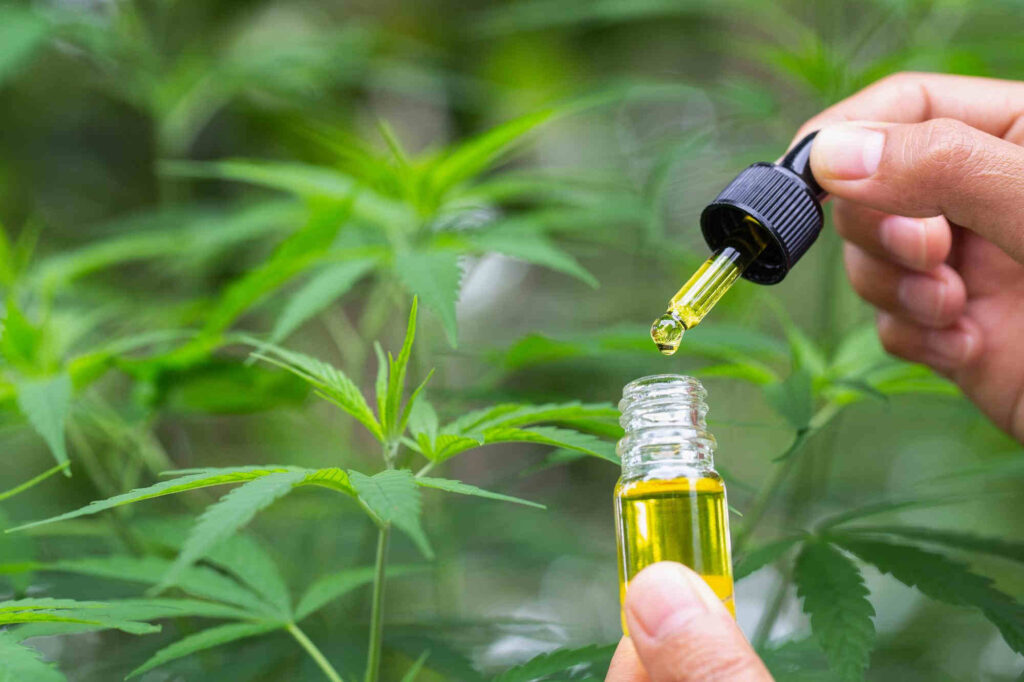
One of the lesser-known but increasingly studied compounds in the cannabis plant is CBDA, or cannabidiolic acid. This compound naturally occurs in raw hemp and is considered the acidic form of CBD (cannabidiol). Scientific interest in CBDA has grown in recent years, with several studies exploring its chemical properties and potential applications.
In this article, we will review exactly what CBDA is, how it relates to CBD, and what differences exist in their uses.
What is CBDA? – An Introduction to Cannabidiolic Acid
CBDA (cannabidiolic acid) is a naturally occurring compound in the hemp plant, representing the acidic form of CBD (cannabidiol). During the plant’s growth, CBDA biosynthetically develops from cannabigerolic acid (CBGA), which is a precursor to several other cannabinoids. CBDA is predominantly found in raw, fresh hemp plants.
This compound can convert into CBD under certain conditions, such as heat, light exposure, or prolonged storage. In this process, a carboxyl group is removed from the CBDA molecule, producing CBD. Chemically, this reaction is known as decarboxylation.
Most CBD-containing products are made from heat-treated, decarboxylated extracts, whereas preserving CBDA requires gentle processing at low temperatures. Therefore, maintaining the stability and shelf life of CBDA demands careful attention during production and storage.
CBDA Oil and the Body

Early Research on Inflammation and Pain
Early in vitro studies looked at whether CBDA may interact with COX-2, an enzyme involved in inflammatory processes. Later studies have not consistently confirmed those findings.
Early animal studies suggested that CBDA may influence 5-HT1A serotonin receptors, which are involved in several body functions. These findings are preliminary and need more study.
Early Research on Nausea and Vomiting
Early animal research has explored CBDA in nausea-related models. A 2013 study reported effects in rats, but the findings are preclinical and need more research before any conclusions can be drawn.
Researchers suggest this effect is likely linked to the 5-HT1A serotonin receptor, which also plays a role in the brain’s vomiting center. Interestingly, CBDA was able to enhance the effect of a well-known anti-nausea drug, Ondansetron, at least in animal experiments.
Mood and Stress Research
Increasing numbers of studies are exploring the role of CBDA in regulating mood and stress. Although these studies are mainly based on animal experiments at present, the results indicate that CBDA’s potential effects could be promising.
Preclinical studies from 2012 and 2013 found that CBDA may affect the 5-HT1A serotonin receptor, which is involved in several brain pathways. These findings are early and still need more research.
One study suggested that CBDA may influence 5-HT1A receptor activity in animals. The findings were observed at low doses, but the research is still preliminary.
Important note: These findings are early, and there are currently no human clinical trials confirming CBDA effects in people. More research is needed before any conclusions can be drawn.
CBDA vs CBD – What’s the Difference?
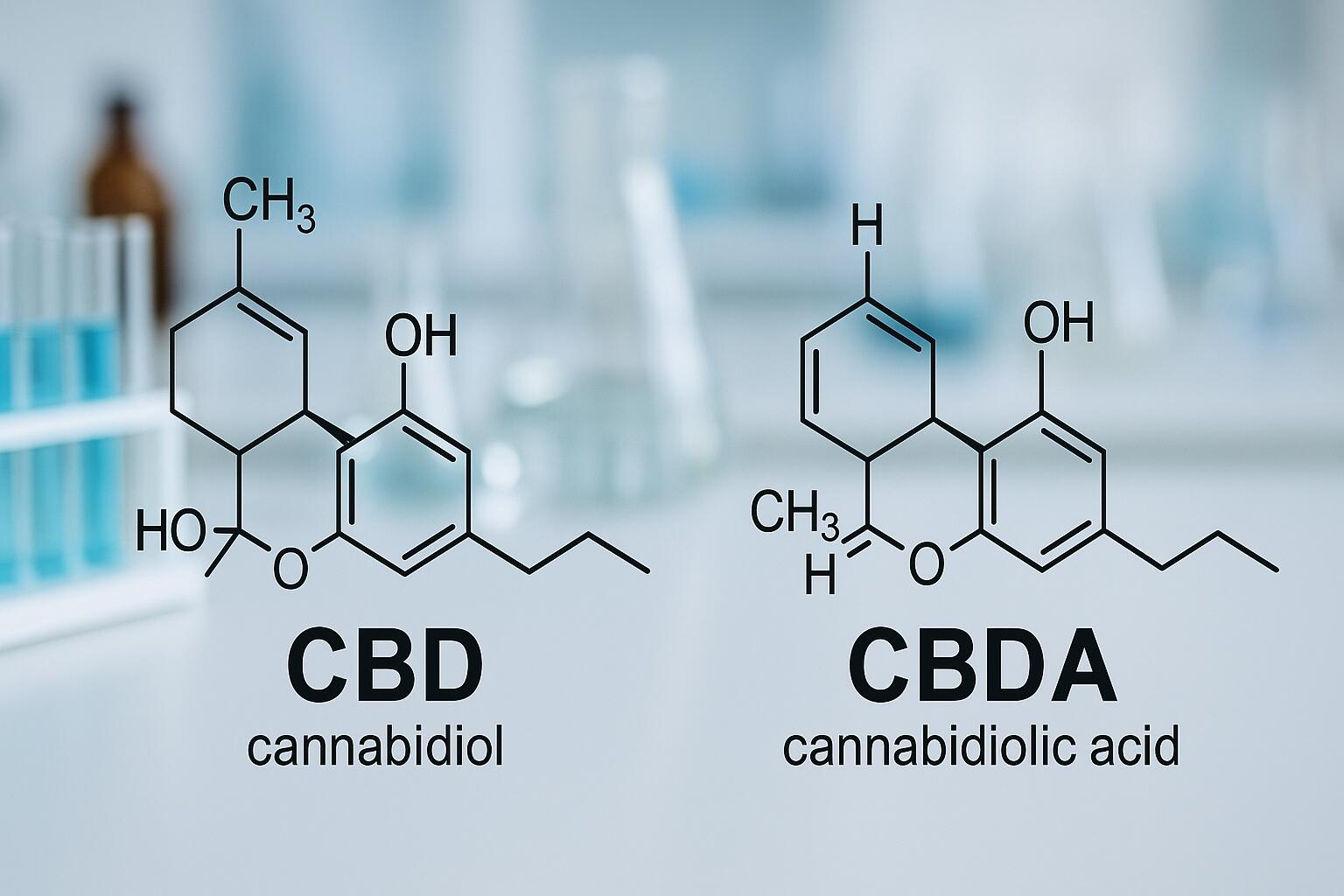
Although CBDA and CBD are closely related, they differ in structure and in how they may behave in the body. CBDA molecules contain a carboxyl group, which CBD does not have because it is removed through heat or time exposure in a process called decarboxylation.
Some lab studies suggest that CBDA and CBD interact with the body differently. CBDA appears to act on sites such as serotonin receptors, while CBD may influence the endocannabinoid system through a broader range of pathways.
There are also differences in absorption. Some studies suggest oral absorption of CBDA may differ from CBD, depending on the formula and carrier used.
Most CBD products use heat-treated, decarboxylated extracts, while CBDA products aim to preserve raw cannabidiolic acid through careful processing. Hemp naturally contains mostly CBDA, and some of it can convert into CBD during extraction, especially when temperature and pressure change.
As a result, final hemp oil extracts typically contain both CBDA and CBD, even when no separate heat treatment is applied. Their ratio is largely influenced by extraction parameters and technology used.
Some manufacturers offer CBDA-rich CBD oils that aim to preserve more of the raw-plant profile and may differ from heat-treated CBD products.
CBDA-containing CBD oils are available in full-spectrum and broad-spectrum versions. Full-spectrum oils usually contain trace THC, while broad-spectrum products are typically THC-free and may appeal to shoppers who want to avoid THC.
How to Use CBDA Oil
CBDA oil is still a new area, so there are no standardized dosing guidelines yet. Most of the research so far is preclinical and based on cell or animal studies, so any human dosing information should be treated as general information, not medical advice.
Since CBDA dosing depends on individual sensitivity and many other factors, it’s advisable to start with a low dose of CBDA and gradually increase it as needed.
Most CBDA oil products come with droppers for easier daily measuring. They’re often used under the tongue, which may help with absorption.
The details of the CBDA studies and research mentioned in this article are available in their original languages through the links in the Sources section below.
References and Scientific Sources- https://jast-journal.springeropen.com/articles/10.1186/s40543-022-00351-4
- https://link.springer.com/article/10.1007/s13562-023-00847-z
- https://pmc.ncbi.nlm.nih.gov/articles/PMC4009504/
- https://pubmed.ncbi.nlm.nih.gov/23121618/
- https://pubmed.ncbi.nlm.nih.gov/23488964/https://pubmed.ncbi.nlm.nih.gov/33010341/
- https://pubmed.ncbi.nlm.nih.gov/35628417/https://pmc.ncbi.nlm.nih.gov/articles/PMC7321064/