
CBD Isolate: What It Is, How It’s Made, and How to Use It
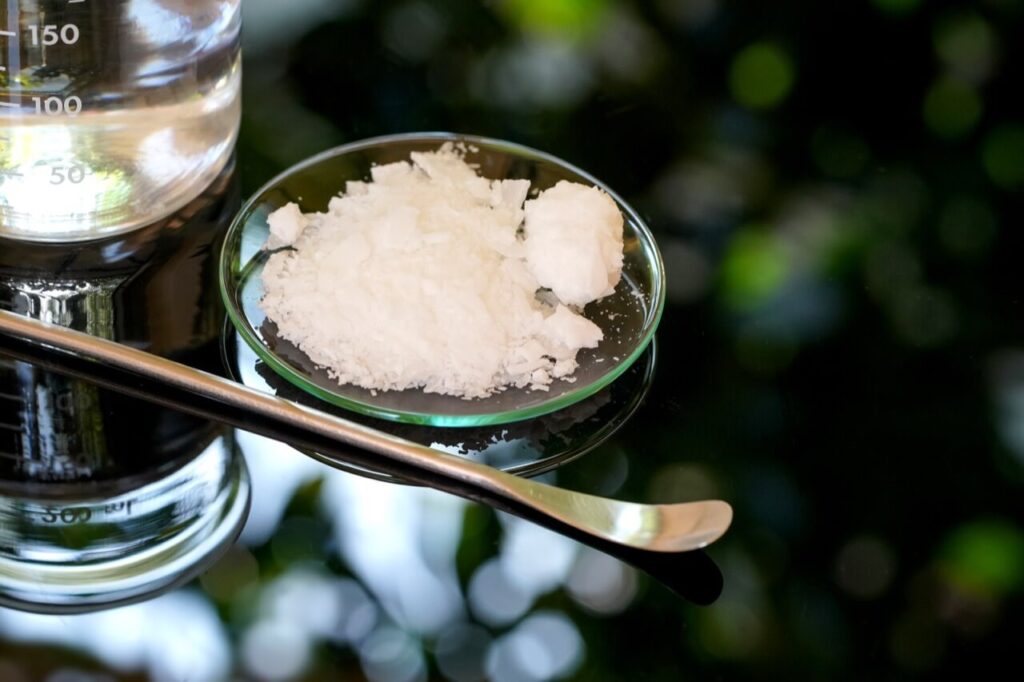
CBD products come in many forms, from oils and capsules to balms and water-soluble options. In this article, we explore CBD isolate in detail, including how it’s made, how people use it, and the main trade-offs to consider.
What is CBD Isolate?
CBD isolate is one of the most refined hemp extracts, containing cannabidiol without other cannabinoids or terpenes. It’s often called pure CBD or 0% THC CBD because the process removes THC and other plant compounds.
CBD isolate is typically a powder or crystalline form that is nearly 100% CBD. It’s usually white, tasteless, and odorless, and it can be used in products like oils, capsules, and cosmetics.
How Is CBD Isolate Made? – Manufacturing Process and Testing
The manufacturing process plays a key role in CBD isolate production. In general, two main extraction methods are used:
- Supercritical CO₂ extraction: This method is a gentle way to extract cannabinoids while minimizing unwanted plant components, such as chlorophyll.
- Solvent extraction: Ethanol or another solvent is used to extract cannabinoids. The extract is then purified, and any excess solvent is removed.
However, the initial extract may still contain other cannabinoids, terpenes, and other plant substances. Further processing creates CBD isolate, a crystalline or powder form that contains nearly pure cannabidiol. Independent lab results are an important part of CBD isolate production and can help verify purity and label accuracy.
Read This Before Buying CBD
-
Not sure where to start? Learn what to know about CBD oil and how it works.
-
Learn more about CBD oil.
-
Not sure which CBD oil is right for you? We’ll help you compare the options and choose with confidence.
- And if you’re ready to try it out, here’s our full CBD oil range, carefully selected and laboratory tested.
What Is CBD Isolate? – Common Uses and Considerations
CBD is thought to interact with the body’s endocannabinoid system, which plays a role in internal balance and other normal functions. CBD isolate contains cannabidiol without the other cannabinoids and terpenes found in full- or broad-spectrum products.
CBD isolate is often chosen for its simple formula:
- THC-free: Contains 0% THC, which may appeal to shoppers who want to avoid THC entirely.
- Pure CBD: Focuses exclusively on cannabidiol, so the formula centers on one active ingredient.
- Tested quality: Purity and active ingredient content can be reviewed through laboratory results.
CBD Isolate: Potential Drawbacks and Safety Considerations
CBD isolate is generally well tolerated, but it’s still worth looking at potential drawbacks and safety considerations.
- Lack of entourage effect: Because it contains only CBD, it does not include the other cannabinoids and terpenes found in broader-spectrum formulas.
- Side effects of CBD isolate: generally mild, such as fatigue, dry mouth, occasionally lower blood pressure, or mild digestive issues. These are relatively rare and mostly appear at high doses.
- Dosing can be less convenient with powder or crystal forms than with pre-mixed oils or capsules.
Explore CBD Oil Products
Browse here: CBD OIL WEB STORE
Broad Spectrum CBD Oil vs. Isolate: What’s the Difference?
Although CBD isolate can be appealing in some cases, especially for shoppers who want to avoid THC, many people prefer broad spectrum products because they include other hemp compounds while still offering 0% THC options. USA Medical broad spectrum products are formulated to preserve additional plant components.
Many customers prefer broad spectrum oils over pure CBD isolate, while still looking for THC-free options that match their preferences.
How to Use CBD Isolate: Forms and Tips
CBD isolate can be used in several ways:
- CBD isolate powder: Can be mixed into food or drinks, or blended with an oil base such as coconut oil.
- CBD isolate drops: Pre-mixed drops containing CBD for easier use.
- CBD isolate capsules: A convenient, flavorless option.
- Water-soluble CBD isolate: These products are formulated to disperse in beverages and other water-based liquids.
How to Use CBD Isolate
How much CBD isolate should you use? There’s no universal answer, since it depends on individual sensitivity, body weight, and how you plan to use it. A common approach is to start with a low amount (5-10 mg CBD per day) and increase slowly if needed.
How should you use CBD isolate? Start with a product that clearly lists the amount of CBD on the label.
How CBD Isolate Is Commonly Used and What to Expect
Timing can vary based on the product and how you take it. Under the tongue, some people notice effects in about 15–30 minutes. When mixed into food or drinks, it may take up to an hour or longer, and capsules can take longer still.
Can You Add CBD Isolate to Food and Drinks?
Since CBD isolate is usually crystalline or powdery and tasteless, many people mix it into food or drinks. Because CBD is fat-soluble, it may blend more easily with oils or other fat-containing ingredients. Water-soluble forms are designed to disperse more easily in beverages.
What to Look for When Buying CBD Isolate – Key Product Considerations
CBD rules can vary by market, and availability may differ depending on where you live. Before buying, check the product label, ingredient list, and any documentation the brand provides.
CBD rules vary across markets, so it’s important to compare products carefully. Look for clear labeling, ingredient details, and any product documentation the brand provides.
CBD Isolate vs. CBD Oil: Key Differences and How to Compare Them
CBD oils may be broad spectrum, full spectrum, or isolate. If you want cannabidiol only and want to avoid THC entirely, isolate or a 0% THC broad spectrum option may be worth comparing.
A broad spectrum CBD oil , such as those from USA Medical , combines cannabidiol with other hemp compounds while remaining THC-free.
Why Might Broad Spectrum CBD Oil Be Better Than Isolate?
Although CBD isolate can be appealing in some cases, especially for shoppers who want to avoid THC, broad spectrum formulas include additional hemp compounds while still maintaining 0% THC. USA Medical products are formulated to preserve those additional components.
Many shoppers prefer broad spectrum oils over pure CBD isolate, while still looking for THC-free options for personal or workplace reasons.
Summary:
CBD isolate can be a good choice for people who want only cannabidiol and prefer to avoid THC entirely. The powder form can be harder to measure than oils or capsules, and it does not include the other cannabinoids and terpenes found in broader-spectrum formulas. Broad spectrum CBD oils, on the other hand, include additional hemp components alongside 0% THC.
If you’re looking for a broad spectrum CBD oil, USA Medical offers several options to compare. Their lab-tested, 0% THC formulas preserve many hemp compounds and are designed for people who want a THC-free CBD product. If you’re comparing options, broad spectrum may be a good place to start.