
CBD and Joint Support: What to Know

- We review the basic facts about arthritis, its causes, and underlying factors.
- We review research on CBD and arthritis.
Arthritis is a common health condition that affects millions of people worldwide and can significantly affect daily life. Interest in CBD (cannabidiol) has grown as researchers continue to study its possible role in overall wellness.
Researchers are increasingly studying the endocannabinoid system and the CB1 and CB2 receptors in the body. This article gives a clearer overview of how cannabidiol has been studied in this context.
What is CBD oil?
CBD oil is extracted from hemp (Cannabis sativa) and may contain very little THC. Unlike THC, CBD is non-intoxicating.
CBD oil can be extracted from hemp using several methods. One advanced option is supercritical carbon dioxide (CO₂) extraction, which uses controlled conditions to pull out plant compounds. The resulting raw extract can be:
Full-spectrum CBD oil: Contains CBD alongside other phytocannabinoids and terpenes, including a small amount of THC.
Broad-spectrum CBD oil: Contains CBD, terpenes, and other cannabinoids, with THC removed.
CBD isolate: Pure cannabidiol with no other plant compounds.
Tip: Learn more about CBD oil.
The role of the endocannabinoid system in the body
The endocannabinoid system (ECS) is an internal regulatory network in the human body. Since the 1990s, researchers have studied how this system may relate to pain perception, inflammatory responses, appetite, and mood.
What components make up the endocannabinoid system?
Endocannabinoids include compounds like anandamide and 2-AG. Their structures are similar to cannabinoids found in hemp.
CB1 and CB2 are key receptors in the endocannabinoid system. They’re found in the brain, peripheral nervous system, and immune system.
Enzymes help regulate how endocannabinoids are made and broken down, helping the body maintain balance.
How the endocannabinoid system helps maintain balance
The ECS helps maintain the body’s internal balance, or homeostasis. Researchers study how signaling in this system may influence the body’s response to discomfort and stress. Anandamide is sometimes called the “bliss molecule” because it has been linked to mood and other body processes.
CBD buying guide: what to know first
- Still have questions about CBD oil? Learn how CBD works.
-
Learn more about the potential effects of CBD oil.
- Not sure where to start? We’ll help you compare our CBD oil options and choose the one that feels right for you.
- If you’re ready to shop CBD oil, browse our full range of carefully selected, lab-tested products.
How does CBD interact with the endocannabinoid system?
Indirect effect: Unlike THC, CBD does not directly bind to CB1 or CB2 receptors but may influence their activity. It may also affect enzymes involved in the endocannabinoid system, but research is still limited.
Early research suggests CBD may affect inflammatory pathways, but the evidence is still limited.
The endocannabinoid system is a complex network involved in many bodily functions. Researchers continue to study how CBD may interact with the ECS, though research is still limited.
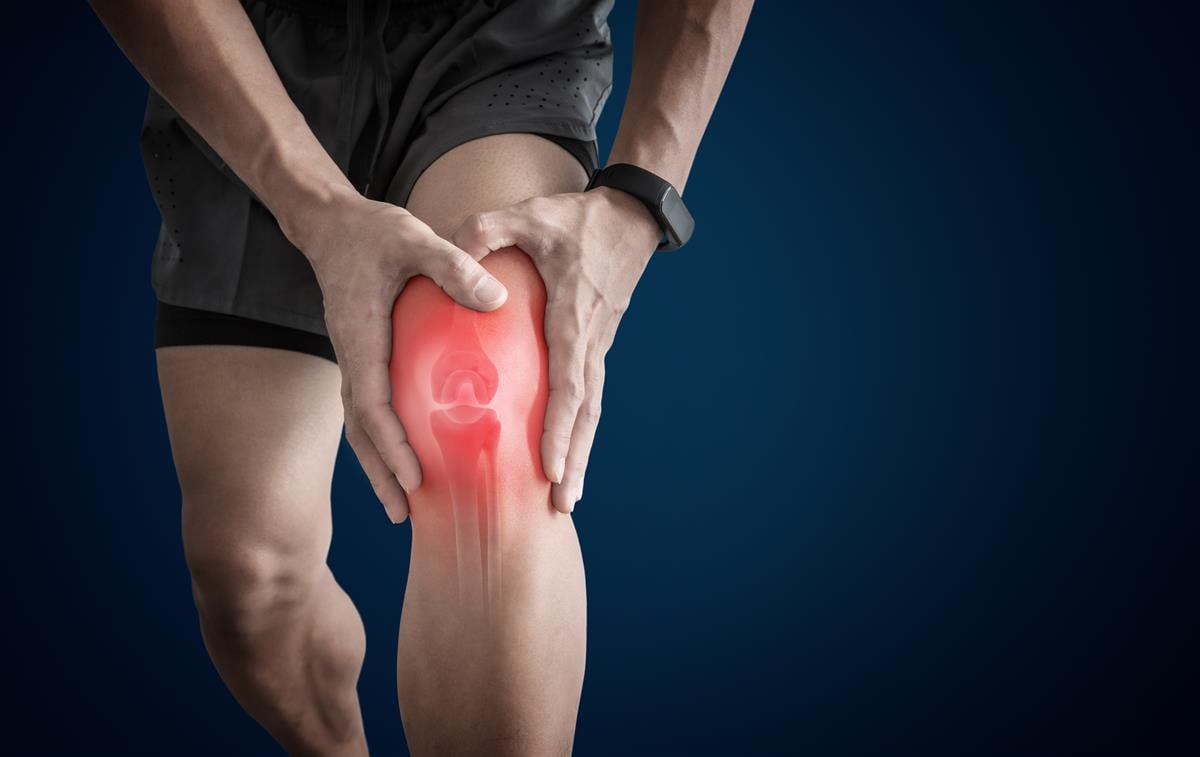
CBD and Arthritis: What Does the Research Say?
CBD has been studied for a range of possible effects, but more clinical data is still needed before drawing firm conclusions. Here’s a quick look at a few studies.
CBD Oil and Joint Health: What the Research Says
A common question is what the research has looked at. A 2015 animal study examined transdermal CBD over four days. Because this was an animal study, more research is needed before drawing conclusions about people.
Another 2020 laboratory (in vitro) study looked at joint cells from people with rheumatoid arthritis that were obtained during surgery. The researchers examined how cannabidiol affected these cells in the lab.
CBD Oil and Osteoarthritis: Key Findings from the Study
CBD in osteoarthritis-related cell studies
CBD changed intracellular calcium levels and fibroblast viability in the lab. These findings do not show how CBD works in people.
Study findings in the inflamed cells studied
When cells were exposed to TNF-α, the study observed a different lab response to CBD.
Potential effects on inflammation:
In the study, CBD was associated with changes in several inflammatory markers in the cells studied.
Overall, this lab study suggests CBD may influence inflammation-related pathways in rheumatoid arthritis cells.
Though these early findings are interesting, researchers still need more study to understand how CBD works, what dose is appropriate, and whether results are similar in humans. More clinical research is needed before drawing firm conclusions.

Explore CBD Oil Products
How joints work and their role in the body
Joints are where two bones meet, allowing the body to move. Without joints, everyday activities like walking, squatting, or lifting would be difficult. What makes them so important?
Cartilage and synovial fluid help cushion movement
Healthy joints rely on cartilage and synovial fluid working together. Cartilage helps absorb stress and reduce friction between bones, while synovial fluid acts as a lubricant. If this cushioning system is damaged or inflamed, movement can become painful and may become limited over time.
Why are joints vulnerable?
Cartilage and synovial fluid help cushion the joints. Overuse, injury, or autoimmune conditions such as rheumatoid arthritis can gradually wear down cartilage. Different types of arthritis have different causes, but many can involve pain, swelling, and limited mobility.
Causes and types of arthritis
Arthritis isn’t one disease, it’s a group of conditions with different causes and risk factors.
What causes arthritis?
In rheumatoid arthritis, the immune system attacks joint tissue by mistake, which can lead to damage over time.
Some types of arthritis, including rheumatoid and psoriatic arthritis, can run in families, which points to a genetic link.
Osteoarthritis involves gradual cartilage breakdown and is often associated with age, higher body weight, and years of joint use.
Infections: Some bacteria or viruses can enter joints directly, causing septic arthritis that requires urgent medical intervention.
The most common types of arthritis
Osteoarthritis: This type of arthritis most often affects the knees, hips, and spine, though the small joints in the hands can also be involved. Cartilage breakdown can lead to ongoing pain and stiffness.
Rheumatoid arthritis: An autoimmune condition that often affects the small joints in the hands and feet on both sides of the body. Over time, inflammation can damage joints and other tissues.
Gout is caused by high uric acid levels and often affects one joint, such as the big toe, though it can involve more than one joint.
Psoriatic arthritis is a type of arthritis linked to psoriasis that can affect the skin and joints.

CBD Cream: Important Facts to Know
Customers sometimes ask about CBD creams for arthritis. We do not currently offer a cream for that use, and we avoid making medical claims about how our creams or balms affect inflammation or joint conditions.
Managing Arthritis with Conventional Methods
Arthritis can cause pain, swelling, and stiffness that affect daily activities. Treatment goals usually focus on easing discomfort and helping protect joint function. The best approach depends on the type of arthritis and the individual diagnosis.
Medications
Non-steroidal anti-inflammatory drugs (NSAIDs) These are commonly used for arthritis. They can help ease pain and inflammation, but long-term or high-dose use may increase the risk of gastrointestinal or cardiovascular side effects.
Pain relievers: Over-the-counter pain medications mainly relieve pain, but may not reduce inflammation.
Corticosteroids are often used for short-term control of severe inflammation flare-ups. Long-term use may increase the risk of osteoporosis, weight gain, and high blood sugar.

What is CBD?
All the essential information in one place!
Physiotherapy and rehabilitation exercises
Regular physical therapy and exercise may help support range of motion, strength, and stability. Clinicians may recommend personalized exercise plans, including:
Gentle, consistent movement can help support circulation to joint tissues.
Muscle strengthening: Building the muscles around a joint can help support and stabilize the area.
Targeted exercises for the knees, hips, and shoulders can help make everyday tasks like climbing stairs or lifting feel easier.
Swimming, water aerobics, and cycling are low-impact options that can work well for many beginners and older adults. Before starting a new exercise routine, check with a healthcare professional.
Surgical options
If other treatments don’t help and joint damage is severe enough to limit daily movement, surgery may be an option.
Joint replacement: Most often performed for knee or hip arthritis. After surgery, rehabilitation plays a key role in helping you adjust to the new joint.
Arthroscopic surgery: A minimally invasive procedure used to address minor repairs, cartilage wear, or ligament injuries.
Alternative approaches
Dietary changes and weight management A healthy weight can reduce stress on weight-bearing joints like the knees and hips. A balanced diet with vegetables, fruit, fish, and whole grains can support overall health. Omega-3 fatty acids, found in foods like salmon and sardines, are often discussed as part of an anti-inflammatory eating pattern.
Heat and cold therapy: Short-term, targeted use may help ease discomfort. Heat can relax muscles, while cold may help with swelling.
Stress management and rest. Chronic stress can make it harder to feel your best. Relaxation techniques, mindfulness, and breathing exercises may help ease tension and support overall well-being.
References and Scientific Sources
- DC Hammell, LP Zhang, F Ma, SM Abshire, SL McIlwrath, AL Stinchcomb, KN Westlund (2015): Transdermal cannabidiol in a rat model of arthritis
- Torsten Lowin, Ren Tingting, Julia Zurmahr, Tim Classen, Matthias Schneider, Georg Pongratz (2020): Cannabidiol (CBD) and inflammatory rheumatoid arthritis synovial fibroblasts