
Cannabinoids: Effects and Uses
Cannabinoids are a major topic in cannabis research. They are chemical compounds that interact with the endocannabinoid system and may affect several normal body processes.
In this article, we explain what cannabinoids are, where they’re found in nature, and whether they can be made synthetically.
We’ll also cover lesser-known phytocannabinoids and what to look for when choosing a quality CBD product. Read on to learn more about hemp and its many cannabinoids.
What Are Cannabinoids?
Cannabinoids are naturally occurring compounds found in Cannabis sativa. More than 480 substances have been identified in the plant, and about 140 are classified as cannabinoids. Delta-9-tetrahydrocannabinol (Δ9-THC) is the main psychoactive compound in some cannabis strains. Cannabidiol (CBD) is another major compound and is not intoxicating. Cannabinoids are generally grouped into three main categories:
Endocannabinoids are compounds naturally produced by the human and animal body, such as anandamide (AEA) and 2-arachidonoylglycerol (2-AG). These molecules help regulate normal body processes.
Phytocannabinoids: Plant-based cannabinoids found in hemp and some other plants, such as cocoa and kava. THC and CBD are the best-known examples, and research suggests hemp contains more than a hundred cannabinoids.
Synthetic cannabinoids: Laboratory-made compounds sometimes developed for pharmaceutical use. There are also illegal versions on the market that can be highly psychoactive and less safe.
Cannabinoid Receptors
Cannabinoids act through receptors in the endocannabinoid system (ECS). The two main receptors are CB1 and CB2. The ECS is involved in several normal body functions.
CB1 receptors are mainly found in the nervous system (especially the brain), but are also present in smaller amounts throughout the body.
CB2 receptors are primarily located on immune system cells and in peripheral tissues.
CB1 receptors are mainly associated with nervous system functions, while CB2 receptors are often linked to immune-related processes. Scientific sources describe this system as part of the body’s effort to maintain balance, or homeostasis.
The Endocannabinoid System and Body Homeostasis
The endocannabinoid system (ECS) is a key regulatory network in the human body. Its role is to help maintain internal balance, homeostasis, across the nervous system, immune system, hormonal processes, and other body functions.
Why Is Homeostasis Important?
Homeostasis is the body’s way of staying in balance. For example, it helps regulate body temperature and blood sugar through ongoing internal adjustments. The endocannabinoid system helps coordinate some of these responses to changing conditions.

What is CBD?
All essential information in one place!
Plant-Based Cannabinoids
Plant cannabinoids, also called phytocannabinoids, are found mainly in hemp (Cannabis sativa). Small amounts have been detected in other plants, but hemp has the greatest concentration and variety. They are especially abundant in the resin produced by trichomes, the plant’s glandular structures. Hemp resin is also rich in terpenes, which give cannabis its characteristic aroma. Common phytocannabinoids include:
- Cannabigerol (CBG)
- Cannabichromene (CBC)
- Cannabidiol (CBD)
- Tetrahydrocannabinol (THC)
- Cannabinol (CBN)
- Cannabinodiol (CBDL)
- Cannabicyclol (CBL)
- Cannabielsoin (CBE)
- Cannabitriol (CBT)
- Cannabivarin (CBV)
- Tetrahydrocannabivarin (THCV)
- Cannabidivarin (CBDV)
- Cannabichromevarin (CBCV)
- Cannabigerovarin (CBGV)
- Cannabigerol-monoethyl ether (CBGM)
Plant cannabinoids are structurally similar to the endocannabinoids our bodies produce. Because of that, some researchers believe phytocannabinoids may interact with the endocannabinoid system.
Most research so far has focused on CBD. Both animal studies and human trials have examined it in a range of research settings.
Tip: Want to learn more? Read our article on CBD oil.
Other Plant-Based Cannabinoids
Minor phytocannabinoids are found in smaller amounts in hemp, but they’re getting more research attention because they may interact with different parts of the ECS. Examples of minor phytocannabinoids include:
Cannabidiolic acid (CBDA) is the acidic precursor to CBD found in raw plant material. It converts into CBD through decarboxylation (heating). So, when cannabis is raw, you’re taking in CBDA rather than CBD. Research on acidic cannabinoids is still in its early stages, and scientists are still learning how they work.
Cannabinol (CBN) is a breakdown product of THC that is often found in aged cannabis. It has been studied, but human research has not confirmed clear effects.
Cannabigerol (CBG) is the decarboxylated form of CBGA. CBG binds weakly to both CB1 and CB2 receptors, and its potential is still under investigation.
These lesser-known phytocannabinoid molecules show how complex hemp’s chemical profile is. As research expands beyond CBD and THC, more information is likely to emerge about how these compounds work.
Must-Read Before Buying CBD
- Wondering what CBD oil is? Learn how it works.
- Read more about CBD oil.
- Want help choosing the right product? We’ll walk you through the options and help you find the CBD oil that’s right for you.
- When you’re ready to shop, browse our full selection of carefully curated, lab-tested CBD oils.
CBD Products: Oil, Powder, and Cream
CBD products come in various forms so everyone can find the most convenient way to use them.
CBD Oil: A Popular CBD Product
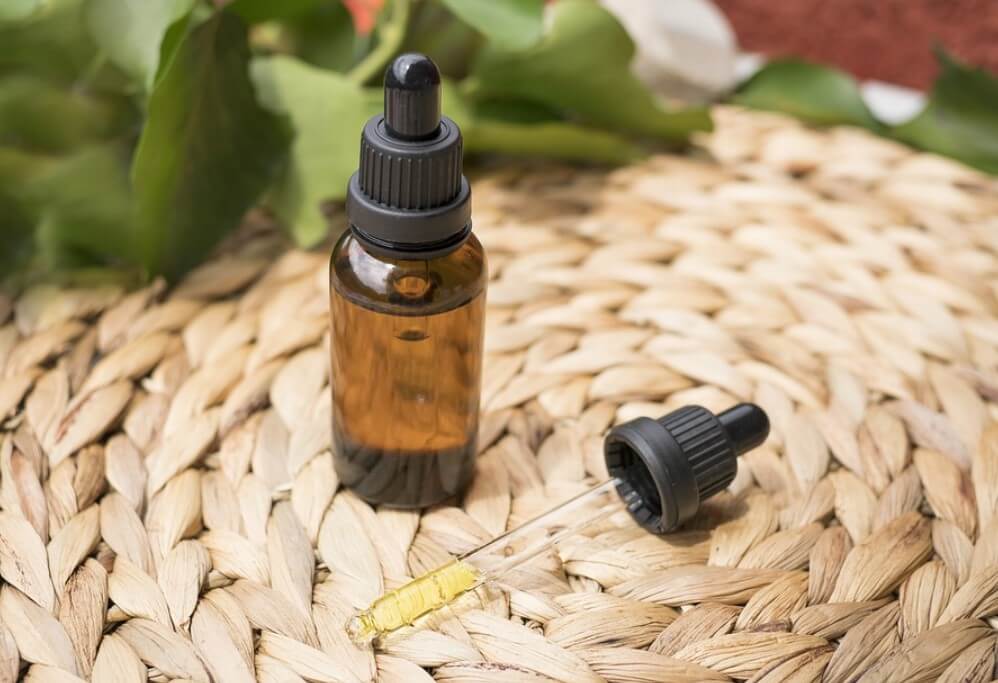
Cannabidiol oil, or CBD oil, is the most common form of CBD product and is typically sold in a dropper bottle. Many people place it under the tongue for easy use. Sellers usually emphasize following the directions on the label.
Some CBD oils contain broad-spectrum extracts, which means CBD is combined with other phytocannabinoids and terpenes. This leaves out THC while still including many of hemp’s naturally occurring compounds.
CBD powder, also called CBD isolate.
CBD powder usually refers to isolated CBD in crystalline form. People often mix it into food or drinks for flexible use. Dosing guidance for this form is still limited.
CBD Cream
Topical CBD products, like body lotions, balms, or patches, are applied directly to the skin. They may absorb more slowly than other forms, and research on how they work is still developing.

Explore CBD Oil Products
Browse Our CBD OIL ONLINE STORE Here
Ordering Cannabinoids: What to Watch for When Buying
Quality matters when you’re shopping for CBD products. Reputable brands use laboratory testing to check composition and purity. Here are the key factors to consider before buying CBD oil or other cannabinoid products:
✔ Broad-spectrum: rich in terpenes and phytocannabinoids but contains no THC.
✔ Made from organic hemp, free of heavy metals and pesticides.
✔ Made from U.S.-grown hemp.
✔ THC-free formula for customers who prefer CBD products without THC.
✔ Backed by responsive customer service.
✔ Includes laboratory test results and product details.
✔ Supported by customer reviews and experiences.
✔ Includes product details and a CPNP number.
Access our high-purity, guaranteed-potency, 100% THC-free CBD products by clicking here.