
Ashwagandha Side Effects: What to Watch For
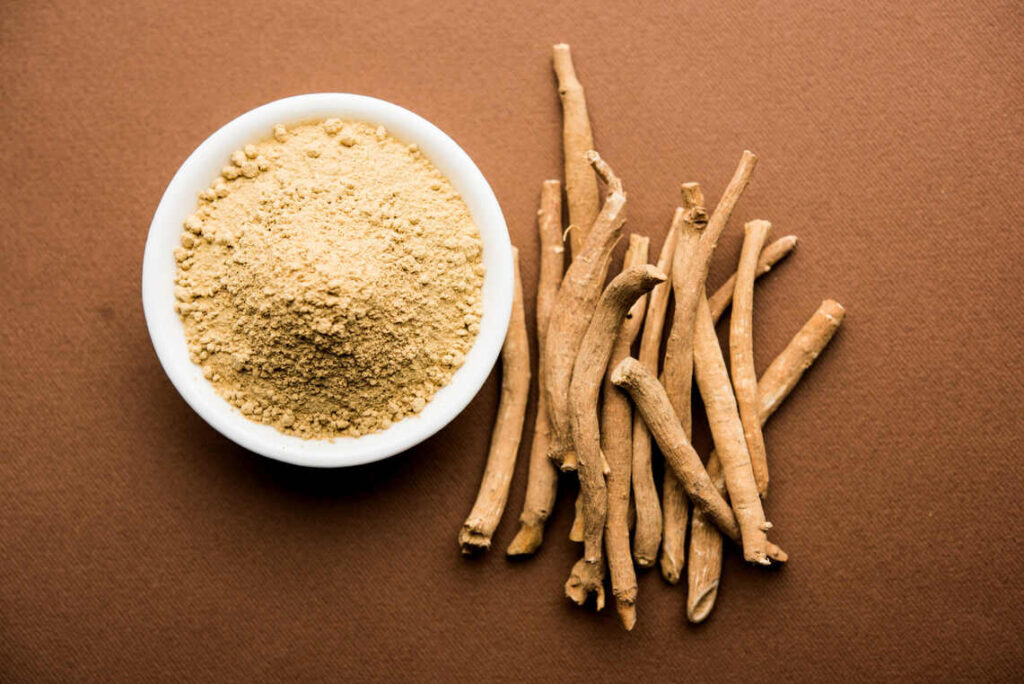
More people have been turning to natural dietary supplements, especially when they want support for stress, sleep, or overall balance. Ashwagandha, also known as Withania somnifera, is an herb used for thousands of years in Ayurvedic medicine and is now widely discussed in the U.S. and other Western markets.
Even a herb that has been used for centuries can cause unwanted effects, especially when it’s used incorrectly, in high amounts, or by someone with a health condition.
This article answers a few common questions about ashwagandha: What side effects can happen? Who should avoid it? When should you use extra caution?
If you’re thinking about trying ashwagandha, or already taking it and want to understand it better, this article can help you make a more informed, responsible decision.
What is Ashwagandha and what is it used for?
Ashwagandha is a plant native to Asia and North Africa that has been used for centuries in Ayurvedic medicine. Its name comes from Sanskrit and refers to the root’s distinctive aroma. Today, it’s popular in Western countries among people looking for natural support for overall wellness and balance.
Ashwagandha is often categorized as an adaptogenic herb. It’s commonly used in capsule, powder, and tincture form, and root extracts are the basis of many dietary supplements.
Common Uses Include:
- Support for everyday stress,
- Support for sleep quality,
- Enhancement of cognitive performance and concentration,
- Fatigue support,
- Hormonal support,
- and, in some cases, reproductive wellness support.
The active compounds in ashwagandha, primarily withanolides, have been studied for their possible effects on cortisol, thyroid hormones, and the nervous system.
That said, individual responses can vary, and much of the available research is based on small or short-term clinical trials.
Many people tolerate ashwagandha well, but it doesn’t affect everyone the same way. In some situations, side effects can happen. Here’s what to know.
Potential Ashwagandha Side Effects
Although ashwagandha is natural, it can still cause side effects. As with any supplement that contains active compounds, unwanted symptoms can occur, especially with high doses, long-term use, or certain health conditions.
Common Mild Side Effects
Reported side effects are usually mild and may involve the digestive system, nervous system, or sleep. These may include:
- Digestive issues such as bloating, heartburn, nausea, constipation, or diarrhea. These are more likely when ashwagandha is taken on an empty stomach or in higher amounts.
- Drowsiness or fatigue, especially when taken in the morning or in higher doses.
- Irritability or restlessness can also occur, especially in the first few days.
These symptoms often go away within a few days, but if they continue, stop using the product and check with a healthcare professional if needed.
Who Should Be Cautious About Ashwagandha?
Ashwagandha is generally well tolerated by many people, but it isn’t right for everyone. Certain health conditions, life stages, or medications call for extra caution because active compounds may affect hormones, the nervous system, or metabolism.
The sections below look at groups of people who may need extra caution or who may want to avoid ashwagandha altogether.
People Who Are Pregnant or Breastfeeding
Based on available research, ashwagandha is not recommended during pregnancy. There isn’t enough evidence to confirm safety, so it’s best to avoid it during this time unless a healthcare professional advises otherwise.
There isn’t enough safety data to know whether the active compounds pass into breast milk or how they may affect infants. Out of caution, ashwagandha is not recommended while breastfeeding.
People with Autoimmune Conditions
Ashwagandha is often described as an immunomodulator, meaning it may affect immune activity. For people with autoimmune conditions such as Hashimoto’s thyroiditis, rheumatoid arthritis, lupus, or multiple sclerosis, it should be used only with medical guidance.
If You Have an Overactive Thyroid
Ashwagandha has been studied for its possible influence on thyroid hormones. Some human studies suggest it may increase T3 and T4 levels, which may be a concern for people with hyperthyroidism.
In people with mild hyperthyroidism, this effect may contribute to hormonal imbalance and could lead to a rapid heartbeat, insomnia, or increased anxiety.
People Taking Blood-Thinning Medication
Compounds in ashwagandha may affect blood clotting, so people taking blood thinners should talk with a healthcare professional before using it.
Children and teens
Most clinical trials exclude people under 18, so there isn’t enough data on ashwagandha use in children and teens. Because their bodies are still developing, it’s not recommended for younger users.
Ashwagandha and drug interactions

Because ashwagandha can affect hormone, nervous system, and immune processes, it may change how some medications work when taken together.
This doesn’t mean ashwagandha will cause problems every time, but people who take prescription medication regularly should know it may interact with some treatments.
Common side effects can include:
- Medications that affect the nervous system: ashwagandha may add to drowsiness, fatigue, or, in some cases, restlessness.
- Treatments that affect the hormone system: ashwagandha may add to their effects, which isn’t always desirable.
- Immune system-related conditions or treatments: it’s best not to choose supplements on your own, since changing immune activity may not be advisable.
- Medications that affect blood pressure, blood sugar, or metabolism: ashwagandha may add to their effects and make you more sensitive to them.
These interactions may not show up right away and can take weeks to notice. Anyone taking medication, especially long term or for a chronic condition, should talk with a doctor before starting ashwagandha.
In summary, ashwagandha can affect the body, and extra caution is a smart idea when it’s combined with other products, since the combined effects can be hard to predict.
What Can Happen If You Take Too Much Ashwagandha?
Ashwagandha is often used in daily amounts of a few hundred milligrams, and some supplements list this amount on the label. This amount is generally well tolerated by most people, but larger doses or prolonged use might not be safe.
Overuse of ashwagandha can happen not only from taking a large single dose, but also from taking too much over time or from combining several ashwagandha products.
Possible effects of taking too much Ashwagandha include:
- hormonal changes (e.g., sleep problems, irritability, changes in the menstrual cycle),
- dizziness, fatigue, low blood pressure,
- digestive issues (e.g., nausea, bloating).
A few rare case reports mention elevated liver enzymes, but the cause was not clearly identified and nonstandardized products were often involved. The link hasn’t been proven, but caution is still wise.
As a precaution, some people take ashwagandha in cycles with planned breaks. Others check with a healthcare professional about long-term use, especially if they also take other supplements or medications.
Who Should Avoid Ashwagandha?

Overall, ashwagandha is considered safe for most people. Still, there are certain life stages, health conditions, and situations where it’s not recommended.
Let’s briefly review the specific cases where Ashwagandha is contraindicated:
- Pregnancy and Breastfeeding
- Autoimmune conditions
- Hormonal Therapies and Certain Medications
- Children and teens
In summary, ashwagandha is not inherently dangerous, but it isn’t right for everyone. Individual sensitivity, chronic illness, and medication use call for extra caution. Natural origin does not automatically mean safe, responsible use matters.
Frequently Asked Questions
Many questions come up about ashwagandha use, especially for people with health conditions, people taking medications, or anyone trying to avoid side effects. The answers below can help you make a more informed decision.
What are the common side effects of Ashwagandha?
Most people tolerate ashwagandha well, but side effects can happen, especially during the first few weeks.
The most common side effects include:
- mild digestive upset, such as bloating or nausea,
- drowsiness or, less commonly, restlessness,
- Less commonly, irritability, sleep disturbances, or menstrual cycle irregularities.
Should People with Autoimmune Conditions Talk to a Doctor Before Using Ashwagandha?
Ashwagandha is not recommended for autoimmune conditions without medical supervision. Because its effects on the immune system are not fully understood and may be stimulating, caution is strongly advised.
Is Long-Term Ashwagandha Use Safe?
Most available clinical studies cover 8–12 weeks, so there isn’t enough data yet on the effects of taking ashwagandha for years.
In the short to medium term, it is generally well tolerated, but long-term use may warrant extra caution.
- take regular breaks (for example, 6–8 weeks of use followed by 2–4 weeks off),
- Watch for changes in how you feel (for example, unusual fatigue, liver-related symptoms, or menstrual changes).
Can Ashwagandha Interact with Antidepressants?
This is a complex question. Theoretically, Ashwagandha may affect neurotransmitters like serotonin or GABA. Because of this, interactions with antidepressants may occur, altering their effects. This is not necessarily dangerous, but it can make treatment unpredictable. Therefore, if someone is taking antidepressants, Ashwagandha should only be used with a doctor’s approval.
What Happens If You Take Too Much Ashwagandha?
Overuse of ashwagandha can happen in several ways, not just from taking a large single dose, but also from taking too much over time. Possible symptoms include:
- fatigue, low blood pressure, and dizziness,
- sleep disturbances or irritability,
- stomach discomfort,
- hormone-related changes
The most important thing is to follow the manufacturer’s instructions. If any unwanted symptoms appear, stop using it and seek professional advice if needed.
References and Scientific Sources- National Center for Complementary and Integrative Health (2022): Ashwagandha: Usefulness and safety
- National Institutes of Health (2022): Ashwagandha – Fact Sheet for Health Professionals
- Chandrasekhar, K., Kapoor, J., & Anishetty, S. (2012): A prospective, randomized double-blind, placebo-controlled study of safety and efficacy of a high-concentration full-spectrum extract of ashwagandha root in reducing stress and anxiety in adults