

Ashwagandha and Blood Pressure: What Research Shows

Ashwagandha is a widely studied adaptogenic herb. Research has explored its role in stress support and overall cardiovascular wellness. A common question is how this ancient Ayurvedic herb may affect blood pressure and whether it is appropriate for people who already have blood pressure concerns.
In this article, we take a closer look at the latest research on ashwagandha and blood pressure, how it may work, and when to use extra caution.
Take extra care if you already have low blood pressure or take blood pressure-lowering medication.
It’s important to remember that natural doesn’t automatically mean right for everyone, so it’s worth checking whether ashwagandha is a good choice for you.
Ashwagandha and Blood Pressure Regulation
Blood pressure is influenced by many factors, including stress, nervous system activity, inflammation, and vascular health. Ashwagandha’s adaptogenic properties have been studied in these areas, which is why it’s often discussed in the context of blood pressure support.
To understand ashwagandha’s potential effect on blood pressure, it helps to look at how the herb works in the body. The main active compounds in the root are withanolides, especially withaferin A and withanolide D, which may interact with the body’s stress response systems in several ways.
How Adaptogens May Work
Ashwagandha (Withania somnifera) is considered an adaptogenic herb, meaning it may help the body respond to everyday stress. Researchers have also looked at its effects on the hypothalamic-pituitary-adrenal (HPA) axis, the body’s main stress response system, which is linked to blood pressure.
When the body is under stress, the HPA axis activates and raises cortisol, the stress hormone. Over time, higher cortisol levels may affect overall health, including blood pressure. Some studies suggest that ashwagandha may help support a healthier stress response.
Vascular Effects
Ashwagandha may help support a healthy stress response and vascular function. Some research suggests its withanolides may help the body produce nitric oxide, which plays a role in blood vessel relaxation.
Nitric oxide is produced by endothelial cells lining the inner layer of blood vessels. These cells help keep blood vessels flexible and responsive to changes in blood flow. If ashwagandha extract supports nitric oxide production in these cells, it may help maintain healthy blood vessel function and normal circulation.
What the Research Says About Inflammation
Chronic inflammation is one factor associated with high blood pressure. Ashwagandha has been studied for its anti-inflammatory activity, and some research suggests it may help support healthy CRP levels and other inflammatory markers. That may contribute to overall cardiovascular wellness.
The Nervous System Connection
The autonomic nervous system also plays an important role in blood pressure regulation. Activation of the sympathetic nervous system raises blood pressure, while the parasympathetic system has the opposite effect. A 2016 study suggested that ashwagandha may support nervous system balance, which could influence blood pressure.
Researchers have noted that ashwagandha’s effect on blood pressure may be more about overall balance than simple lowering. In practice, that means it may not act the same way for everyone.
Ashwagandha and Blood Pressure: What Research Shows
A review of the research found mixed results on ashwagandha and blood pressure.
Study Results in People With High Blood Pressure
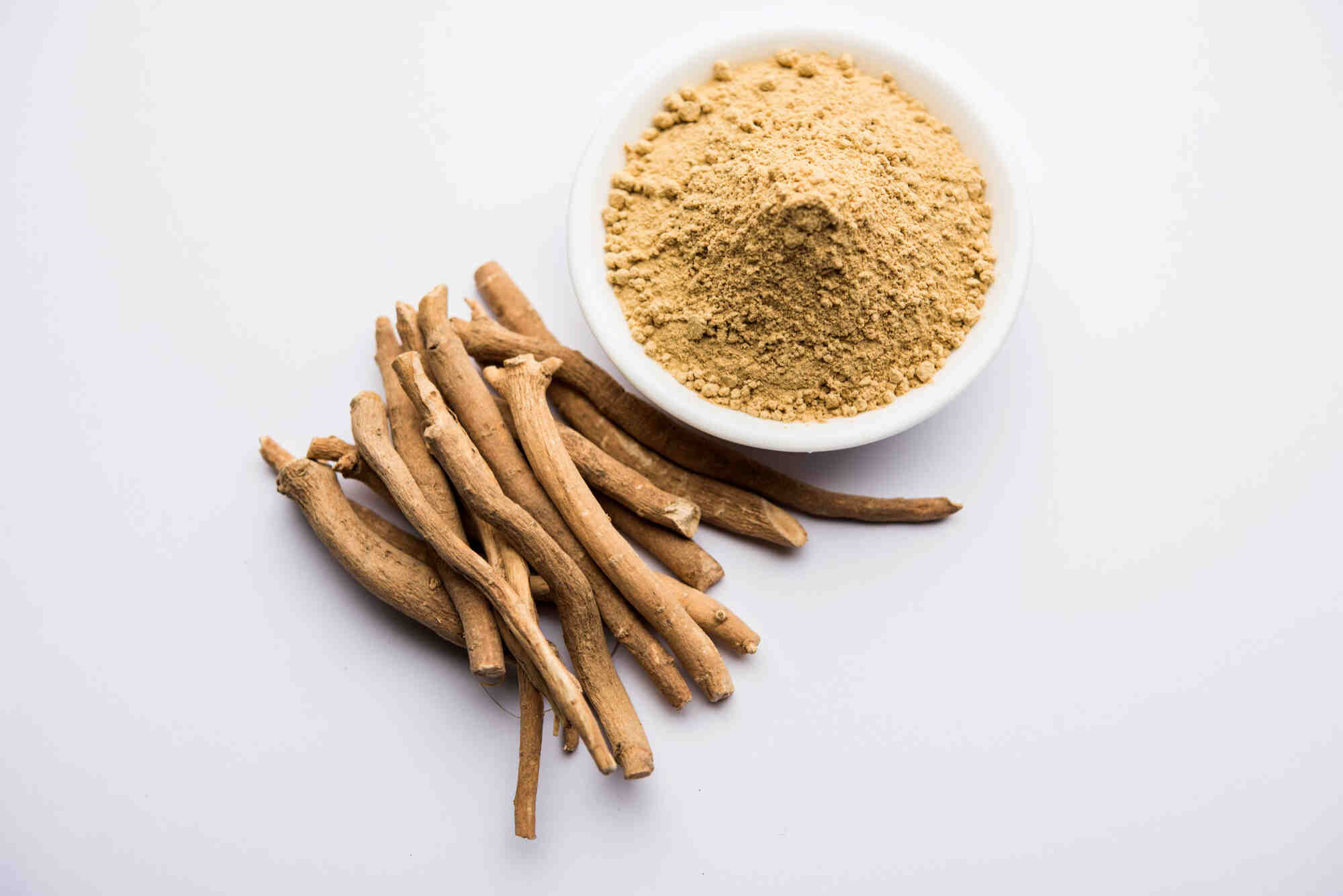
One 2012 study followed 51 adults with high blood pressure. Participants were split into two groups: one received 2 grams of ashwagandha root powder daily with milk, and the other took the same dose mixed with water. After 30 days, both groups showed lower blood pressure readings.
The milk-based group showed especially notable changes:
- Study result: systolic blood pressure changed from 164 mmHg to 158 mmHg
- Study result: diastolic blood pressure changed from 100.5 mmHg to 85 mmHg
The water-based group showed these results:
- Study result: systolic blood pressure changed from 157 mmHg to 154 mmHg
- Study result: diastolic blood pressure changed from 101.2 mmHg to 92 mmHg
It’s interesting that the herb appeared to have a greater effect on diastolic pressure than on systolic pressure. That matters because elevated diastolic pressure can be harder to manage.
How Stress Can Affect Blood Pressure
Another area of interest is stress and blood pressure. Lopresti and colleagues studied 60 adults with mild anxiety in a 2019 study. While blood pressure was not directly measured, the study found a 23% reduction in cortisol and improvements in stress markers, which may be relevant to overall wellness.
The link between stress and blood pressure is well known. Through its possible stress-supporting effects, ashwagandha may be of interest to people looking to support healthy blood pressure.
Mechanism-Specific Research
In a 2021 lab study, Pathak and coworkers found that standardized ashwagandha root extract and withanolide A had a moderate relaxing effect on rat aortic rings, likely by supporting nitric oxide production. More human research is needed.
This mechanism-based evidence helps explain how ashwagandha may affect blood pressure beyond its role in stress support.
Using Ashwagandha With Low Blood Pressure
If you have low blood pressure (hypotension), ashwagandha deserves extra caution. While it may affect blood pressure in some people, the response can vary and should be discussed with a healthcare professional.
What Is Low Blood Pressure?
Low blood pressure is often defined as a systolic reading below 90 mmHg or a diastolic reading below 60 mmHg. Common symptoms can include dizziness, fainting, fatigue, trouble concentrating, and cold hands and feet. These symptoms can affect daily activities.
Potential Risks for People With Low Blood Pressure
Several case reports suggest that people with low blood pressure should use extra caution with ashwagandha. It may lower blood pressure further in some individuals, which can make symptoms like dizziness, faintness, or fatigue worse.
When Ashwagandha May Need Extra Caution
If you have low blood pressure, use extra caution with ashwagandha. Consider the following:
Stress-Related Low Blood Pressure
If low blood pressure seems related to chronic stress or exhaustion, ashwagandha may be worth discussing with a healthcare professional, since it may support stress balance.
Stress-Related Fatigue
If you have concerns about adrenal health, talk with a healthcare professional before using ashwagandha.
Recommended Safety Measures
If you have low blood pressure and want to try ashwagandha, use extra caution and follow the precautions below:
Medical supervision: Consultation with a specialist and regular blood pressure monitoring are essential.
Gradual introduction: Start with a very low dose and increase slowly.
Watch for dizziness, fainting, or any unusual symptoms.
Combined approach: If a clinician recommends ashwagandha, they may also suggest basics like staying hydrated, adjusting salt intake, or using compression stockings as part of a low blood pressure plan.
If you take ashwagandha, ask a healthcare professional about the best time to take it, especially if you have low blood pressure.
If you have low blood pressure, talk with a healthcare professional before starting ashwagandha.
Ashwagandha and High Blood Pressure: What to Know
Some studies suggest that ashwagandha may have a role in blood pressure support. It’s still important to understand where it may fit and when extra caution is needed.
Possible Research Findings on Ashwagandha and Blood Pressure
Multi-target mechanism: Ashwagandha may influence several pathways related to stress and blood vessel function:
Stress Support
Chronic stress is a significant factor in blood pressure concerns. A 2019 study found that ashwagandha may help support healthier cortisol levels, which could play a role in overall wellness.
Potential anti-inflammatory effects
Chronic inflammation is one factor associated with blood pressure concerns. Ashwagandha has been studied for its effect on C-reactive protein and other inflammatory markers.
Circulatory Support
Withanolide compounds have antioxidant properties that may help support healthy blood vessels and vessel flexibility.
Who Should Avoid Ashwagandha?
Although ashwagandha is a natural herb, it is not right for everyone. That matters even more if you’re considering it for blood pressure support. Some situations call for extra caution and a healthcare professional’s guidance.
Who Should Avoid It
Ashwagandha is generally not recommended during pregnancy or while breastfeeding. If you are pregnant, nursing, or trying to conceive, talk with a healthcare professional before using it.
It’s best to ask a healthcare professional before using ashwagandha while breastfeeding, since research is limited.
People with autoimmune conditions should talk with a healthcare professional before using ashwagandha, since it may not be a good fit for everyone.
For people with autoimmune conditions, it’s best to check with a healthcare professional before using ashwagandha.
People with thyroid conditions should check with a healthcare professional before using ashwagandha, especially if they take thyroid medication or are monitoring hormone levels.
Relative Contraindications and Precautions
Those taking blood pressure-lowering medications must approach ashwagandha use with caution. Ashwagandha can enhance these drugs’ effects, potentially leading to dangerously low blood pressure. It is vital that blood pressure medications are only combined with ashwagandha under medical supervision and with regular blood pressure monitoring.
People with diabetes
Ashwagandha may affect blood sugar, so people who take insulin or other glucose-lowering medications should speak with a healthcare professional before using it.
People who take sedatives or sleep medication
Caution is also important because ashwagandha may increase the effects of these medications, including drowsiness or trouble concentrating. Ask a healthcare professional before combining them.
Age-Specific Considerations
Ashwagandha hasn’t been well studied in children and teens, so it’s generally best to avoid it under age 18 unless a healthcare professional recommends it.
How Should Ashwagandha Be Taken?
How well ashwagandha works and how safe it is can depend on the form, dose, and how it’s used. Following the product directions is important because improper use can reduce benefits and raise the risk of side effects.
Ashwagandha Extract Forms and What to Look For
There are many ashwagandha extract products on the market, each with its advantages and disadvantages.
Among ashwagandha supplements, capsules and tablets are two of the most popular and convenient forms because they allow precise dosing. These products usually contain standardized ashwagandha extract, which helps keep the amount of active ingredients consistent. Capsules also have no unpleasant taste, a long shelf life, and easy portability.
Ashwagandha Dosage: What’s a Typical Amount?
Scientific and clinical studies generally used daily doses of 250-500 mg of standardized ashwagandha extract (with 5% withanolides).
so it’s a good idea to follow that guidance.
KSM-66 Ashwagandha® Capsules from USA Medical
If you decide to try ashwagandha, choose a product from a trusted brand.
The USA Medical KSM-66 Ashwagandha® capsules include these product highlights:
✓ A full-spectrum extract made exclusively from ashwagandha root
The KSM-66® extract is made using only the plant’s root, not the leaves. This root-only approach follows the brand’s Ayurvedic-inspired method.
✓ High concentration of active ingredients
KSM-66® contains over 5% withanolides in a root-only extract.
✓ Supported by 22 clinical trials
KSM-66® has been studied in 22 human clinical trials using randomized, double-blind, placebo-controlled protocols.
✓ Pure, solvent-free extract
Produced through a patented extraction process that uses no alcohol or synthetic solvents.
✓ Precise dosing and convenience
Each capsule contains exactly 250 mg of KSM-66® extract, which makes dosing simple and helps provide a consistent amount per capsule.
Buy the USA Medical KSM-66 Ashwagandha® capsules now and enjoy the benefits of natural support!
References and Scientific Sources- Michał Wiciński, Anna Fajkiel-Madajczyk, Zuzanna Kurant, Sara Liss, Paweł Szyperski, Monika Szambelan, Bartłomiej Gromadzki, Iga Rupniak, Maciej Słupski, Iwona Sadowska-Krawczenko (2024): Ashwagandha’s Multifaceted Effects on Human Health: Impact on Vascular Endothelium, Inflammation, Lipid Metabolism, and Cardiovascular Outcomes—A Review (https://pmc.ncbi.nlm.nih.gov/articles/PMC11314093/)
- Adrian L Lopresti, Stephen J Smith, Hakeemudin Malvi, Rahul Kodgule (2019): An investigation into the stress-relieving and pharmacological actions of an ashwagandha (Withania somnifera) extract (A randomized, double-blind, placebo-controlled study) (https://pmc.ncbi.nlm.nih.gov/articles/PMC6750292/)
- Priya Pathak, Prachi Shukla, Jitendra S. Kanshana, Kumaravelu Jagavelu, Neelam S. Sangwan, Anil K. Dwivedi, Madhu Dikshit (2021): Standardized root extract of Withania somnifera and Withanolide A exert moderate vasorelaxant effect in the rat aortic rings by enhancing nitric oxide generation (https://www.sciencedirect.com/science/article/pii/S0378874121005237)
- Kushwaha, S., et al. (2012). Effect of Ashwagandha (Withania somnifera) Root Powder Supplementation in Treatment of Hypertension (https://www.researchgate.net/publication/272698334_Effect_of_Ashwagandha_Withania_somnifera_Root_Powder_Supplementation_in_Treatment_of_Hypertension)