
Ashwagandha Dosage: Daily Amount and Tips
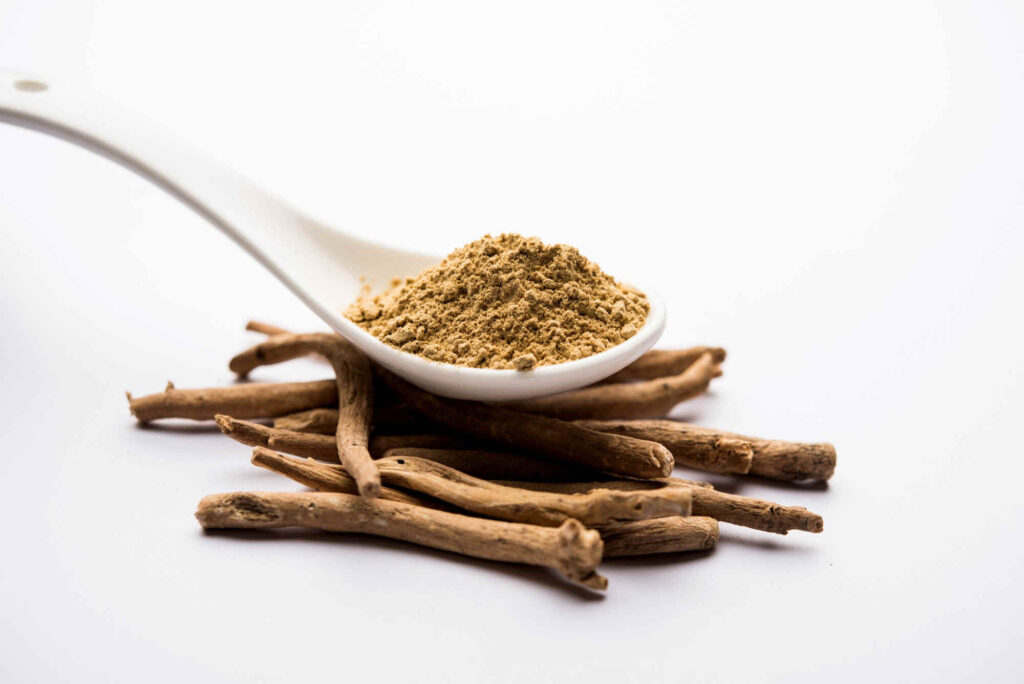
Ashwagandha, scientifically known as Withania somnifera, is a well-known adaptogenic herb with a long history in traditional Indian medicine. Today, it’s commonly sold as a dietary supplement in powder, capsule, and tincture form, which makes it easy to work into a daily routine. Many people compare the options to understand dosing, convenience, and which form fits best.
Below, we’ll look at the main forms of ashwagandha supplements and how they’re usually taken. We’ll also cover common daily-use ranges based on research and practical experience.
The Role of Ashwagandha in Modern Lifestyles
Today’s fast-paced lifestyle can make stress, sleep, and mental fatigue harder to manage. Adaptogenic herbs such as ashwagandha are popular with people looking for a simple daily wellness routine. Research is still limited, so it’s best to compare products carefully and follow label directions.
What Is Ashwagandha and What Is It Used For?
Ashwagandha (Withania somnifera) is a bushy plant native to South Asia and the Middle East. It grows best in warm, dry climates and produces small red berries, which is why it’s sometimes called winter cherry.
In supplements, the root is the part most often used because it contains key compounds such as withanolides.
In traditional Ayurvedic medicine, ashwagandha is classified as a rasayana herb, a category associated with rejuvenation and longevity. Historically, it was used as a general tonic.
In the modern world, ashwagandha has become primarily known in the form of dietary supplements. According to available scientific research, taking ashwagandha may help:
- support a healthy stress response,
- support the body’s natural balance,
- support overall wellness,
- support focus and mental clarity,
- and support recovery after activity.
It’s no surprise that today ashwagandha is one of the most popular dietary supplements worldwide, alongside vitamins, multivitamins, and minerals.
Ashwagandha Dosage by Form
Ashwagandha supplements are available in several forms, each with its own advantages and characteristics. The most commonly used forms are:
- ashwagandha powder
- ashwagandha capsules
- liquid ashwagandha extract, also called an ashwagandha tincture.
The choice mainly depends on individual needs, lifestyle, and convenience, but it’s also important to consider the standardization of active ingredient content.
Standardization means the active compounds in an extract, most commonly withanolides in ashwagandha, are measured and kept consistent from batch to batch. That helps make each serving more predictable.
The vast majority of clinical trials have used standardized ashwagandha root extracts, as this form guarantees appropriate withanolide content and consistent quality.
Some of the most studied extracts, such as KSM-66® Ashwagandha and Sensoril® Ashwagandha, use a defined withanolide content verified through laboratory testing. Without standardization, raw ashwagandha powder or non-standardized products can vary from batch to batch.
KSM-66® Ashwagandha vs. Sensoril® Ashwagandha: What’s the Difference?
The two best-known standardized ashwagandha root extracts on the market are KSM-66® and Sensoril®, and they differ in formulation and source material.
- KSM-66® Ashwagandha is made exclusively from the root of the plant and is a full-spectrum ashwagandha root extract.
- Sensoril® Ashwagandha uses both the root and the plant’s leaves. Because ingredient rules vary by market, availability can differ by country.
Overall, KSM-66® Ashwagandha is a root-only extract for European consumers, and ingredient rules can vary by market.
Ashwagandha Powder Dosage
Ashwagandha powder is the oldest traditional form of the herb, consumed in India for centuries mixed with warm milk or water. Its advantage is flexible dosing and easy addition to smoothies and teas.
According to the literature, the typical daily amount of ashwagandha powder ranges from 2–6 grams. It’s often best to start with 1–2 g and increase gradually if needed. Taking more does not necessarily increase the effect and may cause digestive discomfort such as bloating or diarrhea.
Ashwagandha Capsule Dosage
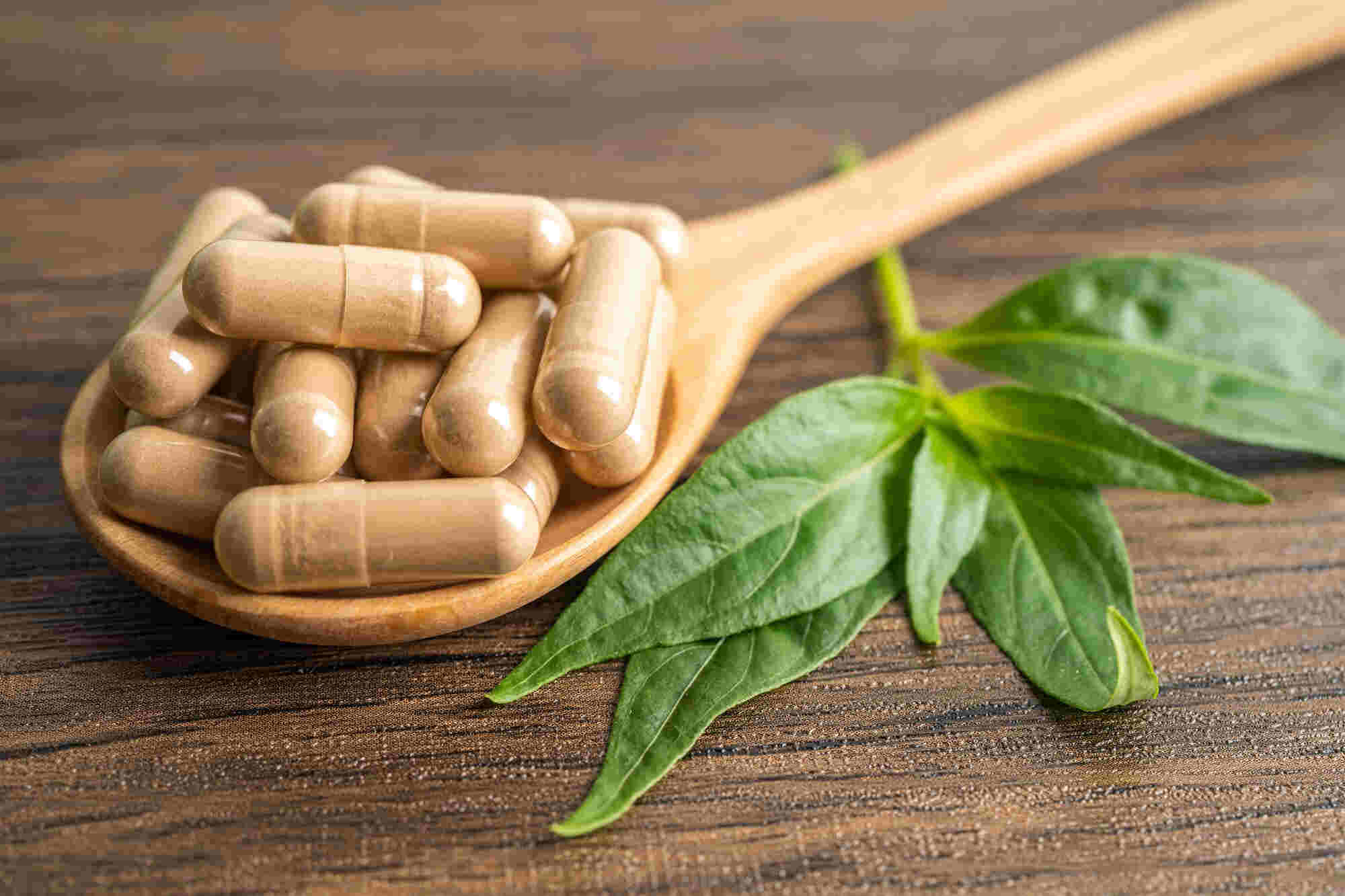
Ashwagandha capsules are one of the most popular options because they offer consistent dosing and fit easily into a daily routine. Capsules typically contain standardized ashwagandha root extract. Common study doses are 300–600 mg per day; check the label for serving size and timing.
Depending on the active ingredient content, usually 1–2 capsules per day are recommended. Take them with a glass of water, ideally 20–30 minutes before meals, unless the label says otherwise.
It’s important to follow the dosing instructions provided by the manufacturer, as the active ingredient content in extracts may vary.
How to Dose Extracts and Tinctures
Liquid ashwagandha extracts and tinctures are easy to measure by the drop and can be mixed into water or tea. Check the label for serving directions.
Dosage depends on the product’s concentration, but 20–40 drops per day, split into a few doses, is a common guideline. Always follow the manufacturer’s directions.
It’s worth noting that tinctures are made with alcohol extraction, so they may taste bitter and are not ideal for those sensitive to alcohol. In such cases, capsules or powder are preferable.
Daily Ashwagandha Dose: When and How Much?
Both the daily amount and timing can matter when you plan your ashwagandha routine.
However, exact daily dosing is always determined by the manufacturer of the specific product, so the packaging instructions should be followed.
Should You Take Ashwagandha in the Morning or Evening?
The best time to take ashwagandha largely depends on your routine and preferences.
- Morning: if your goal is to boost daytime energy, improve concentration, and increase stress resilience, taking it in the morning is recommended.
- Evening: if that fits your routine, take it 1–2 hours before bedtime.
- Split dose: some people divide their daily dose into two, morning and evening.
Because individual responses can vary, it’s useful to observe how your body reacts and adjust the timing accordingly.
Who Should Be Cautious With Ashwagandha?
Although ashwagandha is generally considered safe for many adults, some situations and health conditions call for extra caution. Here’s a quick look.
- During pregnancy and breastfeeding, ashwagandha is not recommended because human safety data are limited.
- Thyroid problems: ashwagandha may affect thyroid hormone levels, so if you have a thyroid condition or take thyroid medication, ask a healthcare professional before using it.
- Autoimmune conditions: because ashwagandha may affect the immune system, ask a healthcare professional before using it.
- Drug interactions: ashwagandha may interact with blood thinners, antidepressants, sedatives, and thyroid medications. Ask a healthcare professional before using it if you take prescription medicine.
If you have a chronic condition, take medication regularly, or have any special health concerns, ask a healthcare professional before using ashwagandha.
USA Medical Ashwagandha
Not all Ashwagandha products are made the same, especially when it comes to quality and sourcing.
Let’s look at what sets our KSM-66® Ashwagandha capsules apart.
✔ Full-spectrum extract made exclusively from ashwagandha root. The KSM-66® Ashwagandha extract we use is made solely from the root of the plant.
✔ One of the higher-concentration ashwagandha extracts. KSM-66® contains more than 5% withanolides and is a root-only extract.
✔ Backed by 22 clinical trials. KSM-66® has been evaluated in 22 human studies, including randomized, double-blind, placebo-controlled trials.
✔ Pure, solvent-free extract made with “green chemistry.” Produced by a unique, patented extraction method that avoids alcohol or synthetic solvents.
If you’re looking for a reliable, high-quality Ashwagandha product, you’re in the right place.
Buy the USA medical KSM-66 Ashwagandha® capsules now!
References and Scientific Sources- K Chandrasekhar, Jyoti Kapoor, Sridhar Anishetty (2012): A prospective, randomized double-blind, placebo-controlled study of safety and efficacy of a high-concentration full-spectrum extract of ashwagandha root in reducing stress and anxiety in adults
- Vijay R. Ambiye, Deepak Langade, Swati Dongre, Pradnya Aptikar, Madhura Kulkarni, Atul Dongre (2013): Clinical Evaluation of the Spermatogenic Activity of the Root Extract of Ashwagandha (Withania somnifera) in Oligospermic Males: A Pilot Study
- Sriram Gopal, Ashutosh Ajgaonkar, Padmaja Kanchi, Aditi Kaundinya, Vaishali Thakare, Sanjaya Chauhan, Deepak Langade (2021): Effect of an ashwagandha (Withania Somnifera) root extract on climacteric symptoms in women during perimenopause: A randomized, double-blind, placebo-controlled study
- Ashok Kumar Sharma, Indraneel Basu, and Siddarth Singh (2018): Efficacy and Safety of Ashwagandha Root Extract in Subclinical Hypothyroid Patients: A Double-Blind, Randomized Placebo-Controlled Trial
- Dnyanraj Choudhary, Sauvik Bhattacharyya, Sekhar Bose (2017): Ashwagandha Root Extract: Research on Memory and Cognitive Function
- Shashank Tiwari, Sandeep Kumar Gupta, Anklesh Kumar Pathak (2021): A double-blind, randomized, placebo-controlled trial on the effect of Ashwagandha (Withania somnifera dunal.) root extract in improving cardiorespiratory endurance and recovery in healthy athletic adults
- NCCIH – Ashwagandha Use and Safety