
What is Cannabidiol, or CBD?
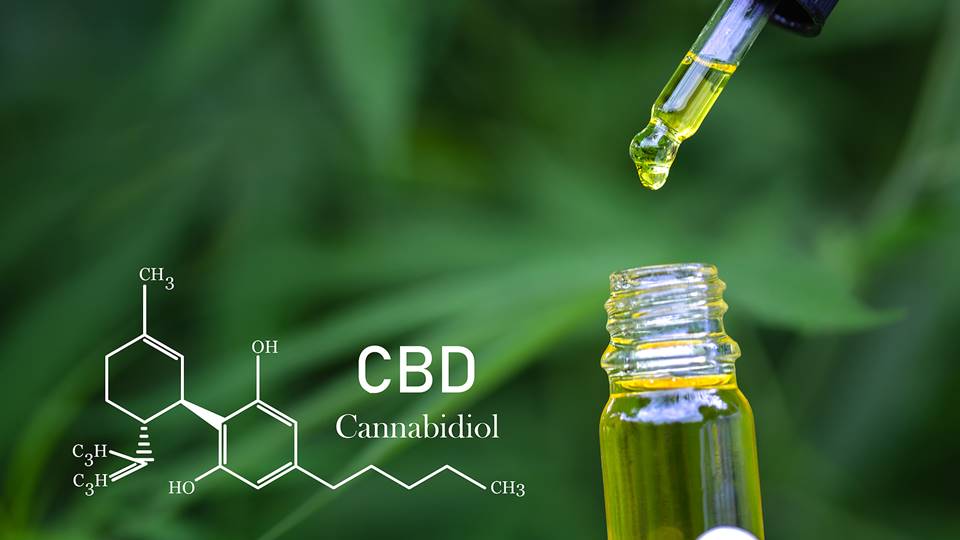
Flavonoids, alkaloids, and other naturally occurring bioactive compounds are used in many products. Cannabidiol (abbreviated as CBD) is the most common non-psychoactive cannabinoid found in cannabis plants, and it is attracting growing research attention.
From a chemical perspective, CBD is a well-defined polyunsaturated organic molecule with two stereocenters. CBD differs from THC by a small change in molecular structure. Hemp typically contains much less THC than marijuana.
The primary psychoactive phytocannabinoid, tetrahydrocannabinol (THC), had its structure determined by Mechoulam and Gaoni in Israel in 1964. This discovery opened the door to numerous subsequent advancements in the research field of the endocannabinoid system The ECS has also shaped broader discussions about cannabis policy. The endocannabinoid system exists in both humans and animals. The ECS includes cannabinoid receptors, endocannabinoids, and enzymes that help make and break down endocannabinoids.
The essential component of CBD oil is CBD itself, a plant extract derived from hemp or marijuana. Broad-spectrum tinctures contain CBD along with other naturally occurring compounds, including β-caryophyllene, sterols, flavonoids, and other terpenes. These compounds may interact with one another.