
How Is CBD Oil Made? Key Features of Premium-Quality CBD Oil
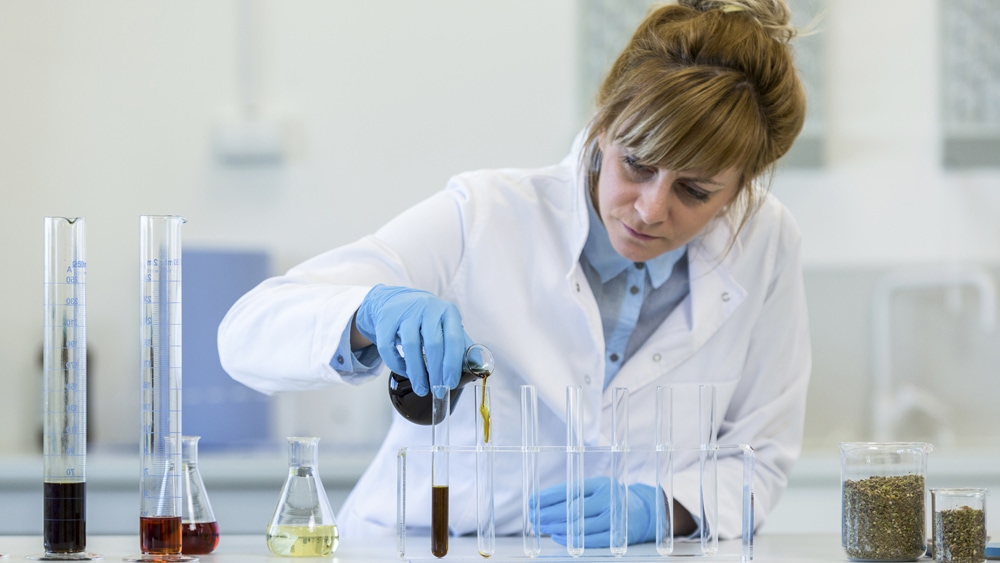
When choosing CBD oil, quality matters. Premium products are the result of careful work, expert know-how, and modern extraction methods. But what does premium quality actually mean, and how can you spot a well-made product?
This article breaks down the main steps in CBD oil production, from cultivation and extraction to quality control.
You’ll get practical insights to help you compare CBD oils and choose premium products from USA Medical.
Hemp Cultivation and Harvesting
To produce high-quality CBD oil, every step matters, starting with hemp cultivation. Let’s look at the growing conditions that can affect the plant.
Creating Optimal Growing Conditions
Manufacturers may use industrial hemp with varying CBD levels or grow CBD-rich hemp outdoors.
Growing conditions have a big impact on plant quality. Hemp does best in warm climates with moderate rainfall and at least 6 hours of direct sunlight each day. Farmers may use organic methods and natural soil nutrients to support healthy crops.
Selecting High-CBD Cannabis Varieties
Some industrial hemp varieties are bred to stay under 0.2% THC while producing CBD levels as high as 20–30%. Those results often come from selectively bred hemp families with distinct genetics. For product quality, long-term crossbreeding is often preferred over genetic modification, and growers usually start with strains that already perform well in local growing conditions.
Determining the Right Harvest Time
Harvest timing can affect hemp yield and cannabinoid content. Harvesting too early can lower yield, while harvesting too late can reduce CBD levels.
Harvesting and Drying Techniques for Maximum CBD Yield
Choosing the right harvest and processing method is important for CBD oil quality. Harvested plant material should be processed quickly, and drying should begin at the right temperature and humidity to help prevent mold and preserve compounds.
Extracting CBD from Hemp: CO2 Extraction and Why It’s Used
Supercritical CO2 extraction is a widely used CBD extraction method. In this process, carbon dioxide is pressurized until it reaches a supercritical state, meaning it behaves like both a gas and a liquid. That allows CO2 to penetrate plant material and extract cannabinoids, terpenes, and other plant compounds.
One major advantage of this method is the ability to produce a clean extract. Precise control of temperature and pressure also allows for targeted extraction of specific compounds. Many premium CBD brands use this technology.
The CBD Oil Production Process
Purification of Raw Hemp Oil
The first step in processing CBD oil is purifying the CBD-rich raw hemp oil extract. This process removes unwanted plant material, waxes, and chlorophyll, which helps improve the purity and stability of the final product.
Distillation and Refinement Techniques
Different distillation methods are used to refine hemp oil extract. The process removes unwanted plant material and concentrates selected compounds. Molecular distillation, performed under precise temperature control, separates different cannabinoids from the hemp extract. This step can also help reduce THC.
Broad-Spectrum CBD Oil vs. CBD Isolate: What’s the Difference?
Broad-spectrum CBD oil contains multiple hemp compounds, while CBD isolate contains over 99% pure CBD with no other plant compounds. Broad-spectrum products are often made using gentle extraction and purification methods. CBD isolate is produced by separating CBD from other compounds and then crystallizing it.
Quality Assurance Checks During Processing
Quality control matters at every stage of processing. Many manufacturers use laboratory testing to review cannabinoid profile, terpene content, heavy metals, pesticides, and microbiological contaminants. Modern production lines can also use analytical tools for real-time monitoring. Producing CBD oil often involves following GMP (Good Manufacturing Practice) standards and tracking each batch through the supply chain.

Explore CBD Oil Products
Manufacturing CBD Oil: From CBD Extract to Finished Product
Selecting Carrier Oils for CBD Oil
The carrier oil you choose can affect the final product. Common options include hemp seed oil and grapeseed oil.
Adjusting CBD Potency Levels
CBD oils commonly come in strengths from 500 mg to 1,000 mg, and up to 3,000 mg per 30 mL bottle. Setting the intended CBD content requires precise weighing and controlled production conditions. The formulation process has to account for the extract’s exact CBD content.
It’s common to offer CBD products in different strengths, so shoppers can choose the best CBD oil option for their preferences.
USA Medical CBD Oil is available in 500 mg, 1000 mg, and 3000 mg options, so customers can choose the strength that works best for them.
Additives and Flavors: Only from Natural Sources
Natural CBD oil products often have a characteristic bitter taste. To improve flavor, producers may add natural terpenes or flavor ingredients such as orange oil, peppermint, and lemon balm.
Premium CBD oils should use food-grade ingredients and avoid artificial colors and preservatives. USA Medical follows the same standard.
Proper Packaging to Preserve Quality
Shelf life depends on formulation, packaging, and storage. Dark glass bottles help limit light exposure, and production should focus on preventing microbiological contamination. When properly made and stored, CBD oil may keep its quality for 12-24 months. Store it tightly sealed in a cool, dark place.
Quality Control and Laboratory Testing
Third-party laboratory testing helps support quality checks for every production batch.
THC Content Testing for Legal Compliance
THC levels need to be monitored closely during CBD oil manufacturing. Samples are regularly taken and analyzed throughout production. If a batch does not meet target specifications, it should be withheld or reprocessed.
Active Ingredient Profile Analysis and Standardization
High-quality CBD oil is about more than CBD content. The full cannabinoid and terpene profile can affect the product’s characteristics. Chromatographic testing helps identify and measure active compounds. Standardization helps responsible manufacturers keep each batch consistent.
The Importance of Microbiological Testing
CBD oils are intended for oral use. Molds, yeasts, and bacteria can affect product quality and create safety concerns, so samples are checked at key points during production.
Testing for Heavy Metals and Pesticide Residues
Hemp can absorb heavy metals and other contaminants from soil, so many producers check for lead, cadmium, mercury, and arsenic. Pesticide screening is also important because contaminants in raw materials can carry through extraction.
Availability of Third-Party Certifications
Reliable CBD producers often work with independent laboratories to run quality tests. Sharing those results helps customers understand the product’s composition and purity. Many manufacturers also publish certificates to add transparency.
USA Medical CBD Oils , Premium Quality Comes Standard
Here are the key features of our CBD oil products:
✔ Made from organic hemp, free of heavy metals and pesticides.
✔ Broad-spectrum formula with terpenes and phytocannabinoids, and no THC.
✔ Made from American hemp grown in favorable conditions.
✔ THC-free formula for customers who prefer CBD products without THC.
✔ Backed by responsive customer service.
✔ Backed by laboratory test results to support quality and consistency.
✔ Based on customer reviews and experiences.
See the brand’s product page for the latest details.
Explore our high-purity, THC-free CBD products.
Final Summary
Producing premium CBD oil is a multi-step process, from careful hemp cultivation through processing, formulation, and quality control. Each step helps support consistent product quality.
Choose products from reputable brands that share clear ingredient and product information.
Be sure to read this before buying CBD
- Still curious about CBD oil? Learn how it works.
-
Learn how CBD oil works.
- Not sure which CBD oil is right for you? We’ll help you compare the options and find one that fits your preferences.
-
And when you’re ready to shop, explore our full CBD oil range, carefully selected and lab-tested.