
The Weekly Reset: Why Your Mind and Body Need a Fresh Start Every Week
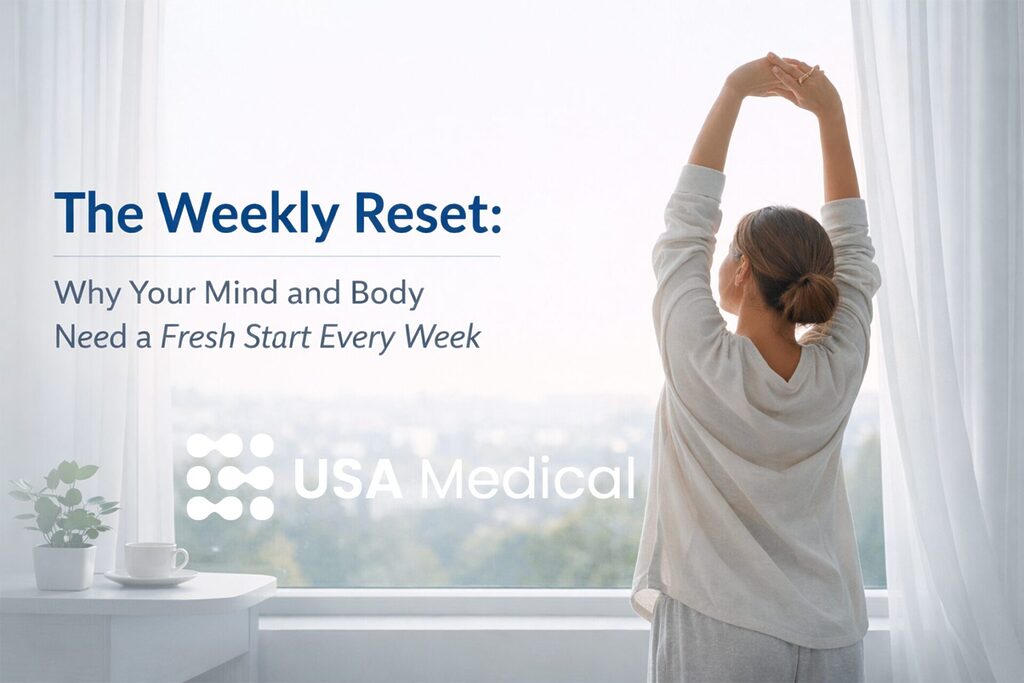
In a fast moving world where stress builds quietly and responsibilities rarely pause, taking time to reset each week is not a luxury. It is essential. A weekly reset allows you to step out of autopilot, recalibrate your mental health, and reconnect with your physical well being. Without it, stress accumulates, focus declines, and burnout becomes more likely.
This long form guide explores how a weekly reset routine supports both mind and body, why mental health plays such a critical role in overall wellness, and how you can build a simple system to start each week with clarity and energy.
Why a Weekly Reset Matters for Mental and Physical Health
Your brain and body are constantly processing information, stress, and stimuli. Without intentional pauses, that load compounds over time.
Mental health influences everything from decision making to immune function. When your mind is overwhelmed, your body often follows. You may notice fatigue, tension, poor sleep, or difficulty concentrating.
A weekly reset routine creates space to interrupt that cycle. It gives your nervous system a chance to slow down and helps your brain organize thoughts more effectively.
The Mind Body Connection
Mental and physical health are deeply interconnected. Chronic stress can elevate cortisol levels, which over time may contribute to issues like anxiety, sleep disruption, and even cardiovascular strain. On the other hand, mindful practices like breathing, light movement, and reflection can lower stress responses and improve emotional balance.
When you reset weekly, you are not just organizing your schedule. You are regulating your nervous system.
What Happens When Mental Health Is Left Unchecked
Ignoring mental health does not make stress disappear. It often shows up in subtle ways before becoming more serious.
Some common signs include
- Persistent fatigue despite rest
- Irritability or mood swings
- Trouble focusing or making decisions
- Physical tension such as headaches or tight shoulders
- Loss of motivation
Left unaddressed, these patterns can lead to burnout or more significant mental health conditions such as anxiety disorder or depression.
Takeaway: Small, consistent resets can prevent larger problems.
How a Weekly Reset Improves Focus, Energy, and Emotional Balance
A reset routine is not about perfection. It is about creating a predictable moment each week to pause and realign.
Improved Focus and Clarity
When your mind is cluttered, even simple tasks feel overwhelming. A reset helps you identify priorities and eliminate unnecessary mental noise.
Better Emotional Regulation
Taking time to reflect allows you to process emotions instead of suppressing them. This can lead to more stable moods and healthier responses to stress.
Increased Physical Awareness
Gentle movement and breathing exercises reconnect you with your body. This awareness can reduce tension and improve overall energy levels.
Stronger Intentional Living
Instead of reacting to your week, you begin to shape it. That shift alone can significantly reduce stress.
A Simple Weekly Reset Routine You Can Start Today
You do not need a complicated system. A short, intentional routine can be just as effective.
Here is a shortened version of a practical reset you can use anywhere
Step 1 Breathe and Arrive
Close your eyes. Inhale slowly through your nose. Hold briefly. Exhale gently. Let your body soften and your mind settle.
Step 2 Move Gently
Roll your shoulders. Stretch upward. Reach toward your toes. Twist lightly side to side. Move without rushing and notice how your body feels.
Step 3 Clear Mental Clutter
Ask yourself what has been weighing on you. Identify what you can release for now. You do not need to solve everything. Just acknowledge and let go.
Step 4 Set Three Priorities
Choose three simple priorities for the week. One work related. One personal. One small achievable action. Keep it realistic and focused.
This entire process can take just 10 to 15 minutes but can significantly shift how your week unfolds.
Building Consistency Without Pressure
The effectiveness of a weekly reset comes from consistency, not intensity.
Start small. Choose a day and time that feels natural, such as Sunday evening or Monday morning. Keep your routine flexible so it fits your lifestyle.
If you miss a week, simply begin again. The goal is not perfection. It is awareness and intentional action.
The Long Term Impact of Managing Mental Health Weekly
When practiced regularly, a weekly reset becomes more than a habit. It becomes a foundation for long term well being.
Over time, you may notice
- Reduced stress levels
- Improved productivity
- Better emotional resilience
- Stronger connection to your goals
- Enhanced physical relaxation
Managing mental health proactively helps you stay ahead of stress rather than constantly reacting to it.
Takeaways
A weekly reset supports both mental clarity and physical relaxation
Mental health affects every aspect of your daily functioning
Small consistent habits can prevent burnout and overwhelm
You only need 10 to 15 minutes to create meaningful change
Consistency matters more than perfection
FAQ
How often should I do a weekly reset
Once per week is ideal. Consistency helps your brain and body establish a rhythm.
Can a short routine really make a difference
Yes. Even brief intentional practices can reduce stress and improve focus when done regularly.
What if I do not feel immediate results
Benefits often build over time. Stick with the routine and observe gradual changes.
Is this helpful for anxiety or stress
A weekly reset can support stress management and emotional regulation, especially when combined with other healthy habits.