

Legal THC Content: What U.S. Shoppers Should Know
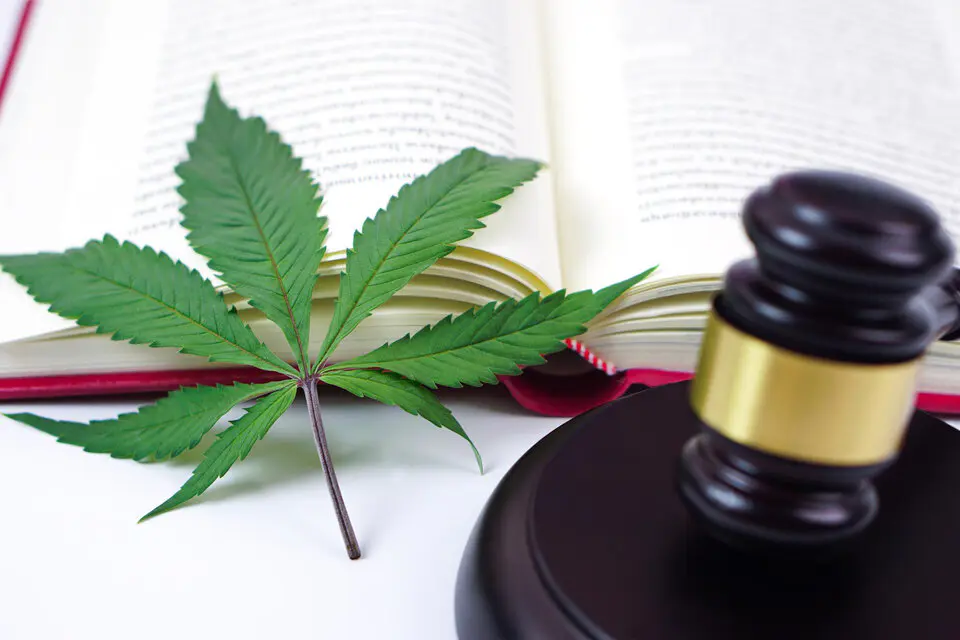
The active compounds in cannabis, especially THC, are getting more attention because of both their effects and their legal status. THC content can determine whether a product, such as CBD oil or a cosmetic item, is considered legal in a given market. For U.S. shoppers, the practical takeaway is to check current product labels, third-party testing, and local rules before buying.
In this article, we look at why THC levels matter, how product categories can differ, and what to keep in mind when comparing cannabis-derived products.
What is THC, and why is it regulated?
THC (full name: delta-9-tetrahydrocannabinol) is one of the best-known compounds in cannabis because it can produce psychoactive effects and is closely regulated. It affects consciousness, behavior, and cognition, which is why THC in cannabis products is subject to strict rules.
THC-containing products are regulated differently by product type and location. These rules are meant to keep out products that could create psychoactive effects and pose legal or health risks to consumers.
What are the effects of THC, and why can too much be a problem?
THC acts primarily on the brain’s CB1 receptors and can cause effects such as euphoria, relaxation, heightened perception, anxiety, paranoia, or coordination problems, especially at higher doses. These effects vary by person and may pose greater risk for adolescents, pregnant women, people with mental health conditions, or those with chronic illnesses.
Too much THC can cause temporary discomfort and may affect brain function and memory over time. Regular use can also lead to psychological dependence. That is why THC content in CBD and other cannabis-derived products needs to be carefully controlled from both a legal and health perspective.
Legal THC content: U.S. shopping context
THC rules can vary by product type, state, and sales channel. Before buying any hemp- or cannabis-derived product, review the current product label, certificate of analysis, and local requirements. For sensitive use cases, including work testing or competitive sports, choose products with documented THC-free or non-detect THC results.
Measuring and controlling THC content
Lab testing of THC content is not always legally required, but it is a key part of compliance and customer confidence. Because some product categories, such as CBD oils or extracts, do not have a clear ppm limit, testing is the most objective way for responsible manufacturers to confirm THC levels.
General steps in the THC testing process:
- Sampling: A representative sample is taken from the product, either the finished product or the raw material.
- Preparation: The sample undergoes solvent extraction to separate the active ingredients from other components.
- Measurement: An HPLC device (high-performance liquid chromatography) separates cannabinoids and determines their precise concentrations.
- Evaluation: Results are compared with the relevant national and EU threshold values.
The results from lab testing are compiled in an analytical report. It includes the measurement results, the testing method, and any observations.
Summary
THC content in cannabis-derived products, especially CBD oils, matters from both a legal and practical standpoint. Rules can vary by product type and location, so shoppers should look for clear labels, current third-party testing, and transparent THC documentation.
THC can create legal risk and, without proper control, psychoactive effects that may be a concern for sensitive groups. That is why manufacturers need to handle product composition carefully and confirm it through reliable lab testing.
As a consumer, it is smart to choose products whose THC content is documented as undetectable and whose manufacturers share lab results transparently.