
Ginkgo Biloba: Common Uses and Questions
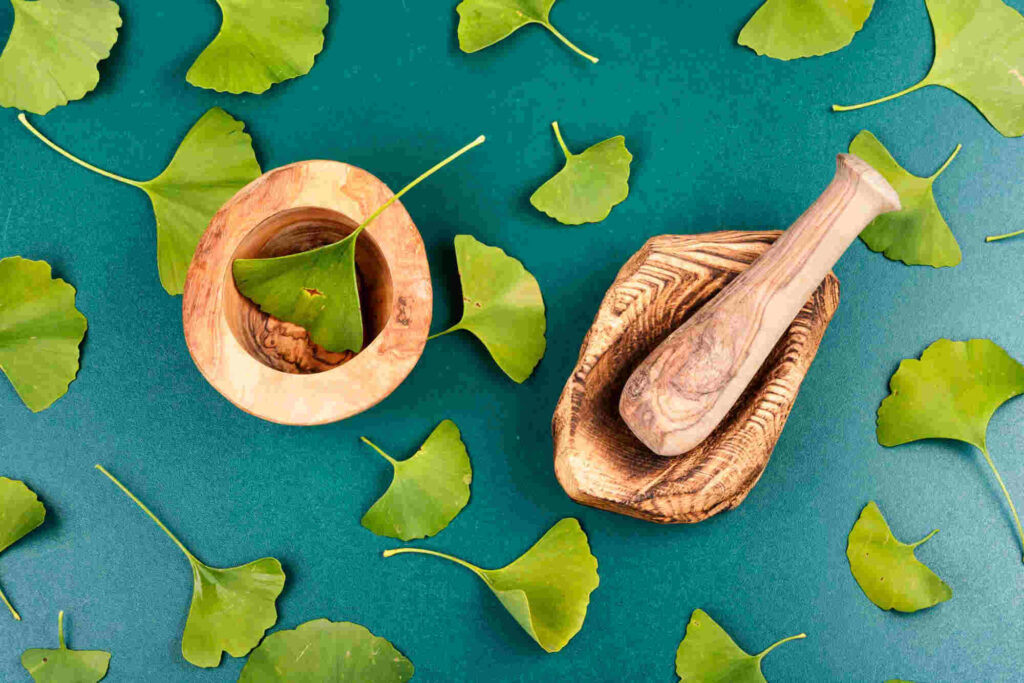
Ginkgo biloba, also known as the maidenhair tree, is one of the oldest living tree species. Native to China, it has a long history in traditional medicine and was also valued as a sacred tree in temple gardens, where it symbolized longevity and wisdom.
Researchers have studied ginkgo biloba’s active compounds, especially flavonoids and terpene lactones, for decades. Standardized ginkgo leaf extract is commonly used in dietary supplements.
In this article, we cover the most common uses of ginkgo biloba, the research behind it, how long its use is recommended, how it’s typically prepared as tea, possible side effects, who should avoid using it, and the forms it comes in.
What Is Ginkgo Biloba Used For?
Cognitive Health With Age
Ginkgo biloba extract is often studied for memory and mental performance. A 2023 systematic review examined standardized ginkgo biloba extract in people with mild to moderate Alzheimer’s disease, including use alongside prescription treatment such as donepezil.
Focus and Common Concerns
A 2022 narrative review found that ginkgo biloba may help support concentration and mental performance, especially in older adults. The review also noted that research on other possible uses is still limited.
Potential Support for Brain and Circulation
A 2021 review discussed the possible role of ginkgo biloba’s active compounds, especially flavonoids and terpene lactones, in supporting microcirculation in the brain and peripheral tissues.
Antioxidants and Plant Compounds
Several laboratory and human studies have looked at ginkgo biloba’s antioxidant activity. A 2022 publication suggested its antioxidant properties may help limit oxidative stress-related cell damage.
Ginkgo Biloba and Blood Pressure
Many people believe ginkgo biloba lowers blood pressure, but current research only partially supports that idea. A 2021 summary study found no significant effect on blood pressure in healthy adults. While ginkgo’s active compounds, such as flavonoids, may support healthy blood vessel function, that does not appear to produce a meaningful drop in blood pressure.
A 2007 study in people with coronary artery disease found that ginkgo biloba extract may improve coronary artery blood flow. Researchers linked the effect in part to changes in blood vessel signaling, including nitric oxide and endothelin-1.
Although the results were encouraging, blood pressure values did not change significantly in this study. Ginkgo biloba should not be considered a standard blood pressure-lowering drug.
People taking blood pressure medication should talk with a doctor before using ginkgo extract. Even though no severe interactions have been reported, caution is still advised because of its effects on blood vessels.
How to Make Ginkgo Biloba Tea
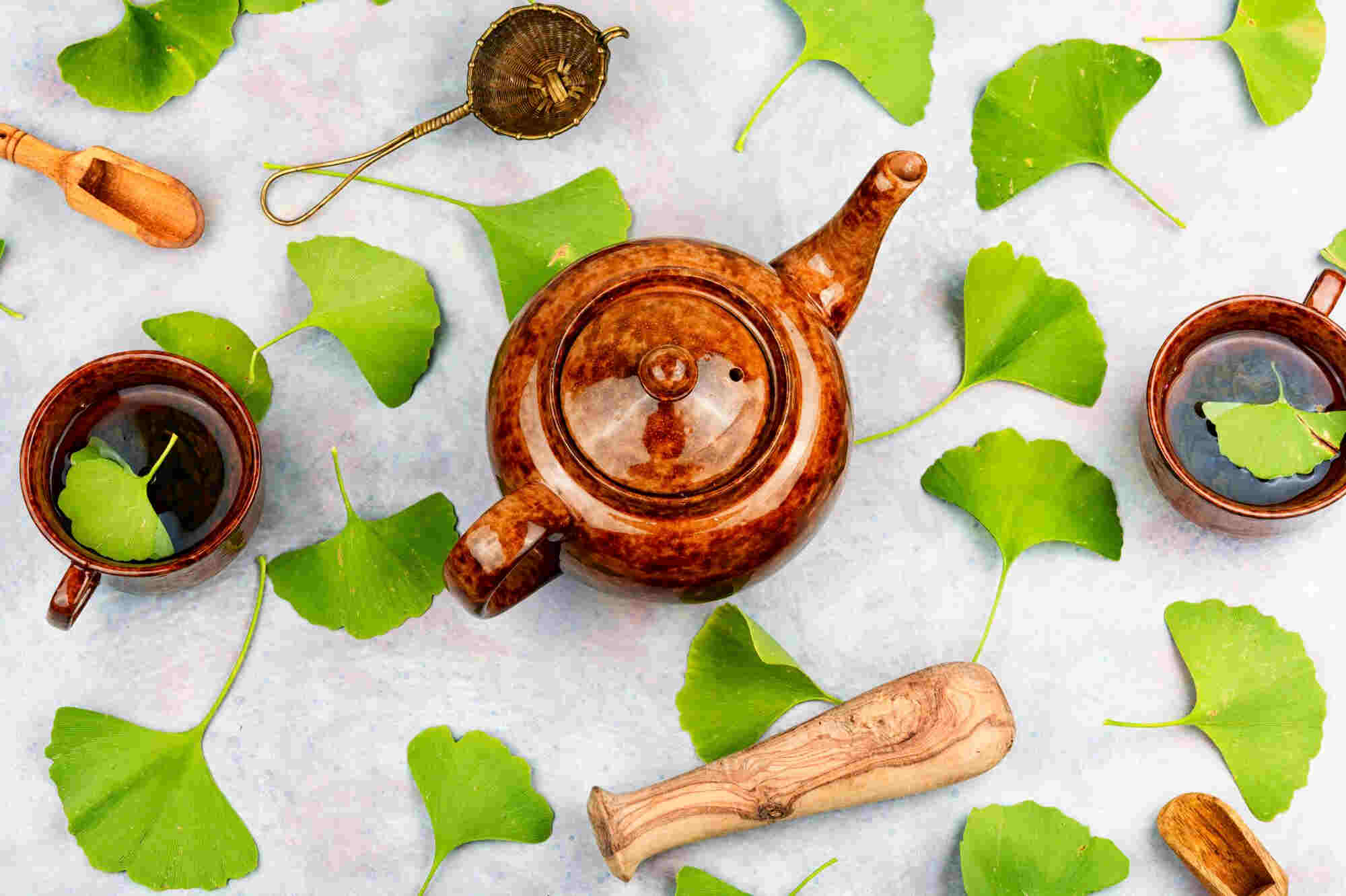
Ginkgo biloba tea is a popular way to enjoy the plant. Although capsules and drops are more common, the tea is simple to make and has a pleasant, slightly tart flavor.
How to Make Ginkgo Biloba Tea, Step by Step:
Ingredients:
- 1 teaspoon of dried ginkgo biloba leaves (from an herbal store or a reliable source)
- 250–300 mL of hot water
- Honey, lemon, or other flavorings as desired
Preparation:
- Bring the water to a boil, then let it cool to about 194–203 °F (90–95 °C).
- Place the dried leaves in a tea bag or directly into a cup.
- Pour the hot water over the leaves and cover the cup.
- Steep for 5–10 minutes, then strain.
Homemade ginkgo biloba tea uses less-processed ingredients, but tea strength can vary a lot compared with standardized extracts. If you want a more specific ginkgo product, a standardized dietary supplement may be a better choice because it delivers a consistent amount of active ingredients.
How often can you drink ginkgo tea?
Ginkgo tea is a gentler way to use the plant and is generally well tolerated. For many adults, 1–2 cups per day is a common amount. It’s usually used as part of general wellness rather than for a specific purpose.
It’s often best to drink the tea after meals to help reduce stomach upset. If it feels stimulating, many people prefer it earlier in the day.
Some people use ginkgo tea in cycles, such as 4–6 weeks on and then a few weeks off. If you plan to use it long term, check with a healthcare professional, especially if you take medications or have a chronic condition.
How long should you use ginkgo biloba?
Most people take ginkgo biloba in capsule or liquid drop form as a dietary supplement. In studies, use periods commonly lasted 6–12 weeks.
Many people use ginkgo biloba for about 1.5 to 3 months at a time, followed by a 2–4 week break.
Long-term use of ginkgo biloba is only recommended under medical supervision, especially for older adults or anyone taking multiple medications. The active ingredients can affect the action of certain drugs, including blood thinners, so consulting a healthcare professional is essential for safe use.
Safety, Side Effects, and Precautions
Ginkgo biloba is generally well tolerated, but some people may notice side effects. It helps to know the most common ones before you start.
The most common side effects of ginkgo biloba are usually mild and short-lived. They may include:
- Stomach discomfort and bloating
- Headache and dizziness
- Restlessness and sleep disturbances
- Rarely, skin rash or allergic reactions.
Side effects can vary from person to person and are often mild. If they are unusual or last longer than expected, stop taking the supplement and contact a doctor.
A more serious concern is ginkgo biloba’s effect on blood clotting. Its active compounds, especially ginkgolides, may affect platelet function and increase bleeding risk.
Use extra caution if you take blood thinners. It’s also best to stop ginkgo at least 5–7 days before surgery. Talk with a healthcare professional if you have epilepsy, diabetes, or a mental health condition, or if you take prescription medications.
Who should avoid ginkgo biloba?
Ginkgo biloba is not safe for everyone, even though it is a natural dietary supplement.
Those who should avoid using ginkgo biloba:
- People with bleeding disorders or anyone taking blood-thinning medications should use caution, as ginkgo may increase bleeding risk.
- People scheduled for surgery should stop taking it at least one week before the procedure.
- Pregnant and breastfeeding women, since there is no reliable human data confirming the safety of ginkgo biloba in these conditions.
- Children under 12 years old, since there is not enough clinical data on safe use for this age group.
Use extra caution if you take multiple medications, especially blood pressure medicine, blood sugar medication, or antidepressants.
If you’re not sure whether ginkgo biloba is right for you, especially if you take medication or have a health condition, talk with a doctor before use.
Ginkgo biloba reviews and experiences
When you’re comparing ginkgo biloba products, customer reviews can be helpful. They may give you a better sense of packaging, flavor, and overall experience. Just remember that individual experiences vary, and reviews don’t replace scientific evidence or guidance from a healthcare professional.
Where to Buy Ginkgo Biloba and What Forms Are Available?
Ginkgo biloba is available in several forms, including capsules, tablets, drops, tea, and some multivitamins that combine it with other active ingredients. Among dietary supplements, standardized ginkgo biloba extract products are especially popular because they offer consistent active ingredient levels.
Individual products may differ in ginkgo biloba extract concentration, dosage recommendations, and other ingredients, so it’s worth reading the product details and comparing options before you buy. Dietary supplements are widely available in pharmacies, health food stores, and reputable online retailers nationwide.
USA Medical Ginkgo Biloba Capsule , Shop Online
The USA Medical Ginkgo biloba capsule contains ginkgo leaf extract and red ginseng. It also includes flavonoids, a naturally occurring component of ginkgo leaves.
Our product is a convenient option for customers looking for a ginkgo biloba supplement with natural active ingredients. Learn more about the product and order from our official store.
References and Scientific Sources- Efficacy and safety of standardized Ginkgo biloba extract: a 2017 randomized, double-blind, placebo-controlled clinical trial: https://pubmed.ncbi.nlm.nih.gov/28243101/
- Ginkgo biloba in the Aging Process: A Narrative Review (2022): https://www.mdpi.com/2076-3921/11/3/525
- Effects and safety of ginkgo biloba preparations: a 2023 systematic review and meta-analysis: https://www.frontiersin.org/journals/aging-neuroscience/articles/10.3389/fnagi.2023.1124710/full
- 2024 systematic review and meta-analysis: https://www.frontiersin.org/journals/pharmacology/articles/10.3389/fphar.2024.1364030/full
- Neuroprotective and antioxidant effects of Ginkgo biloba extract (2019): https://www.sciencedirect.com/science/article/pii/S1878747923018123 Effects of Ginkgo biloba on dementia: An overview of systematic reviews (2017): https://www.sciencedirect.com/science/article/pii/S0378874116322590
- Ginkgo biloba extract and coronary artery circulation (2008): https://onlinelibrary.wiley.com/doi/10.1002/ptr.2335
- Cardiovascular Activity of Ginkgo biloba in Healthy Subjects (2022): https://www.mdpi.com/2079-7737/12/1/15