
Ashwagandha: Uses and Safety
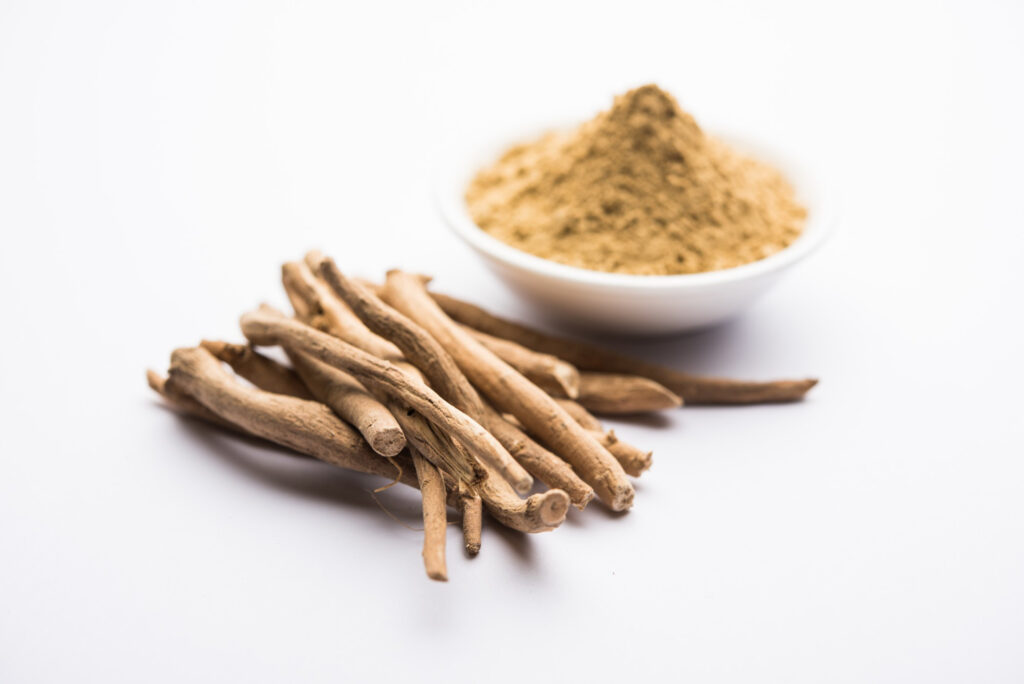
Ashwagandha (Withania somnifera), also known as Indian ginseng, has become one of the most popular herbal supplements in recent years. While it has only recently become mainstream in the West, it has been part of Ayurvedic tradition for thousands of years.
In this article, we’ll take a close look at this herb and what the research says. What is ashwagandha actually used for?
Background and origin of ashwagandha (Withania somnifera)
Ashwagandha is native to India, parts of Africa, and the Middle East. It grows as a shrub in dry climates and produces small red berries, which is why it is sometimes called winter cherry. The root is the part most commonly used in supplements and contains withanolides, its key active compounds.
The name ashwagandha has an interesting meaning. It comes from Sanskrit: “ashwa” means horse, and “gandha” means smell, referring to the plant’s earthy scent. In traditional Indian use, it was believed to promote vitality and endurance, much like the strength of a horse.
According to some sources, ashwagandha has been an important part of Ayurvedic practice for more than three millennia. In Ayurveda, it is sometimes described as a rasayana herb. Traditionally, it has been used as a general wellness herb and for supporting the body’s response to everyday stress.
How ashwagandha may affect the body
Scientific interest in this herb has grown over the past two decades, especially in Western countries. Some studies suggest that ashwagandha’s effects may be related to its adaptogenic properties, which means it may help the body respond to everyday stress. Its popularity also comes from ongoing research exploring possible effects on stress, the nervous system, thyroid function, and cortisol levels.
Ways to use ashwagandha root
Ashwagandha root is the part most often used in dietary supplements because it contains a complex mix of active compounds, including withanolides. In traditional Ayurvedic use, the root was considered the most valuable part of the plant. Today, ashwagandha root is available in several forms, each with its own processing and absorption profile.
Ashwagandha capsules: a convenient, easy-to-dose format
Ashwagandha capsules are one of the most popular supplement forms. They typically contain powdered or standardized extracts, such as KSM-66 Ashwagandha®, which is standardized to contain 5% withanolides. Capsules are convenient, offer consistent dosing, and avoid the taste of the powder.
Ashwagandha powder: traditional use and flexible application
Ashwagandha powder has roots in traditional Ayurvedic use and is often mixed with milk, warm water, or ghee (clarified butter). Its main benefit is flexibility, you can blend it into drinks or smoothies. The taste is earthy and slightly bitter, which may not appeal to everyone. Powder is not always standardized, so ingredient levels can vary by brand. If you choose powder, look for a reputable product with clear labeling.
Ashwagandha tincture: a convenient liquid option
Liquid ashwagandha extract (a tincture) is another option, typically made through alcohol-based extraction. It offers flexible drop dosing and is easy to mix into a routine. The main drawback is the alcohol content, which may not appeal to everyone.
Ashwagandha tea: mild, more supplementary effect
Although less common, ashwagandha root tea is part of traditional Ayurvedic use. As an infusion, it is a milder option and may be enjoyed on its own or blended with other herbs such as lavender or lemon balm. Because hot water does not extract as much of the plant’s active compounds, it is generally less concentrated than other forms.
No matter which form you choose, quality matters. For powders and tinctures, choose a reputable manufacturer and check the product label for standardized withanolide content when that information is provided.
Customer feedback and opinions

Interest in ashwagandha has grown in recent years among both researchers and everyday users. Customer feedback can help show how people feel about the product in real life, but individual experiences do not replace clinical evidence.
Common themes in user reviews include:
- Evening use: Many people choose to take ashwagandha before bed as part of their nighttime routine.
- Stress support: The adaptogenic effect is one of the most commonly discussed reasons people try ashwagandha. Users often mention that it is part of their general wellness routine.
- Mental clarity and focus: Several customers said they like taking it in the morning or during the day as part of their routine.
- Exercise support: Active individuals often look for supplements to support their training routines. Some people choose ashwagandha as part of a broader wellness plan.
- Support for hormonal balance: Customer feedback sometimes mentions general satisfaction with the product, while some studies look at hormone-related measures. Any health-related effects can vary from person to person.
Scientific studies on Ashwagandha

Research on ashwagandha has grown significantly over the past two decades. Many studies look at how it may relate to stress, hormone balance, nervous system function, and physical performance. Let’s take a closer look at some of the research.
May reduce stress
One of the better-known randomized, double-blind, placebo-controlled studies from 2012 followed 64 adults with chronic stress who received 600 mg daily of KSM-66 Ashwagandha® extract for eight weeks. At the end of the study, researchers observed lower cortisol levels and changes in self-reported anxiety and tension in the ashwagandha group.
Male wellness considerations
A 2013 randomized, placebo-controlled, double-blind trial included 46 men, with 21 participants receiving 675 mg of ashwagandha root extract (KSM-66) in three doses daily for 90 days. Researchers observed differences in semen-related and hormone-related measures compared with the placebo group.
This study adds to the research on ashwagandha and male reproductive health.
Supporting women’s wellness during midlife
A 2021 study looked at 600 mg of ashwagandha root extract taken daily by perimenopausal women. Researchers observed changes in self-reported menopause-related measures, including hot flash frequency and overall symptom ratings.
In the study, researchers observed changes in estradiol, FSH, and LH levels during menopause. These findings suggest that ashwagandha may have a role in supporting overall wellness during this life stage, but more research is needed.
Thyroid function considerations
A smaller 2018 study looked at 600 mg of ashwagandha extract taken daily for eight weeks in people with subclinical hypothyroidism. Researchers observed changes in TSH, T3, and T4 lab values compared with the control group.
Cognitive wellness and memory
A 2017 randomized, placebo-controlled, double-blind study looked at ashwagandha root extract in 50 adults. Participants took either 300 mg of ashwagandha extract or a placebo twice daily for eight weeks.
Results showed differences between the ashwagandha group and the comparison group in memory, attention, and information-processing measures. The findings were assessed using neuropsychological tests such as the Wechsler Memory Scale and the Flanker test.
The study suggests that regular ashwagandha use may be well tolerated and may support certain aspects of brain function. More research is needed, especially in older adults.
Physical performance research
Ashwagandha is increasingly popular among athletes and active adults. In a 2021 study, adults taking 600 mg of ashwagandha root extract daily were compared with a placebo group. The researchers observed differences in oxygen use and recovery, and participants reported that the supplement was generally well tolerated. These findings suggest that ashwagandha may have a role in supporting exercise-related wellness, but more research is still needed.
Based on these and other studies, ashwagandha appears to be a promising natural option that is being studied for its potential role in stress, cognition, performance, and general wellness.
Possible side effects and contraindications
Ashwagandha is widely used as a dietary supplement, but it may not be right for everyone. Like many herbs, it can cause side effects or interact with certain medications, especially at higher doses or if you have a health condition.
Common side effects
Most clinical trials have found ashwagandha to be generally well tolerated, but some mild to moderate side effects have been reported:
Digestive side effects: nausea, bloating, diarrhea, or mild stomach cramps. These were reported more often at higher doses or when taken on an empty stomach.
Drowsiness or fatigue: Some users report daytime sleepiness, especially when combined with other sedating substances.
Headache: Rare, but some people may notice this during the first few weeks of use.
Contraindications – when ashwagandha is not recommended
Ashwagandha is not recommended in the following cases:
Autoimmune diseases
Ashwagandha may have immunomodulatory effects, which could theoretically amplify immune responses in certain autoimmune diseases (e.g., Hashimoto’s thyroiditis, rheumatoid arthritis, lupus). There is insufficient clinical data to confirm safety in these cases, so medical consultation is strongly advised.
Pregnancy and breastfeeding considerations
Ashwagandha is generally not recommended during pregnancy or breastfeeding because safety data is limited. Ask a healthcare professional if you have any questions before using it.
Hormone-related concerns
Because ashwagandha may affect hormone-related pathways, people with hormone-sensitive conditions should use caution. Research is still limited, so it’s best to ask a healthcare professional before use.
Using ashwagandha with prescription medications
Ashwagandha may interact with:
- anticoagulants,
- antidepressants,
- thyroid medications.
In these cases, consulting a doctor is essential, since interactions may either enhance or reduce the effects of these medications.
How to choose the right Ashwagandha product?
Not all ashwagandha root products are the same, quality, consistency, and safety can vary.
Here are a few reasons shoppers choose the USA Medical KSM-66 Ashwagandha® capsule:
✔ Root-only extract made from ashwagandha The KSM-66 Ashwagandha® extract we use is made from the root of the plant. It is designed to respect traditional use while preserving the root’s natural compound profile.
✔ High-concentration ashwagandha extract KSM-66 Ashwagandha® contains more than 5% withanolides and is a root-only extract.
✔ Evaluated in 22 human clinical trials KSM-66 has been studied in 22 human clinical trials using randomized, double-blind, placebo-controlled methods.
✔ Pure, solvent-free extract made via “green chemistry” It is made with a patented extraction process that uses no alcohol or synthetic solvents.
If you’re looking for a reliable, high-quality ashwagandha product, you’re in the right place.
Buy USA medical KSM-66 Ashwagandha® capsules now!
Frequently Asked Questions
How long can Ashwagandha be taken continuously?
Ashwagandha is generally well tolerated in the short-term studies available, which often run for 8–12 weeks. Some users choose to take periodic breaks, but the best schedule depends on the product and the individual. If you have questions about long-term use, ask a healthcare professional.
Is it safe to use Ashwagandha with medications?
Ashwagandha may interact with some medications. Use extra caution if you take:
- sleep medications or sedatives,
- antidepressants,
- thyroid medications,
- immunosuppressants (including medicines used for autoimmune conditions),
- anticoagulants.
Ashwagandha may interact with certain medications in ways that are hard to predict. If you take prescription or regular over-the-counter medicines, ask a healthcare professional before using it.
Can Ashwagandha be used during pregnancy or breastfeeding?
Ashwagandha supplements are not recommended during pregnancy or breastfeeding because safety data is limited. If you are pregnant, nursing, or trying to become pregnant, ask a healthcare professional before using it.
What is the best time of day to take Ashwagandha?
The best time depends on how you plan to use it:
- For daytime use: morning, preferably after meals.
- For evening use: take 1–2 hours before bedtime.
- For steady use: take twice daily, morning and evening, if that matches the label directions.
Try to take it at the same time each day so it’s easier to stay consistent with your routine.
Can ashwagandha be taken with other supplements or herbs?
Ashwagandha is often taken alongside vitamins and minerals such as B-complex, vitamin C, vitamin D, and magnesium. If you use multiple supplements, it’s smart to pay attention to serving sizes, since high amounts may cause digestive upset such as bloating or diarrhea.
Use extra caution when combining ashwagandha with herbs such as St. John’s wort, valerian, or rhodiola. These products may interact and can increase the risk of drowsiness, lower blood pressure, or, in rare cases, serotonin syndrome. If you take multiple supplements or medications, ask a healthcare professional before combining them.
References and Scientific Sources- K Chandrasekhar, Jyoti Kapoor, Sridhar Anishetty (2012): A prospective, randomized double-blind, placebo-controlled study of safety and efficacy of a high-concentration full-spectrum extract of ashwagandha root in reducing stress and anxiety in adults
- Vijay R. Ambiye, Deepak Langade, Swati Dongre, Pradnya Aptikar, Madhura Kulkarni, Atul Dongre (2013): Clinical Evaluation of the Spermatogenic Activity of the Root Extract of Ashwagandha (Withania somnifera) in Oligospermic Males: A Pilot Study
- Sriram Gopal, Ashutosh Ajgaonkar, Padmaja Kanchi, Aditi Kaundinya, Vaishali Thakare, Sanjaya Chauhan, Deepak Langade (2021): Effect of an ashwagandha (Withania Somnifera) root extract on climacteric symptoms in women during perimenopause: A randomized, double-blind, placebo-controlled study
- Ashok Kumar Sharma, Indraneel Basu, and Siddarth Singh (2018): Efficacy and Safety of Ashwagandha Root Extract in Subclinical Hypothyroid Patients: A Double-Blind, Randomized Placebo-Controlled Trial
- Dnyanraj Choudhary, Sauvik Bhattacharyya, Sekhar Bose (2017): Efficacy and Safety of Ashwagandha (Withania somnifera (L.) Dunal) Root Extract in Improving Memory and Cognitive Functions
- Shashank Tiwari, Sandeep Kumar Gupta, Anklesh Kumar Pathak (2021): A double-blind, randomized, placebo-controlled trial on the effect of Ashwagandha (Withania somnifera dunal.) root extract in improving cardiorespiratory endurance and recovery in healthy athletic adults
- NCCIH – Ashwagandha: Uses and Safety