

Ashwagandha for Stress and Sleep Support
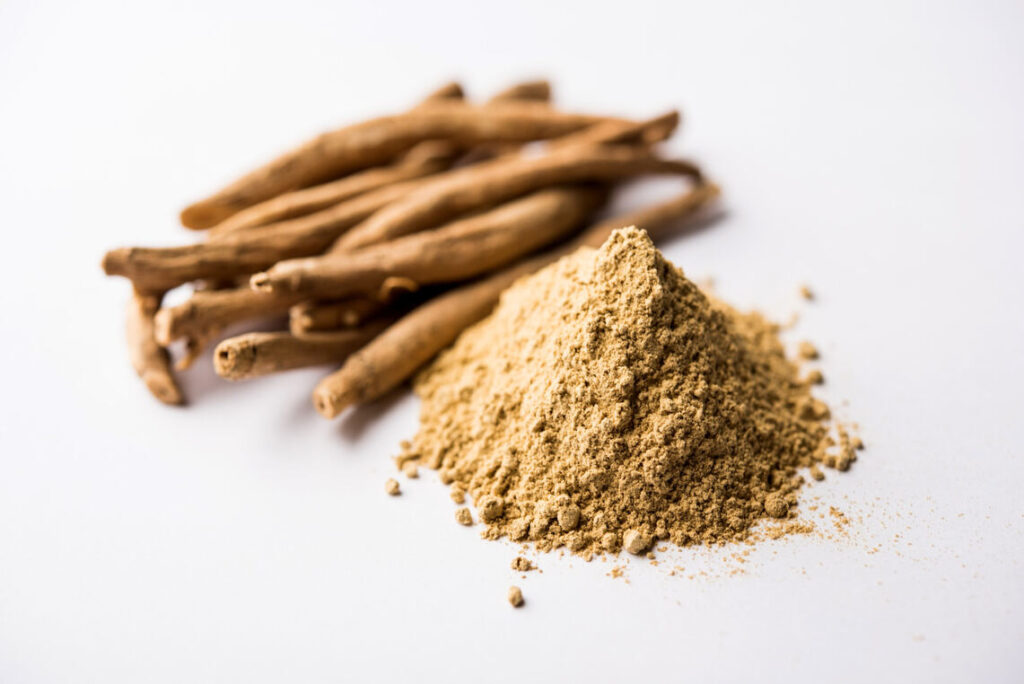
Ashwagandha is a widely used herb that’s getting a lot of attention for stress support and sleep routines. Used in Ayurvedic traditions for centuries, it’s now being studied for its adaptogenic properties. But what does it mean to be an adaptogen, and what do we actually know about how ashwagandha works? In this article, we break down the basics, review the current research, and share practical ways people use it. We also answer common questions about this popular herb.
What is Ashwagandha and how does it work?
Ashwagandha (Withania somnifera) is a herb native to India that has been used in Ayurvedic traditions for centuries. Its name comes from Sanskrit and means “smell of horse,” a reference to the scent of its roots. In the West, it’s sometimes called Indian ginseng because of its traditional reputation.
Ashwagandha has become increasingly popular, especially among people interested in stress support and better sleep routines. It has a long history of traditional use, and modern research is still exploring how it works and where it may be helpful.
The plant’s main active compounds are withanolides, which researchers continue to study. These compounds may play a role in how ashwagandha supports the body’s response to stress. Some studies have explored its effects on stress-related measures, mood, and sleep, but research is still evolving.
The role of adaptogens in the body
Ashwagandha is often described as an adaptogenic herb, meaning it’s commonly discussed in relation to how the body handles everyday stress. Adaptogens are usually presented as supporting balance rather than acting like a sedative.
Ashwagandha for Stress Support
Stress is common, and ongoing stress can take a toll on both body and mind. Over time, it can affect how you feel and function day to day. Some herbs, including ashwagandha, are often used to support stress management, but individual results can vary.
Overall, Ashwagandha is a natural option for people looking to support a healthy stress response.
Cortisol levels and nervous system response
Cortisol is a hormone the body releases in response to stress. In the short term, it helps the body react quickly. Over time, persistently elevated cortisol may affect how you feel and how your body functions.
Several clinical studies have explored ashwagandha’s effects on stress-related measures and cortisol. Let’s take a closer look at some of the research.
In a 60-day, double-blind, randomized, placebo-controlled study, participants took 300 mg of a highly concentrated ashwagandha extract twice daily. The study compared changes in stress-related measures and cortisol levels between the ashwagandha and placebo groups.
One 2019 study looked at 600 mg of ashwagandha extract in healthy adults under stress. After eight weeks, researchers reported that the extract was generally well tolerated and studied its effects on stress-related measures.
Based on current research, Ashwagandha may help support a healthy stress response.
Ashwagandha and Sleep Support
Sleep quality affects how you feel and function during the day, including your energy, mood, and focus. Busy schedules, stress, and too much screen time can make it harder to fall asleep and stay asleep.
Some research suggests Ashwagandha may support relaxation and healthy sleep habits.
Sleep quality and relaxation
Extracts from ashwagandha root have been studied in several clinical trials, with researchers continuing to explore their role in sleep support.
A 2021 study published in the Journal of Ethnopharmacology looked at regular ashwagandha extract intake and sleep-related measures during stressful periods. The research explored possible links between ashwagandha, cortisol, and sleep quality.
Supporting stress management with Ashwagandha products
Stress and anxiety are common in modern life, and many people look for options beyond medication. Some prefer lifestyle changes or natural products as part of a broader wellness routine.
How does it affect anxiety?
Some research suggests ashwagandha may influence pathways involved in the stress response, including GABA-related activity. More research is needed to understand the full picture.
Who is Ashwagandha recommended for?
As we’ve seen, ashwagandha is a widely used adaptogenic herb that people often explore for stress support. Let’s summarize who may want to learn more about it and when it’s best to be cautious.
Ashwagandha may be a good option for people who:
Looking for stress support: Research has explored ashwagandha’s role in cortisol and other stress-related measures over time.
Looking for stress support: Some research has explored ashwagandha’s role in everyday stress management and emotional well-being.
Looking for better sleep support: It may be worth considering if you want to support a more consistent bedtime routine during busy or stressful periods.
Feeling physically or mentally drained? Ashwagandha is often discussed as an adaptogen that may support resilience.
Side effects and contraindications
As with any supplement, some people may experience side effects. Consider your individual health situation before use. The most commonly reported mild side effects include:
- gastrointestinal issues (e.g., nausea, diarrhea, heartburn),
- drowsiness, excessive sedation,
- mild headaches or dizziness.
Ashwagandha is not recommended in the following cases:
Pregnancy and breastfeeding: Safety data are limited, so ashwagandha is generally avoided during pregnancy and while breastfeeding.
Autoimmune conditions: Because ashwagandha may affect immune activity, people with autoimmune conditions should talk with a healthcare professional before use.
Hormone-sensitive conditions: Ashwagandha can affect hormonal balance and should be avoided in hormone-dependent cancers such as breast, ovarian, or prostate cancer.
Thyroid problems: Ashwagandha can influence thyroid hormone levels. It should only be used under medical supervision in cases of hypothyroidism.
People under medication: Ashwagandha can interact with certain drugs, such as sedatives, sleeping pills, thyroid medications, or immunosuppressants.
It is always advisable to consult a healthcare professional, like a doctor or qualified herbalist, before starting Ashwagandha, especially if you have a chronic illness or take medications regularly.
How to best use Ashwagandha?
How a supplement is used can affect the experience. Ashwagandha comes in several forms, so you can choose the format that fits your preferences and follow the product directions for use.
The most common forms of Ashwagandha are:
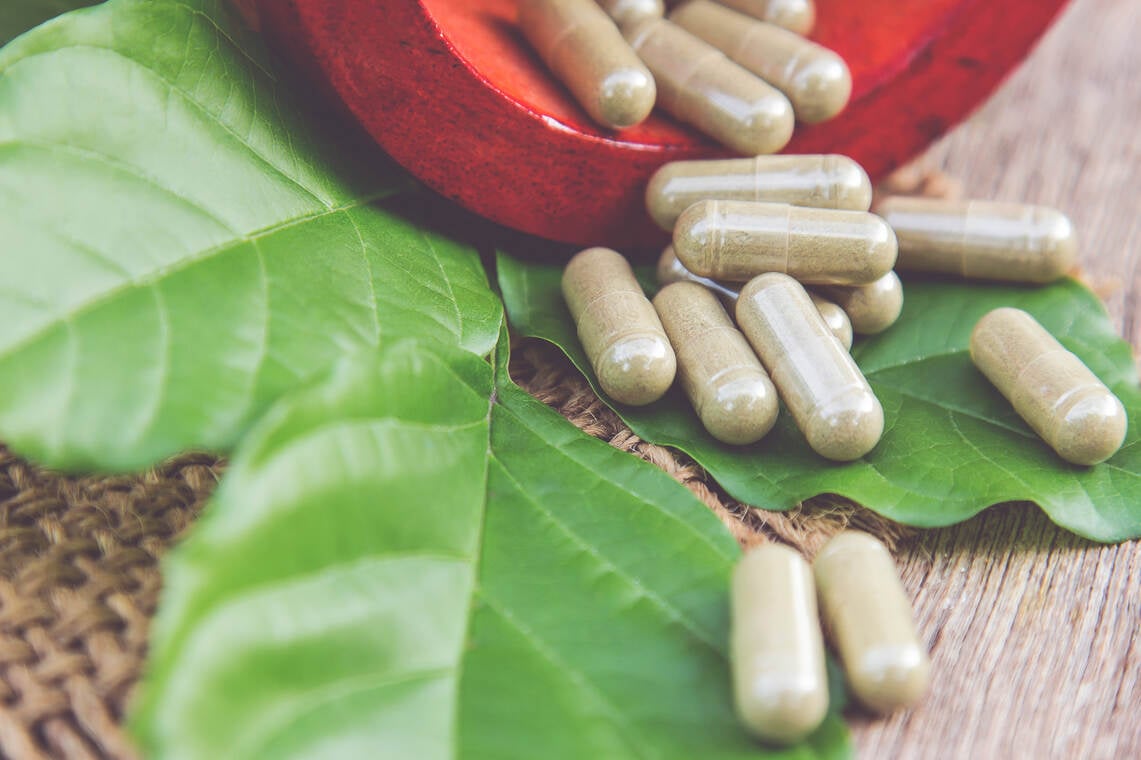
Ashwagandha capsules or tablets: These are a popular, convenient option for everyday use. Many contain standardized ashwagandha extract to help keep servings consistent.
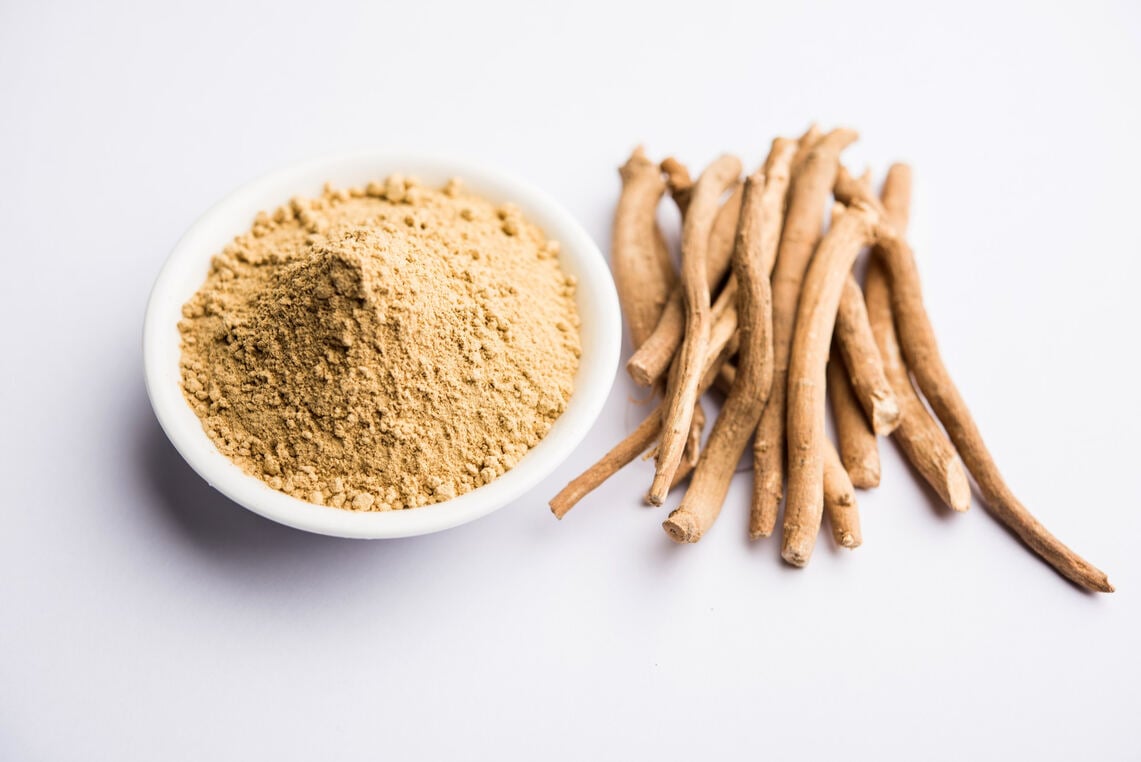
Powdered form: Ashwagandha powder can be mixed into drinks, smoothies, or yogurt. It’s a flexible option for people who prefer to adjust how they use it.
Liquid Ashwagandha extracts (tinctures): Alcohol-based or alcohol-free tinctures are a convenient option for people who prefer a liquid format.
Based on clinical studies, commonly used daily amounts are between 250 and 600 mg of standardized extract. However, always follow the dosage instructions on the specific product label.
When does it take effect?
With regular use, some people wait several weeks before deciding whether ashwagandha is right for them. In studies, changes were often evaluated after about 4–6 weeks of consistent use.
Some people use ashwagandha for 2–3 months at a time and then take a short break. If you’re considering longer-term use, it’s a good idea to check with a healthcare professional about what makes sense for you.
Shop our products
Discover Ashwagandha with a quality product you can feel good about.
Why Choose USA Medical KSM-66 Ashwagandha®?
✔ Full-spectrum extract made exclusively from ashwagandha root The KSM-66 Ashwagandha® extract we use is made solely from the plant’s roots.
✔ One of the highest concentration Ashwagandha extracts KSM-66 Ashwagandha® contains over 5% withanolide concentration in a root-only extract.
✔ Effectiveness supported by 22 clinical studies
KSM-66 has been evaluated in 22 “gold standard” human clinical trials, following the highest standards: randomized, double-blind, placebo-controlled studies.
✔ Clean, solvent-free extract made with “green chemistry” Produced via a unique patented extraction process without alcohol or synthetic solvents.
If you’re looking for a reliable, high-quality Ashwagandha product, you’ve come to the right place!
Buy USA medical KSM-66 Ashwagandha® capsules now!
Frequently asked questions about Ashwagandha
Ashwagandha is getting a lot of attention in wellness circles, so it’s normal to have questions about how it’s used. Below, we’ve answered some of the most common ones to help you decide whether it belongs in your routine.
How long can Ashwagandha be taken continuously?
If you’re thinking about taking ashwagandha long term, some people choose to use it in 2–3 month cycles with 1–2 week breaks in between. If you’re unsure what’s appropriate for you, talk with a healthcare professional about your individual needs.
Can Ashwagandha be taken with medication?
Ashwagandha can interact with certain medications. Talk with your doctor or pharmacist before starting it, especially if you take sedatives, tranquilizers, antidepressants, immunosuppressants, or thyroid medications.
Who should check with a healthcare professional before using Ashwagandha?
Ashwagandha hasn’t been well studied in children and should only be used if a qualified healthcare professional recommends it. Adults who are considering long-term use should start with the product directions and check with a clinician if they have questions.
What forms of Ashwagandha are available?
Ashwagandha supplements come in several forms. One common option is standardized ashwagandha root extract. Capsules can make daily use simple and help keep servings consistent. Choose a product that fits your preferred format and follow the label directions.
References and Scientific Sources- K. Chandrasekhar, Jyoti Kapoor, Sridhar Anishetty (2012): A prospective, randomized double-blind, placebo-controlled study on a high-concentration full-spectrum extract of ashwagandha root in adults DOI: 10.4103/0253-7176.106022
- Jaysing Salve, Sucheta Pate, Khokan Debnath, Deepak Langade (2019): Adaptogenic Effects of Ashwagandha Root Extract in Healthy Adults: A Double-blind, Randomized, Placebo-controlled Clinical Study
- Deepak Langade, Subodh Kanchi, Jaising Salve, Khokan Debnath, Dhruv Ambegaokar (2019): Efficacy and Safety of Ashwagandha (Withania somnifera) Root Extract in Insomnia and Anxiety: A Double-blind, Randomized, Placebo-controlled Study
- Deepak Langade, Vaishali Thakare, Subodh Kanchi, Sunil Kelgane (2021): Clinical evaluation of ashwagandha root extract on sleep in healthy volunteers and people with insomnia: A double-blind, randomized, parallel-group, placebo-controlled study
- National Institutes of Health (USA): Ashwagandha overview