

The Meaning of Hydrolyzed Collagen
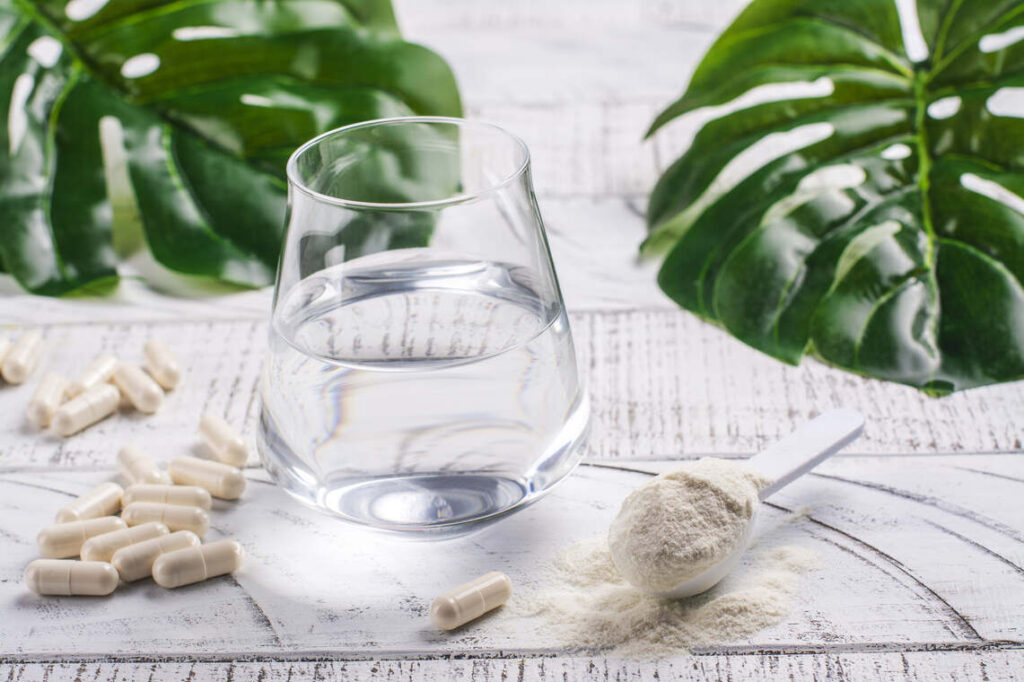
Collagen is a key protein in the body. It helps make up skin, joints, tendons, and bones, which is why it shows up often in beauty and wellness supplements. One term you may see is “hydrolyzed collagen.” In this article, we’ll explain what it means and cover:
- How collagen supplements are made.
- How the main types of collagen differ and how each relates to skin, joint, and bone wellness.
With this information, you’ll find it easier to decide which product might best fit your lifestyle and personal goals.
Hydrolyzed Collagen, Explained
Hydrolyzed collagen is collagen that has been broken down into smaller peptides through an enzyme-based process. These smaller peptides are designed to dissolve easily and may be easier to digest than intact collagen. Collagen supplies amino acids such as glycine and proline, which are part of the body’s normal skin, joint, and bone structures. Research on collagen supplements is still developing, but many people use collagen peptides to support skin hydration and overall connective tissue wellness.
What Are Hydrolyzed Collagen Peptides?
Collagen peptides are a further hydrolyzed form of collagen, meaning the protein has been broken into shorter chains. Because of their smaller size, these peptides typically dissolve well and may be easier to digest than intact collagen. In practical terms, they are a convenient form of collagen commonly used in powders, capsules, and functional foods.
The Hydrolysis Process
During hydrolysis, collagen is extracted from connective-tissue-rich animal sources, such as skin, cartilage, and other connective tissues. Enzymes then break the long collagen chains into shorter peptides under controlled conditions, including temperature, pH, time, and enzyme level. The finished powder is purified, dried, and made to dissolve easily in liquids, which makes it simple to add to a daily routine.
Types of Collagen and Common Product Forms
When people hear “collagen,” they often think of skin firmness or joint comfort. But collagen is actually a large family of proteins. Different types of collagen are found in the human body and in animal-derived ingredients, and each type has its own structure and role.
The Most Common Types of Collagen and Their Roles
- Type I collagen: The most abundant collagen in the body and a main component of skin, tendons, ligaments, and bones. It is associated with normal skin structure and bone composition.
- Type II collagen: A major component of joint cartilage. Research suggests Type II collagen may help support joint comfort and normal joint function, although results can vary by ingredient form and study design.
- Type III collagen: A key component of connective tissues, including the deeper layers of skin and the walls of certain organs. It is often found with Type I collagen and is associated with flexible, resilient connective tissue.
- Type V collagen: A lesser-known collagen type that helps organize certain cell-surface structures and connective tissue fibers. It is found in specific tissues and is mainly discussed in relation to normal tissue structure and development.
- Type X collagen: A collagen type associated with normal bone development and cartilage mineralization. It is often discussed in orthopedic research, but supplement-related benefits are still being studied.
Different Collagen Sources and Processing Methods
Hydrolyzed Bovine Collagen
Hydrolyzed bovine collagen comes from cattle-sourced materials that naturally contain collagen, such as hide, cartilage, tendons, and bones. These materials are cleaned, processed, and broken down with enzymes under controlled conditions to create smaller peptides. The finished powder is designed to dissolve easily and be simple to use in everyday routines.
Other Animal-Based Collagen Products
Collagen can also come from pork, fish, chicken, and eggshell membrane sources. In many cases, the collagen is first converted to gelatin and then hydrolyzed with enzymes to create collagen peptides. These smaller peptides tend to dissolve well and are commonly used in supplement powders, capsules, and beverages.
Popular Collagen Forms: Powders, Capsules, and Drinks
Collagen supplements come in several formats, so they can fit into many daily routines. Powders mix easily into pre-workout drinks or smoothies, while capsules are convenient for travel or busy days. Some formulas also include nutrients such as vitamin C, minerals, or creatine to support normal muscle, bone, and connective tissue function.
| Collagen Form | Benefits | Possible Drawbacks |
| Collagen Powder | Easy to measure and mix into many foods | Flavor may vary by product |
| Collagen Capsules | Convenient and neutral-tasting | May require a larger serving size |
| Collagen Drinks | Potential for faster absorption | Generally more expensive |
Hydrolyzed Collagen from USA Medical
Explore hydrolyzed collagen products designed to fit your daily routine.
✔ Easy to use, neutral taste: Our hydrolyzed collagen powders dissolve well in liquids and have a mild, neutral taste. Add them to coffee, juice, yogurt, smoothies, or your morning oatmeal.
✔ Clean, gentle formulas: USA Medical collagen powders contain no artificial additives, flavor enhancers, preservatives, or sweeteners, so you can add collagen to your routine without extra ingredients you may not want.
✔ Collagen sources selected with care: We choose collagen ingredients based on quality, source, and the available research behind each formula.
✔ Added support from vitamin C and hyaluronic acid: Vitamin C supports normal collagen formation. Some formulas also include hyaluronic acid, a popular ingredient for skin hydration support.
⇒ Click here and browse our selection of premium quality collagen products!
Summary
Hydrolyzed collagen is a popular supplement ingredient that can fit into many wellness routines. Understanding collagen types, sources, and formats can help you choose a product that matches your preferences and goals. Look for a clean, clearly labeled formula from a brand you trust.
Dietary supplements are not a substitute for a varied, balanced diet or a healthy lifestyle.