
Causes of Hair Loss and Prevention Tips

Hair loss is a common concern and can sometimes point to an underlying health issue. While some daily shedding is normal, noticeable or sudden hair loss may have more serious causes. In this article, we explore possible causes of sudden hair shedding, including vitamin deficiencies, hormone changes, stress, and other factors. We also look at ways to support hair and scalp health. Our goal is to provide clear, practical information for anyone who wants to better understand this common issue.
Common Causes of Severe or Sudden Hair Loss
Losing about 50-100 hairs a day can be normal. You may notice it most when washing, combing, or drying your hair, since loose hairs come out more easily during those activities. Normal shedding also varies by person and can change with hair density, age, and the seasons. Sudden or heavy hair loss is not normal, especially if you notice bald patches or scalp itching, irritation, or inflammation. Let’s take a closer look at the possible causes of significant hair loss.
The Connection Between Thyroid and Hair Loss
Thyroid conditions can affect hair shedding. Both underactive and overactive thyroid function may influence the hair growth cycle and lead to more noticeable hair loss.
Hair Loss Linked to Vitamin Deficiency
Hair loss can be associated with a nutrient-poor diet. Here are some vitamins commonly discussed in relation to hair health.
- Biotin (Vitamin B7): Biotin supports keratin production, a key part of hair structure. Low biotin levels may be associated with brittle hair.
- Vitamin D: This vitamin plays a role in normal hair follicle function. Low vitamin D levels have been associated with hair thinning and some autoimmune conditions linked to hair loss.
- Vitamin B12 and iron: Both nutrients help support red blood cell formation and oxygen transport. Low levels may contribute to anemia, which can be associated with hair shedding.
- Vitamin C: An important antioxidant that supports normal collagen formation. Adequate vitamin C helps maintain hair structure.
- Vitamin A: Helps support scalp health by regulating sebum production. Both too much and too little can affect hair health, so balance matters.
Hair Loss Linked to Scalp Infections
Scalp health matters for normal hair growth and retention. Some fungal and bacterial scalp infections can cause discomfort and may affect hair follicles, which can lead to shedding.
The most common fungal scalp infections
- Scalp ringworm (tinea capitis): This contagious fungal infection often affects children. It can cause round, scaly patches on the scalp where hair breaks or falls out. Prompt treatment can help limit the spread of infection.
- Malassezia overgrowth: This yeast naturally lives on the skin, but too much of it can contribute to dandruff and scalp irritation. Ongoing irritation may affect hair health.
Typical bacterial scalp infections
- Folliculitis: Inflammation of the hair follicles that can appear as red, pus-filled bumps on the scalp. Severe cases can cause scarring.
- Carbuncles and furuncles: These are deeper skin infections usually caused by Staphylococcus aureus. They can cause painful swelling in the affected area and may affect nearby hair follicles.
Treatment-Related Hair Loss
Chemotherapy is used to treat cancer by targeting rapidly dividing cells. Because some healthy cells, including hair follicle cells, also divide quickly, hair thinning or hair loss can occur during treatment. Shedding often starts about 2-3 weeks after treatment begins and may progress quickly. The amount of hair loss varies from mild thinning to complete loss of hair. Chemotherapy can also affect other body hair, including underarm, arm, and leg hair, as well as eyebrows and eyelashes. In many cases, hair begins to regrow after treatment ends, although timing varies.
Hair Loss Linked to Scalp Inflammation
Chronic inflammation or infection elsewhere in the body may sometimes be associated with sudden hair shedding. These issues can occur in the teeth, tonsils, sinuses, or urinary system, and they may not always cause obvious symptoms right away. Addressing the underlying problem may help reduce one possible trigger for hair shedding, and hair may begin to regrow over time.
Hair Loss Linked to Genetics
Genetics play a major role in hair loss. Androgenetic alopecia is one of the most common types and often runs in families. Dihydrotestosterone (DHT), an androgen hormone, is associated with hereditary hair thinning in some people.
Stress and Psychological Causes
Stress and emotional strain can affect hair health. Ongoing physical or emotional stress may disrupt the hair growth cycle and lead to more shedding. Let’s look at the connection between stress and hair loss:
- Telogen effluvium: This type of temporary shedding can follow stress. More hairs enter the resting (telogen) phase and may shed a few months later, leading to diffuse thinning across the scalp.
- Alopecia areata: An autoimmune condition that can cause patchy hair loss. Its exact cause isn’t fully understood, and stress may be one factor that can influence flare-ups in some people.
Causes of Hair Loss in Young People
Hair loss in younger people can have many causes, some of which may be manageable. Here’s a look at common factors that can contribute to it.
- Hormonal changes: During adolescence and early adulthood, hormonal shifts can affect hair growth. Thyroid conditions and polycystic ovary syndrome (PCOS) are among the possible causes of hair shedding in women.
- Nutritional deficiencies: Low levels of iron, zinc, biotin, and other vitamins can affect hair structure. Poor nutrition can contribute to noticeable shedding and thinning, and in some cases hair loss may appear patchy.
- Hair care habits: Excessive styling, tight hairstyles, and chemical treatments can damage hair strands and follicles.
- Medications and treatments: Some medications may affect hair growth as a side effect. For example, retinoids used for acne or certain antibiotics may play a role.
- Genetic predisposition (androgenic alopecia): Hereditary hair loss can begin in the teen years or early adulthood. Hair follicles that are more sensitive to dihydrotestosterone (DHT) may gradually thin, leading to shedding over time.
- Stress, irregular eating or sleep, and intense exercise or physical strain can contribute to hair shedding in younger people.
Causes of Hair Loss in Women
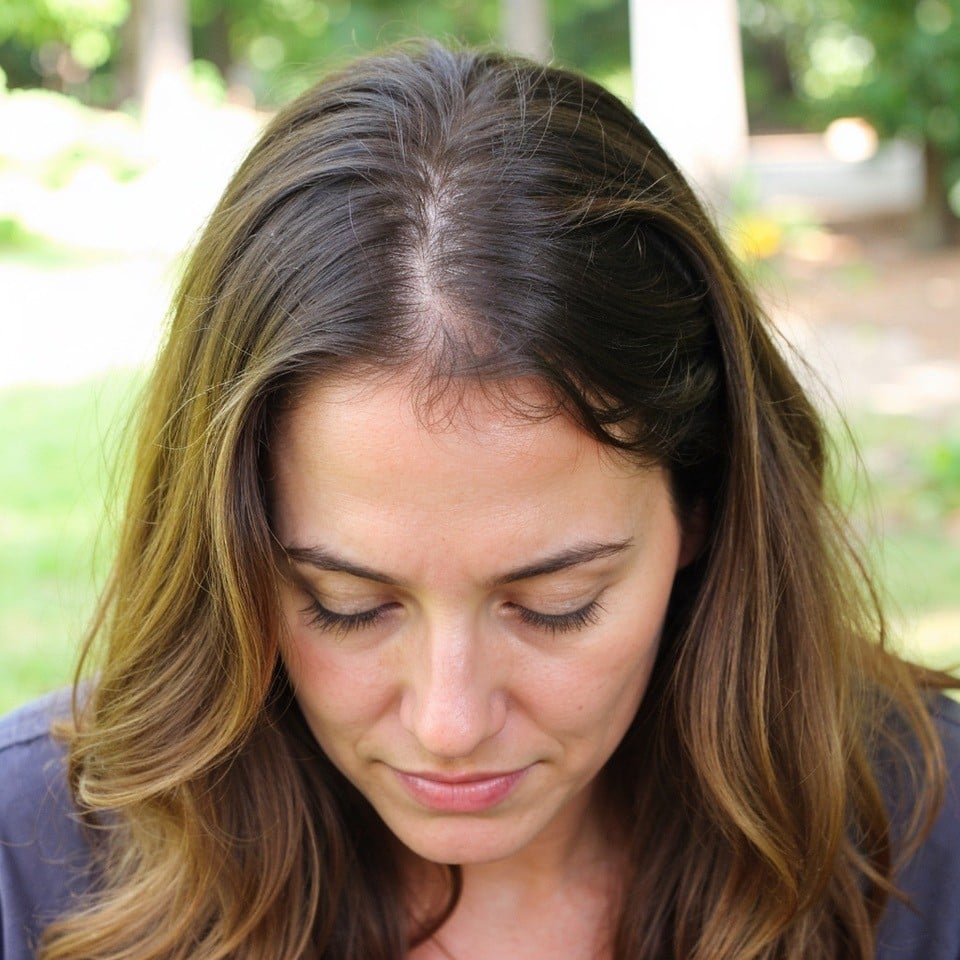
Diffuse hair shedding can affect the scalp more broadly. Thinning at the crown is often seen with hormone-related hair loss, which can have several possible causes:
- Thyroid disorders: An underactive or overactive thyroid can affect the hair growth cycle and contribute to shedding.
- Pregnancy and childbirth: Hormonal changes during pregnancy can make hair feel fuller, but after childbirth, shedding may increase as hormone levels shift.
- Menopause: Hormone shifts during menopause can affect the hair growth cycle and contribute to thinning.
Hair loss concerns can vary from person to person, so it’s helpful to look at factors that may be especially relevant for women.
- Tight hairstyles: Frequent tight ponytails, braids, or extensions can strain the hair and scalp over time.
- Hair dyes, perms, and frequent heat styling can weaken hair and make it more brittle.
- Frequent heat exposure: Regular use of hair dryers, flat irons, and other hot styling tools can dry out hair and cause breakage.
Hair loss in women can have several causes. Recognizing it early and choosing the right next step can help support hair health.
Hair Loss Support: Vitamins and Collagen
Vitamin and Mineral Support for Hair Health: Why Nutrient Support Matters
Appropriate nutrients play an important role in supporting hair health. Certain vitamins, trace elements, and minerals are especially important for maintaining hair.
Biotin (Vitamin B7): Supports normal hair and skin health.
Copper helps support normal connective tissue, iron transport, and nervous and immune system function.
Zinc: Helps support normal hair, skin, and nails and plays a role in the metabolism of macronutrients.
Iron: Contributes to normal red blood cell and hemoglobin formation and helps transport oxygen throughout the body. Adequate oxygen delivery supports overall hair and scalp health.
Vitamin C: Supports normal collagen formation, which helps maintain hair structure.
Many hair-support supplements include several of these nutrients.
⇒ Click here to access our premium quality products that support hair health!
The Role of Collagen in Preventing Hair Loss
Collagen is a natural protein found in connective tissues like skin, bones, and hair. It may play a role in supporting hair health:
- Collagen contains amino acids, including proline, which the body uses to make keratin. Keratin is a key structural protein in hair, so collagen may help support hair strength and elasticity.
- Collagen helps support skin elasticity and hydration, which also matters for scalp health. A healthy scalp can support the conditions hair needs to grow.
Some people choose collagen-rich foods or supplements as part of a balanced routine, especially as collagen production naturally changes with age.
Explore our collagen collection. Click for details.
Summary
Addressing hair loss often takes a steady, individualized approach. A consistent hair care routine, balanced nutrition, and minimizing damaging styling or environmental factors can all help support healthy hair. If shedding is sudden or ongoing, consider speaking with a healthcare professional.
Dietary supplements are not a substitute for a varied, balanced diet or a healthy lifestyle.