
Vitamin B12: What It Does, Low B12 Signs, and Supplement Basics

Vitamin B12 is an essential nutrient that the body cannot produce on its own, so it must be obtained through food or supplements. Vegetarians, pregnant and breastfeeding women, and anyone at risk of B12 deficiency should make sure they get enough of this vital vitamin. What do you need to know about B12? Let’s find out!
Vitamin B12: What It Does and Why It’s Important
Vitamin B12, also known as cobalamin, is a water-soluble vitamin that plays a crucial role in several vital functions in the body. It’s naturally found in animal-based foods such as dairy products, eggs, fish, meat, and poultry, but you can also find many products fortified with B12.
What Vitamin B12 Does
Vitamin B12 participates in normal energy-producing metabolic processes and is involved in cell division.
It also plays a role in normal body function.
- the normal functioning of the nervous system,
- normal homocysteine metabolism,
- maintaining normal psychological functions,
- normal red blood cell formation,
- normal immune system function, and
- supporting normal energy production.
Vitamin B12 Deficiency
B12 absorption can decline with age, and people who eat no animal foods may need to pay closer attention to intake.
Vitamin B12 deficiency is more likely to develop under the following conditions:
- certain conditions that make it harder for the body to absorb B12,
- conditions that affect the small intestine and can make B12 absorption harder,
- heavy alcohol use, which can affect nutrient absorption, and
- immune-related conditions.
Common Signs of Low Vitamin B12
A 2019 study identified possible signs of low B12, including:
- fatigue and weakness
- numbness and tingling in the hands and feet,
- changes in memory or thinking,
- dementia
- depression.
*Neurological symptoms of vitamin B12 deficiency: analysis of pediatric patients (Hepsen Mine Serin, Elif Acar Arslan)
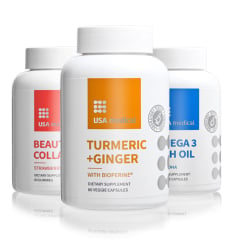
Vitamins from
USA Medical
A wide selection of multivitamins and minerals all in one place
How Much Vitamin B12 Do You Need Each Day?
The answer depends on several factors, including age, dietary habits, health status, and any medications being taken.
The average recommended amounts, measured in micrograms (mcg), vary by age:
- infants up to 6 months: 0.4 mcg,
- infants 7-12 months: 0.5 mcg,
- children 1-3 years: 0.9 mcg,
- children 4-8 years: 1.2 mcg,
- children 9-13 years: 1.8 mcg,
- adolescents 14-18 years: 2.4 mcg,
- adults: 2.4 mcg (2.6 mcg daily during pregnancy and 2.8 mcg daily during breastfeeding).
Because B12 is water-soluble, the body usually excretes excess amounts. Still, very high intakes can cause side effects.

Well-Absorbed Vitamin B12
Vitamin B12 supplements typically come from two sources:
- cyanocobalamin
- methylcobalamin.
Cyanocobalamin is more commonly used because it is considered more stable and cost-effective than other forms of B12.
Dietary supplements are not a substitute for a healthy lifestyle and a balanced, varied diet.
How to Choose a Vitamin B12 Supplement
Many people can meet their vitamin needs through food alone, but supplements may be an option for older adults, people on strict plant-based diets, and those with digestive issues who want to support healthy B12 intake.
USA medical Multivitamin for Women and USA medical MULTIVITAMIN for Men combine B12 with other essential vitamins and minerals, plus cranberry, hawthorn, grape seed, pomegranate, and blackcurrant extracts. If you’d like to explore more premium supplements, browse our supplement category in the shop!