
Hemp Oil vs. CBD Oil: What’s the Difference?
What Is Hemp? A Quick Guide to Hemp Extract, CBD, and THC-Free CBD Oil
Hemp (Cannabis sativa) is a versatile plant that has been cultivated for thousands of years for its fibers, seeds, and hemp-derived extracts. Although it is often confused with marijuana, hemp is an industrial variety with very low THC levels. Different parts of the hemp plant are used to make a wide range of products: hemp seed oil is cold-pressed from the seeds, while CBD extracts come from the stems and leaves. Hemp fiber is used to make textiles and paper, and hemp-derived ingredients are increasingly used in consumer products.
Composition and Common Uses of Hemp Seed Oil (Hemp Oil)
Hemp seed oil is made by cold-pressing the seeds of the Cannabis sativa plant. It is naturally rich in omega-3 and omega-6 fatty acids and is commonly used in skincare and as a nutritional oil. Some studies have explored its relationship to cholesterol, but the findings are not conclusive.
Hemp Seed Oil: Nutrients and Common Uses
Thanks to its naturally occurring antioxidants and fatty acids, hemp seed oil is popular in skincare and as a nutritional oil.
CBD Oil vs. Hemp Seed Oil: What’s the Difference?
Although CBD oil and hemp seed oil both come from the hemp plant, they serve different purposes. The right choice depends on how you plan to use the product.
CBD Oil – Also Studied in Research
CBD oil contains cannabidiol (CBD), a cannabinoid extracted from the flowers and leaves of industrial hemp. It is non-psychoactive, and research is still ongoing into its possible wellness applications. Research explores its uses in areas such as:
- ongoing discomfort,
- sleep concerns,
- everyday stress,
- and other skin concerns.
CBD oil is also available in some pet-specific products, but any pet use should be discussed with a veterinarian.
Hemp Seed Oil – A Nutrient-Rich Oil for Everyday Use
In contrast, hemp seed oil is made by cold-pressing hemp seeds and contains no CBD or other cannabinoids. It is commonly used for nutritional and topical purposes because it:
- is an excellent source of omega-3 and omega-6 fatty acids,
- is rich in vitamin E, linoleic acid, and antioxidants,
- and overall wellness,
- and is often used in skin care for its moisturizing feel.
In summary: if you’re comparing CBD oil and hemp seed oil, start with what each product is designed for. CBD oil is a hemp-derived extract, while hemp seed oil is a nutrient-rich plant oil often used in food and personal care products.

What Is CBD?
All the essential information in one place!
Types of CBD Oil: Full-Spectrum, Broad-Spectrum, and CBD Isolate
There are three main types of CBD oil, depending on which cannabis compounds they contain:
- Full-Spectrum CBD Oil: Contains naturally occurring cannabinoids, terpenes, and flavonoids, including trace amounts of THC.
- Broad-Spectrum CBD Oil: Contains CBD and other naturally occurring compounds, but no THC.
- CBD Isolate: Contains only cannabidiol (CBD), with no other plant compounds.
In some markets, THC is restricted in consumer products, so finished CBD products must meet the rules that apply where they are sold. For human-use products, check the product details and local regulations before purchasing.
That’s why many customers choose broad-spectrum CBD products like USA Medical CBD oil products, which are formulated to be THC-free.
CBD Oil Research: What We Know So Far
CBD is being studied worldwide for its possible role in comfort, relaxation, and inflammation.
- A 2006 study explored cannabinoids and pain, but research on their use for acute and chronic pain is still evolving.
- CBD cream for skin has been studied for possible skincare benefits, and early findings suggest it may help support a calm-feeling skincare routine.
It is important to note that current research has not established CBD as a medical treatment. Product categories and labeling rules vary by market, so always check the rules that apply where you shop.
Organic CBD Oil, Certifications, and What to Look For
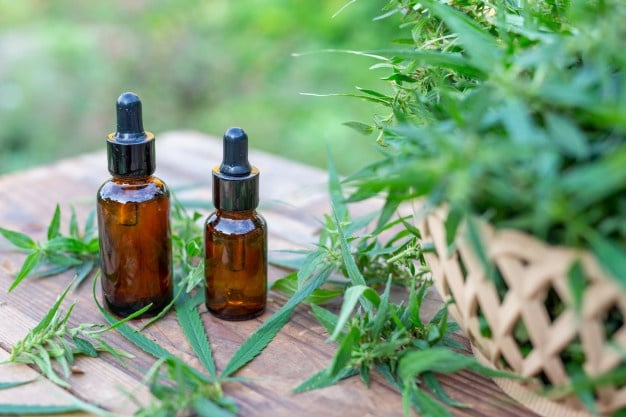
Some brands use organic claims too loosely, so an organic label alone does not tell the full story. Look for clear ingredient details and independent lab results that confirm CBD content and check for THC and other contaminants. Transparent brands make it easier to compare products and shop with confidence.
CBD Market Trends and Statistics
Demand for CBD and hemp seed oil continues to grow worldwide. Market reports estimate the global CBD oil market at $7.29 billion in 2024 and project it could exceed $38.48 billion by 2034. That reflects an estimated average annual growth rate of 18.1%.
The hemp seed oil market is also expanding, with reports valuing it at $167.55 million globally in 2024 and projecting growth to $2.23 billion by 2032. That reflects an estimated 38.2% annual growth rate, driven by consumer interest in plant-based oils and supplements.
Growth is being driven by consumer interest and evolving regulations in some markets. Research into CBD continues to expand, and plant-based ingredients may play a growing role in future wellness products. As the category develops, clear product information and careful sourcing matter more than ever.
Must-Read Before Buying CBD
- Want to learn more about CBD oil? See how it works.
-
Learn more about how CBD oil works.
- Want help choosing the right product? Explore our selection and find the CBD oil that best fits your needs.
-
And when you’re ready to try, here’s our complete CBD oil range, carefully selected and lab-tested.
How to Use CBD Oil
For beginners, start with a low serving and increase gradually if needed. Since everyone responds differently to CBD, adjust your routine carefully and pay attention to the product label.
➡️ To learn more about CBD oil dosing, we recommend this detailed article: CBD Oil Usage Guide – USA Medical
How to Buy CBD Oil: Product Types and What to Look For
Before buying CBD oil, review the ingredient list, brand background, and sourcing details. Choosing between hemp oil and CBD oil drops comes down to how you plan to use the product. Compare the product information and choose a brand you trust.