
A thoughtful guide to choosing CBD oil
Which CBD Oil Is Best? Start With What’s Inside.
About this guide
Publisher: USA Medical. Editorial owner: Jake Crossman, NASM-CNC. Updated
Jake Crossman is responsible for the company’s editorial standards. NASM-CNC is a nutrition-coaching credential, not a medical or clinical license. This guide has not received independent scientific or clinical review.
How we develop and correct educational content · Independent review process
Choose an oil with a clear CBD amount, ingredients you recognize and a current lab report you can actually read. Then decide what kind of hemp extract fits your preferences.
Find your bottle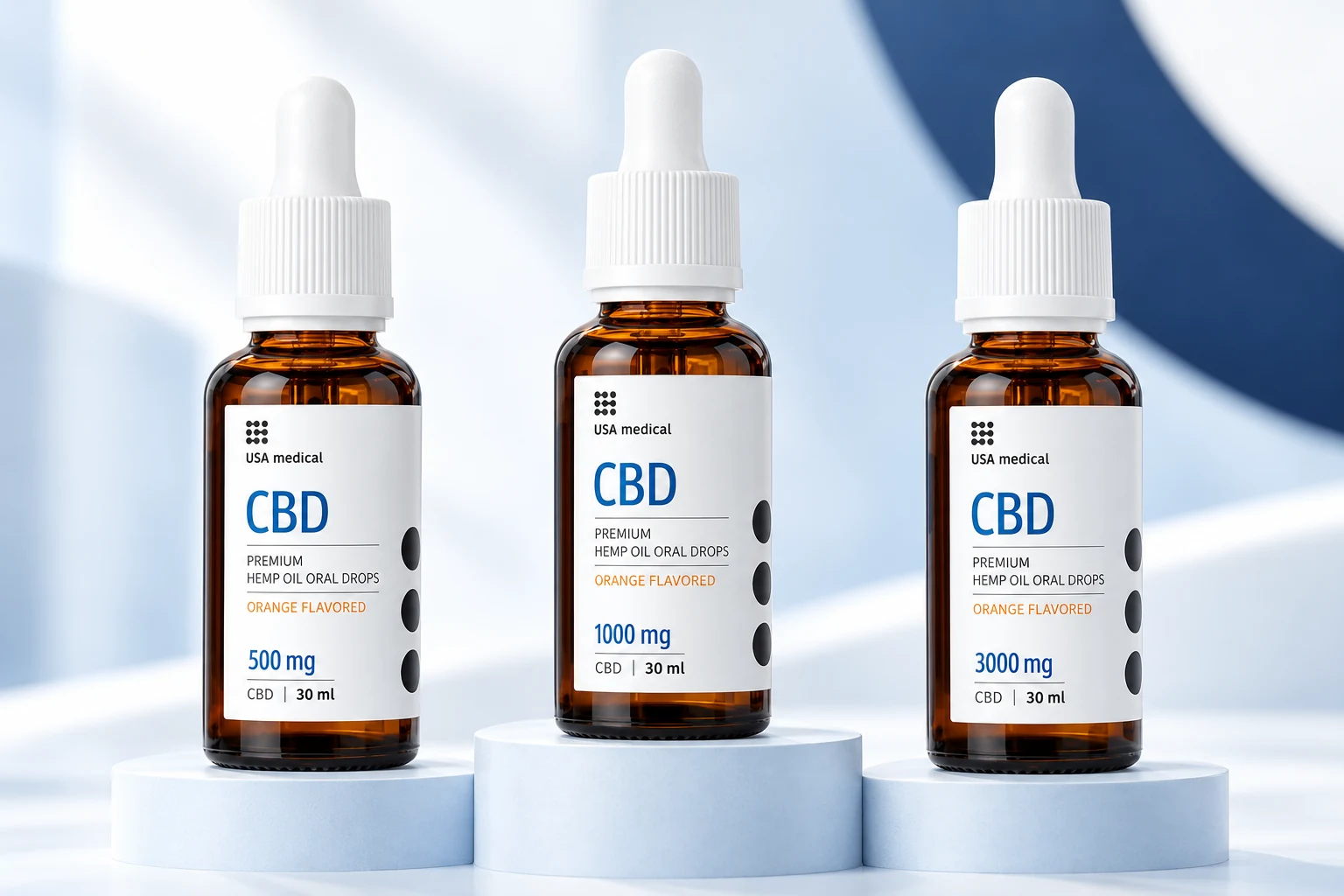
First, choose your extract
Three ways to think about hemp spectrum
These labels describe the extract’s intended composition. The product’s own lab report tells you more about the tested sample.
CBD isolate
CBD-focused
CBD separated from the other hemp cannabinoids and plant compounds. A straightforward option for shoppers who prefer a CBD-focused extract.
Full-spectrum
CBD + hemp compounds + THC
Includes other hemp compounds, including THC. Check the lab report for the measured THC amount in the tested sample.
Broad-spectrum
CBD + other retained hemp compounds
Processed to remove THC while retaining other hemp compounds. Check the product report for measured results.
For a plain-language overview of these terms, see the New York State Office of Cannabis Management spectrum guide. The exact contents are product-specific.
USA Medical’s choice
Why we choose broad-spectrum
We chose a broad-spectrum hemp extract for our CBD oil line because it brings together CBD and other retained hemp compounds for shoppers who prefer to avoid THC. The choice is simple: a broader hemp profile, clear ingredients and a format that fits your routine.
Full-spectrum oils include THC, and the measured amount belongs in the lab report. Broad-spectrum processing is designed to remove THC; review the current product report for sample-specific results.
Explore broad-spectrum and full-spectrum in more detailA simple quality check
Four useful things to look for
- 01
A clear CBD amount
Find the total milligrams in the bottle, the bottle volume and the directions. They describe different things.
- 02
Ingredients you understand
Check the carrier oil, flavor and complete ingredient list against your preferences.
- 03
A report you can connect to the product
Look for the sample or batch, test date and measured cannabinoid results, including THC.
- 04
Value in context
Compare CBD per mL and price per 100 mg using the current checkout price. Then check the report, ingredients and order terms; a larger number alone does not establish better value.
A 2024 analysis of commercially available CBD products found label differences in some tested samples. This study was not an evaluation of USA Medical products. Read the analysis on PubMed.
A fairer value check
Compare CBD oil strength and value
When bottles differ in strength, compare concentration and price together. The calculations below use each bottle’s labeled total and 30 mL volume.
| Bottle label | CBD per mL | Simple comparison |
|---|---|---|
| 500 mg / 30 mL | about 16.7 mg/mL | Price × 100 ÷ 500 = price per 100 mg |
| 1,000 mg / 30 mL | about 33.3 mg/mL | Price × 100 ÷ 1,000 = price per 100 mg |
| 3,000 mg / 30 mL | 100 mg/mL | Price × 100 ÷ 3,000 = price per 100 mg |
Use the current product price at checkout in the formula; prices and offers can change. Price per 100 mg is a comparison aid, not a quality score. Compare the product report, ingredients, bottle volume and the terms that apply to your order too.
The bottles below show their single-bottle price and cost per 100 mg. For the full calculation and what discounts change, read our CBD oil price and value guide.
One broad-spectrum formula · three concentrations
Choose the CBD oil that fits your routine
Each bottle is 30 mL and uses the same broad-spectrum formula. The concentration changes from bottle to bottle; the product pages have current details and terms.
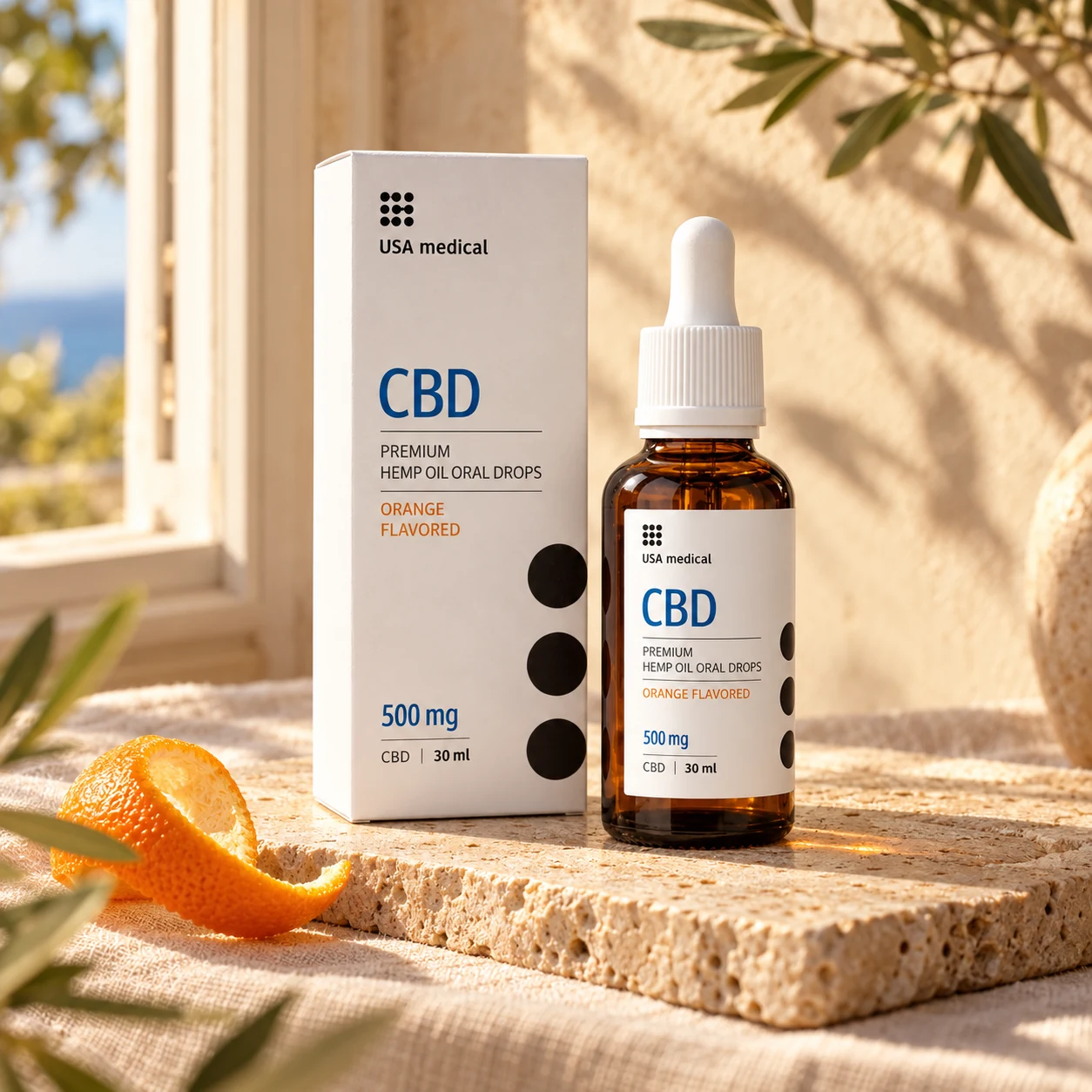
CALM · 500 MG
A gentler place to begin
500 mg CBD in 30 mL, or approximately 16.7 mg per mL. Calm is the lowest concentration in the collection.
Single bottle
$34.00
$6.80 per 100 mg CBD
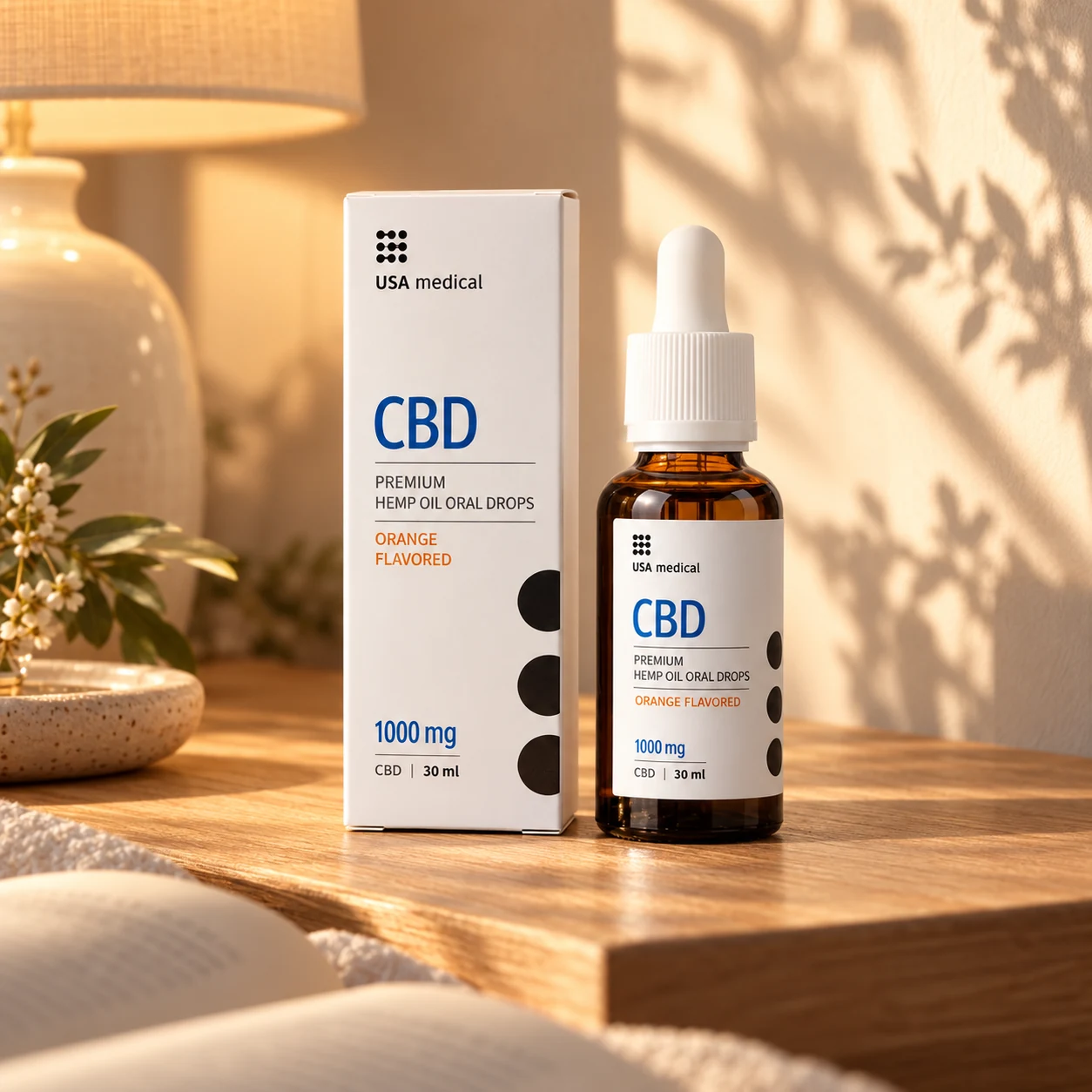
PEACE · 1,000 MG
A steady middle concentration
1,000 mg CBD in 30 mL, or approximately 33.3 mg per mL. Peace sits between the other two bottle strengths.
Single bottle
$59.00
$5.90 per 100 mg CBD
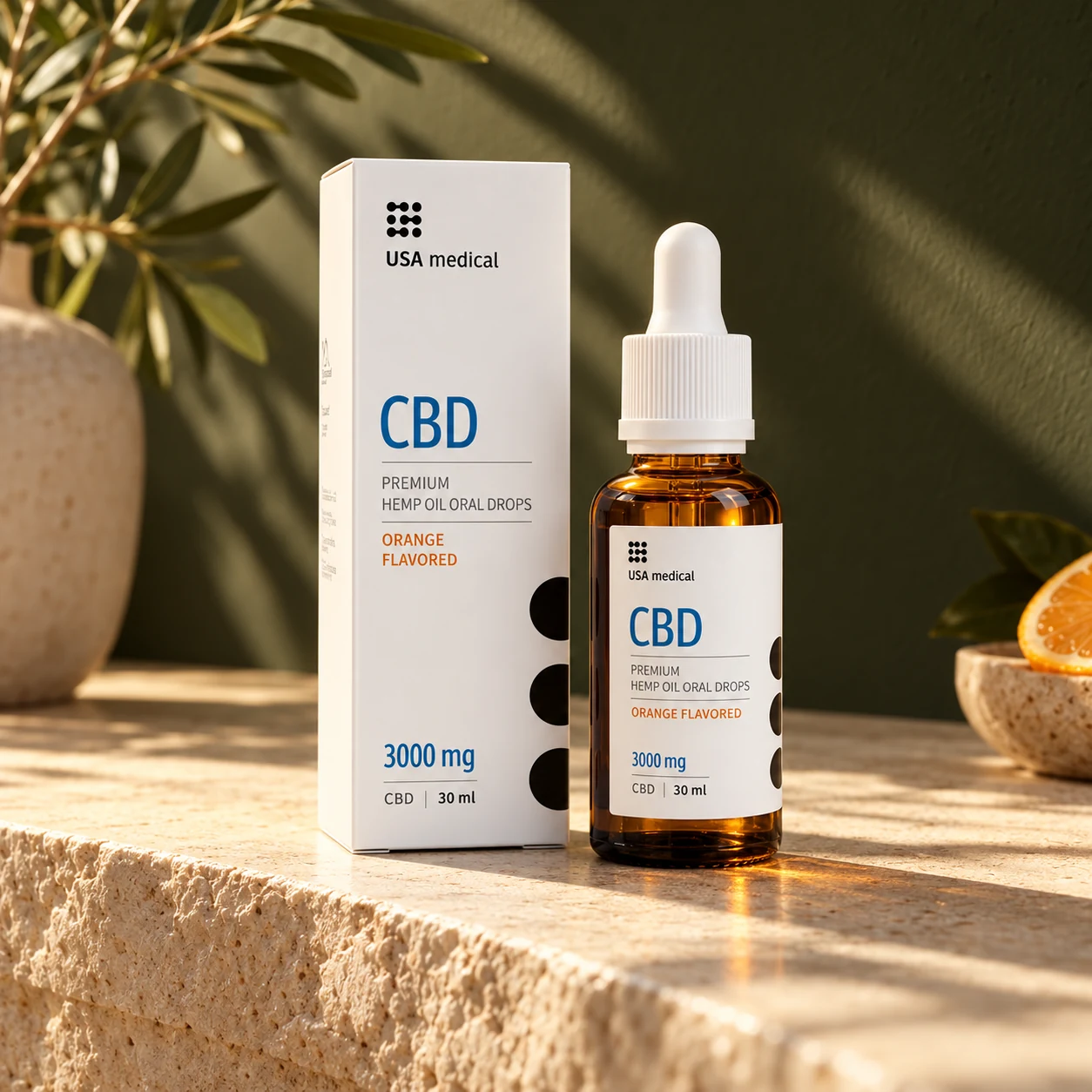
SLEEP · 3,000 MG
More CBD in every mL
3,000 mg CBD in 30 mL, or 100 mg per mL. Sleep is the highest concentration in the collection.
Single bottle
$124.00
$4.13 per 100 mg CBD
Single-bottle prices shown before bundle offers. Shipping and any final tax adjustments are calculated at checkout. Price per 100 mg compares labeled CBD amount, not effectiveness.
The three oils share a formula of broad-spectrum hemp extract with MCT oil, hemp seed oil and orange oil. See each product page and your package for the full current ingredient list.
Good questions to ask
CBD oil buying guide FAQ
Which CBD oil is best for beginners?
Start by comparing extract type, total CBD, bottle size, ingredients and the product report. USA Medical’s 500 mg Calm oil is the lowest concentration in our collection; follow its current label directions.
Is broad-spectrum better than full-spectrum?
It depends on what you prefer. Broad-spectrum suits shoppers who want multiple retained hemp compounds while preferring to avoid THC. Full-spectrum includes THC, with the measured amount shown in the lab report. The names describe composition, not a clinical ranking.
Does broad-spectrum mean absolutely no THC?
Broad-spectrum processing is designed to remove THC, but the exact tested result is product-specific. Review the current lab report. No spectrum label can promise a drug-test outcome.
Is CBD isolate ineffective?
No. Isolate describes a CBD-focused extract. The term alone does not establish whether a product will suit an individual.
How do I compare the 500 mg, 1,000 mg and 3,000 mg bottles?
Each contains 30 mL. Divide the bottle total by 30 to compare concentration: approximately 16.7, 33.3 and 100 mg per mL. That is label arithmetic, not a serving recommendation.