

Coenzyme Q10 overview
NCCIH summarizes CoQ10’s normal biological roles, the limits of current treatment evidence, safety, and important medicine interactions.
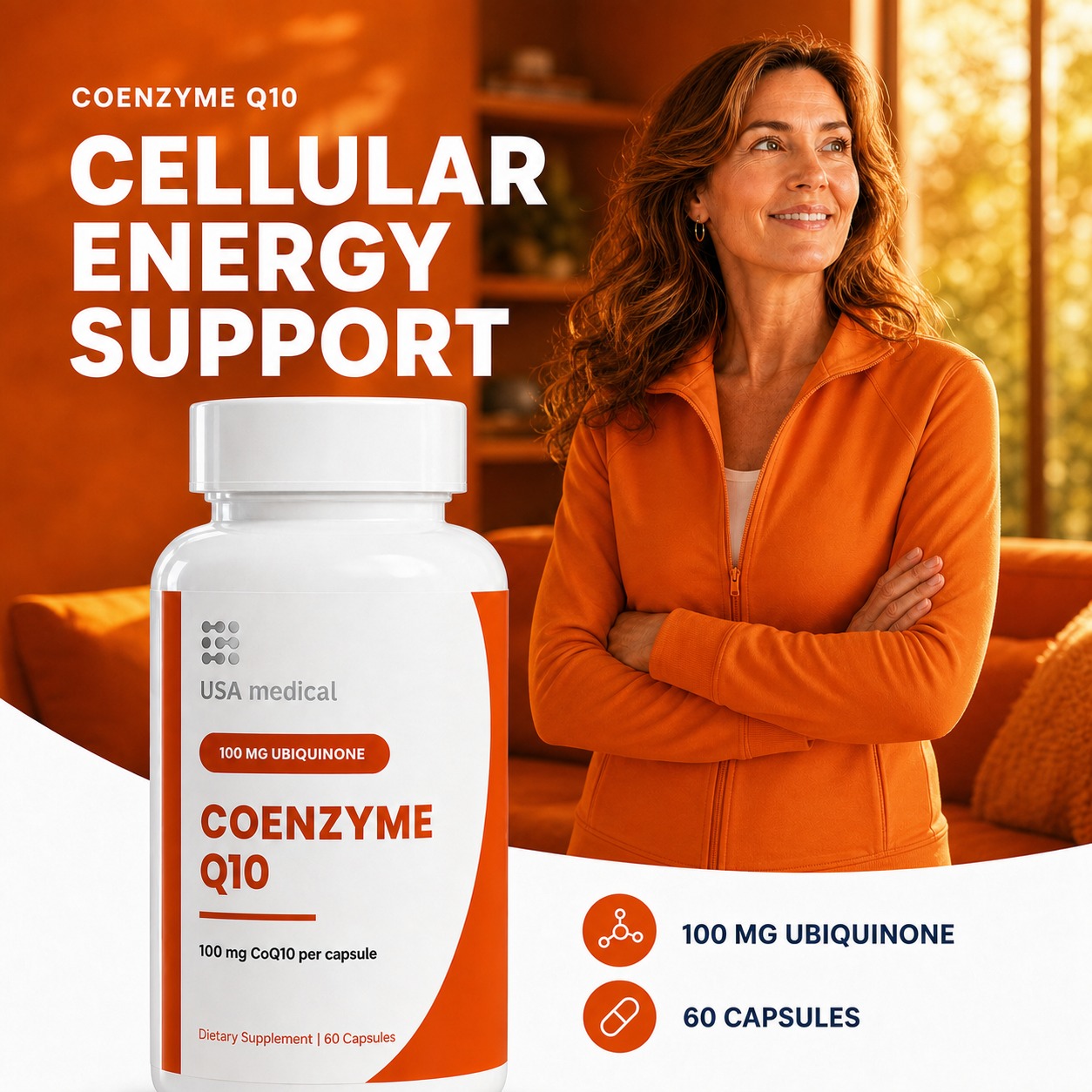
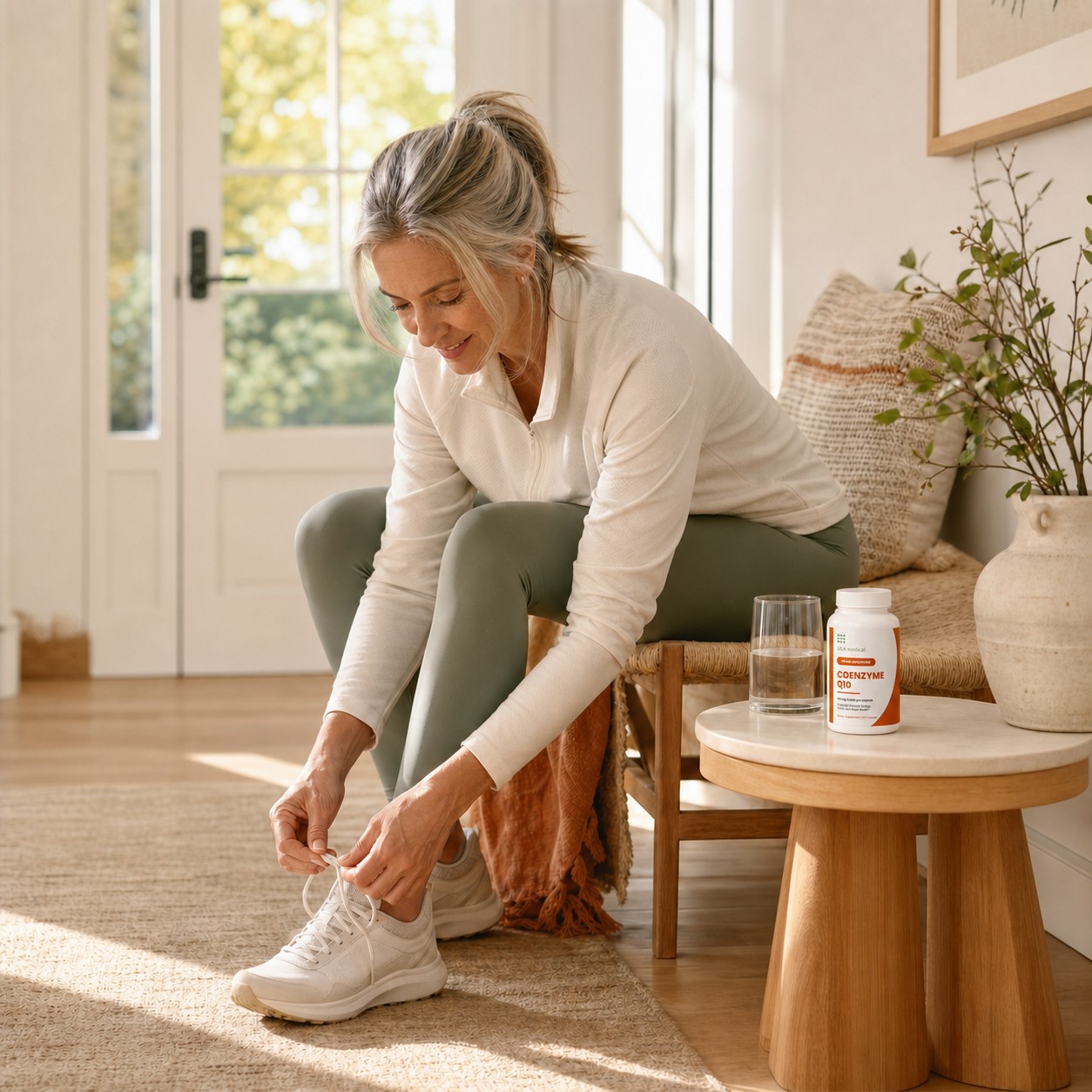

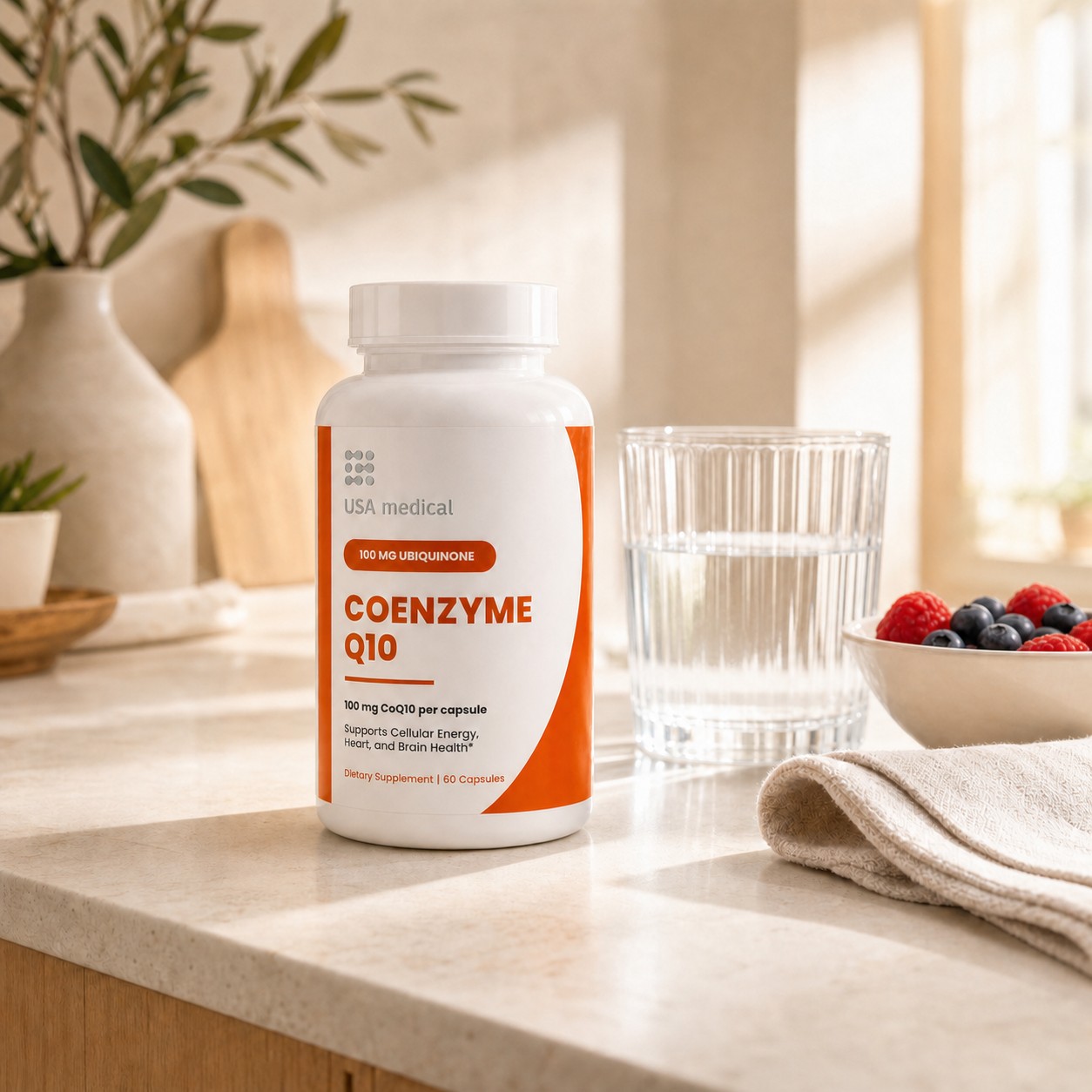
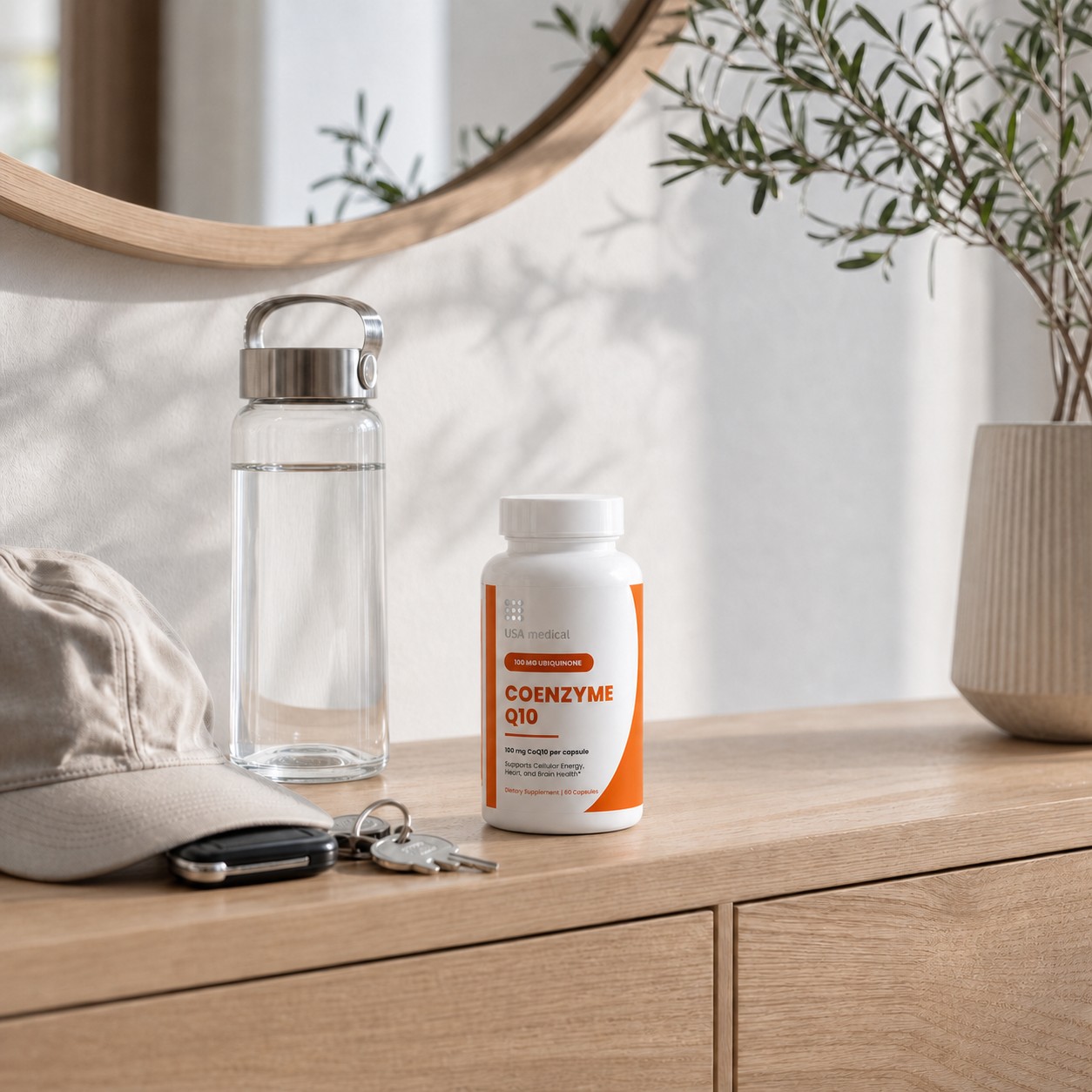
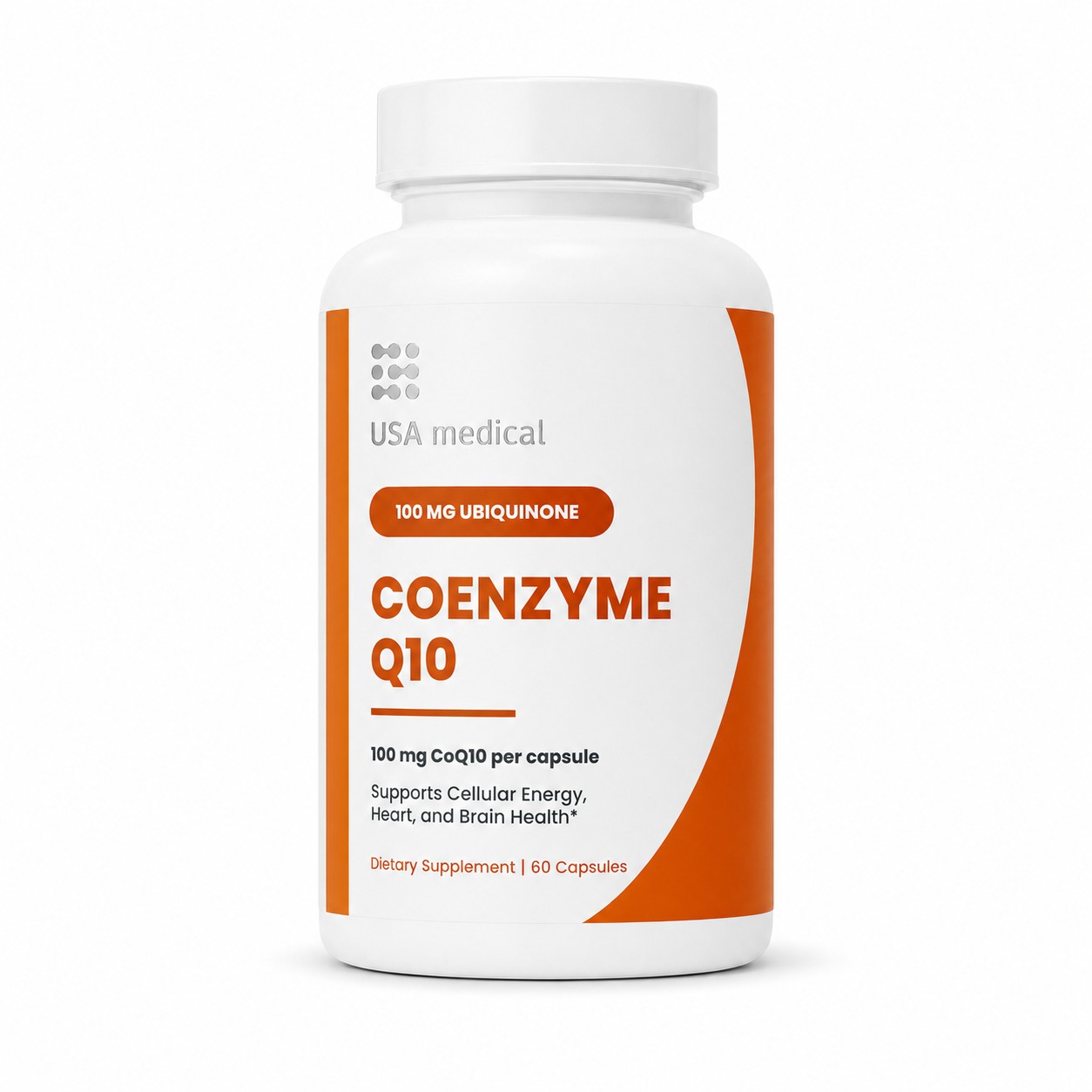
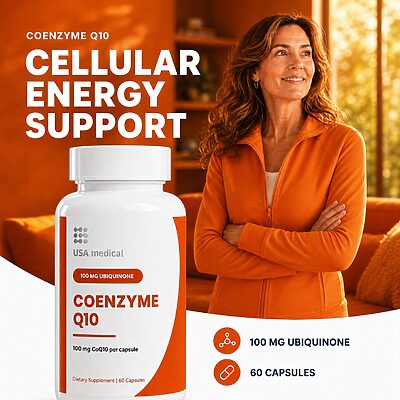
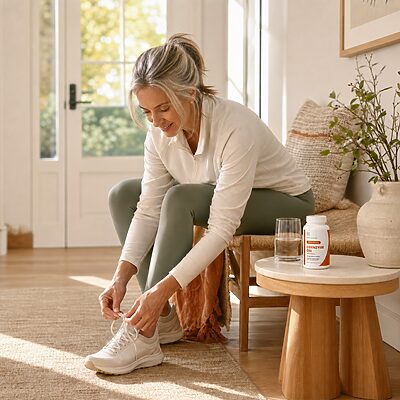

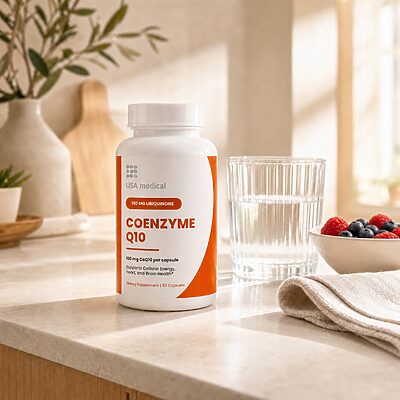
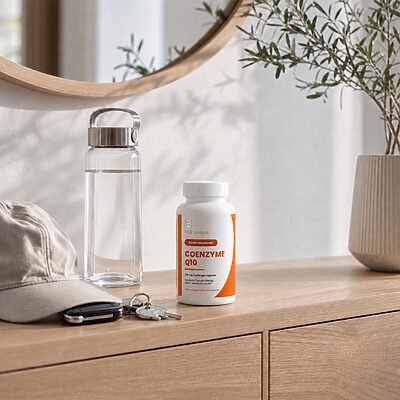
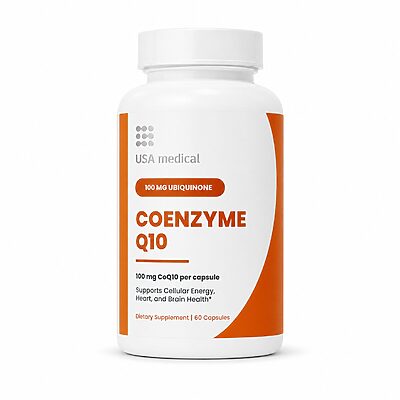
Cellular energy support, made simple. CoQ10 participates in the process cells use to make energy, and tissues with high energy demands naturally contain it. This one-capsule routine provides 100 mg of ubiquinone for everyday cellular and heart wellness.[1]
Take 1 capsule daily with water, following the current label.
Product details
$30.00
In stock
One capsule provides 100 mg of coenzyme Q10 as ubiquinone. The purpose is clear at a glance: support the cellular energy process and everyday heart wellness with one repeatable daily step.
Want the background first? Read the CoQ10 guide.
CoQ10 is made by the body, helps cells produce energy, and also acts as an antioxidant. Those established roles explain why it is concentrated in energy-demanding tissues, but they do not mean every person will feel a noticeable energy change from a supplement.[1]
A meta-analysis reported a reduction in fatigue scores across varied randomized trials, but the underlying studies used different products, doses, durations, and participant groups.[3] Heart-failure trials have also studied CoQ10 as an addition to standard care, often at higher daily amounts and in diagnosed patients, and do not establish a treatment benefit for this 100 mg general-wellness capsule.[4][5]
Our honest read: 100 mg ubiquinone is a straightforward way to add CoQ10 to a daily wellness routine. The ingredient has credible biological and clinical research, while formulation, dose, population, and the outcome being measured still matter.
Cells use CoQ10 within the mitochondrial energy-making process. This is the clearest reason CoQ10 belongs in an everyday wellness routine.[1]
CoQ10 can act as an antioxidant, helping protect cells from oxidative damage as part of normal physiology.[1]
The heart has high energy demands, which is why CoQ10 has been studied extensively in cardiovascular settings. Patient trials do not turn this product into a treatment.[4][5]
CoQ10 is fat-soluble and difficult to absorb. Reviews show that crystal dispersion, delivery system, and formulation can affect exposure, so equal milligrams do not always mean equal absorption.[2]
This formula uses ubiquinone. Ubiquinol is another form used by other products; this page does not claim that either form is universally superior.
One capsule per day and 60 servings per bottle make the routine easy to understand and repeat.
The 100 mg is the labeled CoQ10 amount in each capsule. It should not be compared directly with a study unless the form, formulation, daily dose, and population also match.
It does not promise a stimulant-like feeling, treatment of heart disease, relief of statin symptoms, or the results of a different CoQ10 delivery system.[6]
NCCIH summarizes CoQ10’s normal biological roles, the limits of current treatment evidence, safety, and important medicine interactions.
This review explains why CoQ10 absorption is complex and why formulation and crystal dispersion can materially affect bioavailability.
A meta-analysis pooled randomized trials across different populations, products, doses, and durations and reported a reduction in fatigue scores. The heterogeneity limits product-specific conclusions.
This two-year trial studied 100 mg CoQ10 three times daily as an addition to standard therapy in patients with chronic heart failure. It is not a trial of this product or serving.
A six-month trial studied 120 mg CoQ10 daily in patients receiving standard care and reported selected biomarker and functional signals. The authors called for additional research.
This meta-analysis found no significant benefit for statin-associated muscle pain or creatine kinase levels, reinforcing why CoQ10 should not be promised as a universal solution.
CoQ10 participates in the process cells use to produce energy and also acts as an antioxidant. This product is designed as a simple daily supplement for cellular energy and everyday heart wellness.[1]
Each one-capsule serving provides 100 mg of coenzyme Q10 as ubiquinone. One bottle contains 60 capsules and 60 servings.
Ubiquinone is the oxidized form of CoQ10 used in this formula. Ubiquinol is the reduced form used in some other supplements. The body can cycle between forms, while product formulation can still affect absorption.[2]
Adults take 1 capsule daily with water, following the current label. The label does not require a particular meal or time of day.
CoQ10 is involved in cellular energy production, but it is not marketed here as a stimulant and this page does not promise an immediate sensation. Research on fatigue uses varied products and populations.[3]
No. CoQ10 has been studied as an addition to standard care in specific patient groups, but this supplement is not a treatment and should not replace professional care or prescribed medicine.[4][5]
Evidence is mixed, and a 2021 meta-analysis found no significant overall benefit. Ask the clinician who prescribed your statin before adding or changing supplements.[6]
Yes. NCCIH notes potential interactions with warfarin, insulin, and some cancer treatments. Ask a pharmacist or healthcare professional to review your medication list before use.[1]
The current label says the ingredients are globally sourced and the finished product is made in Hungary. Other ingredients are rice flour and a vegetable capsule made from hypromellose.
Every amount below comes from the current Coenzyme Q10 label and is shown per one-capsule serving.
A useful report should help you match the document to your bottle and see what was tested. FDA quality guidance centers on identity, purity, strength, composition, and limits on contaminants. Read the FDA quality guidance
The report identifier should match the lot or batch printed on your bottle.
Look for the named product or material and the test or examination method used.
When potency is tested, compare the actual result with the specification or labeled amount.
Look for contaminant or microbial limits, actual results, and a clear pass or specification.
No current finished-product, lot-specific certificate was found in the public product record. Do not treat a report for a different CoQ10 form, product, or lot as documentation for this bottle.
Certificates are lot-specific. A report for one lot does not automatically describe a later production run, and a certificate evaluates product specifications – not clinical effectiveness.
Start with the product label, then compare it with public guidance. Label directions, nutrient targets, and research doses answer different questions.
The current label says adults take 1 capsule daily with water.
Per capsule: 100 mg coenzyme Q10 (as ubiquinone)
NCCIH does not establish one recommended daily amount. Human studies use different CoQ10 forms, formulations, doses, populations, and treatment contexts, so a research dose is not a serving direction.
This product provides 100 mg ubiquinone. Other products and studies may use ubiquinol or specialized delivery systems, and formulation can affect absorption, so milligram amounts are not automatically equivalent.
Use the complete label serving once daily.
The current label does not require a particular meal or time of day.
Choose a time you can remember and do not substitute a research dose from another CoQ10 product.
Use the label as the default. Research on another form, delivery system, dose, or patient group does not create a different serving for this product.
CoQ10 can interact with some medicines and is not appropriate for everyone.
Product updates, wellness education, and customer experiences.
Dietary supplements and cosmetic products are not a substitute for a varied, balanced diet or a healthy lifestyle. Do not exceed the recommended daily serving. If you are pregnant, nursing, have a medical condition, or take prescription medication, ask a healthcare professional before use. Our products are not intended to diagnose, treat, cure, or prevent any disease. By using this website, you agree to our Privacy Policy and Terms and Conditions. In the USA medical® brand name, the word “medical” does not mean that we provide medical care or healthcare services.